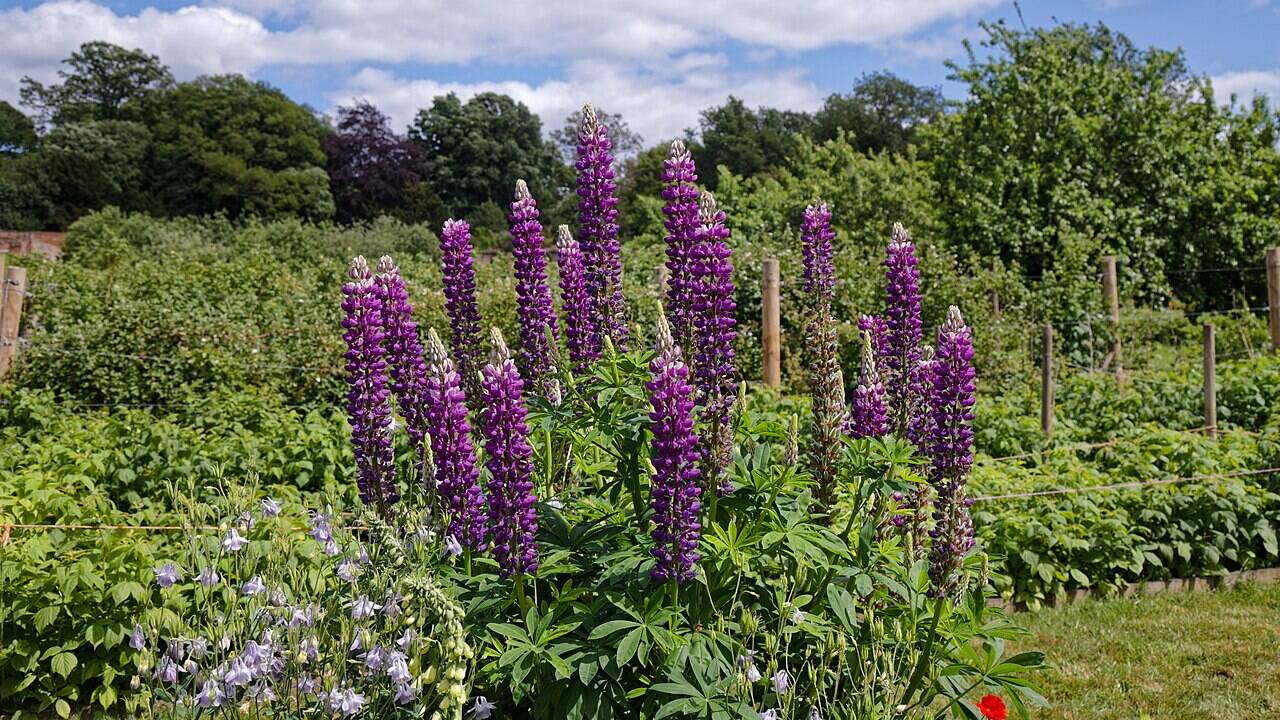
Sweden’s countryside is known for its roadside lupins. For decades, travellers driving through Scandinavia have been treated to a sight of vibrant, towering spikes of purple, pink, and blue blossoms lining the highways. These striking blooms are garden lupins, a plant introduced with specific practical purposes. A century ago, engineering and environmental planning authorities across Sweden scattered these hardy flowers along freshly cut roadsides, embankment slopes, and disturbed land. The plan was straightforward because the deep root systems of these plants served as a root network to secure loose soil, stop land degradation, and halt erosion from heavy rainfall.
Get breaking news anytime, anywhere. Download the TOI app now!
Over time, these lupins began spreading beyond the roadsides where they were originally planted. Over more than one hundred years, these fast-spreading flowers have moved beyond their designated roadside boundaries, crowding out native plants in meadows and pastures. Today, conservationists and environmental scientists note that these towering plants are taking over the landscape, spreading into meadows and reducing native plant diversity for insects like wild bees, butterflies, and other pollinators.
The hidden cost of a colourful invasion
The scale of this botanical shift has been documented by a scientific investigation published in the Nordic Journal of Botany . In this study, researchers analysed how garden lupins interact with native plant communities. The researchers set up paired observation plots across several regions, comparing lupin-dense areas to nearby sites where the plant had not yet taken hold. Their findings show the species’ impact on native plant communities.
The study covered 24 road verges of high conservation value in central Sweden, with paired 1 m² plots in each verge — one dominated by Lupinus polyphyllus and one with little or none. Across all sites, the team recorded 127 vascular plant taxa, and plots overtaken by lupine averaged 10.04 species versus 15.88 in plots without it, with the steepest losses in the west
The study demonstrated that where garden lupins move in, standard plant richness and overall plant diversity decrease. This happens because the non-native species grows quickly and forms thick, dense canopies that block sunlight from reaching smaller, traditional meadow herbs. As a legume, the plant can increase nitrogen in the surrounding soil. While extra nutrients might sound like a positive development, most traditional meadow wildflowers actually thrive in nutrient-poor conditions. By altering soil chemistry, lupins can favour a few competitive species and reduce native flora.
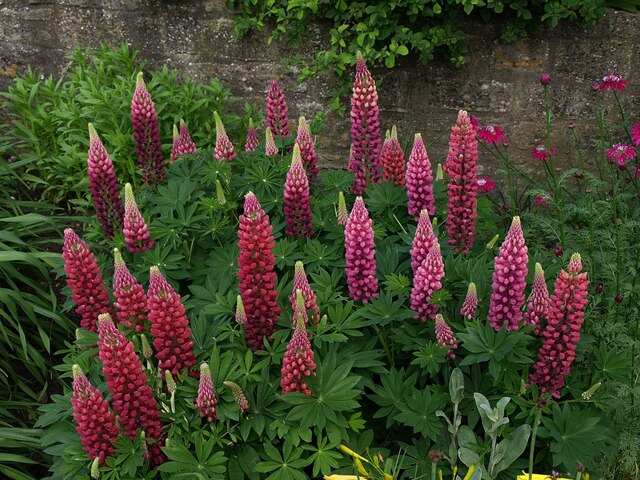
An altered food chain for our pollinators
The loss of wildflowers also affects pollinators. When diverse meadows are replaced by fields dominated by a single plant species, local insect populations face new challenges. Many native insects depend on specific local plants for food and habitat. Many solitary bees and butterflies rely on specific wild herbs for food and habitat.
When those plants decline, insects lose key sources of food and habitat. Garden lupins provide a burst of pollen during their peak flowering weeks, but they do not replace the steady, diverse supply of food that a healthy, multi-species meadow provides throughout spring and summer. As plant diversity declines, bumblebees and butterflies have fewer food sources across the season.
Addressing this ecological imbalance requires targeted management strategies rather than passive observation. According to environmental research initiatives backed by the Swedish Environmental Protection Agency , simple late-season mowing is often insufficient because garden lupins build resilient seed banks; instead, guidelines suggest timing cuts specifically to their early flowering stage to stop seed maturation without disrupting late-blooming native species. To coordinate these regional efforts, authorities utilise data from Sweden's national citizen science platforms, like Artportalen, encouraging the public to log sightings for targeted pulling campaigns. By systematically exhausting the plant's root reserves and preventing seed dispersal, conservationists aim to slowly restore the nutrient-poor soil conditions necessary for native Swedish biodiversity to reclaim these vital corridors.