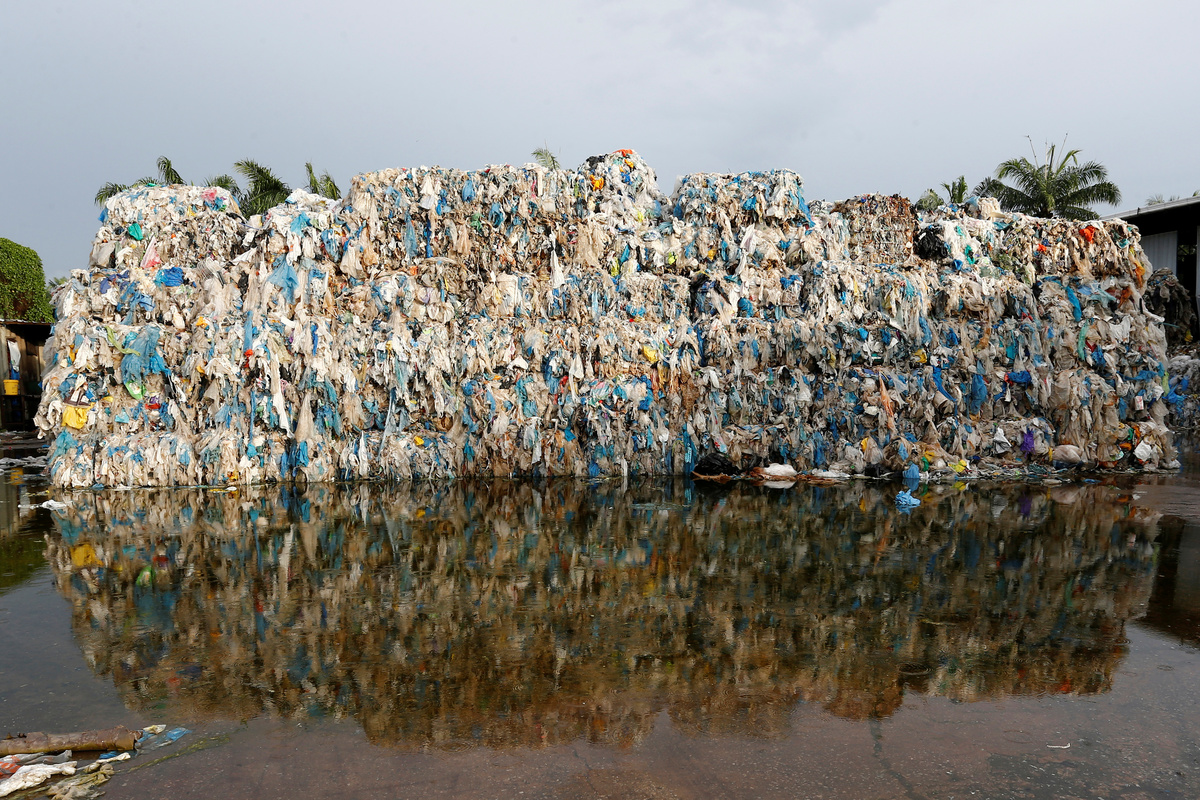
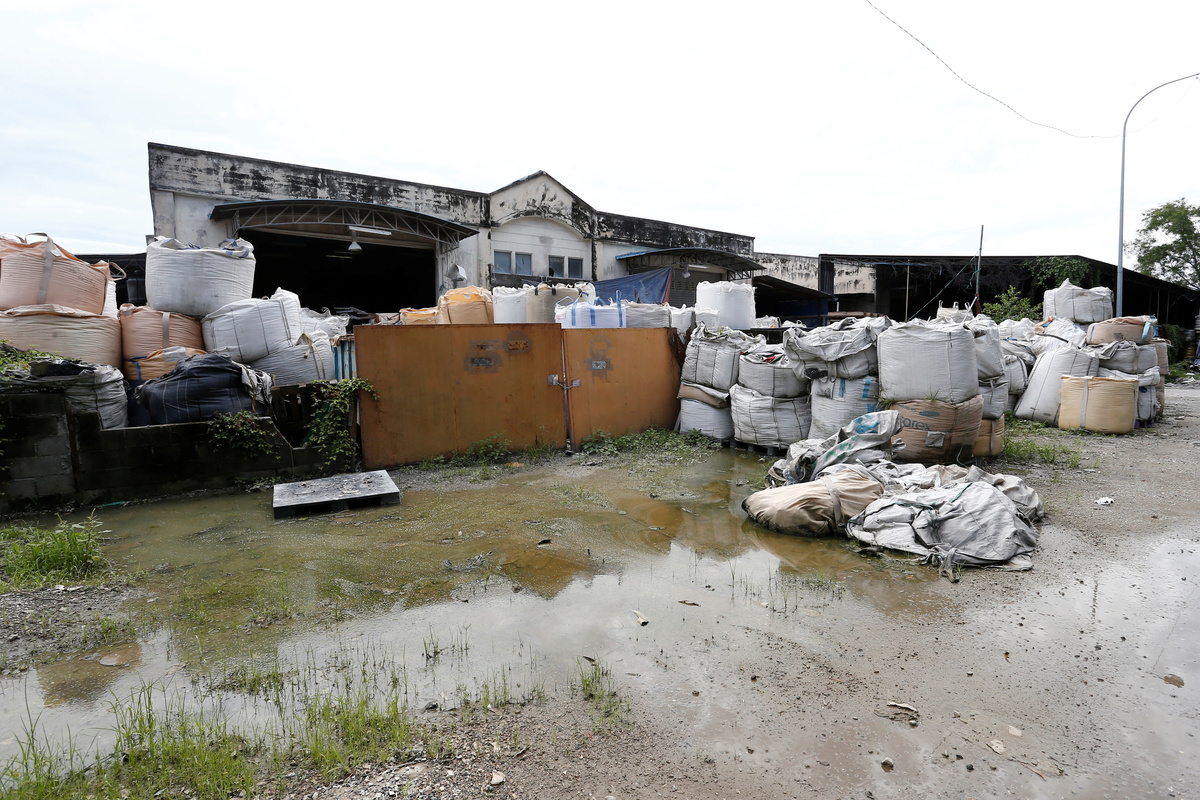
PULAU INDAH, Malaysia (Reuters) - Hundreds of sacks filled with plastic waste from the United States, Britain, South Korea and Spain spill onto the streets of an industrial zone in Pulau Indah, an island town just an hour's drive from Kuala Lumpur and home to Malaysia's biggest port.
The stench of burning plastic and fumes from nearly a dozen recycling factories wafts through the neighborhood, even as more container-loads of plastic waste are unloaded.
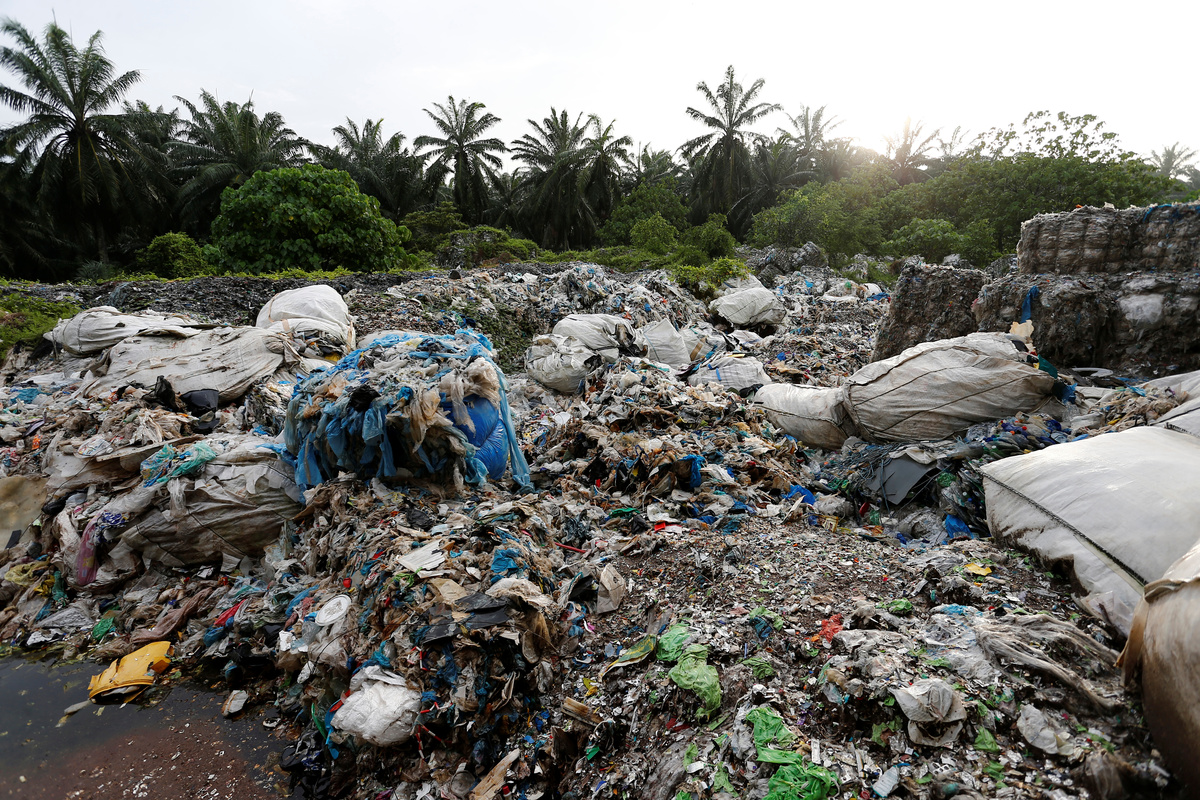
Pulau Indah - ironically, the name means "beautiful island" in Malay - is one of many towns in Malaysia where illegal plastic recycling factories have popped up in recent months as the Southeast Asian nation became the top choice for plastic waste exporters from around the world.
The trigger for this dumping deluge was a Chinese ban on waste imports from the beginning of this year, which disrupted the flow of more than 7 million tonnes of plastic scrap a year.
Malaysia quickly became the leading alternative destination, importing nearly half a million tonnes of plastic waste between January and July from just its top 10 source-countries.
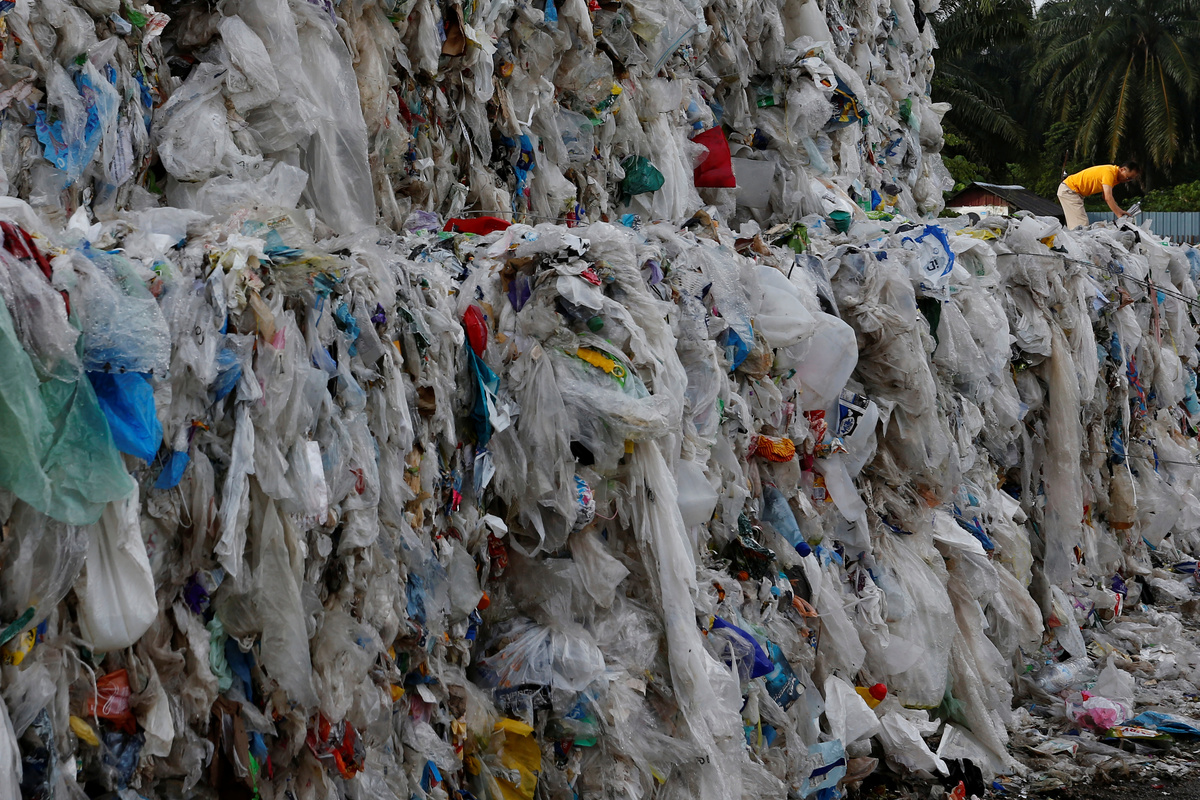
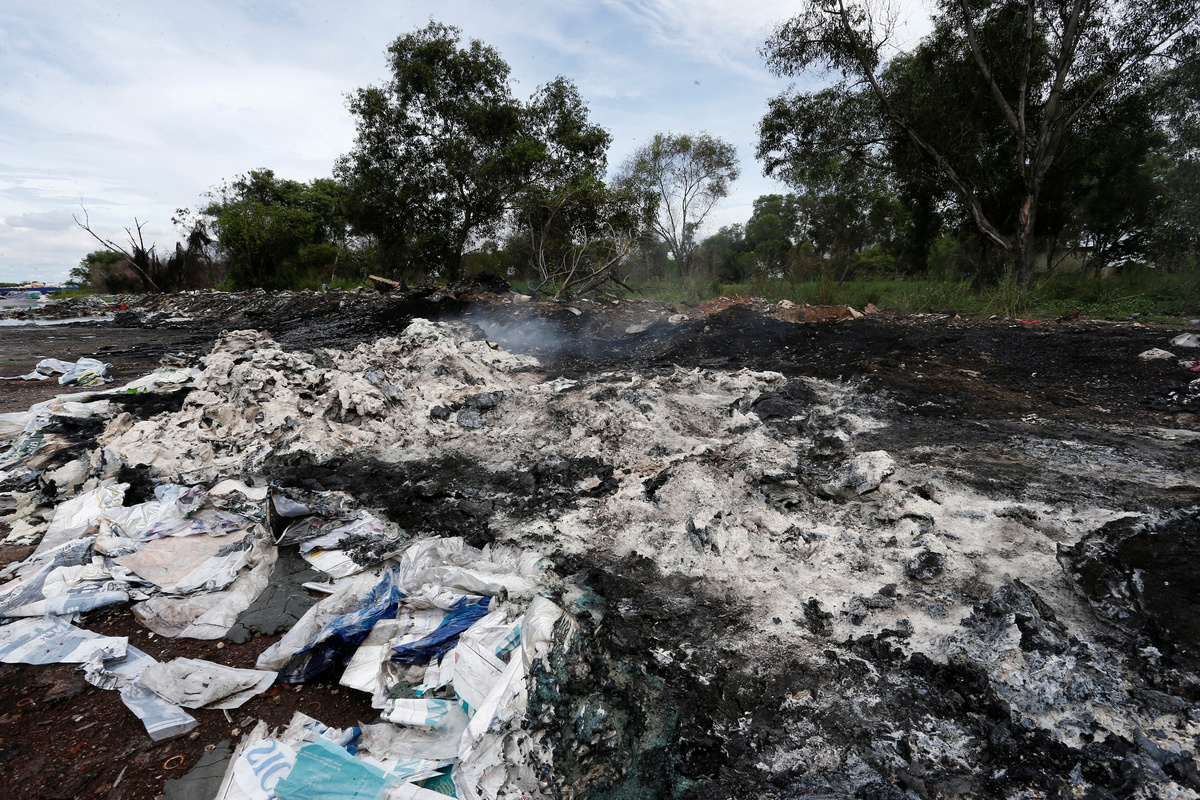
Dozens of factories have opened up in Malaysia to handle that waste, many without an operating license, using low-end technology and environmentally harmful methods of disposal.
"The situation is getting worse, especially with more and more illegal plastic recycling factories," Yeo Bee Yin, Malaysia's minister of energy, technology, science, climate change and environment, told parliament last week.
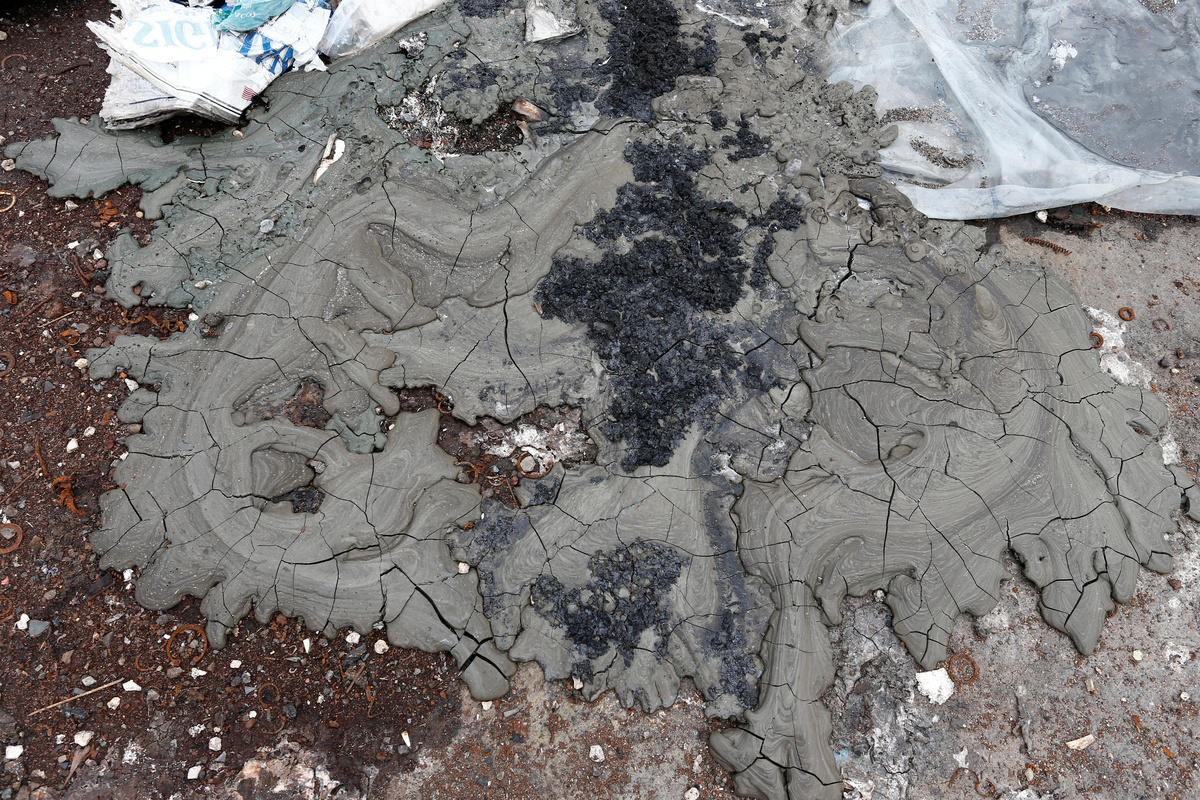
Used plastic is recycled into pellets, which are then used to manufacture other plastic products, but the process comes with pollution risks. Plastic unsuitable for recycling is burnt, which releases toxic chemicals into the atmosphere. Or it ends up in landfill, potentially contaminating soil and water sources.
Yeo said she does not want Malaysia to be the "trash can" for developed nations, but Housing Minister Zuraida Kamaruddin, who oversees the waste management department, told Reuters that the government also does not want to miss out on a business that could be worth billions.
Both ministers are members of a government committee studying its options for dealing with the growing pile of plastic waste.
BURNING PLASTIC
In the Pulau Indah industrial zone, Reuters reporters saw nearly a dozen recycling plants, many of them without signboards or company names, though government data shows only two factories in that area have a license to import plastic waste.
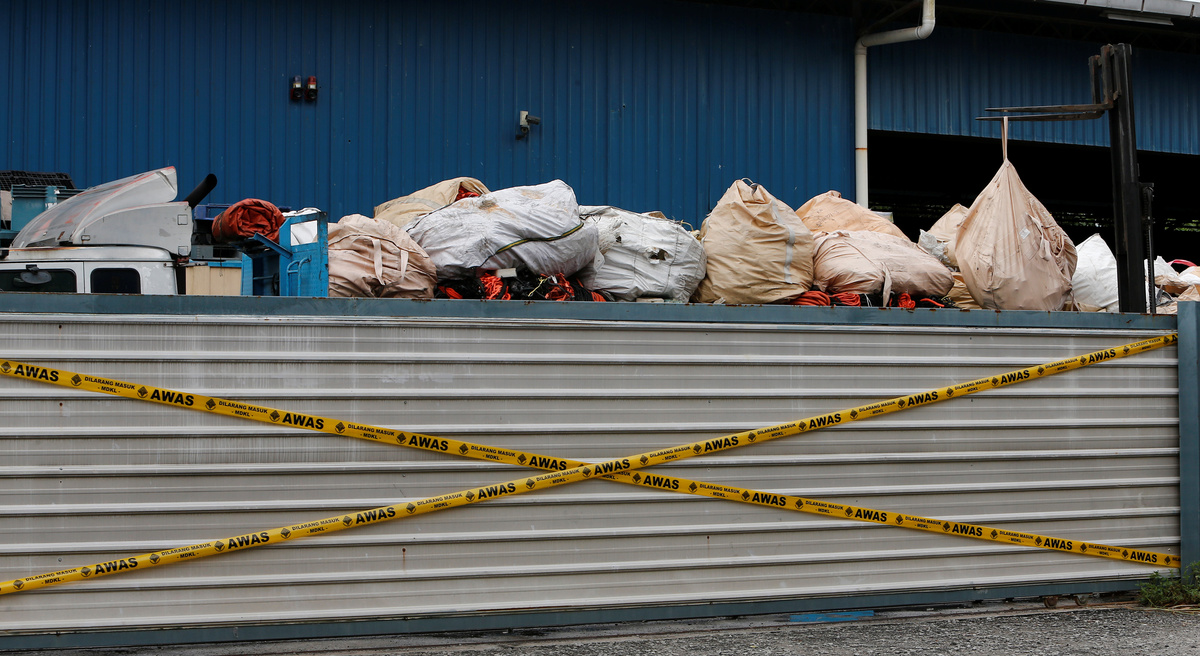
One of the bigger ones, Jingye Manufacturing Sdn Bhd, was shut down in August for not having a license, according to an official notice seen by Reuters.
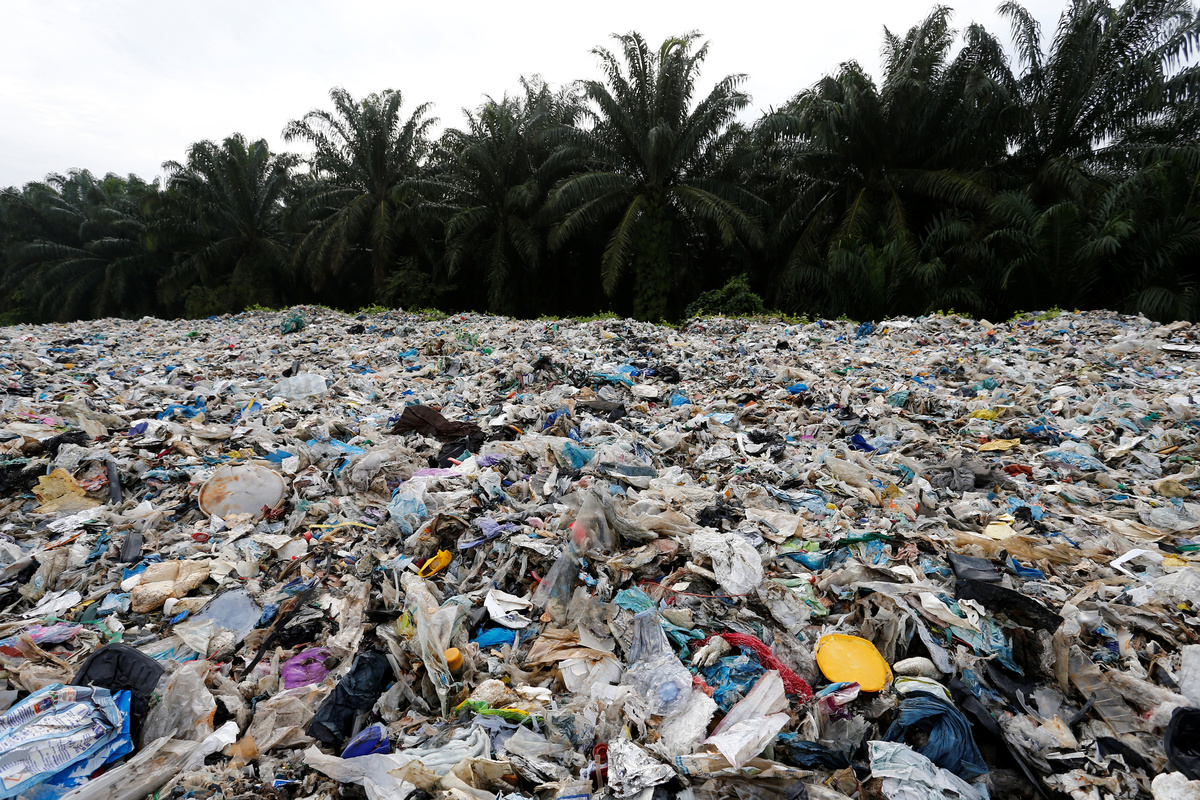
But workers in the factory and others nearby say it reopened within weeks, and when Reuters reporters visited earlier this month, it was operating. Plastic waste was stacked up within the premises and all along the road.
The factory supervisor declined to comment.
Company records show Jingye was set up in Malaysia in October 2017, three months after China said it would ban imports of foreign waste from 2018. Reuters could not reach the owners of the factory and no contact details were listed in records.
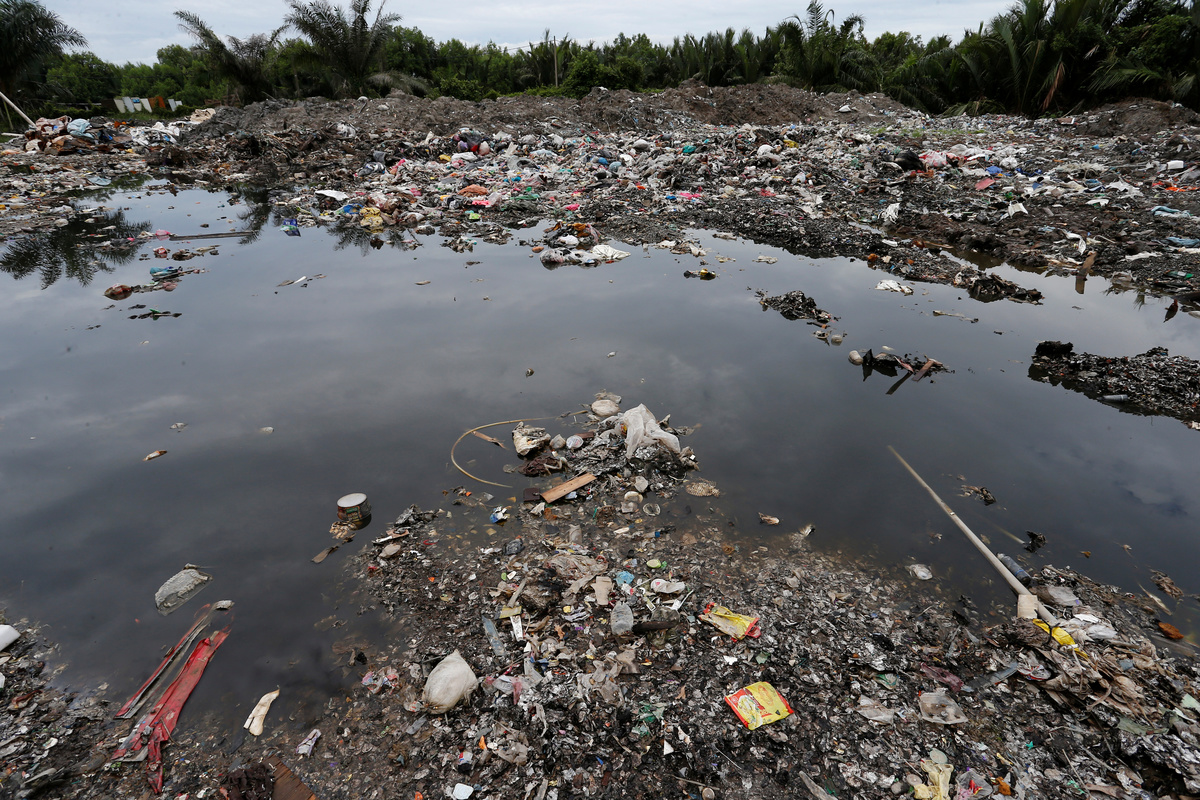
One worker in the industrial zone, who did not want to be identified, said there were as many as eight illegal factories in the zone and many openly burned plastic that cannot be recycled.
"Every night they burn. I see black smoke at night, so I go over and ask him 'why are you trying to kill me?' They ignore me," he said.
In the nearby district of Kuala Langat, authorities found 41 factories operating illegally, many of them run by Chinese companies, according to Housing Minister Zuraida. Around 30 were shut down by authorities in the last three months after residents complained of open burning of plastic and health complications.
(Click https://tmsnrt.rs/2OKAfWJ for an interactive graphic)
STRICTER RULES
It is unclear how the illegal factories are sourcing plastic waste. Zuraida said some of the 95 companies that have a permit to import and recycle such waste are subcontracting to illegal factories as they lack the capacity to handle such volumes.
Malaysia's imports of plastic waste from its 10 biggest source-countries jumped to 456,000 tonnes between January and July, versus 316,600 tonnes purchased in all of 2017 and 168,500 tonnes in 2016.
The United States, the world's top exporter of plastic waste, sent 178,238 tonnes of such waste to Malaysia between January and July, nearly twice as much as it sent to second top destination, Thailand, according to the United Nations' trade database and the Institute of Scrap Recycling Industries.
Britain, another big plastic waste exporter, sends a quarter of its waste to Malaysia, also more than any other country.
Environment Minister Yeo estimated that the plastic recycling industry would earn Malaysia 3.5 billion ringgit ($841.95 million) this year.
Zuraida said she planned to introduce new rules soon that will make it harder for factories to qualify for an import license.
"I understand plastic recycling is quite lucrative. So I am also thinking should we miss this economic opportunity? This is something the committee will study," Zuraida told Reuters.
If such an option is pursued, Malaysia would do so on strict terms, require high-end, green technology and allow factories to operate only in heavy industrial areas, she said.
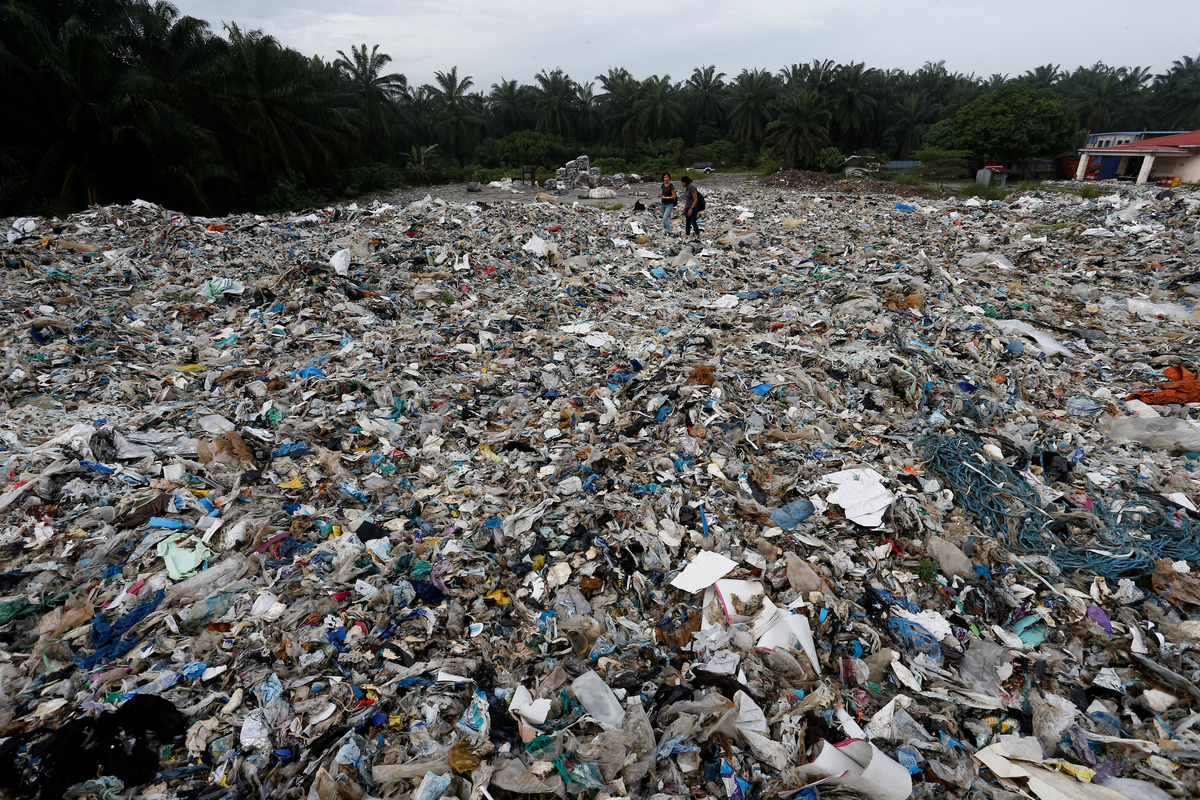
The factories are currently located haphazardly, including near or within residential areas. In Kuala Langat, southwest of Kuala Lumpur, a massive recycling factory nestled between palm plantations was shut down three months ago.
But 10-foot (3 meter) tall towers of plastic waste - mostly consumer packaging material from the United States, Britain, France, Netherlands, Germany and Australia - were still piled in the front yard. A large plot of land next to the factory has been turned into a dumping site for scrap.
($1 = 4.1570 ringgit)
(Reporting by A. Ananthalakshmi and Emily Chow, Additional reporting by Joseph Sipalan in KUALA LUMPUR, John Geddie in SINGAPORE and David Stanway in SHANGHAI; Editing by John Chalmers and Alex Richardson)