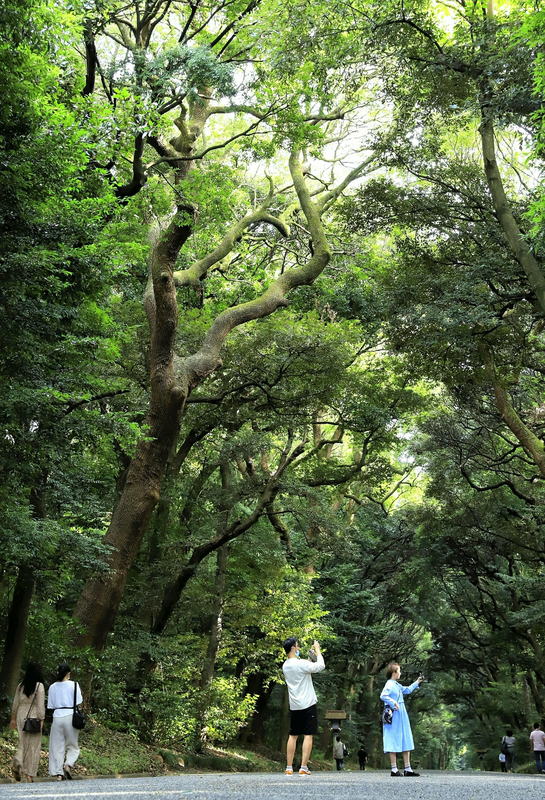
Although located in central Tokyo in Shibuya Ward, Meiji Jingu shrine stands amid lush greenery. Gravel paths cut through all sorts of trees in this forest oasis. When undisturbed by the sounds of passing trains, bird songs and insect noises conjure up the atmosphere of a mountain forest.
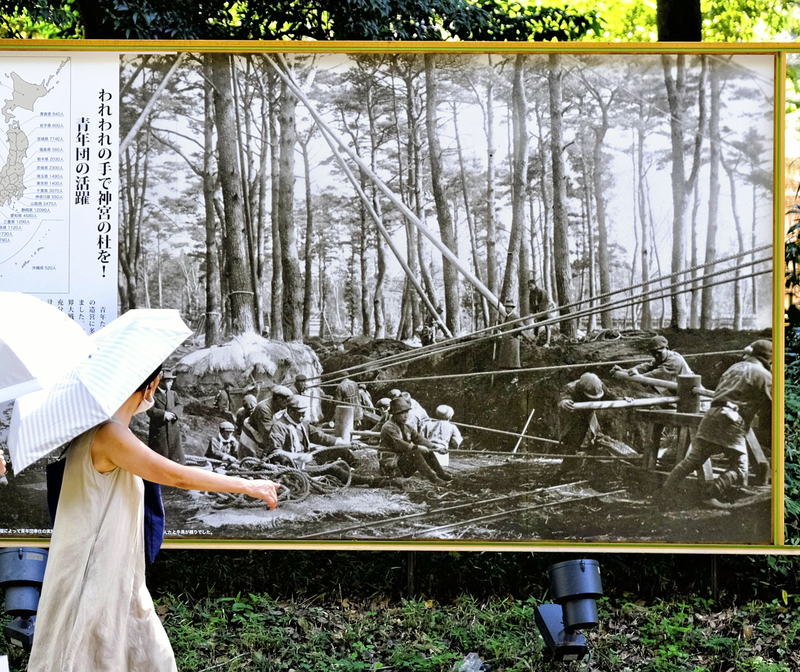
On Nov. 1, Meiji Jingu, which enshrines Emperor Meiji and his wife, Empress Shoken, celebrated 100 years since its establishment. At the time of the shrine's founding, an Imperial estate in Yoyogi with a connection to Emperor Meiji was selected, but the surrounding area was covered with grasslands and fields. Therefore, about 100,000 trees were contributed from all over Japan to create the forest for the shrine.
According to Tadashi Matsui of the shrine's administration department, the foresters who were involved in the creation started the forest with conifer trees, with a focus on pines. They then planted a mixture of evergreen broad-leaved trees such as Japanese oaks and camphor trees.
"Mature broad-leaved trees overwhelm conifers, so the evergreen broad-leaved trees that have been native to the area since ancient times will become the main trees in the forest," he said, referring to the original 150-year plan for the forest.
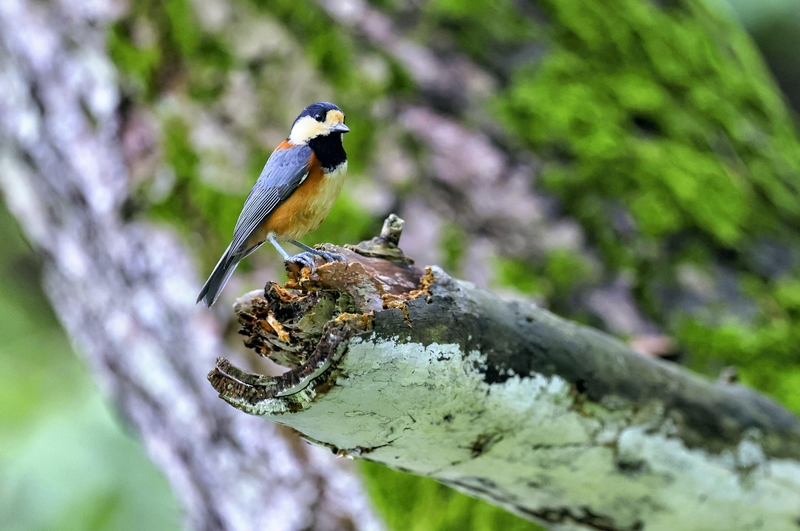
The 70-hectare forest is home to many living creatures. In 1947, the Tokyo branch of the Wild Bird Society of Japan started Japan's first monthly bird-watching session at Meiji Jingu.
Atsuto Itomine, one of the society's guides who has watched the forest thrive for about 40 years, said: "Grassland birds such as Japanese pheasants have disappeared, and woodland birds such as Japanese pygmy woodpeckers have increased. It's evidence of the forest growing."
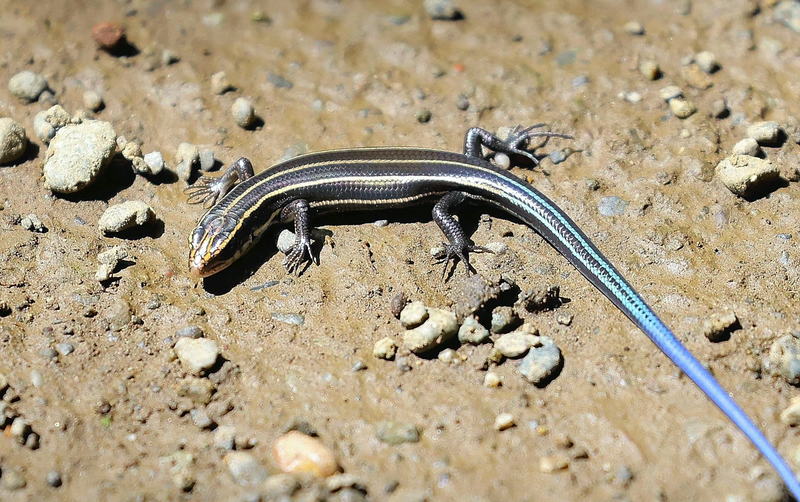
Observation records from over 70 years ago also reveal the changes in the forest.
The lush creation has grown much faster than expected and is nearly complete without waiting for 150 years to pass.
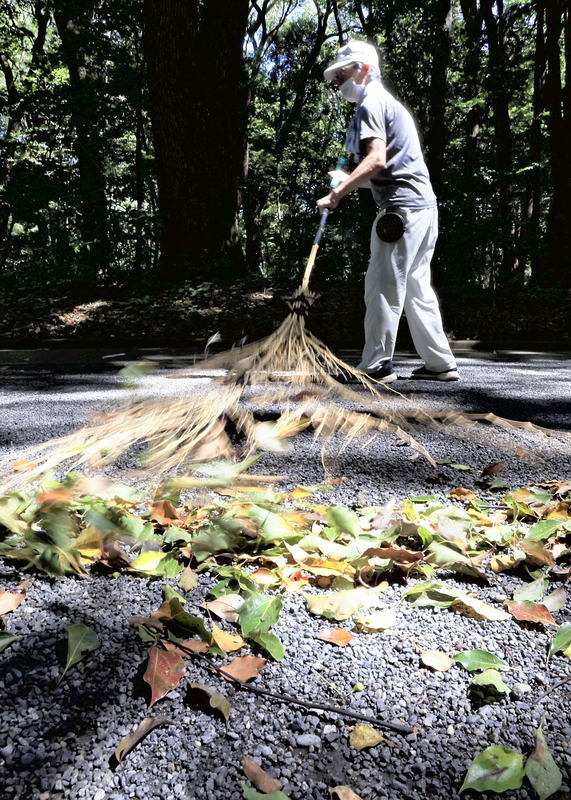
The hope is that the forest will remain for more than 1,000 years as a sacred forest of prayer that can heal people's hearts.
Read more from The Japan News at https://japannews.yomiuri.co.jp/