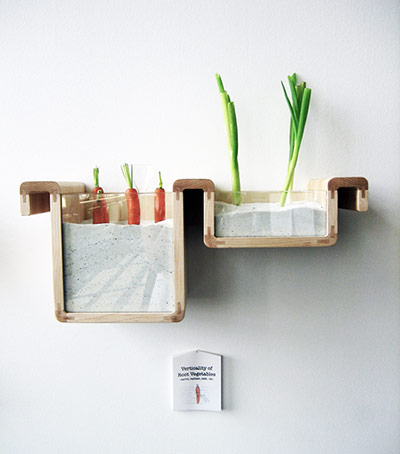
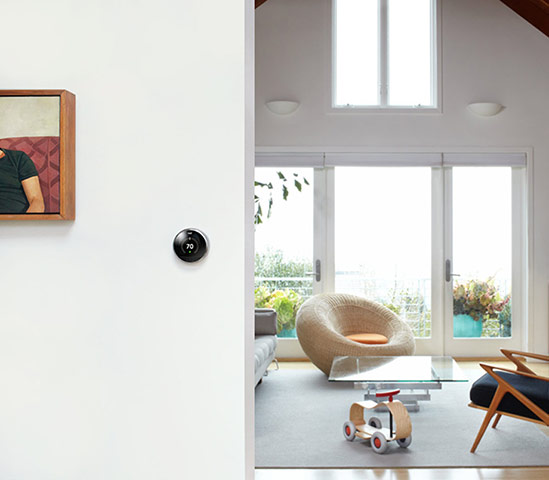
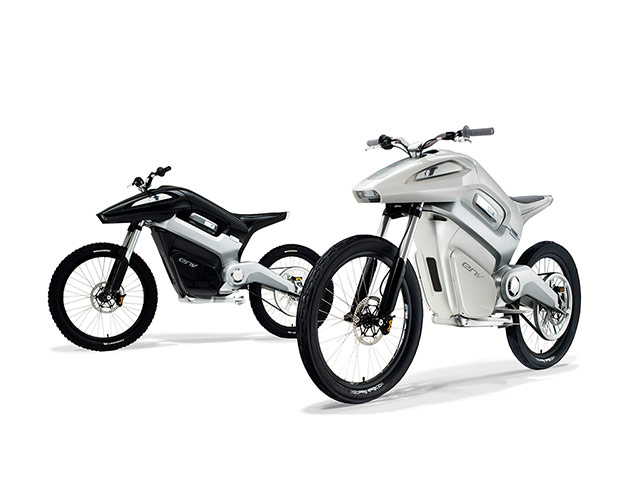
The Save Food from the Fridge project by Jihyun Ryou turns the concept of a fridge upside down and uses traditional and natural processes to preserve food. Fridges are energy-consuming monsters, and the technology itself is quite antiquated – a thermally insulated box with a heat pump into which we indiscriminately throw food. With Ryou’s sustainable design, vegetables like carrots can be preserved in damp sand as high humidity preserves as well as chilling. Amongst other ingenious ideas, the design solution sees apples, which secrete ethylene that can symbiotically prevent sprouting, put next to potatoes.Photograph: Jihyun Ryou/PRCreated by ex-iPod designers, NEST is a learning thermostat for the 21st Century. A million miles from the drab mushroom-coloured box sitting apologetically on your wall, it’s smart, beautiful and simple. It learns your behaviour and adjusts your household temperature settings to your usage patterns.Photograph: PRSeymourpowell worked with fuel-cell manufacturers Intelligent Energy (IE) to create, design and prototype the ENV, the worlds first fuel-cell powered motorcycle. IE has since licenced this technology to Suzuki, and a fuel-cell scooter was launched last year. Photograph: PR
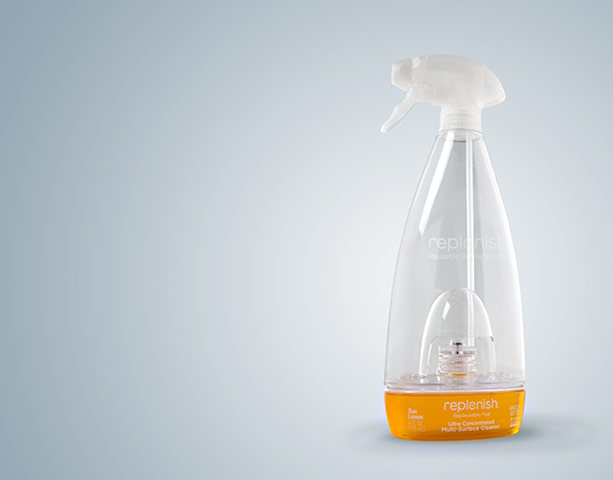
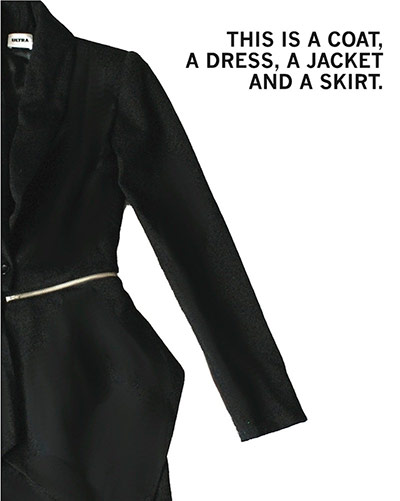
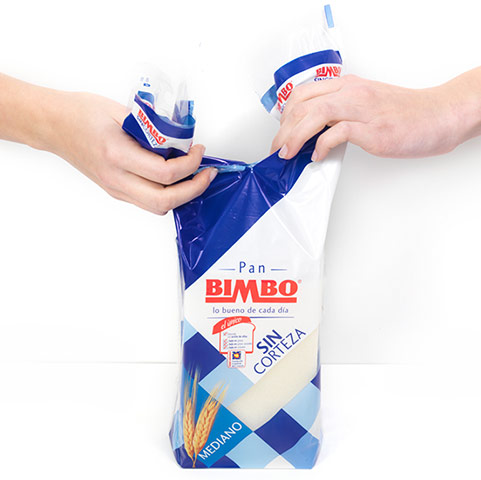
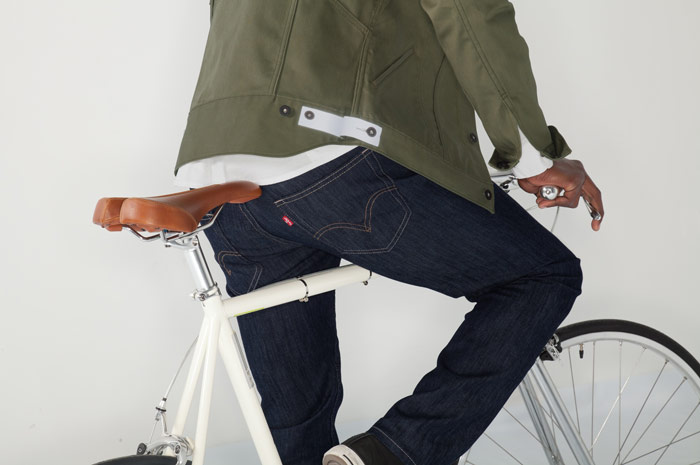
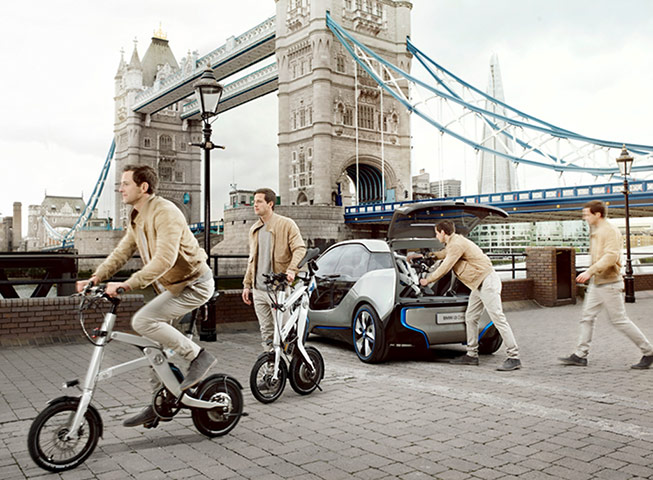
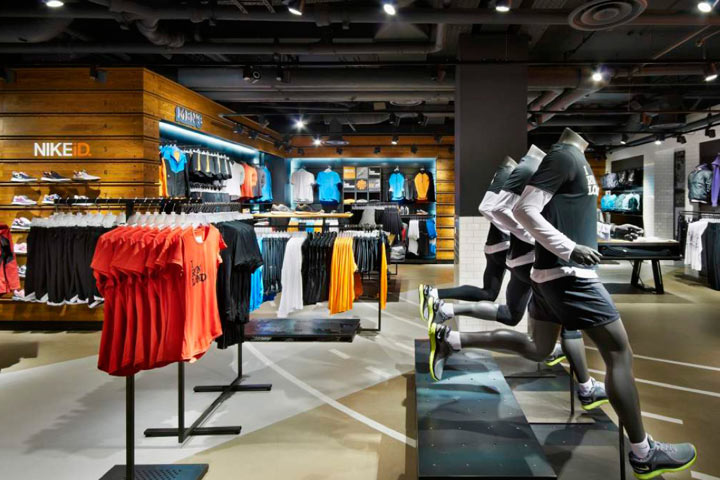
Up to 95% of the substance in household cleaning products is water, and disposing of the packaging when the bottle is empty is wasteful. This design from Replenish offers a concentrated recharging cartridge screwed into the bottom, which when inverted fills a chamber with sufficient liquid that can then be topped up with tap water. It’s an all-round winner saving waste and materials, along with the transport emissions from shipping water. Photograph: PRDesign can change lives. Created by German designer Stephane Auguston after a visit to the Canary Islands, Water Cones are an easy-to-use and portable one-person solar still, which transforms saltwater into purified drinking water simply through sunshine. It can convert up to 1 ½ liters in 24 hours making it an ideal device to create a child’s daily need of freshwater. Photograph: watercones.comThis modular and multi-functional design offers a ten-piece wardrobe for 365 days. Including a 4-in-1 coat/dress/jacket/skirt, it was created to counter fast-fashion and overconsumption, and features an almost infinite number of outfit variations. Made of natural and recycled materials you can return it after a year for upcycling and receive discounts on the next year's range.Photograph: PRSeymourpowell’s Bimbo design for bread packaging identified an emergent behaviour in consumers who would misplace the wire-tie around the top of the bread packaging and end up tying the packaging themselves. Good design eliminated this poor functioning and wasteful component, replacing it with functionality built in to the packaging design itself – a perforated strip in the pack that you tear down and tie making for a better user experience. Bread is one of the most wasted foods in many markets, so this new design can potentially reduce food waste too. Photograph: The Photo Man/PRSustainable design is not just about the materials you use to make products, but also about what the products do. Last year, Levis launched its 511 Commuter range designed to encourage cycling by making it easier and more comfortable. A strap allows easy transportation of your security lock; nano-coating on the jeans repels rain, crotch support makes them last longer; and reflective strips make you safer. As a behaviour cycling is as a green as it gets, so anything that enables it is a sustainability winner.Photograph: PRDesign can be a powerful tool even in the most unglamorous areas of industrial sectors. For more than 30 years, Caterpillar has used clever design to remanufacture and reuse components from its enormous machines. This extends to all 6,000 components, which they collect and refurbish in 30 locations, saving 140 million lbs. of materials per year. They then sell refurbished and remanufactured products alongside new ones at reduced prices, having passed the same stringent safety and reliability tests. Photograph: PRBMWi sees the global carmaker adopt an integrated approach to sustainable mobility, extending the brand beyond simply the physical car design. Mobility app’s like ParkatmyHouse, can find parking spaces in city streets for you, while the Sustainable Neighbourhoods collaboration with Wallpaper are well worth a look. It’s exactly the kind of system-focussed design thinking we need for sustainability breakthroughs.Photograph: PRThe Sustainable Apparel Coalition is a game-changing design collaboration featuring 60 organisations from across the fashion, textiles and apparel value chain. Its goal is to systematically reduce the environmental and social impacts of how the entire sector designs and manufactures products. Importantly, it features once sworn enemies, like Nike, Puma and Adidas, sitting together to change the way they design, for good. Photograph: Nike
Sign up to read this article
Read news from 100’s of titles, curated specifically for you.