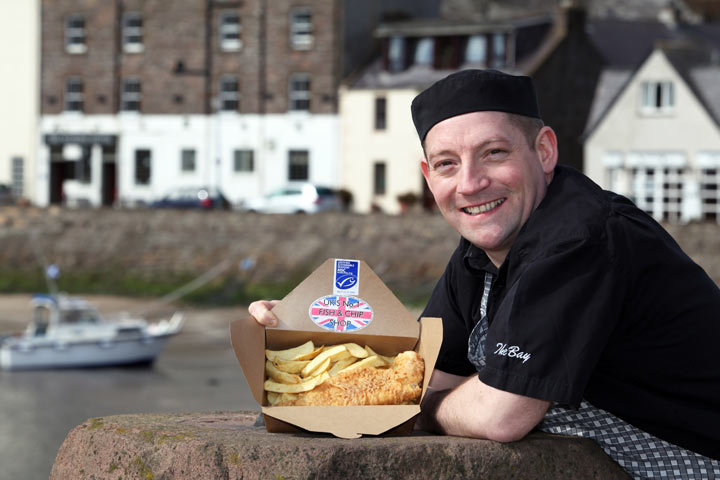
For every independent restaurant in the UK, there is a fish and chip shop. This year, MSC certified The Bay Fish and Chips in Stonehaven, Scotland became the first chippie to win the Fish and Chip shop of the Year and the Good Catch Award for Sustainability in the same year. Often described as the Fish and Chip Oscars, the awards have a huge impact on the shops involved, catapulting them to stardom among the 10,500 fish and chip shops around the UK. We’re seeing more and more chippies follow in The Bay’s footsteps to get MSC certified.
Photograph: Karen Murray

One of the first local authorities to sign up was London’s Tower Hamlets (pictured). Now eight years old, the project has reached over 4,000 primary schools, a quarter of all primaries in England and over 800,000 children. It has also resulted in spin-off projects in Sweden, France and Singapore.
www.fishandkids.org offers teachers curriculum-linked lesson plans, games and activities, some of which are also available on the Guardian Teacher Network. Photograph: Andy Aitchison
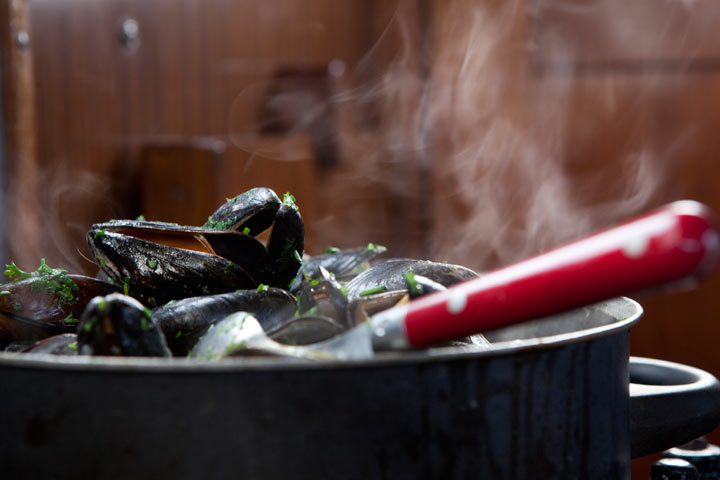
In 2009, their tour covered thirteen fisheries but a similar tour today could involve nearly 400 fisheries and hundreds more MSC certified recipes. Photograph: Leonard FŠustle/leonard fŠustle
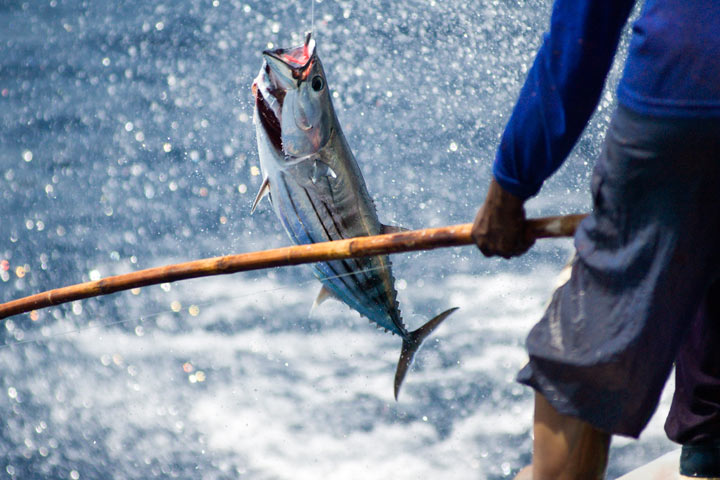
By committing to new management requirements and further improvements, they will ensure that MSC certified Maldives pole and line tuna remains an icon of sustainability.
Photograph: Leonard Fäustle
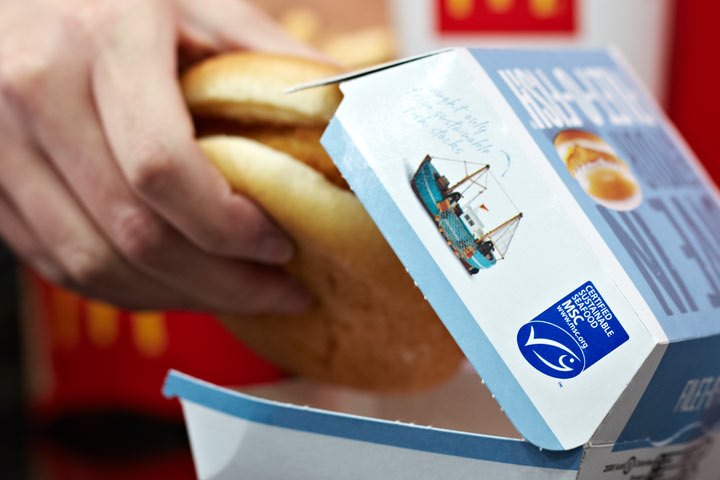
One example was the eastern Baltic cod fishery. Cod stocks in the eastern Baltic sea had suffered from years of illegal fishing. By working with their suppliers and the Sustainable Fisheries Partnership to improve stocks and support treaties that eliminated illegal fishing, McDonalds helped the stocks to recover to sustainable levels. In April 2011 the fishery was MSC certified allowing for every fillet-o-fish in Europe to bear the blue ecolabel from October. Following the success of MSC certification in Europe, McDonald’s USA followed Europe's lead in January 2013 offering MSC certified fillet-o-fish to their customers.
This caption was amended 15 May to correct McDonalds Americas to McDonald’s USA. Photograph: MSC
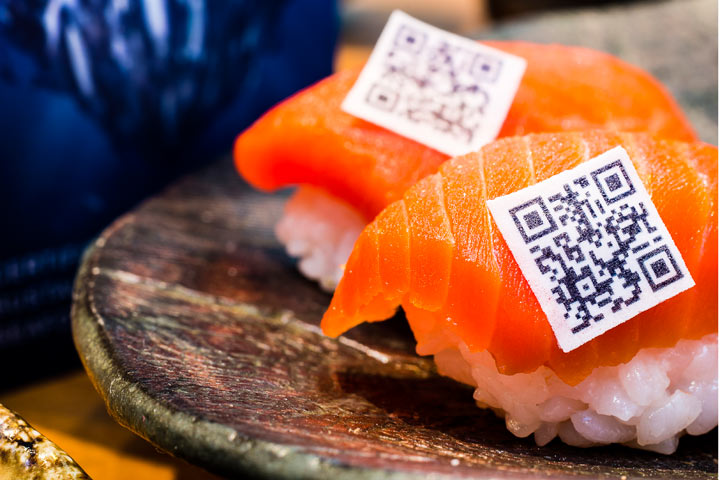

Working in partnership with WWF, the Ben Tre clam fishery in Vietnam joined six other fisheries helping the MSC to develop a new assessment tool to audit data-deficient fisheries. Their work opened MSC certification to data deficient fisheries around the world. Ben Tre clams were MSC certified in 2009 and the certification has had tangible benefits to the fishers. Clams from Ben Tre are sold across Europe, the US, Japan and China and the MSC label has resulted in a 65% price premium to the fishers. Part of this additional profit is being used for a social welfare fund, and another part is given to the commune to use for infrastructure development. Photograph: Leonard FŠustle/leonard fŠustle
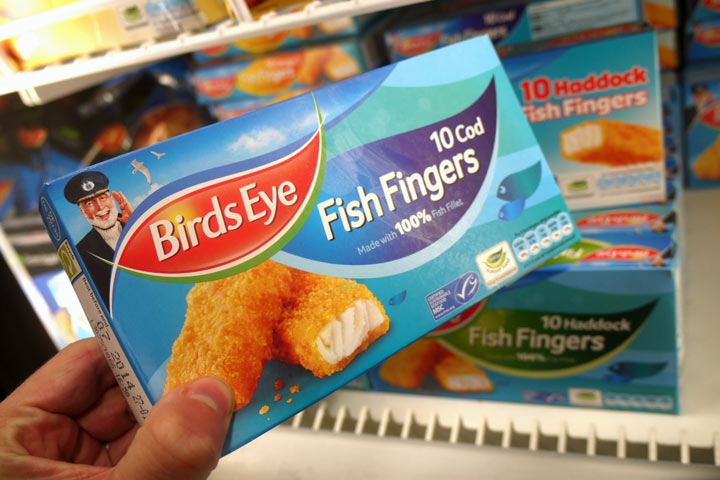
Birds Eye had experimented with MSC labelled ‘Omega 3’ fish fingers in the past, but moving all of their cod and haddock fish fingers was a bigger challenge. The UK eats more than 180m Birds Eye fish fingers each year so it is vital that they are sustainably sourced. Photograph: T Middleton/MSC
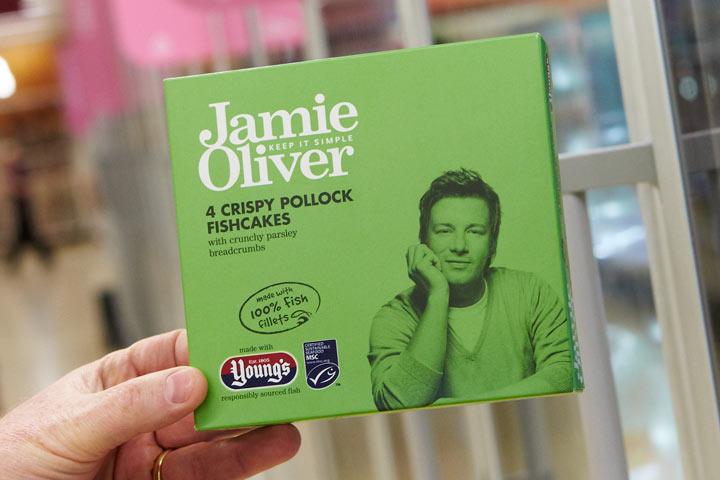
Jamie Oliver has inspired the nation to enjoy cooking through his TV programmes, and books and brought that ethic to the frozen aisle in partnership with Youngs. Both are long-standing supporters of the MSC, so, when Youngs approached Jamie to develop a new line of frozen products, the MSC label was a natural fit. Photograph: Janet Pullan/Jamie Oliver
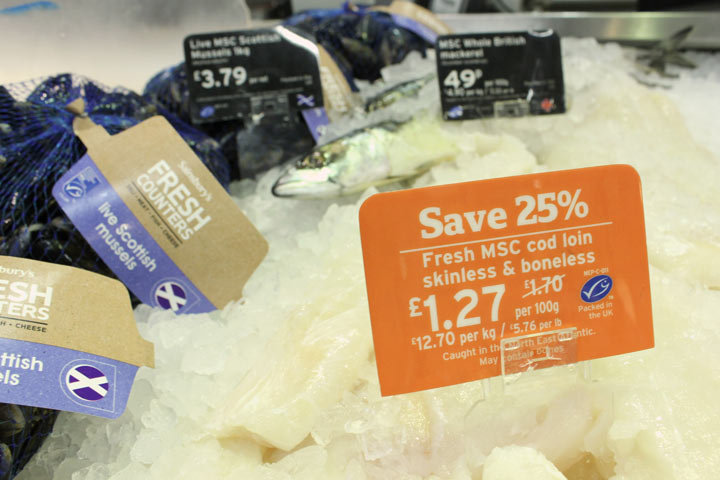
In the UK, Sainsbury’s have led the retail sector by offering MSC certified seafood throughout their store from the more expensive Taste the Difference range through to the more cost conscious Sainsbury’s Basics.
Sainsbury’s commitment to independently certified seafood means working with 37 MSC certified fisheries around the world, all with fully certified supply chains to ensure that their pollock, mussels, cod and more are always from a sustainable source. Photograph: Sainsburys
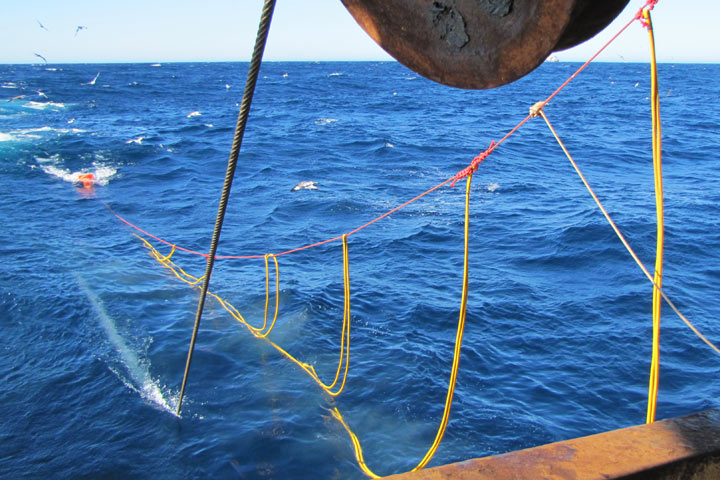
The yellow streamers in the photograph are tori lines, just one of the measures introduced by the fishery to help scare birds away from the lines and prevent them drowning. Already albatross deaths in the fishery have been reduced by 80%. Staying in the MSC programme, the fishery is committed to going further, reducing seabird deaths to zero as part of their certification.
Photograph: Bronwyn Maree
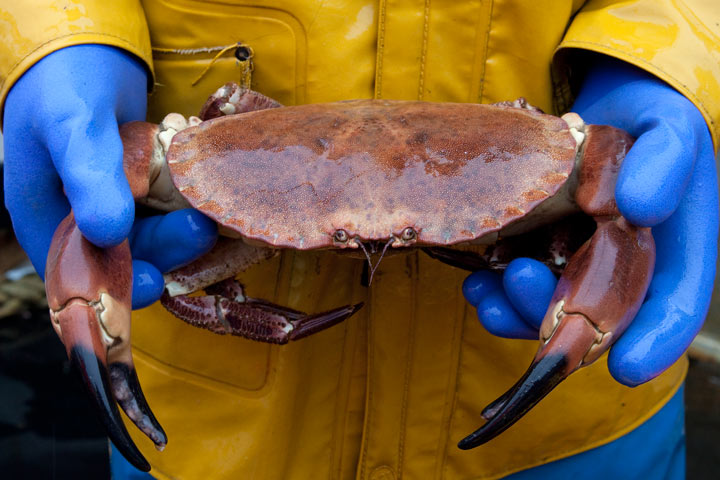
In 2012, the MSC and Seafish launched Project Inshore – a vast research project to find the gaps in knowledge in our inshore fleet. By identifying the highest performing fisheries and areas for new research, hopefully more fisheries will soon join the Shetland brown crabs with the MSC label. Photograph: Shetland Shellfish Management Organisation