Get all your news in one place.
100’s of premium titles.
One app.
Start reading
Reuters
Reuters
Business
Tim Kelly

Sushi meets AI: Japanese inventor's app scopes out choice tuna cuts

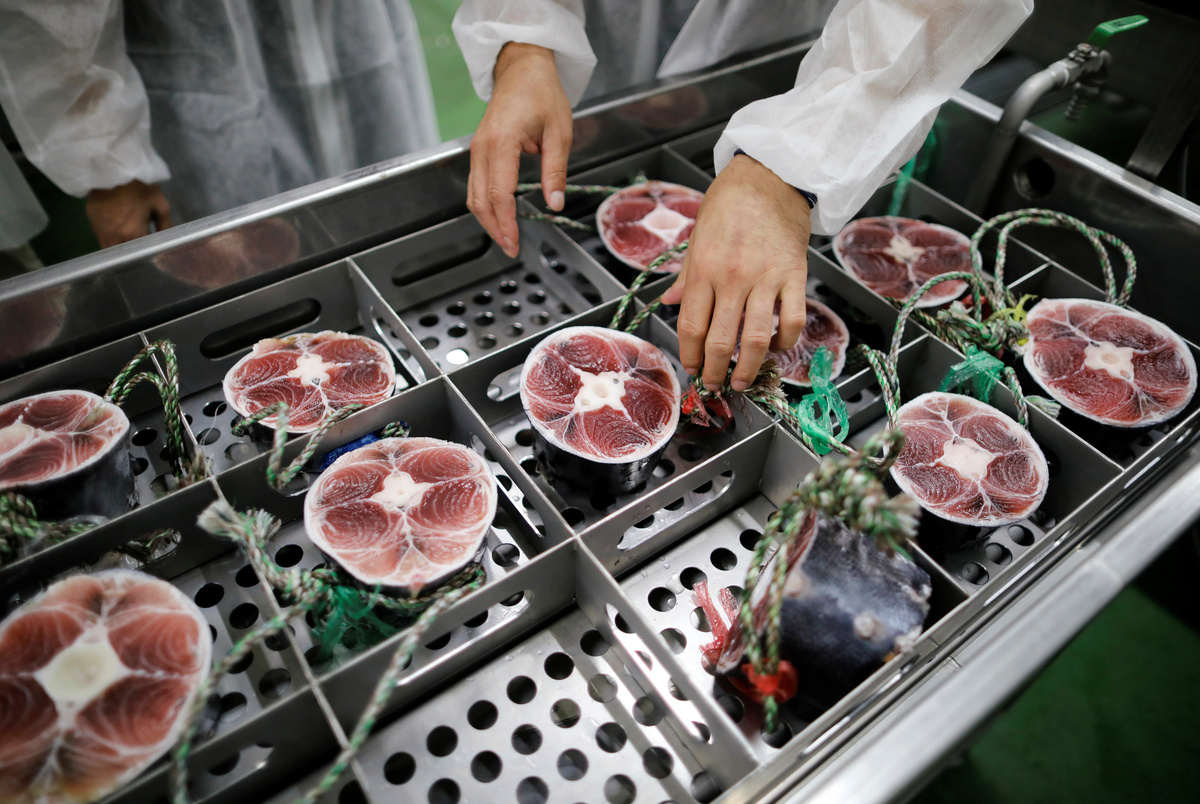
Shingo Ishii, a tuna buyer at Misaki Megumi Suisan Co., touches a tail part of a tuna during a demonstration of the 'Tuna Scope', an AI-based system that judges the quality of natural tuna using cross-sectional images of their tails, in Miura, south of Tokyo, Japan June 29, 2020. REUTERS/Issei Kato

If you've ever bought supermarket sushi, you may know the taste trauma that hit Kazuhiro Shimura one night. But "disappointing" tuna sparked an idea: he'd develop an artificial intelligence (AI) system to make sure your sashimi is always delicious.

Shimura, a director at advertising firm Dentsu Group's <4324.T> Future Creative Center, came up with the concept for "Tuna Scope" AI as he chewed his raw dish while watching a television show on fish merchants who spend a decade mastering the skill of selecting high-quality tuna for sushi restaurants.
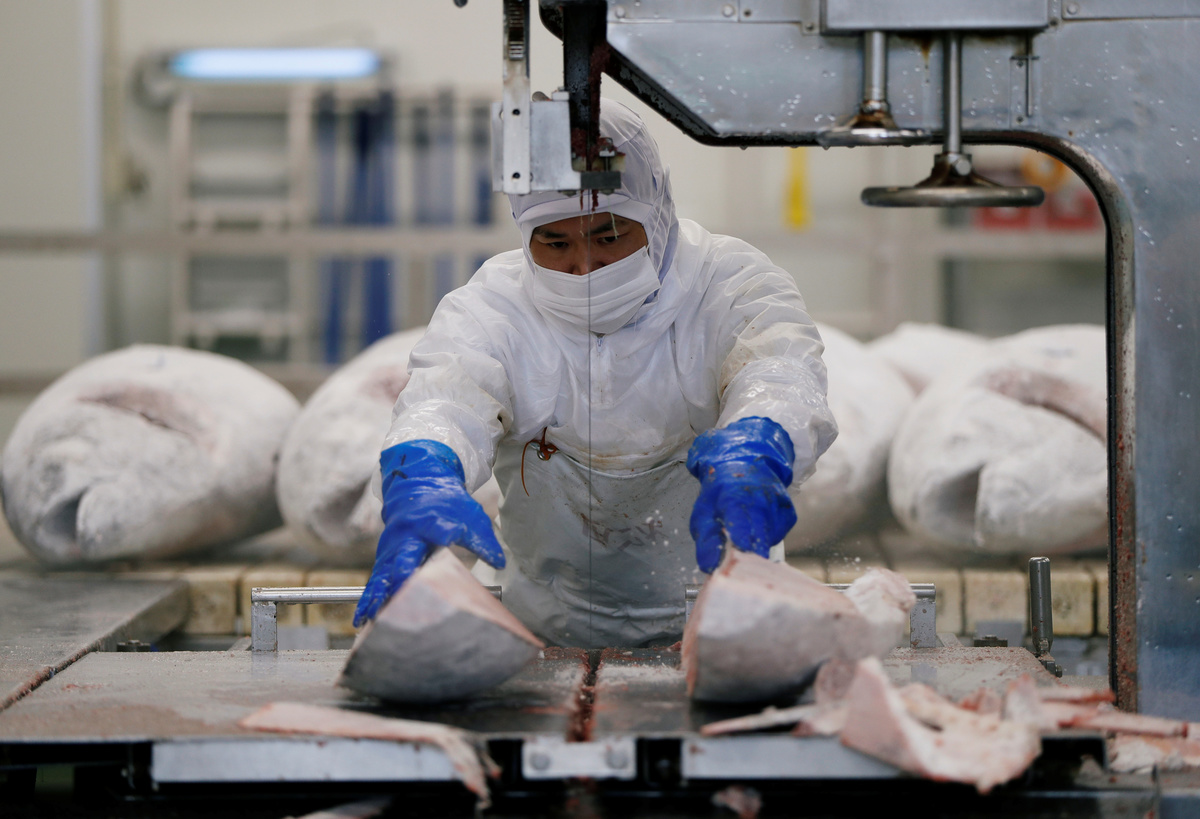
An employee of Misaki Megumi Suisan Co. processes a frozen tuna for shipping in Miura, south of Tokyo, Japan June 29, 2020. REUTERS/Issei Kato

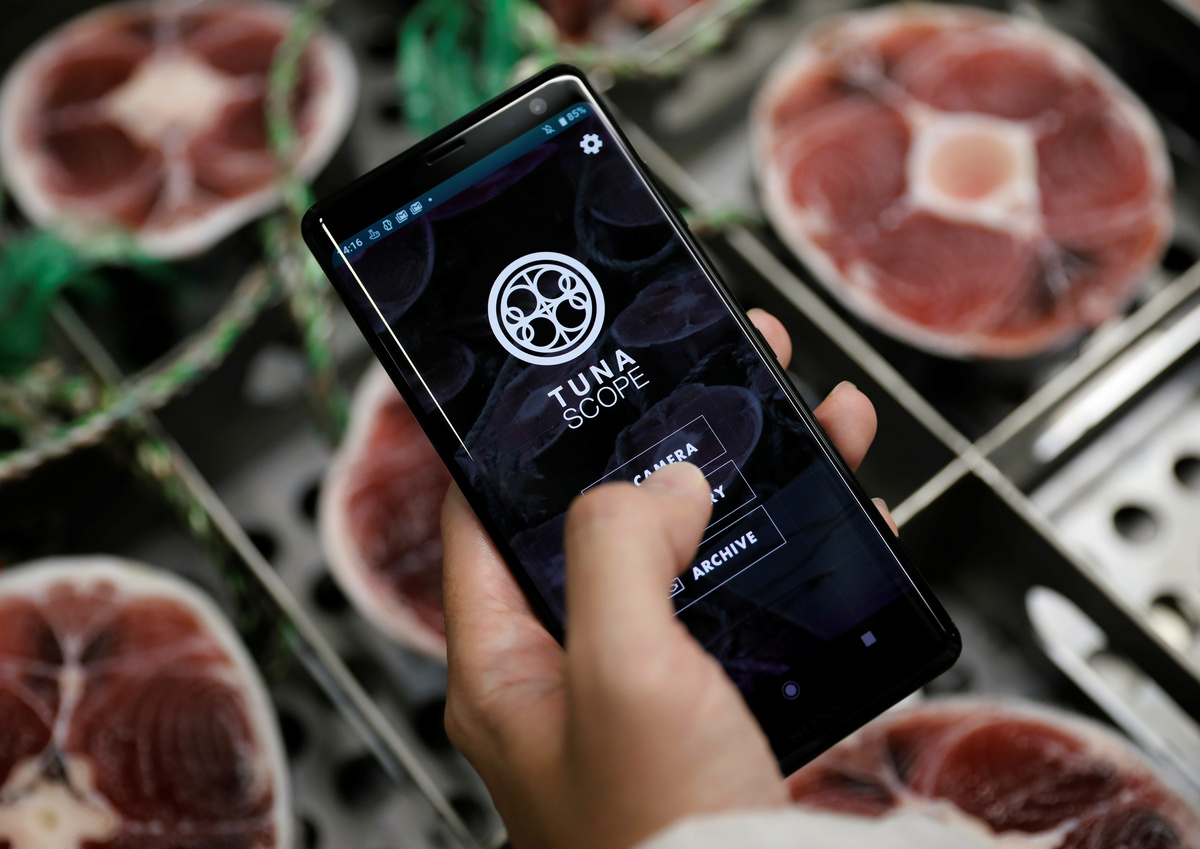
Using a deep learning algorithm to crunch through grading data from merchants, Tuna Scope has now evolved into a smartphone app. Clients can download and use it anywhere, creating "a unified grading standard" for an industry that relies on local know-how, said Shimura, who is working with Japanese trading company Sojitz Corp <2768.T> to promote his technology.

"That means people can be sure they are getting delicious tuna," Shimura told Reuters at fish merchant Misaki Megumi Suisan, which ships AI-certified tuna overseas.

The highest quality fish - which can each weigh around 300 kilogrammes - have sold for more than $3 million in past tuna auctions. According to the Organization for the Promotion of Responsible Tuna Fisheries, around 2 million tons of tuna is consumed around the world annually, of which Japan accounts for a quarter.
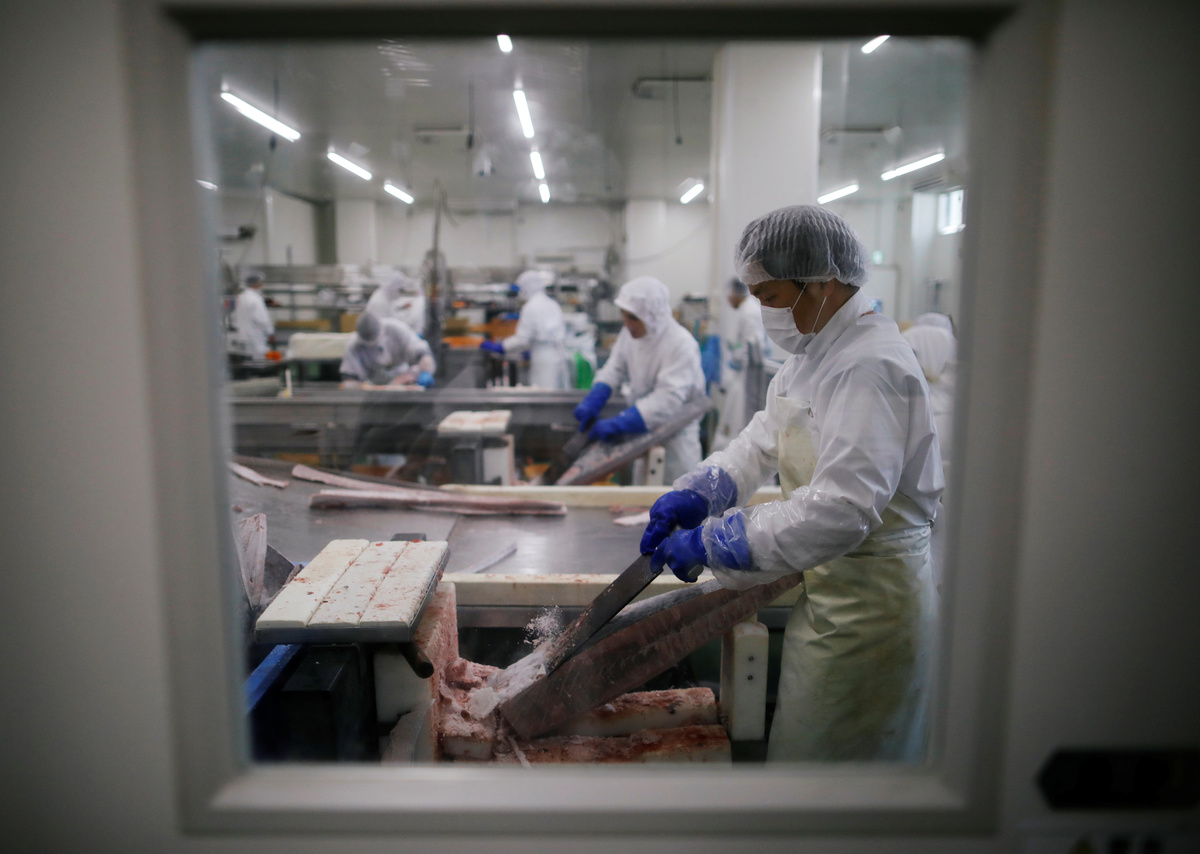
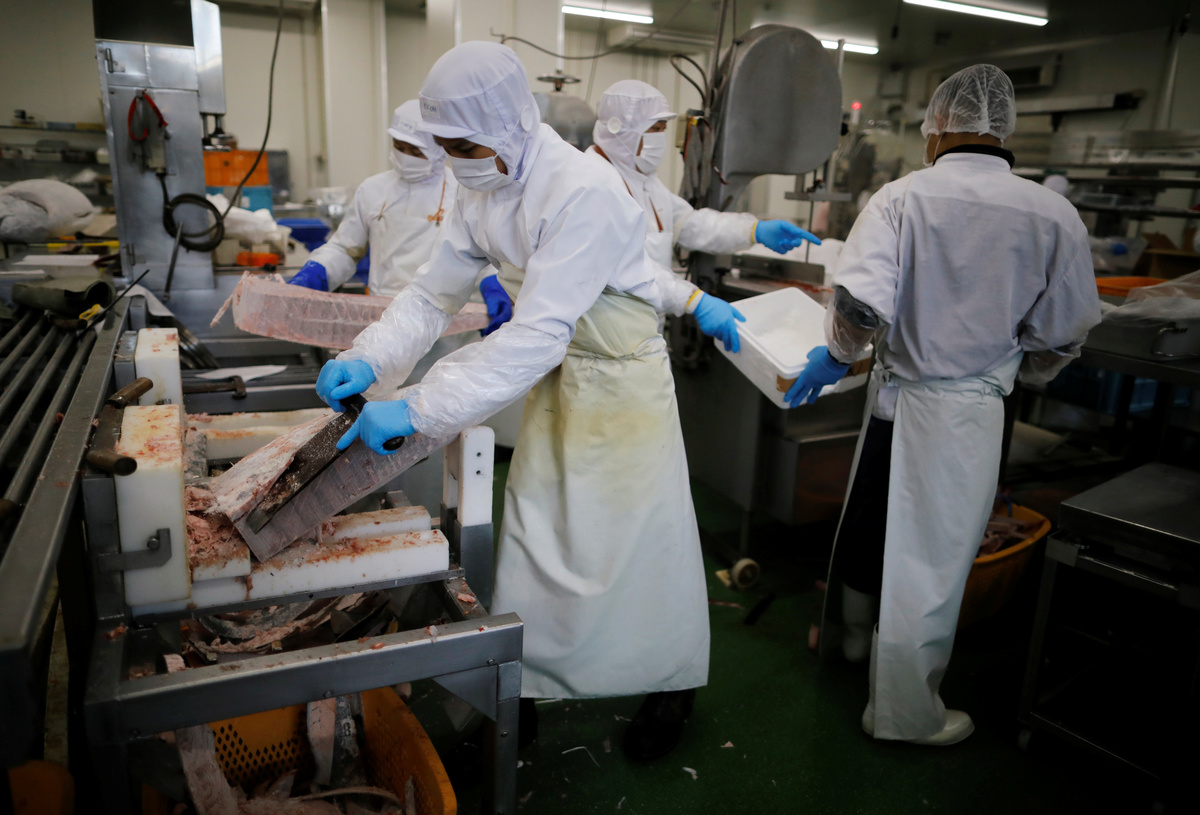
Employees of Misaki Megumi Suisan Co. process frozen tuna for shipping in Miura, south of Tokyo, Japan June 29, 2020. REUTERS/Issei Kato

Since the start of coronavirus pandemic fish merchants from the Maldives, Spain, the United States, Taiwan and elsewhere have contacted Shimura about Tuna Scope because travel curbs mean they can't visit suppliers to check tuna quality, he said.

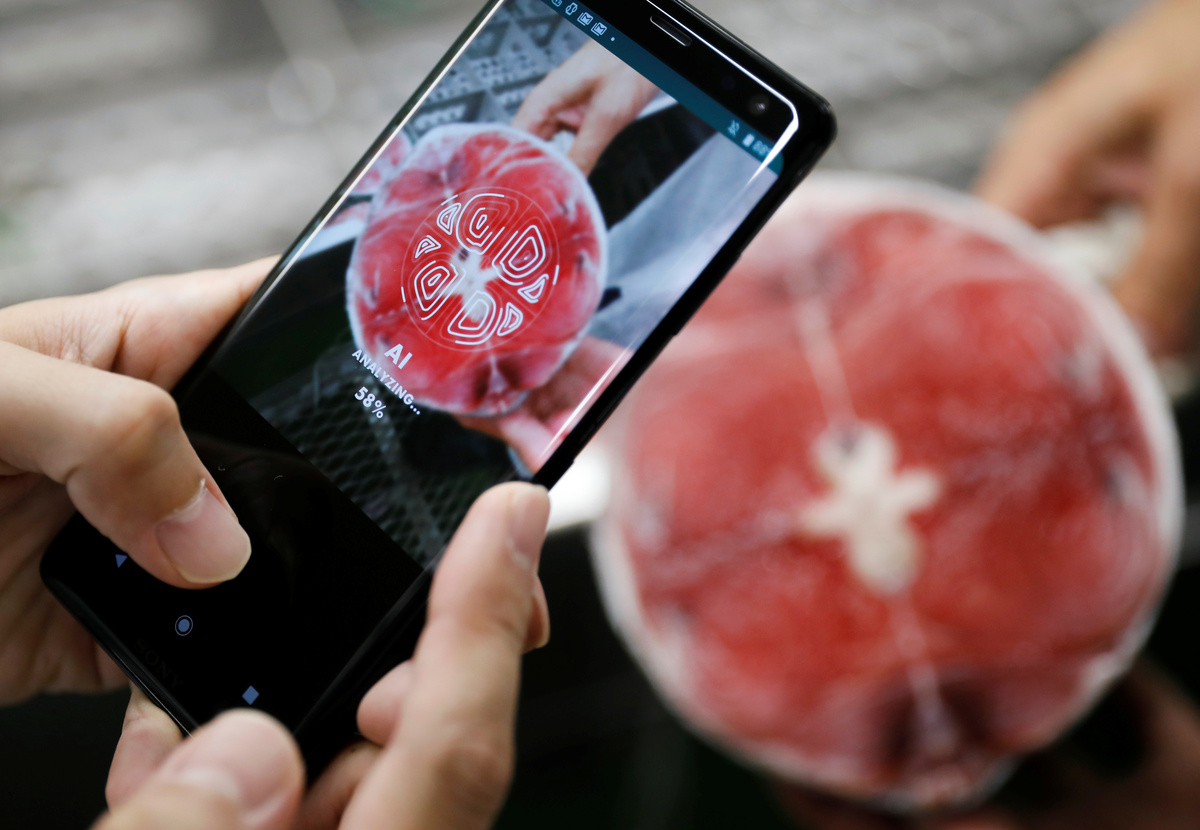
At Misaki Megumi near Tokyo, one of the merchant's buyers Shingo Ishii held a smartphone with Tuna Scope over a tray of tuna tail sections on a metal tray as other workers used industrial saws to cut up frozen tuna shipped from around the world. The AI delivered a result within a few seconds.

"I think this will become a common tool over the next 10 to 20 years," said Ishii, holding the smartphone over one of the tail sections.
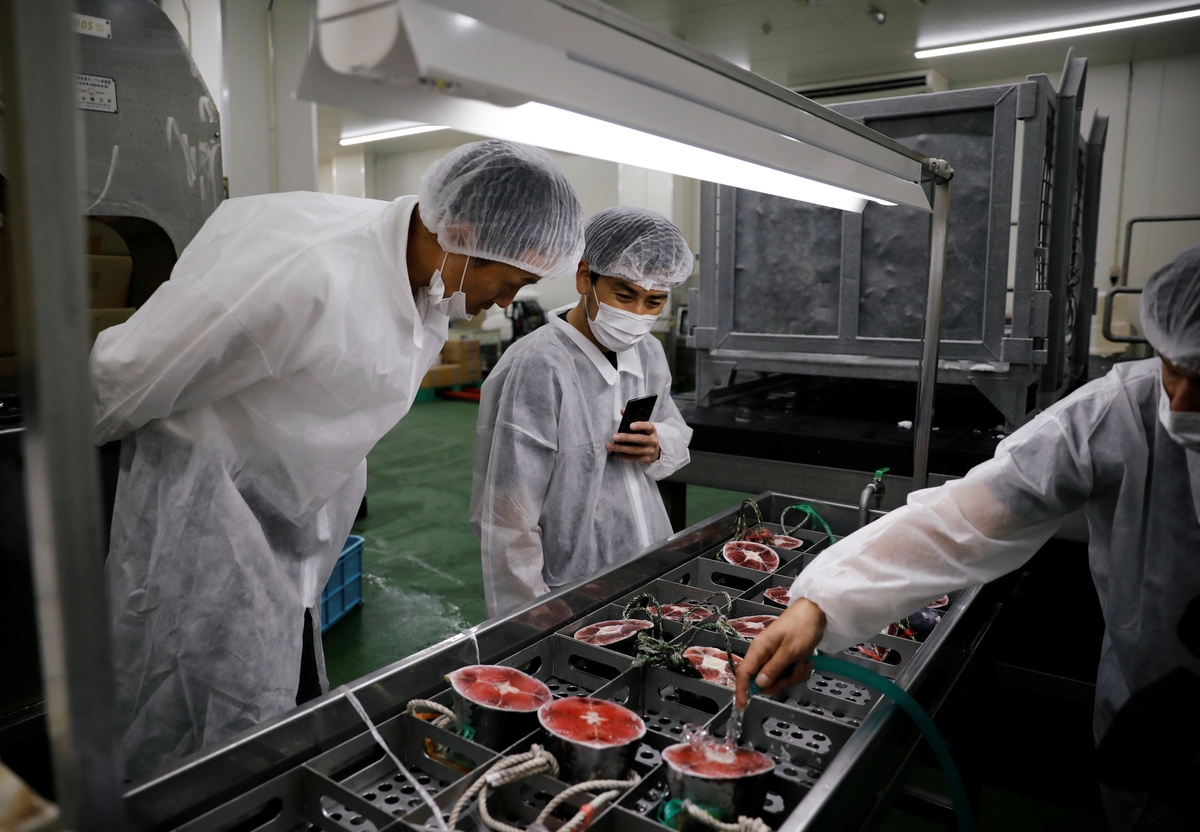
Misaki Megumi Suisan Co. President Masamitsu Ishibashi and tuna buyer Shingo Ishii, attend a demonstration of the 'Tuna Scope', an AI-based system that judges the quality of natural tuna using cross-sectional images of their tails, with Kazuhiro Shimura, a director at Dentsu Group's Future Creative Center, in Miura, south of Tokyo, Japan June 29, 2020. REUTERS/Issei Kato

Ishii admitted to mixed feelings about a technology that could make his job easier, but threatened to make a skill passed down through generations obsolete.

"To be frank, I think I can still beat the AI," he said.

(Reporting by Tim Kelly; Editing by Kenneth Maxwell)
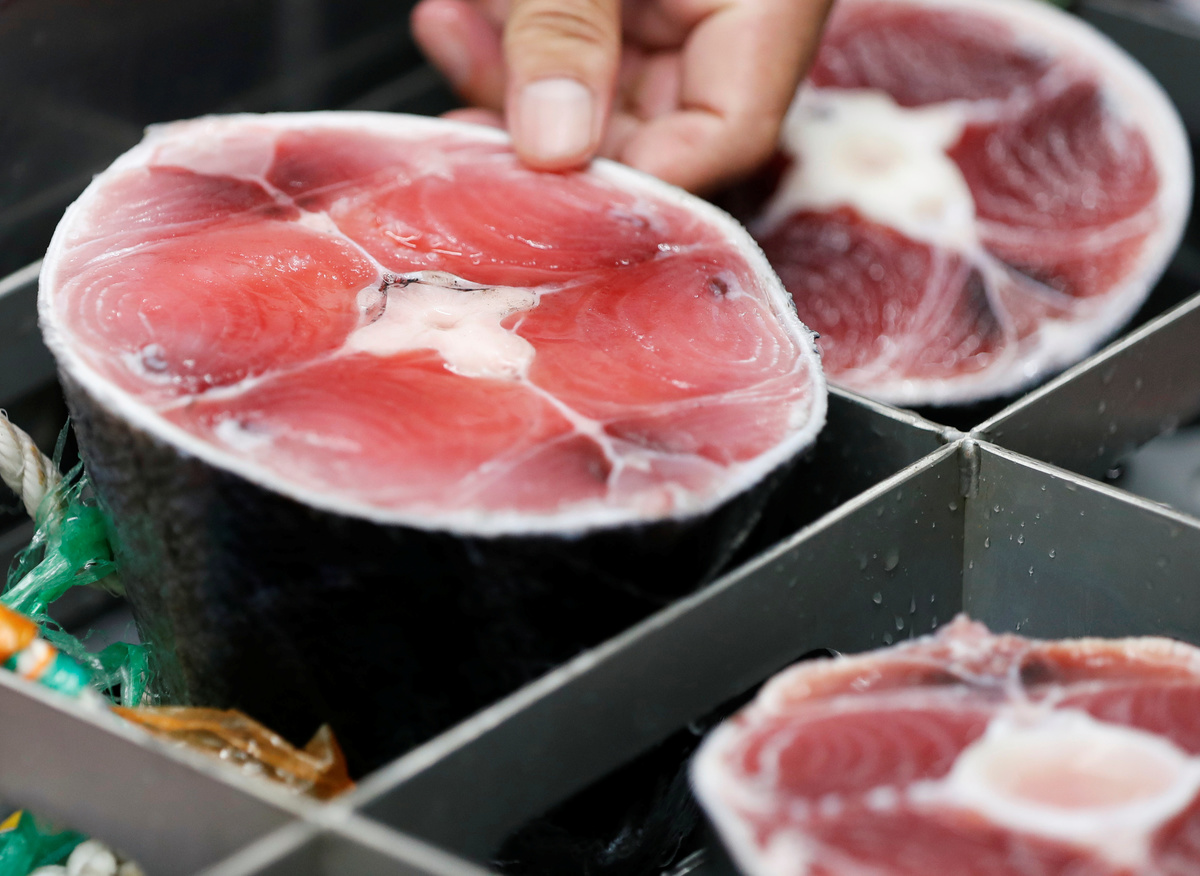
Kazuhiro Shimura, a director at Dentsu Group's Future Creative Center, touches a tail part of a tuna as he demonstrates the 'Tuna Scope', an AI-based system that judges the quality of natural tuna using cross-sectional images of their tails, at Misaki Megumi Suisan Co., in Miura, south of Tokyo, Japan June 29, 2020. REUTERS/Issei Kato
Kazuhiro Shimura, a director at Dentsu Group's Future Creative Center, demonstrates the 'Tuna Scope', an AI-based system that judges the quality of natural tuna using cross-sectional images of their tails, at Misaki Megumi Suisan Co. in Miura, south of Tokyo, Japan June 29, 2020. REUTERS/Issei Kato
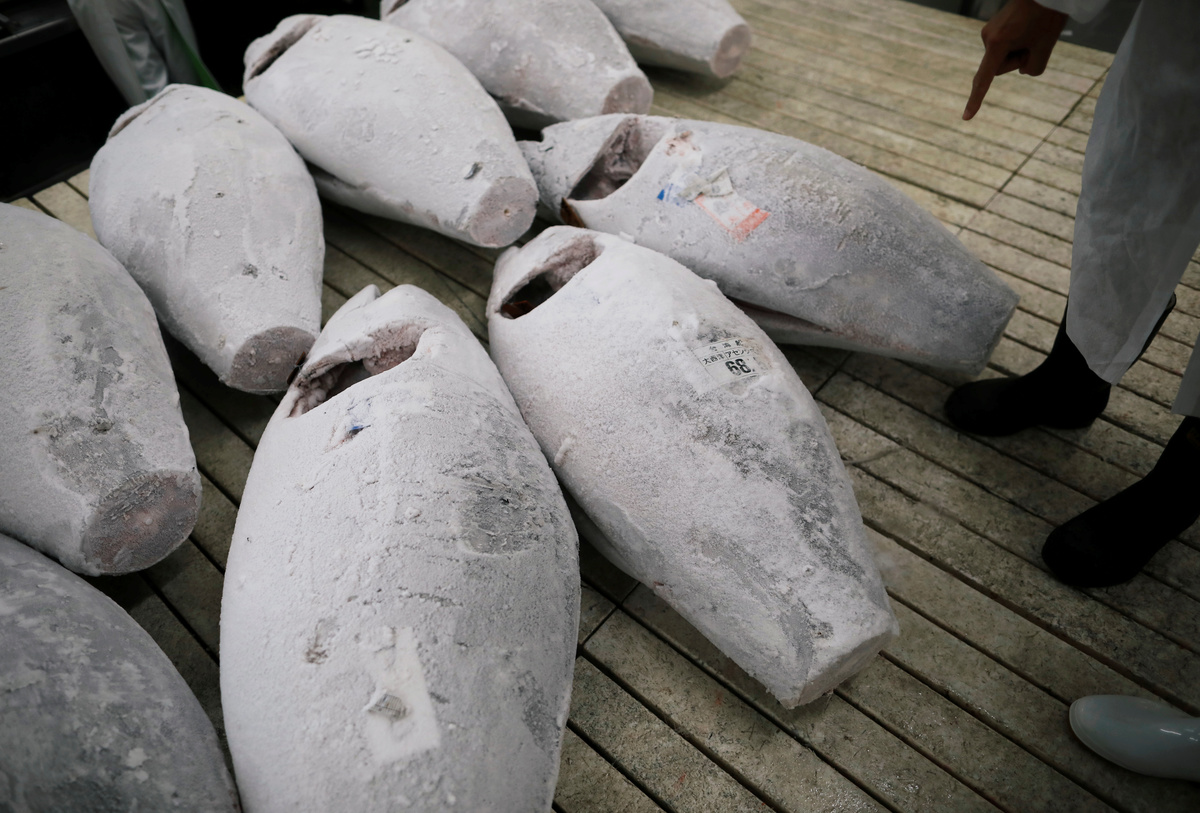
Frozen tuna are seen inside a processing room at Misaki Megumi Suisan Co. in Miura, south of Tokyo, Japan June 29, 2020. REUTERS/Issei Kato
Kazuhiro Shimura, a director at Dentsu Group's Future Creative Center, demonstrates the 'Tuna Scope', an AI-based system that judges the quality of natural tuna using cross-sectional images of their tails, at Misaki Megumi Suisan Co. in Miura, south of Tokyo, Japan June 29, 2020. REUTERS/Issei Kato
Employees of Misaki Megumi Suisan Co. process frozen tuna for shipping in Miura, south of Tokyo, Japan June 29, 2020. REUTERS/Issei Kato
Sign up to read this article
Read news from 100’s of titles, curated specifically for you.
Already a member? Sign in here
Related Stories
Top stories on inkl right now
One subscription that gives you access to news from hundreds of sites
Already a member? Sign in here
Our Picks
Fourteen days free
Download the app
One app. One membership.
100+ trusted global sources.