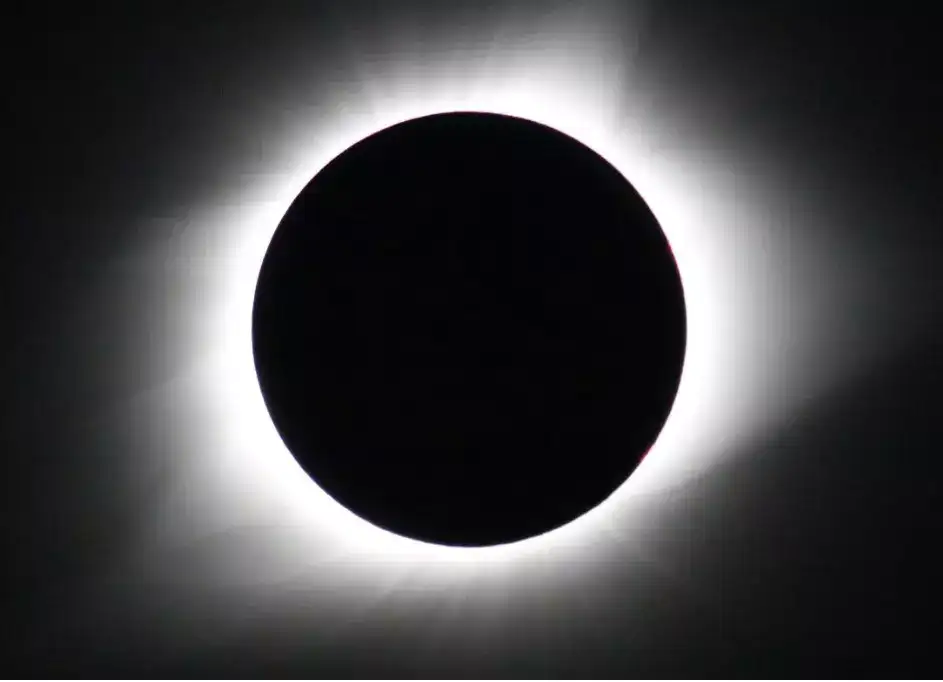
After the year's first solar and lunar eclipses, the second Surya Grahan (Solar Eclipse) is set to occur on August 12, 2026, attracting attention from eclipse chasers around the world. While the eclipse will be visible across several parts of Europe and the Arctic region, there is important news for people in India regarding its visibility and the observance of Sutak Kaal.
ALSO READ: Parama Ekadashi 2026 vrat katha, date, shubh muhurat, puja vidhi, paran timings and significance
Surya Grahan 2026 Date and Time
The second solar eclipse of 2026 will take place on:
Date: August 12, 2026
Start Time: 9:04 PM IST
End Time: 4:25 AM IST on August 13, 2026
According to traditional Hindu astrology, the eclipse will occur in the Cancer zodiac sign (Karka Rashi) and under the Ashlesha Nakshatra.
ALSO READ: Monsoon weather updates
What Type of Solar Eclipse Is It?
The August 12 event will be an annular solar eclipse. An annular eclipse occurs when the Moon passes directly between the Earth and the Sun but is too far from Earth to completely cover the Sun. As a result, a bright ring of sunlight remains visible around the Moon, creating the famous "Ring of Fire" effect.
Will the August 12 Surya Grahan Be Visible in India?
No. The annular solar eclipse on August 12, 2026, will not be visible from India. As a result, people across the country will not be able to witness the eclipse directly from their locations.
Those interested in watching the event may be able to follow live streams and coverage provided by international observatories and space agencies.
Is There Any Sutak Kaal in India?
Since the eclipse will not be visible from India, Sutak Kaal will not be applicable in the country. In Hindu tradition, Sutak Kaal is generally observed before an eclipse and is associated with certain religious restrictions. However, these rules are typically followed only when the eclipse is visible in a particular region.
Therefore:
No Sutak Kaal in India
No eclipse-related restrictions for Indian residents
Regular daily activities can continue as usual
Where Will the Solar Eclipse Be Visible?
The August 2026 annular solar eclipse is expected to be visible from several parts of the world, including:
European countries
Canada
Greenland
Iceland
Arctic regions
Northern Spain
Parts of the Atlantic Ocean
Northeastern Russia
How to Watch the Annular Solar Eclipse Safely
Anyone planning to observe the eclipse from a visible region should prioritize eye safety. Follow these safety guidelines:
Never look directly at the Sun with the naked eye.
Use certified solar viewing glasses designed for eclipse observation.
Attach approved solar filters to telescopes, binoculars, and cameras.
Choose a location with a clear and unobstructed view of the sky.
Arrive early to set up equipment and monitor the eclipse's progress.
Use proper camera settings and solar filters when photographing the event.
Surya Grahan Do's and Don'ts
In many Hindu households, solar eclipses are associated with religious practices and precautions. Common beliefs include:
Avoiding food consumption during the eclipse period.
Refraining from certain auspicious activities.
Engaging in prayers, meditation, and mantra chanting.
Taking a bath after the eclipse ends.
However, since the August 12, 2026 eclipse will not be visible in India, these customs are generally not considered mandatory for Indian observers.