The mortality rate for prostate cancer is more than 40 per cent above the national average in some parts of the Hunter, as new data shows sons of patients may be unaware of their cancer risks.
Data released by the Prostate Cancer Foundation of Australia found that Waratah and North Lambton are just 1 per cent below the national average when it comes to prostate cancer diagnosis but the mortality rate is 42 per cent higher.
In Mayfield the number of men dying from prostate cancer is 33 per cent above the national average while the diagnosis rate of male residents in Swansea/Caves Beach is 22 per cent above the Australian average and the death rate is 17 percent higher.
The data comes at the start of Prostate Cancer Awareness Month in September, with men being urged to know their risks and family history with the disease.
Having a direct family member diagnosed with prostate cancer increases a man's risk of developing the disease by 50 per cent, while having two or more close family members impacted carries a five-fold risk of diagnosis.
But the Prostate Cancer Foundation of Australia found that fewer than one per cent of calls to their Telenursing Service are from patients' sons.
Prostate Cancer Foundation of Australia CEO, Professor Jeff Dunn said the service received a "large number" of calls from daughters and spouses, but not from male relatives.
"What concerns us the most is that men with an increased risk of prostate cancer, because of their family history, are not reaching out for vital information that could save their life in the future, by enabling earlier detection," he said.
"Men whose father or brother has had prostate cancer are also at risk of developing the disease at a younger age, yet calls to our Telenursing Service from people in their 40s comprise just three per cent of calls."
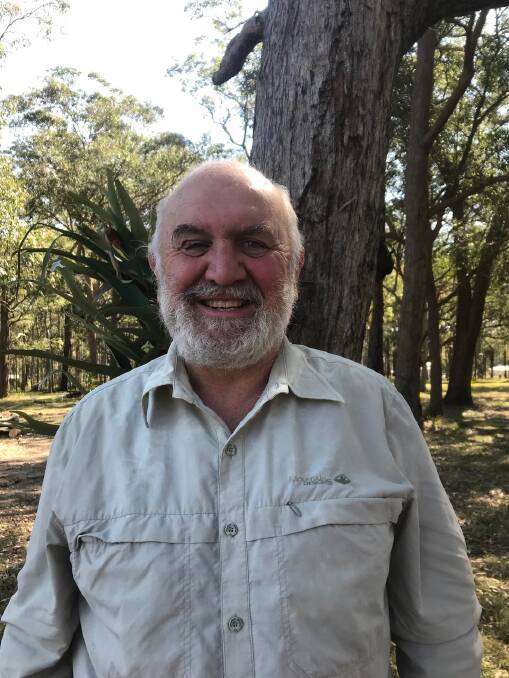
Butterwick man Brendon Young credits his wife with helping him catch the disease early on.
Mr Young had just returned from the Kokoda Trail in 2008 when his partner urged him to get a full medical as he had recently turned 50.
His doctor discovered high Prostate-Specific Antigen (PSA) levels and a biopsy confirmed Mr Young had cancer, which led to surgery to remove it.
But in 2016, he found out the cancer had returned. He went through 37 doses of radiation but after a few more years his PSA levels rose again.
Mr Young is now on hormone therapy, which has kept his levels in check.
He said the experience had opened his eyes "enormously".
"I, like most men, only went to the doctors when I had a cold," he said. "So had Margaret not pushed me to go get this medical done, I don't know where I'd be.
"Early detection is the key. If you can catch it early there's a host of things that can be done, especially now compared to 2008."