Three quarters of South West students have boycotted nightclubs over fears their drinks will be spiked, a new survey reveals.
The study by student employment start-up Stint , which began operating in Plymouth in mid-2021, also found 27% of the region’s students said they will avoid clubbing this New Years Eve due to concerns around spiking. Researchers also found that 80% of students across the UK are concerned about spiking or know someone who is.
The figures, and South West students’ reticence to visit nightclubs even when Covid restrictions allowed, is seen as a further blow for the Evening and Night Time Economy (ENTE), already reeling from the effects of Covid lockdowns and restrictions.
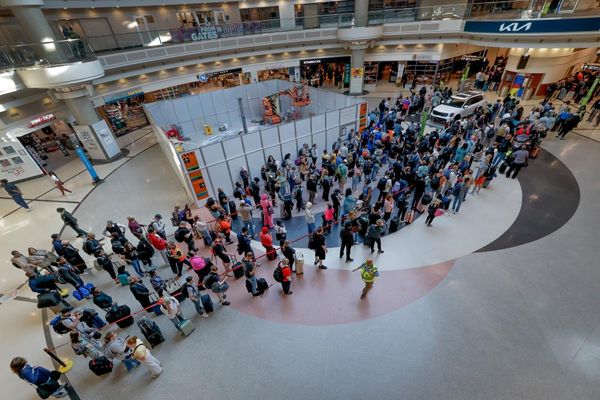
And Stint’s figures come as nightclubs around the country face the prospect of an especially difficult festive period with soaring Omicron cases and reduced footfall as customers choose Christmas over clubbing. As many as a third of clubs could close by New Years Eve due to soaring Omicron rates, Stint says.
The work app developer, which quizzed more than 1,000 students across the country, said the survey revealed 75% of students in the South West admitted to having boycotted night clubs due to spiking in the past.
Across the UK female students were more likely to say they were concerned or know someone who is concerned about spiking, with 88% saying they were concerned about spiking or knew someone who was, compared with 69% of male students. Overall, 80% of students said they were worried about spiking, or knew someone who was.
To make matters worse, the figures reveal that 27% of students intend to avoid clubbing to celebrate the New Year due to concerns about drink spiking.
Sol Schlagman, co-founder at Stint, said: “We believe university should be some of the best years of your life, and nightlife is a central part of the student experience.
“Students have the right to feel safe on a night out, and to enjoy themselves. It is worrying that so many students are concerned about spiking and are boycotting nightclubs as a result. It is essential that all students are better protected from spiking.”
These concerns amongst students come after the National Police Chief’s Council collected 274 reports of drink spiking by injection over just two months.
In response, students in more than 60 universities across the UK joined an online campaign calling for “Girls Night In” boycotts of nightclubs highlighting the issue of women’s safety.
Protests took part in the South West in towns and cities including Falmouth, Plymouth, Bath, Bristol and Cheltenham.
And with a recent YouGov survey saying one in nine women claim to have had their drinks spiked, there were reports of alleged spikings in Plymouth and Exeter.
However, when tested, some of these people turned out not to have been injected or duped into drinking liquid containing drugs that would render them defenceless.
And convictions remain rare, although in Greater Manchester a man was recently jailed for spiking a woman's drink with cocaine in nightclub and then sexually assaulting her.
Spiking a drink is illegal and the maximum sentence if found guilty is 10 years in prison. If a robbery or sexual assault has taken place, the sentence will be even higher.
The Commons Home Affairs Committee has now launched its own study into the issue and is taking evidence until January 19.
In 2019 the police and Plymouth’s Best Bar None scheme handed 300 drug testing kits to the city’s accredited venues in a trial.
Between March and June, venues were supplied with kits specifically designed to test drinks for traces of drugs commonly used to spike victims.
Police said only two drink spiking incidents were reported to them and both were found not to have involved drugs, once the liquids were tested.
Nevertheless, the issue became a national cause célèbre in the autumn of 2021 and the Stint survey reveals the fear of being spiked is very real among students.
In mid-2021 more than 400 Plymouth students signed up to use the Stint app which finds them shifts in the city’s bars and restaurants - in just a few weeks after it launched.