Research by Populus into attitudes towards public service reform, and the open public services white paper, has revealed tensions in the views of the public towards voluntary and private sector involvement in public services and sharp differences between the views of Conservative and Labour MPs.
So long as public services remain free at the point of use, the public are relaxed about private and third sector involvement: 74% say the most important thing is having high-quality free public services, not who is involved in running them; 69% agree that if a private or voluntary organisation can deliver a public service more efficiently than the state, then they should be allowed to do so; only 19% believe voluntary organisations and private contractors have no role to play in delivering frontline public services.
But Populus went beyond the public's general attitudes and tested the specific scenarios where the private or third sectors might provide public services. A recurring pattern emerged; the public's support for concrete examples of external provision of public services never reached the same levels as their principle support.
While 68% were comfortable with schools using private caterers for lunchtime catering, only 40% supported privately-run prisons or young offender institutions, and just 37% favoured outsourcing support services of Ministry of Defence (MoD) sites to private companies.
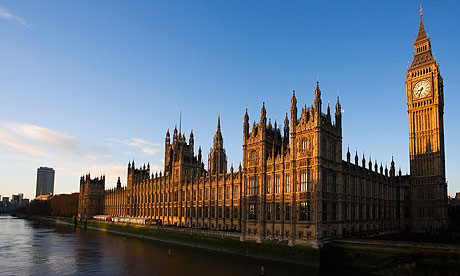
The research also revealed very sharp differences between the views of Conservative and Labour MPs. As a whole, the views of MPs on the involvement of outside bodies in public services seem in line with those of the general public: 38% of MPs have concerns about the involvement of private companies in public services compared with 40% of the public. When asked the same question about the involvement of charities and voluntary organisations, this figure fell to 16% among MPs (compared with 27%).
However these overall figures hide sharp differences between Conservative MPs and Labour MPs. Of Labour MPs interviewed, 78% said they were concerned about the involvement of private companies, but just 2% of Conservatives thought the same. Looking at the involvement of charities and voluntary organisations, none of the Conservatives we interviewed were concerned, but 35% of Labour MPs were.
This contrast in the views of Conservative and Labour MPs continued when we gave them the same six scenarios presented to the public: whereas 95% of Conservatives were comfortable with privately-provided lunchtime catering in schools, just 44% of Labour MPs were; and while more than 90% of Conservatives had no issue with contracted out meals-on-wheels services, only 31% of Labour MPs said the same.
Our research also looked at the views of a third audience – elite opinion formers drawn from the worlds of politics, business, the media, the voluntary sector and public services. They were found to be more bullish about the benefits of third and private sector provision than either MPs or the public at large. Nonetheless, these opinion formers saw the white paper as a missed opportunity and, crucially, questioned whether the public sector had sufficient expertise or experience in commissioning to actually manage increased public service provision by voluntary, charity, and private organisations. In the words of one: "The paper's vision is coherent and reasonably strong. Achieving it requires a level of commissioning skill that exists almost nowhere in the public sector, particularly when it comes to sophisticated partnerships with the voluntary sector and community groups."
A divide between the views of Conservative and Labour MPs towards the role of the third and private sectors may not be new, but the extent of the party political divide, after 13 years of a New Labour government which pioneered changes in this direction, will strike some as surprising. For those non-state organisations looking to win public permission to provide public services, the challenge is clear: they must find ways to take the public's general respect for private sector efficiency and third sector expertise in the abstract and translate this practical support on the ground.
• Populus interviewed 201 opinion formers online or by self-complete postal questionnaires between 10 November and 2 December 2011, and received 94 responses. The Populus opinion former network consists of four equally weighted categories of opinion formers: city and business; media and communications; politics and NGOs; and the public sector. Populus interviewed 107 MPs online or by self-complete postal questionnaires between 10 November and 5 December 2011. Data was weighted by political party to be representative of the parliament. Populus interviewed 2,050 adults (18+) online between 25 and 27 November 2011. Interviews were conducted across the UK and data has been weighted to be representative of all adults. Populus is a member of the British Polling Council and abides by its rules.
Laurence Stellings is a consultant at research consultancy Populus.
This content is brought to you by Guardian Professional. To join the voluntary sector network, click here.