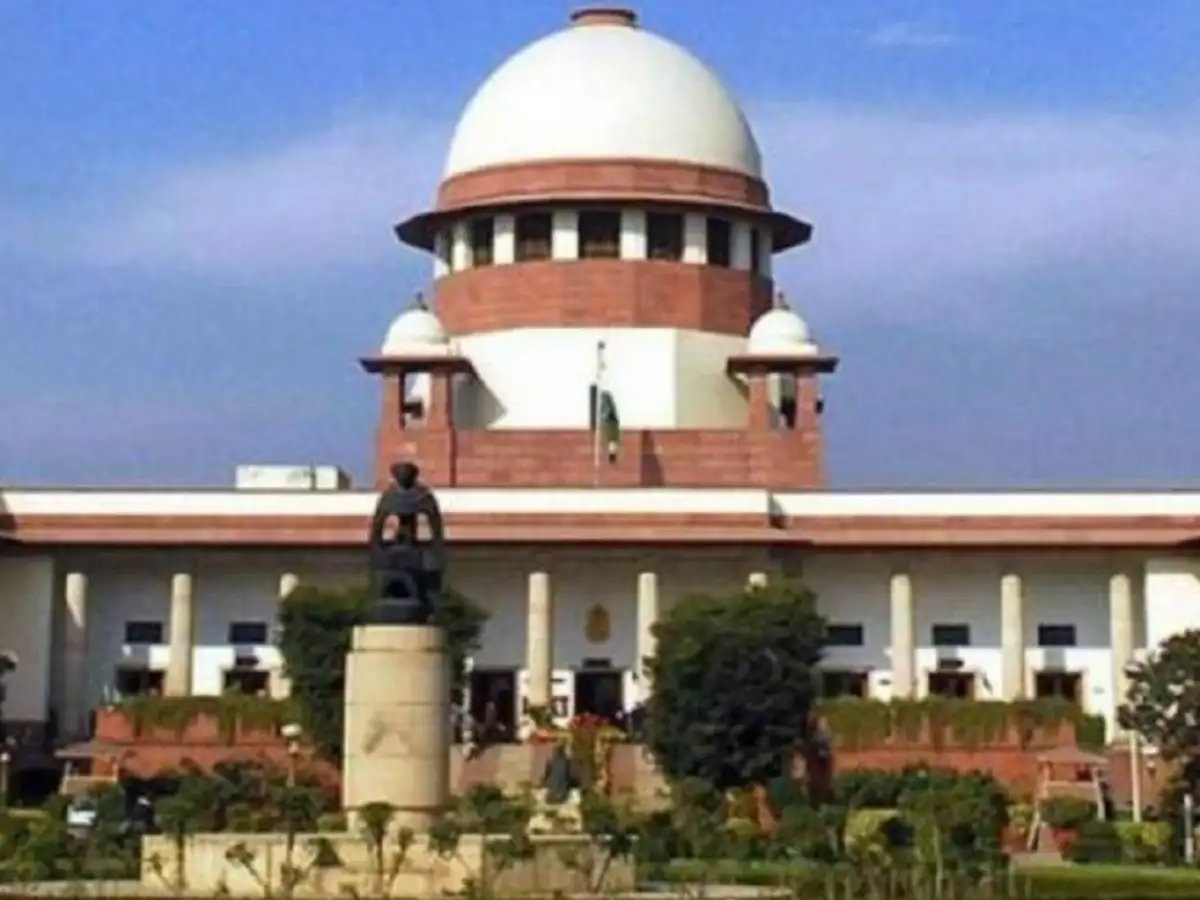
The Supreme Court of India has introduced a set of immediate administrative measures, including mandatory video-conferencing hearings for cases listed on miscellaneous days, car-pooling arrangements among judges, and partial work-from-home for Registry staff, in line with the Union government's fuel conservation directive issued in the wake of the ongoing West Asia conflict.
The measures were announced through a circular dated May 15, 2026, issued by Supreme Court Secretary General Bharat Parashar, pursuant to an Office Memorandum bearing F.No. 01-04/2022-CBC dated May 12, 2026, issued by the Department of Personnel and Training.
Also read: Aravalli row: Won't pass order in favour of mining lease holders for now, says Supreme Court
All matters listed on miscellaneous days Mondays, Fridays, or such other days as declared miscellaneous as well as matters listed during the court's partial working days, will henceforth be heard by video-conferencing only. The Registry has been directed to ensure timely dispatch of video-conferencing links, maintain stable connectivity, and provide prompt technical assistance to avoid inconvenience to judges during proceedings.
On fuel use, the circular states that the judges of the Supreme Court have unanimously resolved to encourage car-pooling arrangements among themselves.
On staffing, the circular permits up to 50% of staff in each branch or section of the Registry to work from home for up to two days per week on a rotational basis, provided that the remaining staff are present in office to ensure uninterrupted court functioning. Concerned Registrars have been directed to prepare a weekly roster before the commencement of each week.
Also read: Supreme Court questions Centre over ‘show of independence’ in Election Commission appointments
Staff permitted to work from home must remain available on telephone and be prepared to report to office at any time if required. Registrars have also been given the discretion to restrict or modify the work-from-home arrangement in branches or sections where, in their assessment, such an arrangement would not be effective given the essential nature of work.