President Donald Trump left the Supreme Court in the middle of oral arguments in a landmark case over the president’s fight to end birthright citizenship after watching the administration’s top lawyer struggle under questioning from skeptical justices.
After arguments concluded, he said the U.S. is “the only Country in the World STUPID enough” to grant citizenship at birth, despite more than 30 other countries with similar policies.
Several key justices, including three Trump appointed to the nine-member bench, appeared skeptical of the arguments from U.S. solicitor general D. John Sauer. A decision is expected by June or July.
No sitting president has attended Supreme Court arguments in the nation’s history, and Trump’s unprecedented attendance raised critical questions over his antagonistic relationship with a judiciary that has repeatedly ruled against him.
Justices will determine whether Trump can unilaterally redefine who gets to be an American citizen with the stroke of a pen, after the president signed a sweeping executive order in an attempt to deny automatic citizenship to newborns of certain immigrant parents.
That order was almost instantly challenged by states, civil rights groups and pregnant immigrants who argued the order violates the 14th Amendment and a long-held principle that nearly every person born in the U.S. is a citizen.
The case before the court is among an avalanche of legal challenges against the Trump administration as the president tests the limits of his executive actions.
Key Points
- Trump reacts to Supreme Court after leaving arguments midway through
- Key moments from today's arguments — and Trump's Supreme Court nominees
- What is birthright citizenship?
- What does Trump's executive order say?
- What happens if the court upholds Trump's order?
Sketch shows Trump leaving in the middle of oral arguments
21:19 , Alex Woodward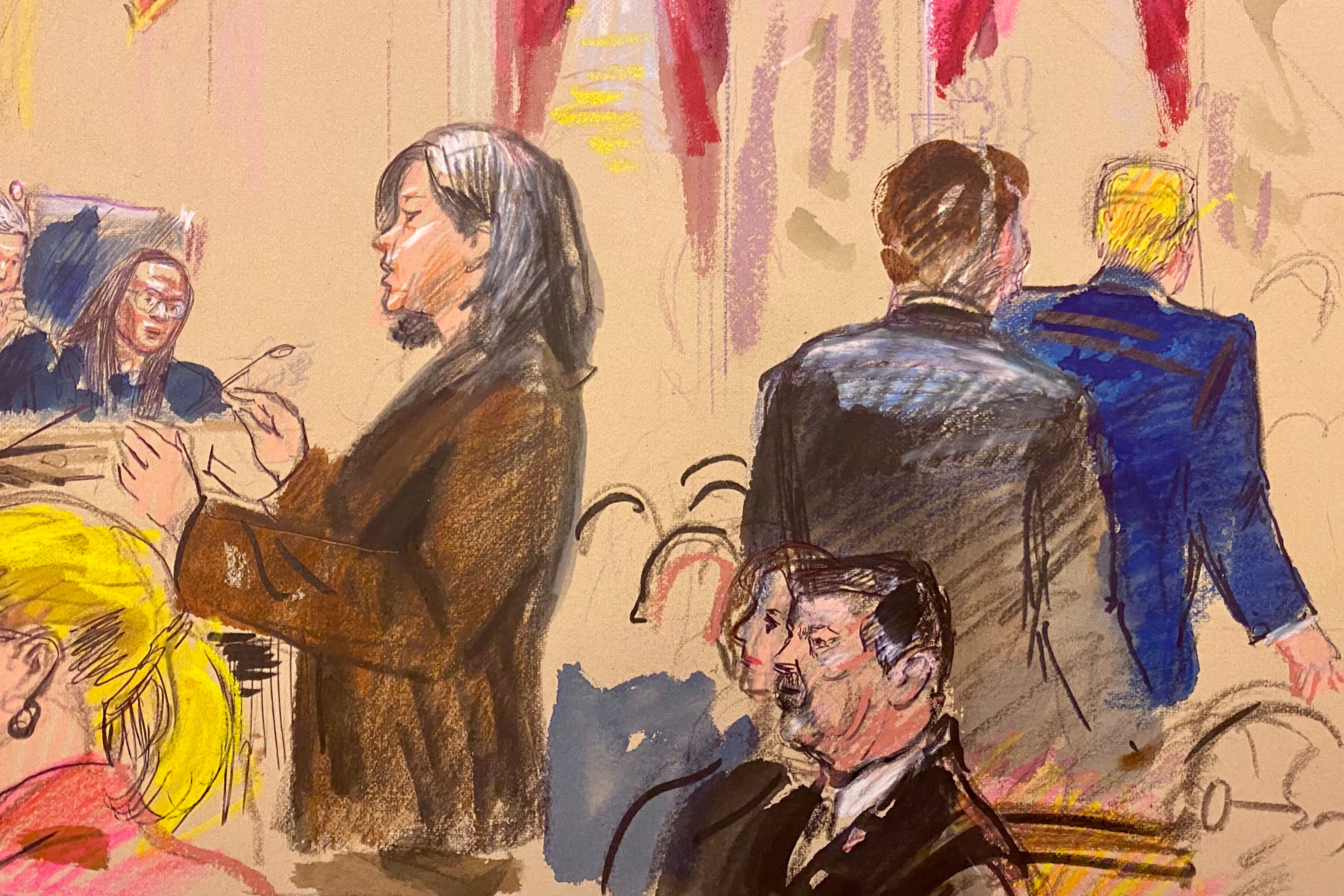
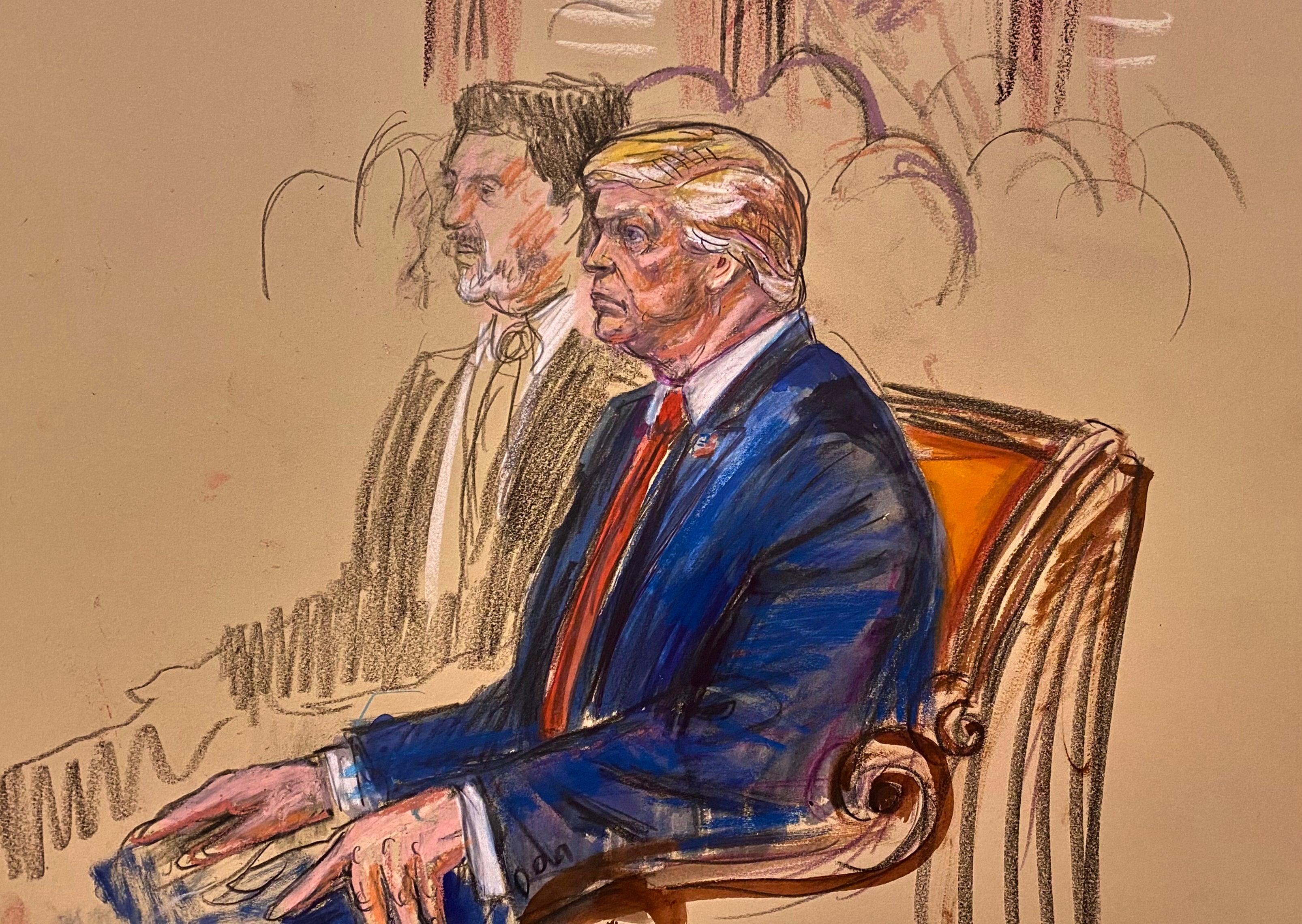
Inside the court: Sketches show Trump watching oral arguments in monumental birthright citizenship case
20:59 , Alex Woodward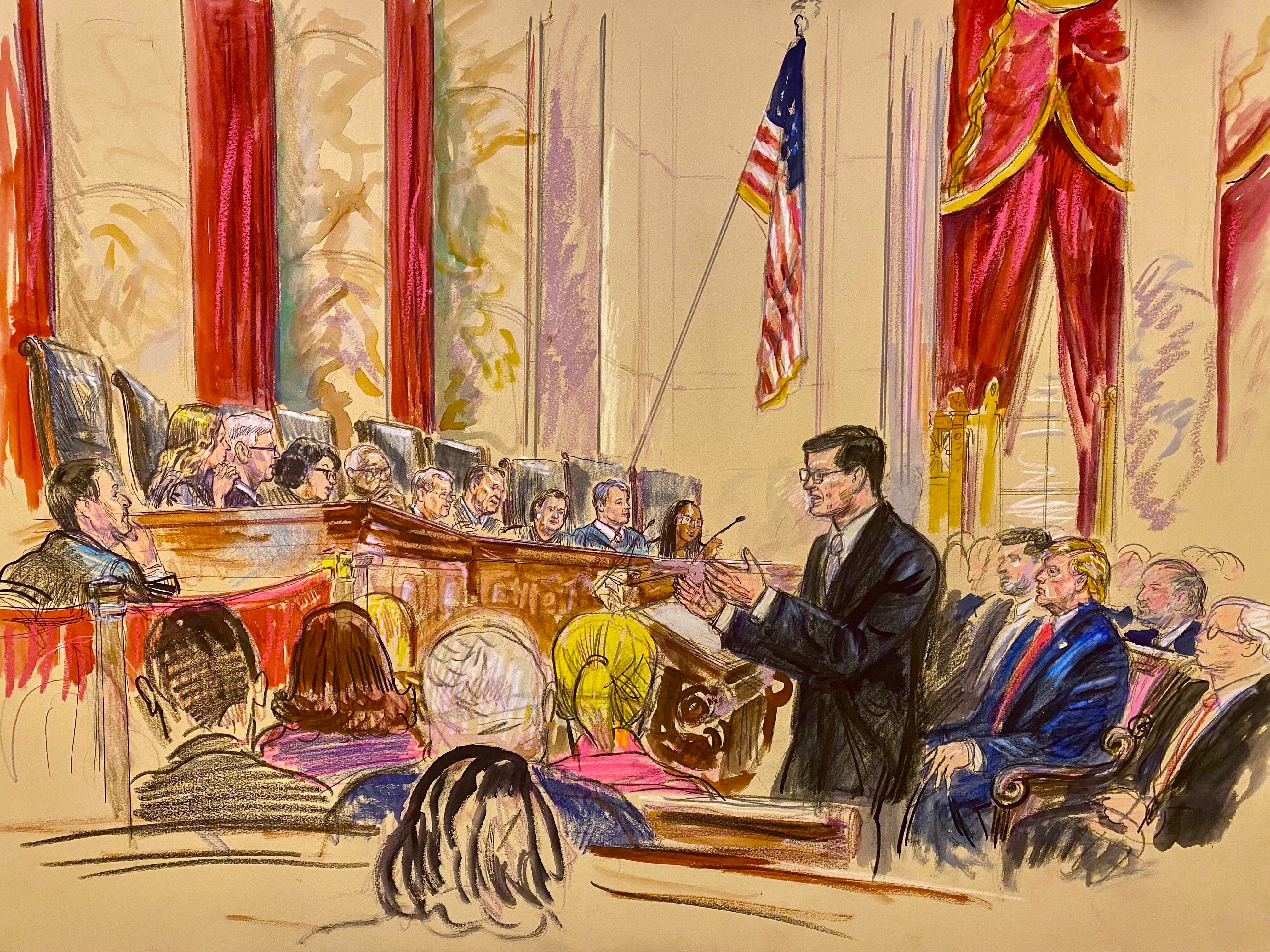
How many countries have birthright citizenship?
20:30 , Alex WoodwardAt least 32 other countries around the world, most of them in the Western Hemisphere, have birthright citizenship laws that are substantially similar to the U.S., according to a Pew Research Center analysis.
Another 50 or so countries have more limited variations of birthright citizenship, the analysis found.
Countries that similarly grant citizenship include U.S. neighbors Mexico and Canada.
Roughly 156 countries automatically confer citizenship on newborns within their territory if one or both parents are citizens, the analysis found.
Trump has repeatedly, falsely, claimed that the U.S. alone grants birthright citizenship as his administration’s tries to redefine a constitutional amendment conferring citizenship at birth.
Listen as Chief Justice John Roberts grills Trump administration
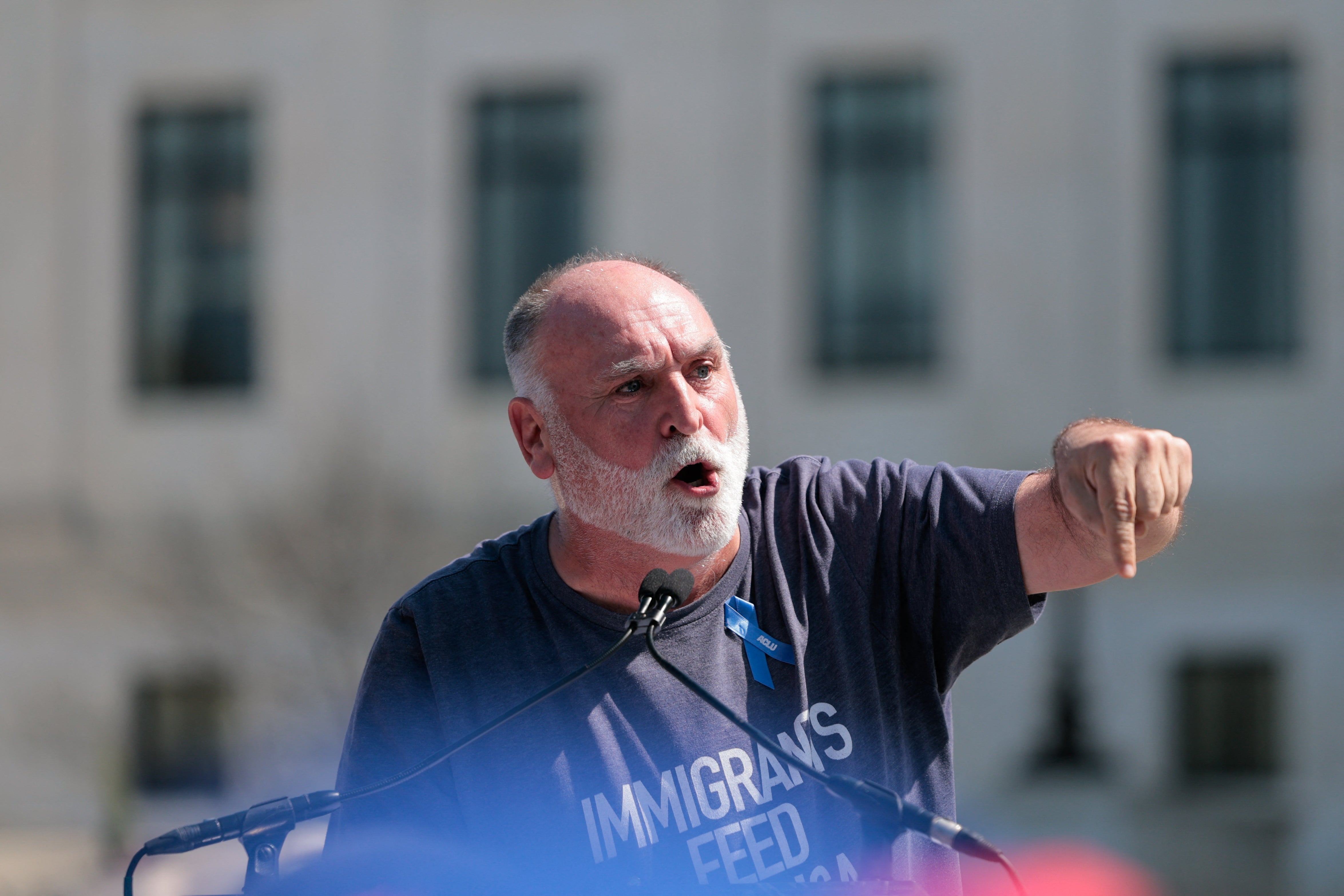
20:25 , Alex WoodwardJose Andres joins demonstrations outside Supreme Court
20:10 , Alex WoodwardChef and activist Jose Andres rallied outside the Supreme Court during oral arguments, telling demonstrators in an emotional speech that “birthright citizenship is not a loophole, it is a promise.”
“It is a promise that if you are here, you belong here. It is a promise that if you love America, America will always love you back,” he said.
What if the Supreme Court ends birthright citizenship? A logistical nightmare for all parents in the US
20:02 , Ariana BaioLegal experts and advocates alike have warned of the far-reaching implications if the Supreme Court backs Trump that would first impact immigrants and their children, increasing the population of undocumented immigrants and revoking essential healthcare from pregnant women and babies.
But it would extend to those who are already U.S. citizens, forcing people to prove their legitimacy with copies of their parents' birth certificates or risk losing access to key services.
Read more:
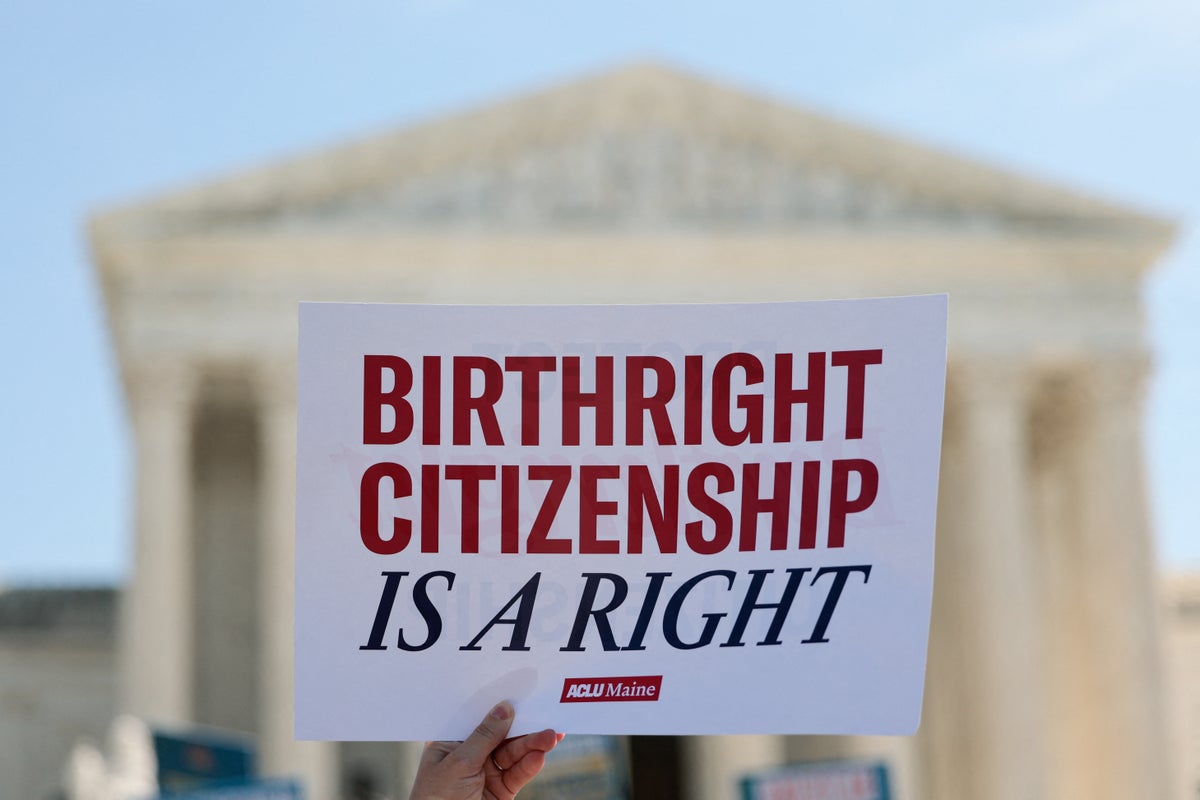
End of birthright citizenship could become a logistical nightmare for all parents
ACLU lawyer 'couldn't be more confident' after arguments, she says
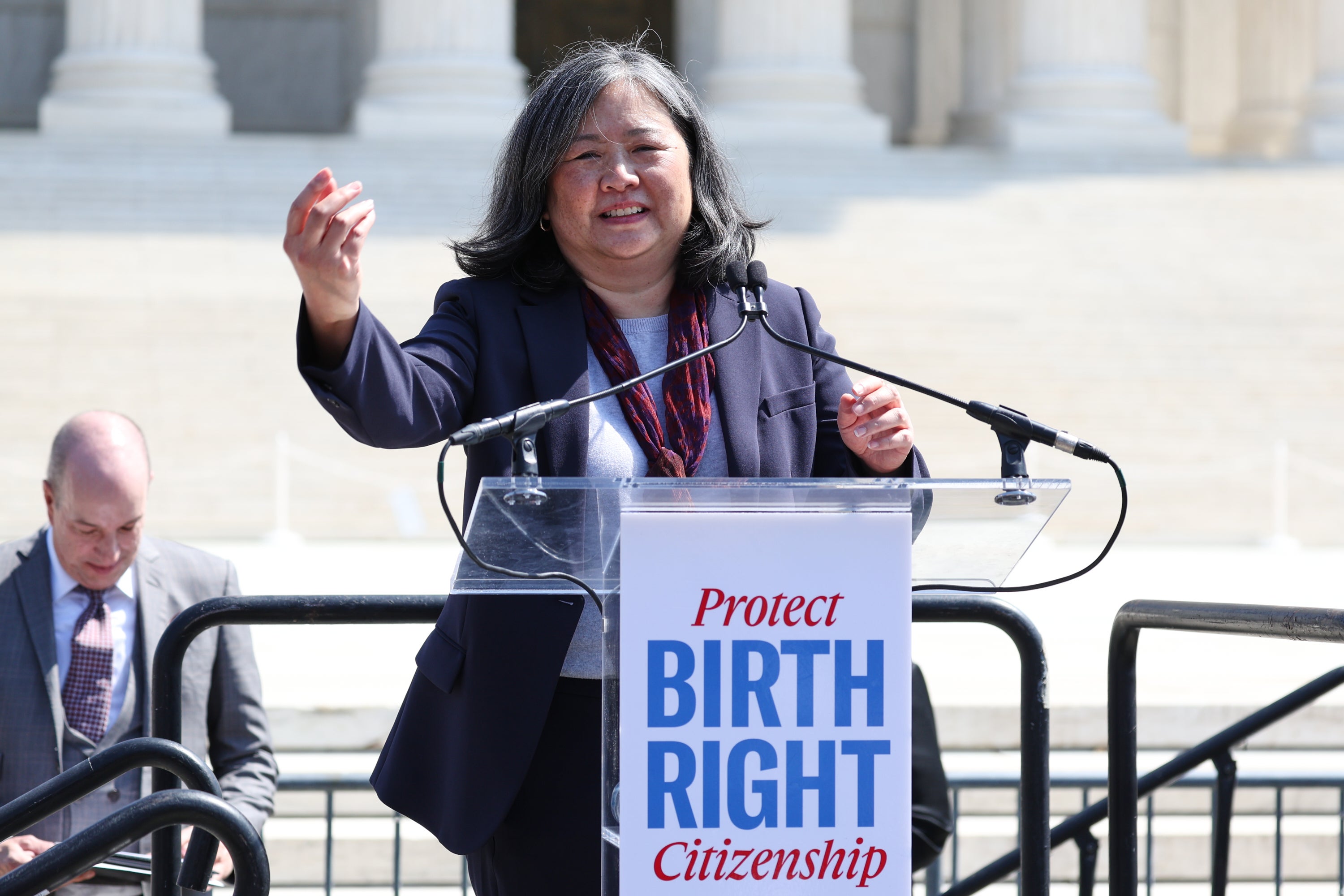
19:40 , Alex WoodwardACLU legal director Cecillia Wang, who argued against Trump’s attempt to redefine birthright citizenship, told reporters outside the Supreme Court that she left the building thinking of “my parents and so many of our parents and ancestors.”
“We couldn’t be more confident,” she said.
Where did Trump sit?
19:20 , Alex WoodwardTrump was seated in the first row of the public seats and was joined by several cabinet members, including Attorney General Pam Bondi and Commerce Secretary Howard Lutnick, according to reporters in the room.
He was initially seated at the far right side of the public seating but was later moved closer into the room.
Former Trump attorney Harmeet Dhillon, who is now the civil rights chief at the Department of Justice, said there was “literally a chair set up” for him during oral arguments.
That seat is among those “for the officers of the Court, visiting dignitaries, and include a special chair for the President of the United States,” though it does not appear that’s where he sat.
“Your separation of powers nonsense is more imitation pearl-clutching hauteur,” Dhillon said.
Key moments from today's arguments — and Trump's Supreme Court nominees
18:50 , Alex WoodwardChief Justice John Roberts struck back at solicitor general D. John Sauer’s claim that “it’s a new world” from precedent-setting Supreme Court cases on immigration and citizenship.
“It’s a new world but it’s the same Constitution,” Roberts said.
Justice Neil Gorsuch, one of three Trump nominees to the court, also seemed to stump Sauer on whether the administration’s arguments would grant Native Americans birthright citizenship under the 14th Amendment.
“I think so?” Sauer said, sounding unsure.
Gorsuch said because Sauer’s test relies on the “domicile” of the parents, why wouldn’t those children be considered citizens, he asked. Native Americans are granted citizenship under a 1924 law, not under the 14th Amendment, which Gorsuch suggested undercuts the administration’s argument.
Justice Amy Coney Barrett, another Trump appointee, said the administration’s reading of the 14th Amendment introduces “a new kind of citizenship” that she suggests is unworkable.
She cut off Sauer’s answer at one point, saying “yeah yeah yeah yeah, but what about the Constitution?”
And Justice Brett Kavanaugh noted that Congress codified the 14th Amendment’s citizenship language in 1940 and 1952 understanding their long-standing consensus of who gets to be a citizen.
He also suggested that the government’s arguments that the U.S. is somewhat unique in granting birthright citizenship isn’t relevant.
"We try to interpret American law with American precedent based on American history,” he said. “That’s certainly what I try to do ... Why should we be thinking about, ‘gee, European countries don’t have this’?”
Stephen Miller reacts to Supreme Court arguments
18:30 , Alex WoodwardStephen Miller, White House deputy chief of staff for policy and the architect of Trump’s anti-immigration agenda, invoked nativist rhetoric in response to today’s Supreme Court arguments.
“Birthright citizenship means the children of illegal aliens can vote to tax your children and seize their inheritance,” he wrote on X.
Miller was reportedly instrumental in the construction of Trump’s executive order, which would attempt to bar automatic citizenship to newborns of certain immigrant parents.
Also in attendance during today's arguments: Robert De Niro
18:04 , Alex WoodwardActor and activist Robert De Niro was among attendees at the packed Supreme Court hearing on birthright citizenship.
The president, he said, “turned up today because he wants to try to put his thumb on the scale,” De Niro told reporters after the hearing.
“If you want to try to intimidate some of the justices, three of whom he appointed to rule in his favor, I dare say that did not work,” he added.
Trump reacts to Supreme Court after leaving arguments midway through
17:32 , Alex WoodwardOn his Truth Social, after leaving oral arguments at the Supreme Court halfway through, Donald Trump falsely claimed that the United States is “the only Country in the World STUPID enough to allow ‘Birthright’ Citizenship!”
His one sentence post is then signed “President DONALD J. TRUMP.”
Thirty-two other countries around the world, most of them in the Western Hemisphere, have birthright citizenship laws that are substantially similar to the U.S., according to a Pew Research Center analysis. Another 50 or so countries have more limited variations of birthright citizenship.
White House shares photo of Trump's Supreme Court arrival
17:29 , Alex WoodwardHISTORIC: President Donald J. Trump attends U.S. Supreme Court oral arguments on birthright citizenship, the first sitting president ever to do so. pic.twitter.com/EKdtcekbBb
— The White House (@WhiteHouse) April 1, 2026
Oral arguments have ended
17:20 , Alex WoodwardOral arguments in a monumental Supreme Court case examining whether Donald Trump’s executive order to rewrite the 14th Amendment and redefine who gets to be a citizen have ended.
The justices, three of whom include Trump appointees, largely appeared skeptical of the scope and implications of Trump’s order and arguments in its defense.
A decision is expected by June or July.
Justice Jackson discusses ‘allegiance’ and ‘subject’ to the United States
17:18 , Alex WoodwardThe 14th Amendment states that “all persons born or naturalized in the United States, and subject to the jurisdiction thereof, are citizens of the United States and of the State wherein they reside.”
Justice Kentaji Brown Jackson pointed to a hypothetical example, that she would be arrested in Japan if she stole someone’s wallet, and Japan would prosecute someone if someone stole her wallet there. She would be “still locally allowing allegiance in that sense,” she said, the same way a temporary resident in the U.S. and undocumented people have “allegiance” by virtue of “just by being in the U.S.”
“Absolutely right,” Wang said.
A newborn would then owe “natural allegiance as a U.S. born citizen,” she said.
Government's evidence is 'astonishingly bad,' legal analyst says
17:03 , Ariana BaioNoah Baron, the assistant director of litigation for Asian Americans Advancing Justice, which filed an amicus brief in support of the respondents, called the government’s sources “astonishingly bad.”
“The historical evidence that the government has been relying on in oral argument today is almost entirely without merit,” Baron told The Independent.
Baron referred to the government’s citation of an 18th-century letter from Senator Lyman Trumbull to former President Andrew Johnson.
Baron said the letter “relies upon a completely baseless historical analysis. It might not even be a letter from him.”
“They’ve relied on arguments from an overt white nationalist from the 19th century, including one person who argued in favor of segregation in Plessy,” said Baron, referring to the Supreme Court’s “separate but equal” decision that legalized segregation.
“So the array of sources they have at their disposal is astonishingly bad,” he said.
Constitution's framers 'crystal clear' about 'common-law' understanding of citizenship, ACLU's Wang argues
16:57 , Alex WoodwardJustice Samuel Alito , whose birthday is today, asked a hypothetical question about a child born to an undocumented Iranian immigrant who would be “subject to a foreign power” under the 1866 Civil Rights Act.
Cecillia Wang with the ACLU stressed that “subject to” is much different than “subject of.”
“If the only test is whether that U.S.-born child is considered a citizen of another country under their [citizenship laws], then no foreign national’s children [would be granted citizenship],” she said.
She continued to argue that the constitution’s framers were “crystal clear” about creating a “universal common-law rule of citizenship.”
The court cannot take the Trump administration's policy goals into consideration to “re-engineer and radically re-interpret the 14th Amendment,” Wang said.
Gorsuch asks how US managed 'mess' after Wong Kim Ark
16:45 , Alex WoodwardGorsuch questions how the ACLU is squaring arguments against the opinions in Elk v Wilkins and United States v Wong Kim Ark — both written by the same justice, Horace Gray.
In 1884’s Elk, the Supreme Court ruled that a man born in the United States on an Indian reservation was not a citizen because he was not “subject to the jurisdiction” of the United States. Congress later enacted the Indian Citizenship Act of 1924 that establishes citizenship for Native Americans previously excluded by the Constitution.
And in Ark in 1898, the court determined that a child born to Chinese parents became “at the time of his birth a citizen of the United States by virtue of the first clause” of the 14th Amendment.
“Trying to understand how the legal community understood what happened in Wong Kim Ark. It seems to me it’s a mess. Maybe you can persuade me otherwise,” Gorsuch asked the ACLU’s Wang.
Trump leaves Supreme Court after justices grill solicitor general
16:31 , Andrew FeinbergDonald Trump may have wanted to look the Supreme Court in the eye as justices heard arguments over his attempt to limit birthright citizenship, but he clearly had no interest in hearing what the attorney opposing his executive order had to say.
The president left the Supreme Court chamber just as Solicitor General John Sauer — his former personal attorney — was finishing his presentation before the high court.
Cecillia Wang for the ACLU is up now
16:18 , Alex WoodwardCecillia Wang, national legal director for the ACLU, argues that Sauer’s admission that the Trump administration is not trying to overturn Wong Kim Ark is “fatal” to the government’s arguments.
“That is a fatal concession,” she said.
Justice Amy Coney Barrett quizzes Sauer on practical applications of upending 14th Amendment
16:11 , Alex WoodwardJustice Amy Coney Barrett, the third of Trump’s appointees to the Supreme Court, says the administration’s reading of the 14th Amendment introduces “a new kind of citizenship” that she suggests is unworkable.
What would the government do about “foundlings” whose parents aren’t known, she asked.
She cut off Sauer’s answer, saying “yeah yeah yeah yeah, but what about the Constitution?”
She also asked him to square the administration’s arguments with common-law understandings of “jus soli” (when one is born) and “jus sanguinis” (to whom one is born) that were very much understood by 1868 when Civil Rights Act amendments were established.
If the founders meant only a “jus sanguinis” argument to determine citizenship, why didn’t they say that, she asked.
Kavanaugh appears skeptical of Trump administration arguments
16:00 , Alex WoodwardJustice Brett Kavanaugh, another Trump appointee, sounded skeptical of the Trump administration’s arguments, noting that the 14th Amendment’s “subject to the jurisdiction thereof” language is distinct from the language of the Civil Rights Act 1866, which notes “all persons born in the United States and not subject to a foreign power.”
“Those texts are on their face different,” he said. “Why didn’t they say the same thing?”
Given the precedent in Wong Kim Ark, “one might have expected Congress to use a different phrase” if it wanted to disagree,” Kavanaugh said.
He also suggested that the government’s arguments that the U.S. is unique in granting birthright citizenship isn’t relevant.
"We try to interpret American law with American precedent based on American history,” he said. “That’s certainly what I try to do ... Why should we be thinking about, ‘gee, European countries don’t have this?’”
Sauer says Native American newborns would likely have birthright citizenship under his test
15:53 , Alex WoodwardJustice Gorsuch asked Sauer whether he believed Native Americans born today would have birthright citizenship under his test.
“I think so?” Sauer said, sounding unsure.
Gorsuch said Sauer’s test relies on the domicile of the parents, so why wouldn’t they be considered citizens, he asked.
“I think so, in our test. I’d have to think that through,” Sauer said.
Kagan says Trump administration taking 'revisionist' approach to long-held precedent
15:44 , Alex Woodward“The position you’re taking now is a revisionist one to a substantial part of our history,” Justice Kagan told Sauer.
Sauer argues that the landmark decision in Wong Kim Ark repeatedly mentions “domicile” as decisive factor to determine who can be a citizen.
“It’s a long opinion. It says a lot of things,” Kagan said. “But the rationale of the case is quite clear.”
Roberts says 'birth tourism' argument has nothing to do with case before them
15:36 , Alex WoodwardRoberts, questioning Sauer about “birth tourism” claims, asked Sauer whether he agreed “that has no impact to the legal case before us.”
Sauer said “it’s a new world” and billions of people are a “plane-ride away” from being citizens.
“It’s a new world but it’s the same Constitution,” Roberts said.
Justice Ketanji Brown Jackson questions 'domicile' arguments
15:34 , Alex WoodwardJustice Ketanji Brown Jackson said she is “struggling to figure out who is domiciled in your argument.
Sauer has argued that it means people who are “lawfully present and intend to remain permanently.”
“If that’s so then doesn’t it make domicile for the purpose of the 14th Amendment to turn on Congress’s will?” Jackson said.
She suggested that framers added the citizenship clause in the Constitution in an effort to “prevent future congresses to affect citizenship in this way.”
Gorsuch presses Sauer on 'domicile' tests
15:28 , Alex WoodwardJustice Neil Gorsuch, the first of Trump’s three Supreme Court nominees to question Sauer today, immediately sounded skeptical of the administration’s arguments.
He suggested that the 1898 decision in Wong Kim Ark sets a precedent against Trump’s executive order after Sauer invoked that decision.
“I don’t think you want to do that,” Gorsuch said.
He said Sauer was asking the court to look back decades earlier, to 1868, for the “domicile” test to determine citizenship, and “Roman law sources you’re pointing to,” Gorsuch said.
Sauer argues for 'domicile'-based citizenship
15:26 , Alex WoodwardSauer is arguing that 14th Amendment’s citizenship requires “domicile-based allegiance,” which is not mentioned in the Constitution.
“Illegal immigration didn’t exist then but temporary visitors did,” he said.
“The text of the clause does not support you,” Justice Kagan said. “You’re looking for some more technical meaning.”
Chief Justice John Roberts questions 'quirky' arguments
15:16 , Alex WoodwardChief Justice John Roberts appeared skeptical of the government’s “quirky” arguments, pointing to its “tiny and idiosyncratic examples.”
Trump administration begins oral arguments
15:09 , Alex WoodwardU.S. solicitor general D. John Sauer has opened arguments, claiming that the 14th Amendment “does not extend citizenship to temporary visa holders and illegal aliens.”
He said “unrestricted birthright citizenship ... demeans” American citizenship and “rewards illegal aliens” that have “spawned an industry of birth tourism.”
Trump's presence is first known instance of a sitting president watching SCOTUS oral arguments
15:00 , Andrew FeinbergTrump's visit to the Supreme Court is the first known instance of a sitting president attending oral arguments at the high court as a spectator.
Eight of his predecessors — John Quincy Adams, James Polk, Abraham Lincoln, James Garfield, Grover Cleveland, Benjamin Harrison, William Howard Taft, and Richard Nixon — have argued cases before the high court.
Taft, who served as the 27th President of the United States from 1909 to 1913, later returned to the court after he was nominated to as Chief Justice of the United States by President Warren Harding. He served in that role from 1921 until his death in 1930.
His time as chief justice fulfilled a lifelong ambition to serve on the high court, leading him to remark: "The truth is that in my present life I don't remember that I ever was president."
If the court upholds Trump's order, what happens?
14:59 , Alex WoodwardIf the Supreme Court sides with Trump, more than 250,000 babies born in the U.S. each year would be denied citizenship, according to the Migration Policy Institute and Pennsylvania State University’s Population Research Institute.
But the order would throw the process of having a child deeper into chaos, with additional hurdles beyond merely having a birth certificate to be granted rights as an American citizen.
If justices find that Trump’s order violates federal law that dates back to 1940, but not the 14th Amendment, it would be a victory for the plaintiffs but an “incomplete and unstable one” that could “invite future executive or congressional attempts to restrict birthright citizenship,” according to Arthi Kohli, executive director of the Asian Law Caucus.
The ACLU is optimistic for a victory on either constitutional or statutory grounds.
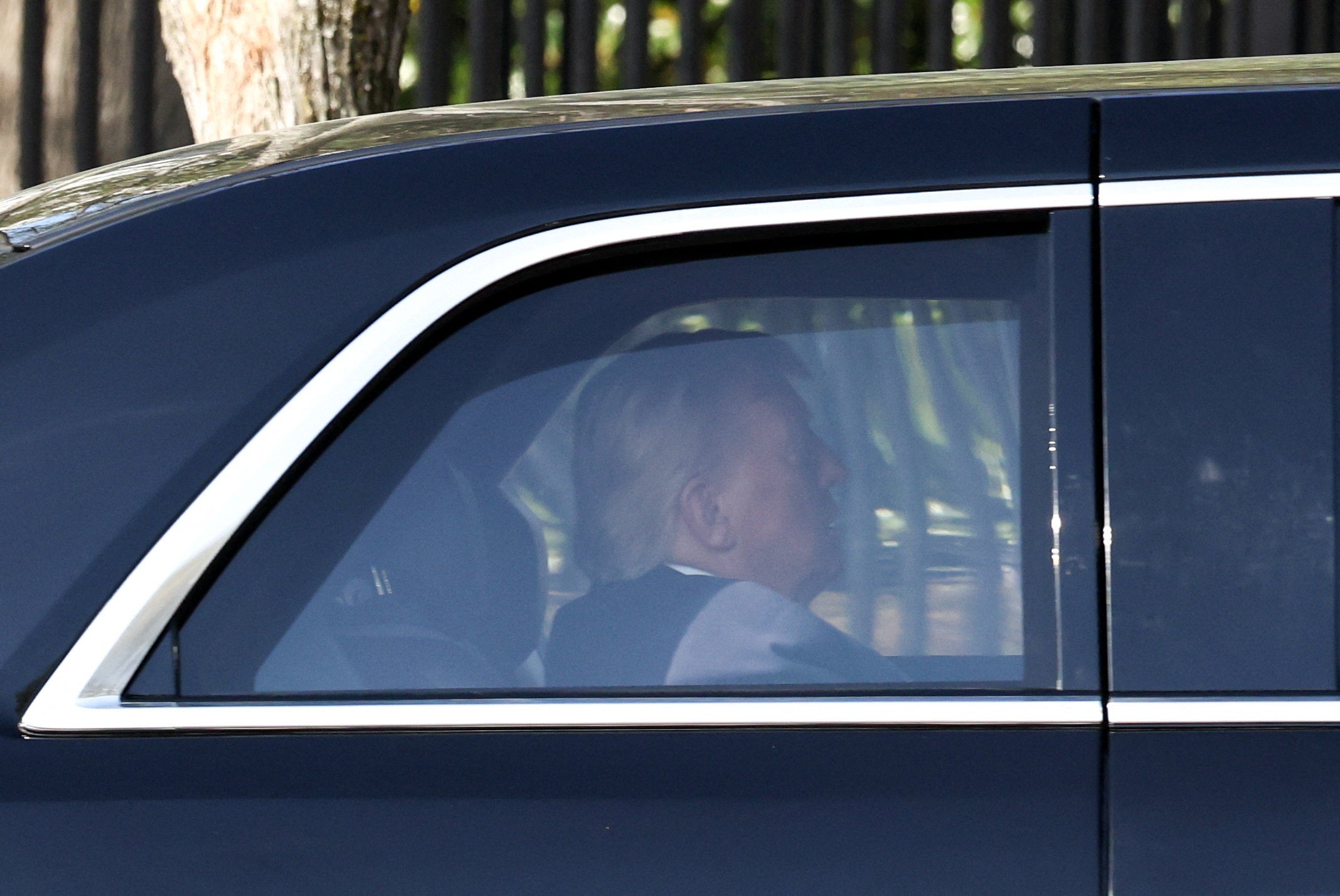
Trump arrives at Supreme Court with Pam Bondi
14:41 , Alex WoodwardAttorney General Pam Bondi was spotted with Donald Trump as the presidential motorcade left the White House for the Supreme Court.
The president made his way to the court shortly after 9:30 a.m. and entered at roughly 9:40 a.m.
The motorcade passed by several school groups touring the National Mall, “with one man saluting us with the double bird,” according to the White House press pool.
Oral arguments are scheduled to begin at 10 a.m.
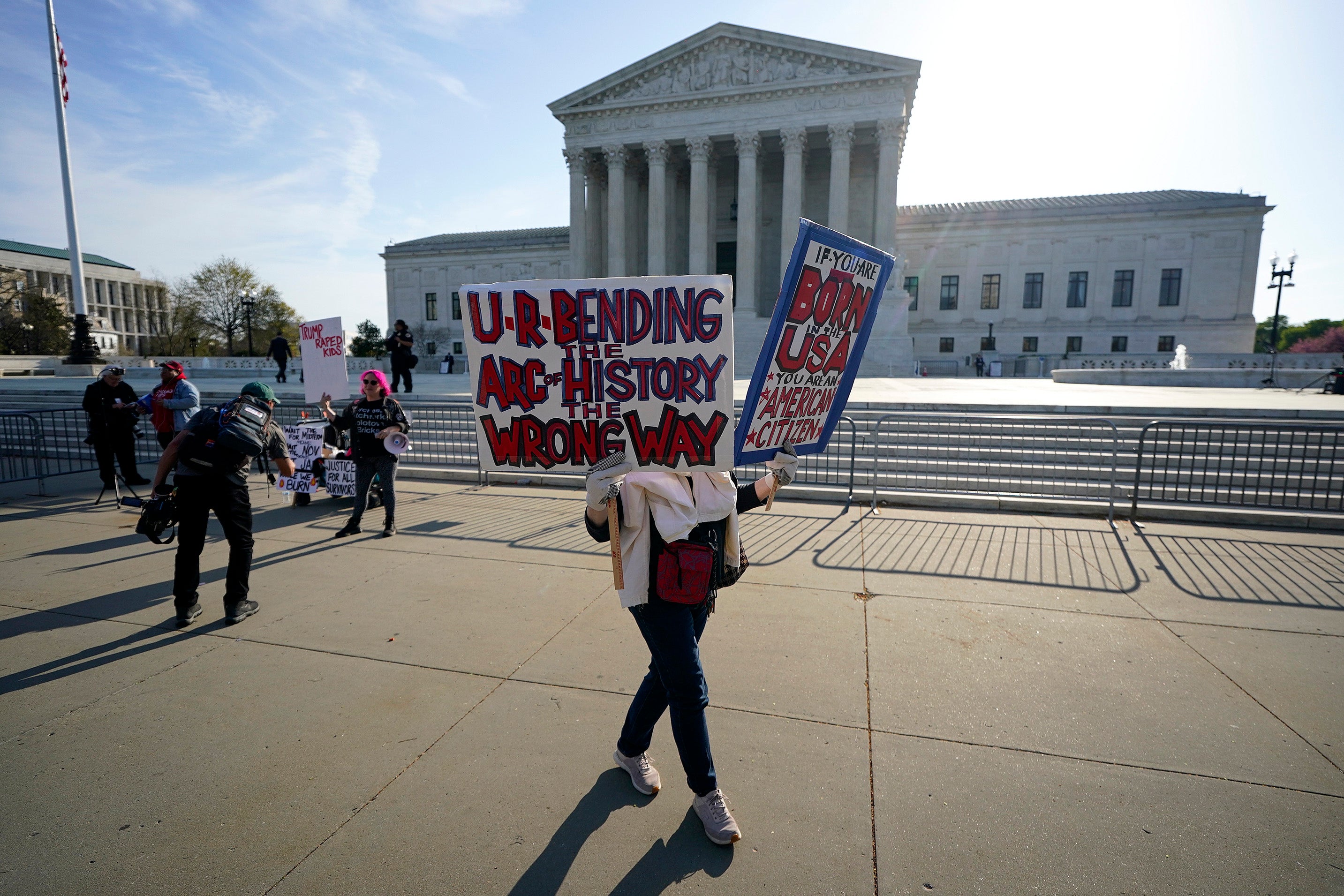
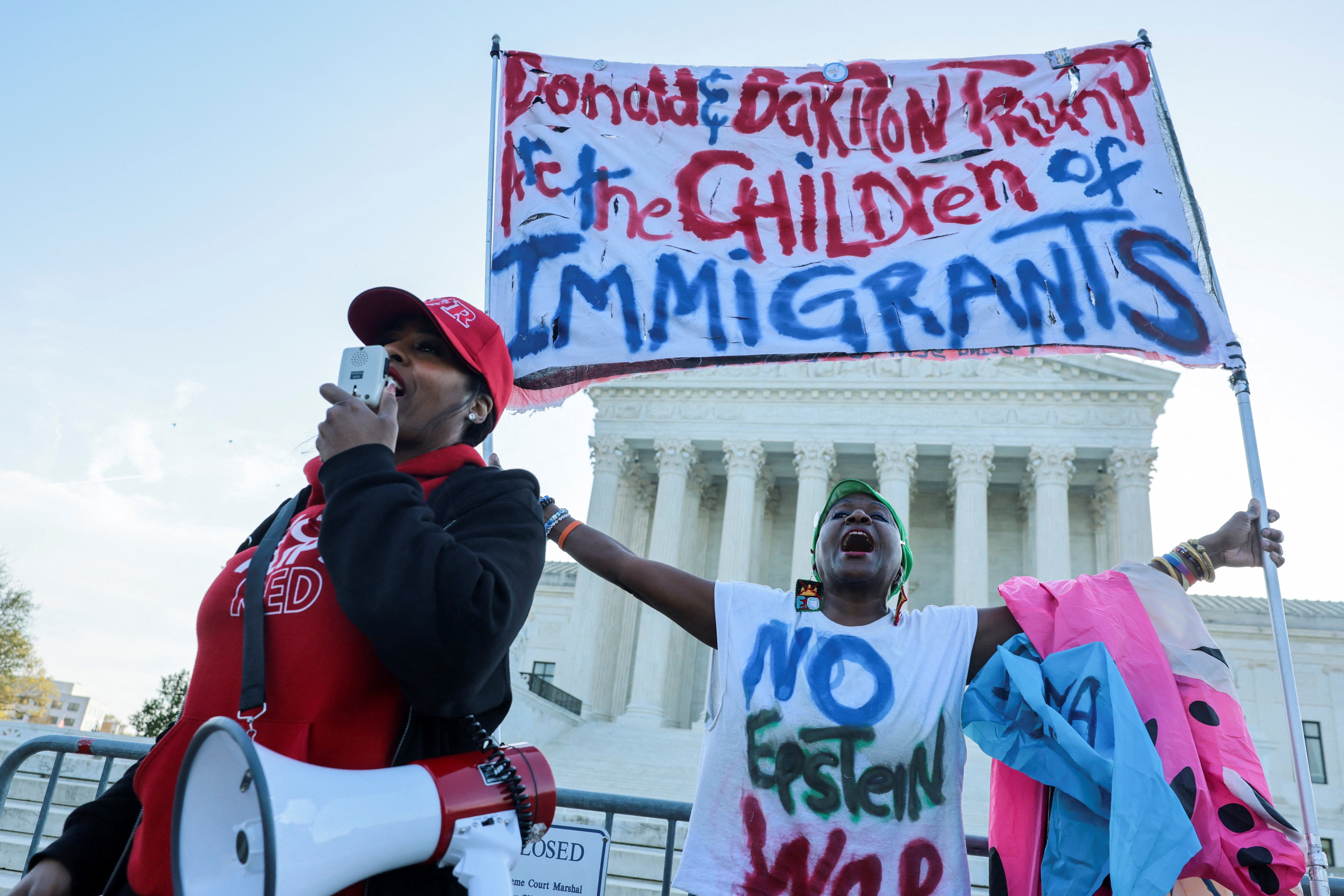
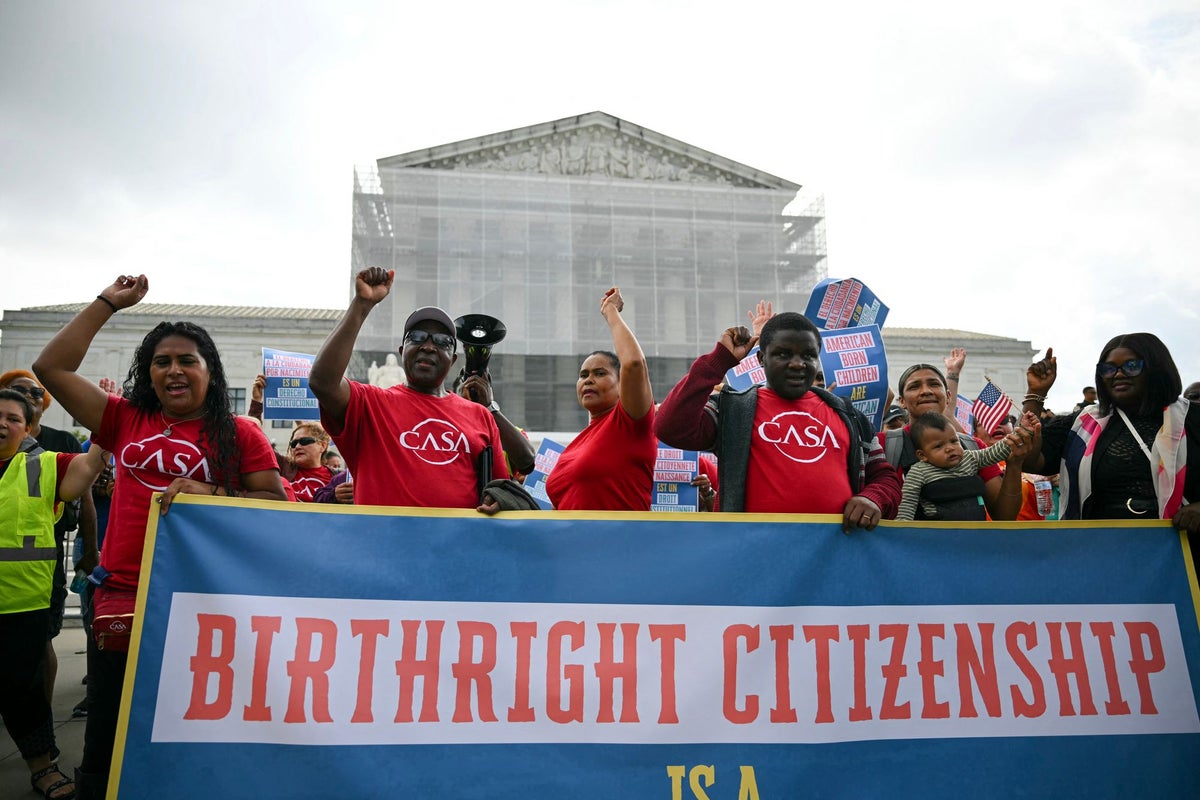
Protesters demonstrate at Supreme Court steps before Trump's arrival
14:35 , Alex Woodward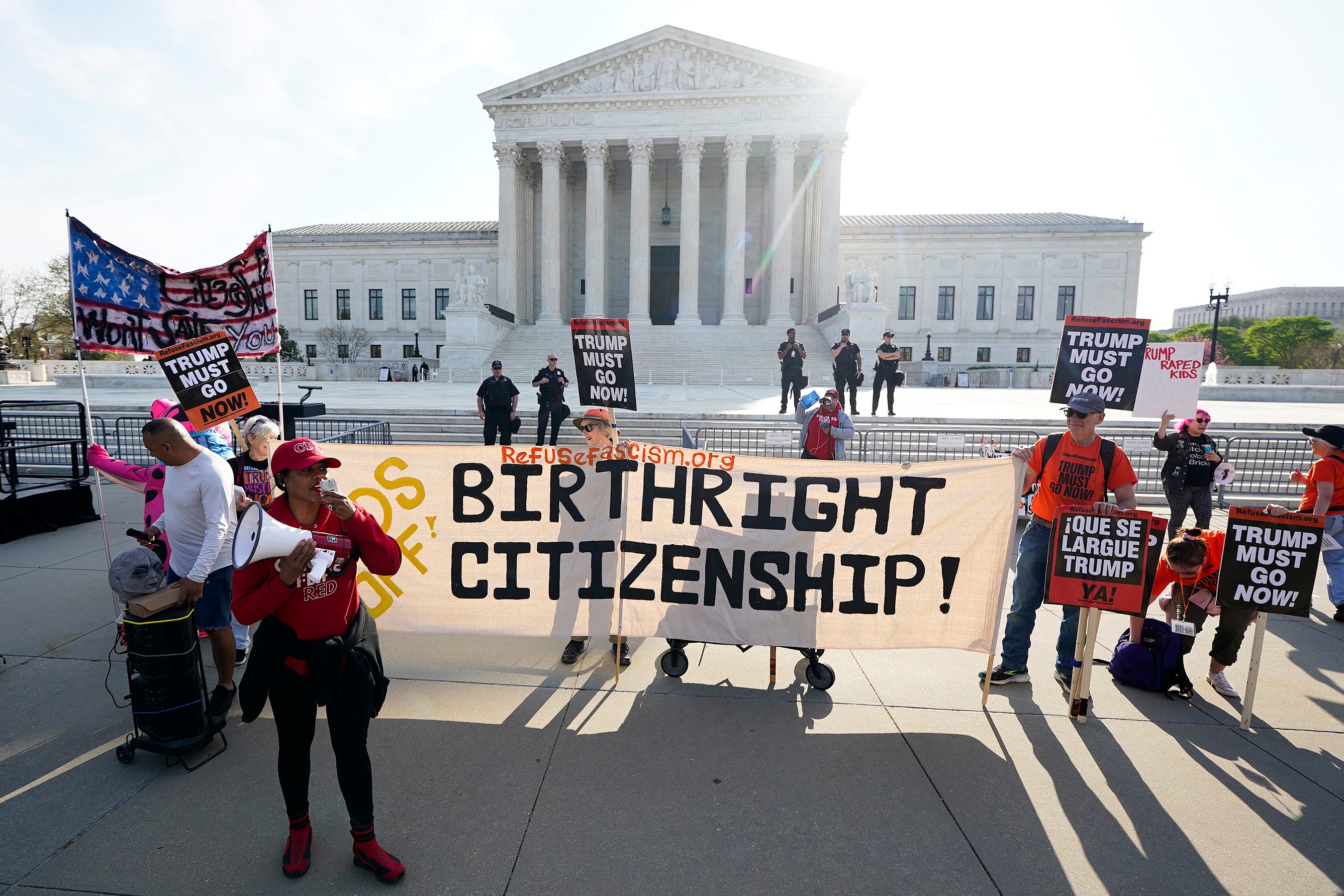
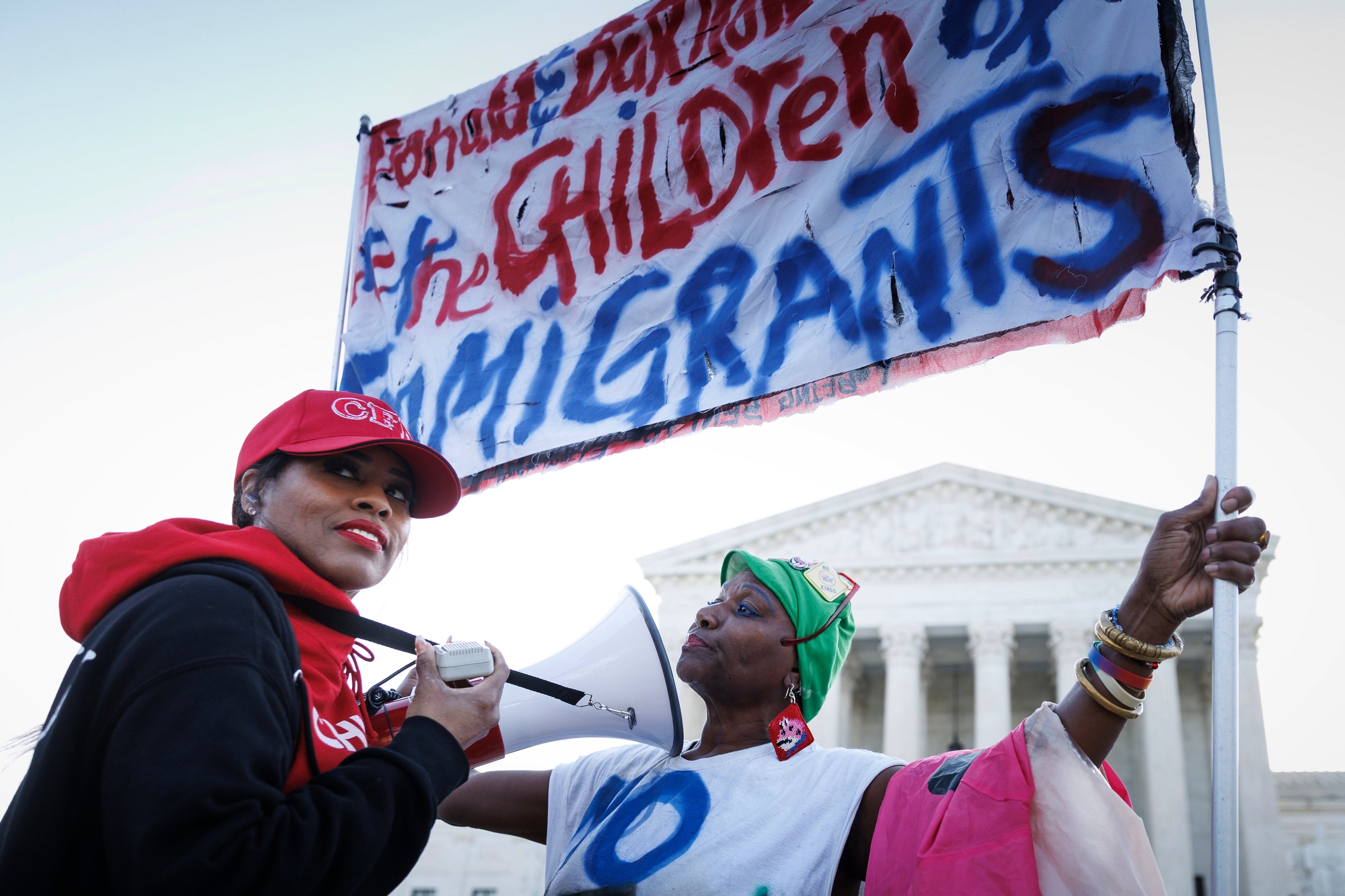
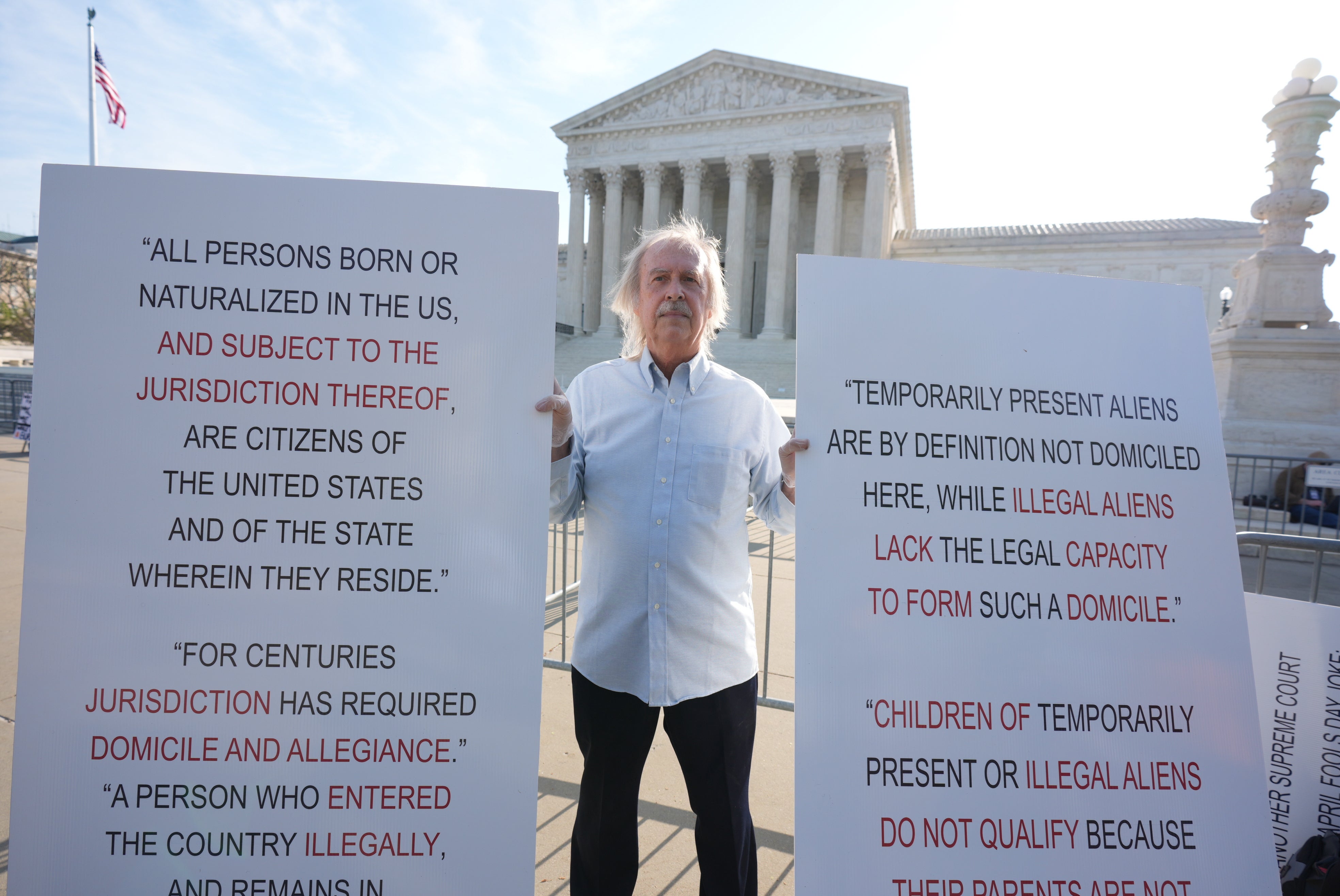
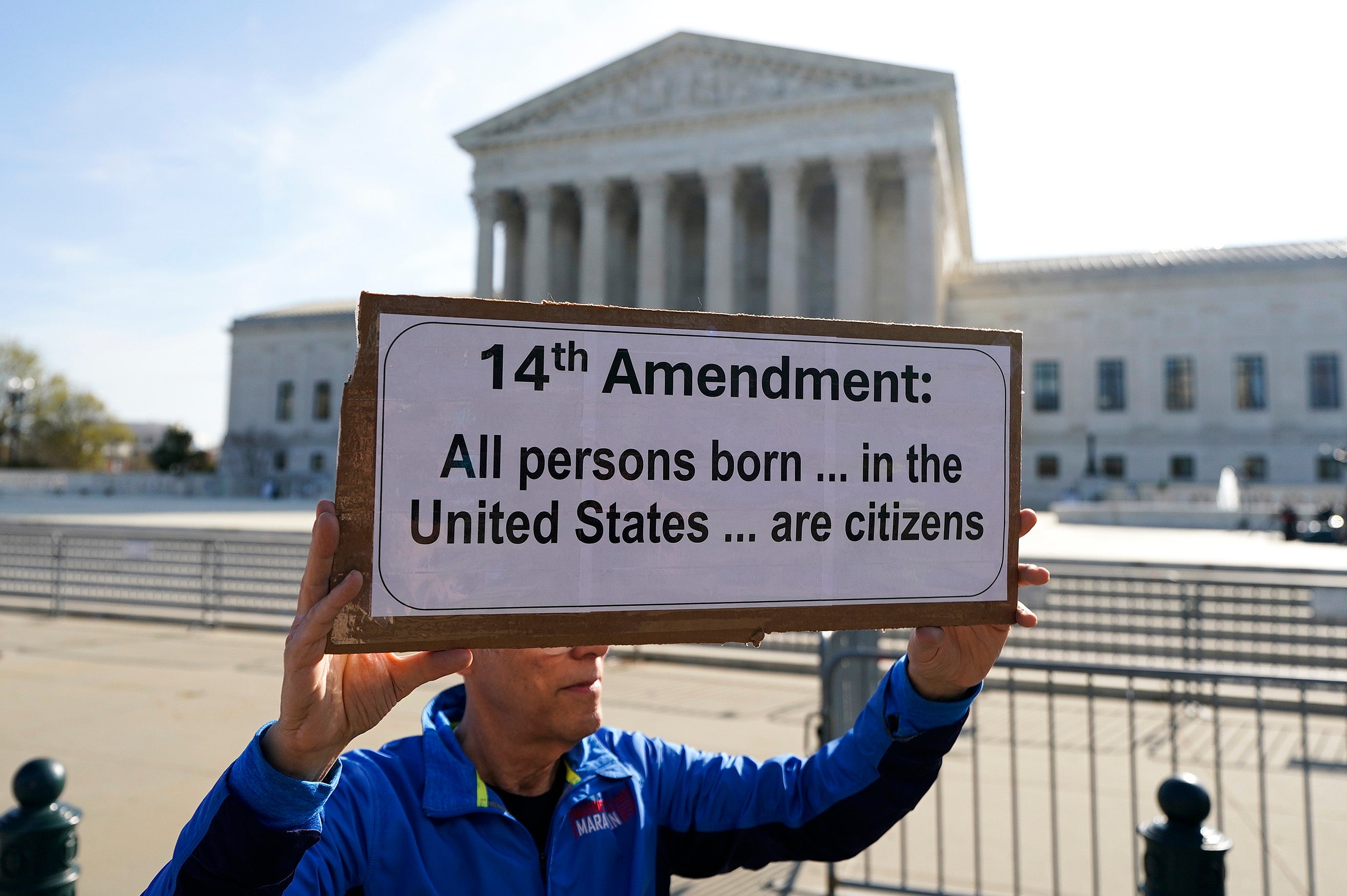
The man behind Trump's push to end birthright citizenship arrives at Supreme Court
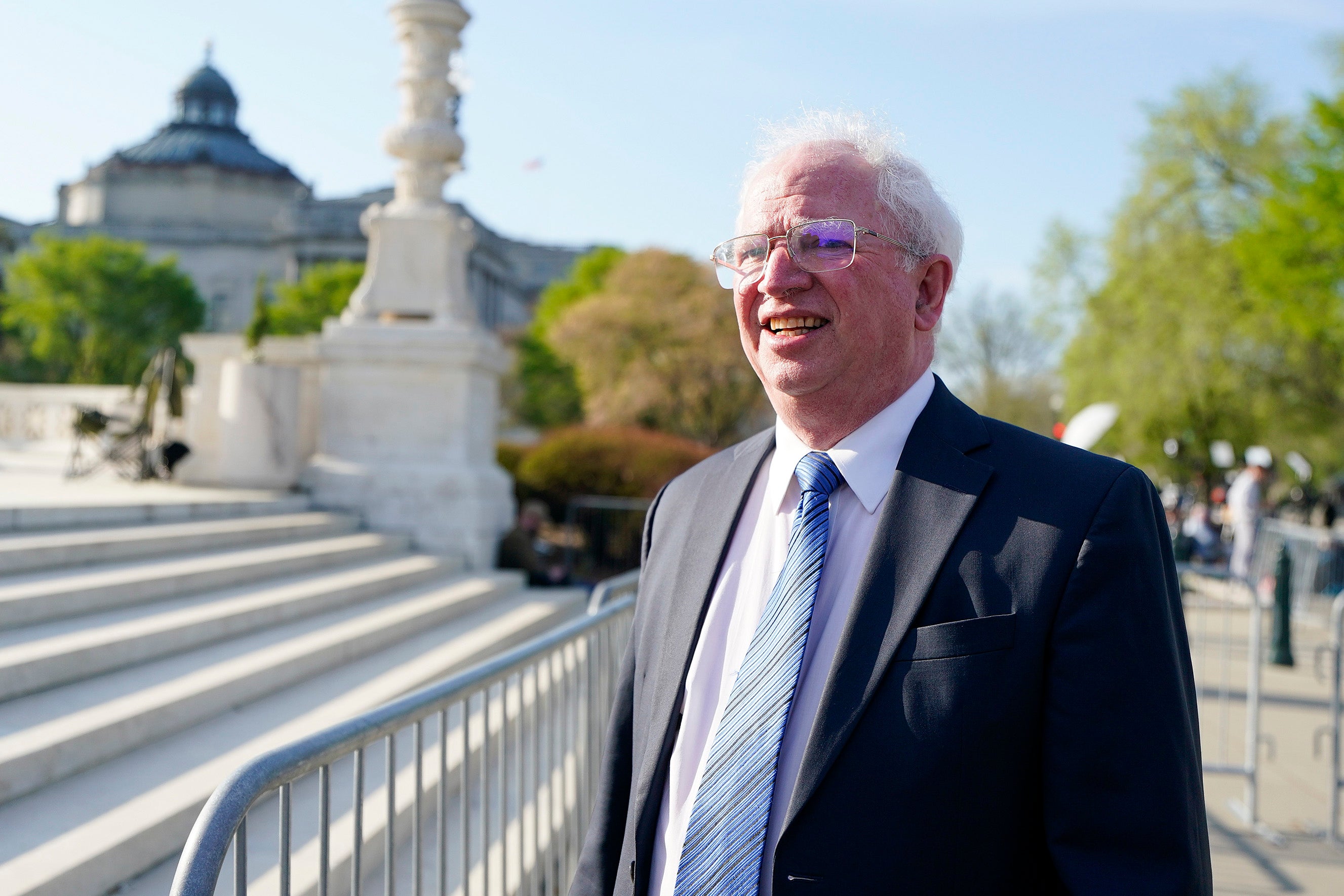
14:31 , Alex WoodwardJohn Eastman, an architect of Trump’s attempt to reverse his election loss in 2020, elevated fringe right-wing legal theories against birthright citizenship to the White House.
The administration’s briefs to the Supreme Court don’t mention Eastman, but they closely track with his legal theories that have been roundly rejected by the judiciary.
He arrived at the Supreme Court to listen to arguments this morning.
24 state attorneys general 'optimistic' for decision against Trump's order
14:21 , Alex WoodwardA coalition of 24 state attorneys general who have joined legal challenges against Trump’s attempt to rewrite the 14th Amendment by fiat says they are “optimistic” that the Supreme Court will strike it down.
“The President’s executive order redefining birthright citizenship violates our Constitution, federal statutes, and the rule that has governed our Nation for more than 150 years,” they wrote.
“We were proud to lead the fight against this unlawful order, and grateful for the injunctions we obtained that prevented this action from ever taking effect,” the coalition added. “We are optimistic the U.S. Supreme Court will agree with every judge to consider this executive order on the merits and hold that it violates this fundamental constitutional right.”
Trump is welcome to watch lawyers ‘school him in the meaning of the Constitution,’ ACLU says
14:10 , Alex WoodwardDonald Trump’s unprecedented plan to watch today’s arguments is welcomed by ACLU lawyers who say the president can watch them “school him in the meaning of the Constitution and birthright citizenship.”
“Any effort to distract from the gravity and importance of this case will not succeed,” said ACLU executive director Anthony D. Romero.
“The Supreme Court is up to the task of interpreting and defending the Constitution even under the glare of a sitting president a couple dozen feet away from them,” he added.
“This is one of the most important cases in the last hundred years. The outcome of this case will very well decide the rights and liberties of over 200,000 children born to immigrant parents each year. The 14th Amendment guarantees that children born in the United States are citizens. Period.”
Trump wants to show his 'fight' in the face of uphill legal battle with presence at Supreme Court
14:05 , Andrew Feinberg in Washington, D.C.Donald Trump’s decision to attend in-person as the Supreme Court considers whether to uphold his effort to restrict birthright citizenship is meant as a signal to his political base that he's invested in the signature policy even as his administration is widely expected to face an uphill climb with the high court.
A person familiar with his thinking told The Independent late Tuesday that Trump wants to show “fight” in the face of widespread agreement among legal experts that the court is unlikely to uphold the policy.
He also believes his presence could be enough to sway the court's conservative justices — three of whom he appointed.
Birthright citizenship, explained
14:00 , Alex WoodwardThe 14th Amendment, among civil rights amendments to the Constitution in the aftermath of the Civil War, states that a child must be born inside U.S. borders and the parents must be “subject to the jurisdiction thereof” the United States to be an American citizen.
Justices will decide what “subject to the jurisdiction thereof” actually means.
Morgan Marietta, a professor of American civics at the University of Tennessee, takes a closer look:
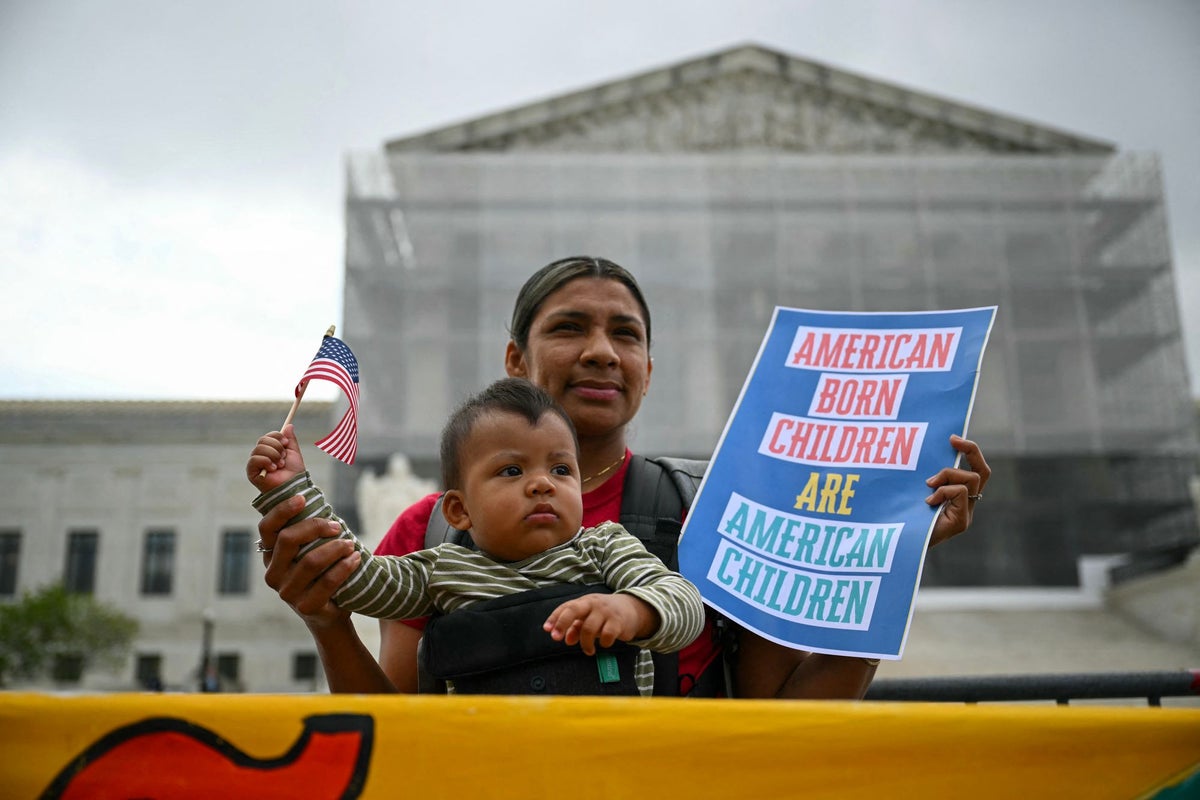
What is birthright citizenship and when could the Supreme Court issue a decision?
Who is arguing before the Supreme Court?
13:50 , Alex WoodwardCecillia Wang, national legal director of the ACLU, will argue on behalf of plaintiffs challenging Trump’s executive order.
She has worked as a lawyer for the national civil rights organization for more than two decades, leading challenges against the Trump administration’s anti-immigration agenda, including his previous family separation policy, so-called Muslim ban, and failed attempts to add citizenship questions to the Census.
“This is the case of the century — the stakes are unfathomably high,” ACLU executive director Anthony D. Romero said last year as he announced Wang as a lead counsel in the case before the nation’s high court.
“Can a president of the United States unilaterally end birthright citizenship by executive order — overriding more than 150 years of settled constitutional law, and redefining who is recognized as American at birth? Absolutely not.”
Arguing for the government is U.S. solicitor general D. John Sauer, Trump’s former criminal defense attorney.
Trump appointed Sauer as the nation’s top lawyer after taking office.
As Trump’s personal attorney, he famously defended the president at the Supreme Court over his sweeping claims of presidential “immunity” from criminal prosecution.
In briefs to the Supreme Court in the birthright citizenship fight, Sauer claimed the 14th Amendment was intended to apply primarily to the children of formerly enslaved people, and that newborns must be under the direct “political jurisdiction” of the U.S. and not have any allegiance to another country to be considered citizens.
He cited, among other cases, the 1884 case of Elk v Wilkins, which affirmed that Native Americans did not, at the time, have birthright citizenship. That case “squarely rejected the premise that anyone born in U.S. territory, no matter the circumstances, is automatically a citizen so long as the federal government can regulate them,” Sauer wrote.
How did the case get here?
13:25 , Alex WoodwardToday’s hearing actually marks the second time within Trump’s second term in office that the Supreme Court has heard a case involving legal challenges against his birthright citizenship order.
Last year, the justices heard a case involving the scope of nationwide injunctions issued by several federal judges against his executive order.
Courts across the country struck down Trump’s attempt to strip citizenship from newborn Americans born to certain immigrant parents, but the administration argued those decisions should be limited to the individual states — and pregnant mothers — who sued him and won.
During oral arguments in that case, Justice Ketanji Brown Jackson called the administration’s position a “catch-me-if-you-can kind of regime,” where court orders would protect only the individuals in a case, not the millions of Americans who could be impacted.
The justices ultimately ruled that judges went too far with their rulings, which “exceed the equitable authority that Congress has given to the federal courts,” according to the ruling. But the Supreme Court did not touch the 14th Amendment’s citizenship clause at the center of the fight.
Those legal battles resumed, and Trump appealed to the Supreme Court once again asking explicitly whether the 14th Amendment “provides that those ‘born in the United States, and subject to the jurisdiction thereof,’ are U.S. citizens.”
That’s the question before the justices this morning.
Trump officials cite racist scholars and white supremacists in case before Supreme Court, critics warn
13:15 , Alex WoodwardIn their briefs to the court, Trump administration lawyers cite several scholars who campaigned against birthright citizenship in the 1800s, a movement fueled by anti-Black and anti-Chinese racism in the aftermath of Reconstruction and a rise in anti-immigrant views.
At the time, a group of anti-immigrant scholars advanced the argument that the 14th Amendment’s phrase “subject to the jurisdiction thereof” excluded the children of Chinese immigrants.
The Supreme Court was unpersuaded. A landmark decision in the case of United States v Wong Kim Ark in 1898 held that the 14th Amendment grants citizenship to virtually everyone born in the country.
The Trump administration has cited those scholars throughout its argument to the court to revisit the 14th Amendment’s birthright citizenship clause more than a century later.
Dive deeper:
Trump officials invoke racist scholars in major push to end birthright citizenship
What does Trump's executive order say?
13:00 , Alex WoodwardTrump’s birthright citizenship executive order, which he signed on his first day back in the White House, would deny citizenship to newborns if their mother was “unlawfully present” or had “lawful but temporary” status, and if the father “was not a United States citizen or lawful permanent resident at the time of said person’s birth.”
The 14th Amendment states that “all persons born or naturalized in the United States, and subject to the jurisdiction thereof, are citizens of the United States and of the state wherein they reside.” For more than 100 years, the Supreme Court has upheld the definition to apply to all children born within the United States.
Critics have warned that allowing the president to effectively rewrite a core component of the 14th Amendment would create a patchwork system of constitutional rights and citizenship benefits, including the right to vote.
Tens of thousands of newborns would be denied citizenship every year under Trump’s order, opening the door for stateless families with mixed citizenship status and uneven constitutional rights, according to the plaintiffs.
How many babies are born with parents without legal status?
12:33 , Alex LangIn 2023, about 300,000 babies were born in the U.S. to parents without legal status, according to NPR.
Those babies had been granted citizenship in the past - but Donald Trump is looking to change that.
If his executive order stands, those babies would not be granted automatic citizenship.
What is birthright citizenship?
12:16 , Alex LangBirthright citizenship is when babies born in the U.S. are automatically granted citizenship.
The 14th Amendment has long been interpreted to give citizenship to any person born - regardless of whether their parents are citizens- inside the U.S. or one of its territories.
The 14th Amendment reads:
All persons born or naturalized in the United States, and subject to the jurisdiction thereof, are citizens of the United States and of the State wherein they reside. No State shall make or enforce any law which shall abridge the privileges or immunities of citizens of the United States; nor shall any State deprive any person of life, liberty, or property, without due process of law; nor deny to any person within its jurisdiction the equal protection of the laws.
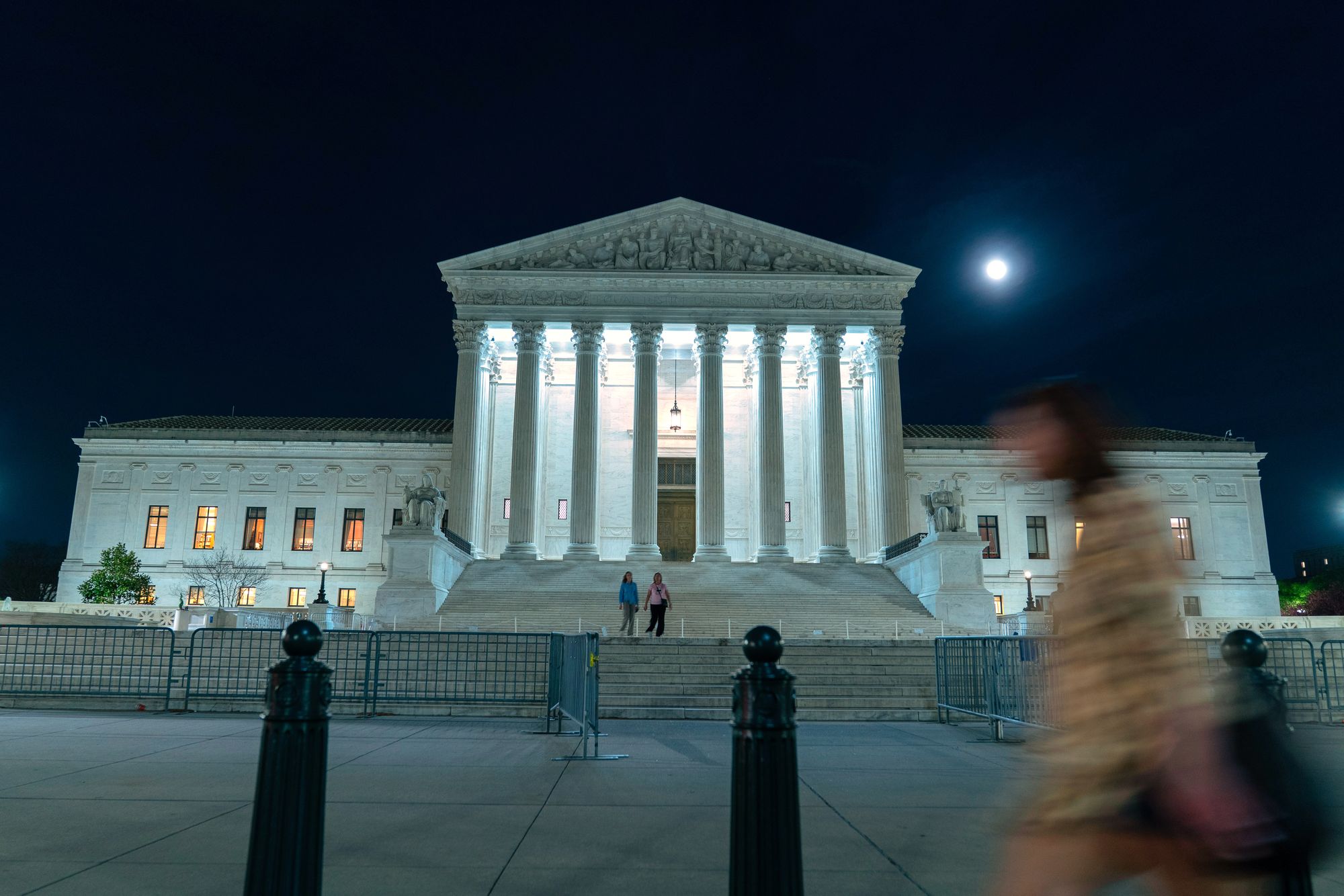
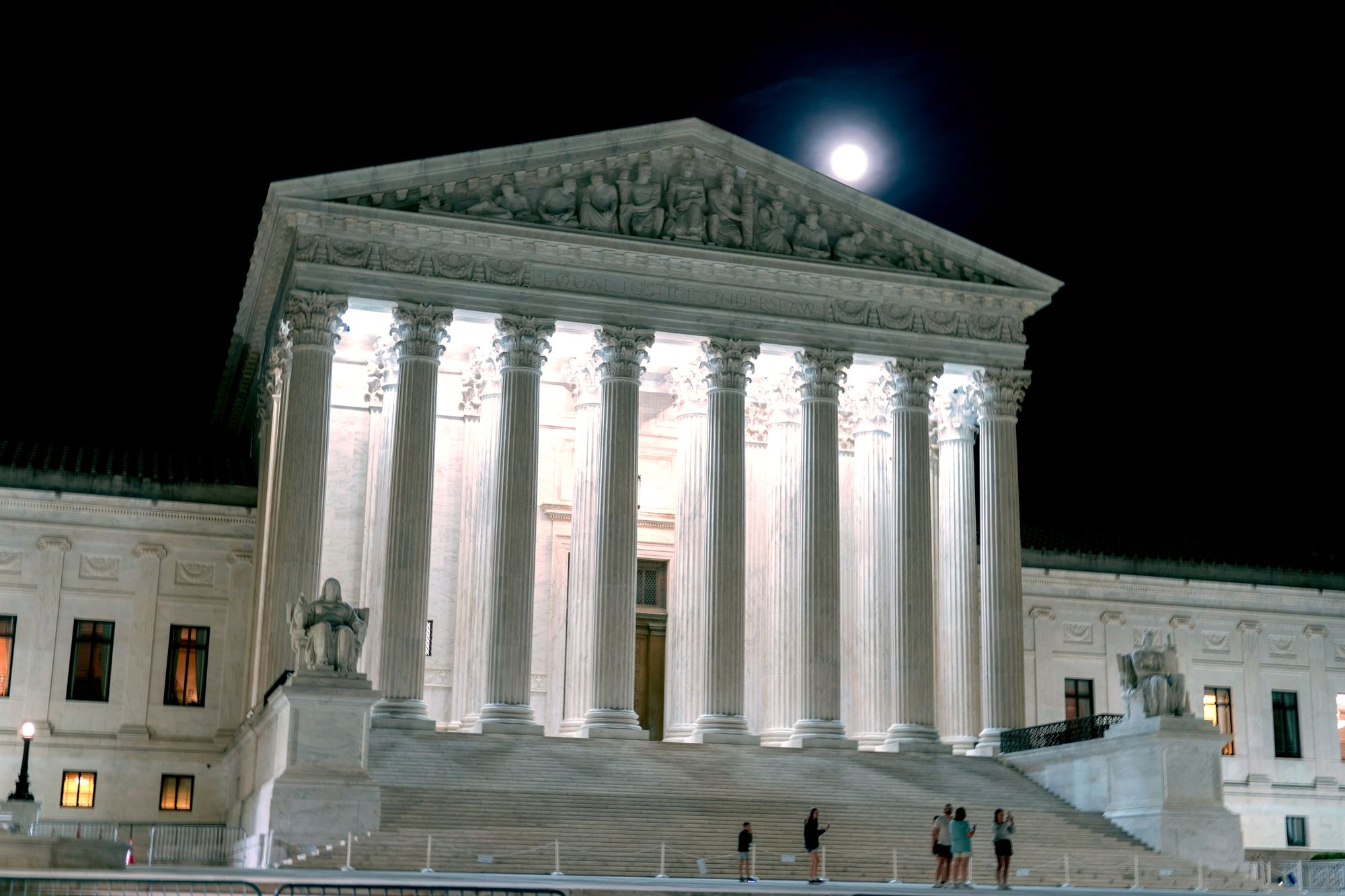
Quiet night at the Supreme Court
11:55 , Alex LangImages show a quiet night at the Supreme Court, before a historic day when Donald Trump becomes the first president to attend arguments
No president has ever attended Supreme Court arguments
11:52 , Alex LangNo U.S. President has ever attended Supreme Court oral arguments - but Donald Trump is not one for tradition.
On Wednesday, Trump is set to visit the Supreme Court and break a tradition that has been around since 1790.
Trump announced plans to attend and hear arguments on whether his move to end birthright citizenship is Constitutional.
"The case is about the powers of the presidency as an institution," Richard Pildes, a professor of constitutional law at New York University, told NBC News. "By showing up in person, the President would instead be personalizing the case, as if it’s a personal confrontation between him and the justices."