The Supreme Court declined Tuesday to let President Trump send National Guard troops to the Chicago area.
Why it matters: The 6-3 ruling in the conservative-majority high court leaves in place a lower court order temporarily barring Trump from deploying the National Guard to Illinois.
- It marks a significant setback for the president's immigration policies in the face of opposition from Democratic-run cities and states.
Zoom in: "At this preliminary stage, the government has failed to identify a source of authority that would allow the military to execute the laws in Illinois," per the unsigned Supreme Court order.
- Justices Samuel Alito, Neil Gorsuch and Clarence Thomas dissented.
What they're saying: White House spokesperson Abigail Jackson said in a Tuesday evening email that Trump had committed to enforcing immigration laws and to "protect federal personnel from violent rioters."
- He "activated the National Guard to protect federal law enforcement officers, and to ensure rioters did not destroy federal buildings and property," she added. "Nothing in today's ruling detracts from that core agenda."
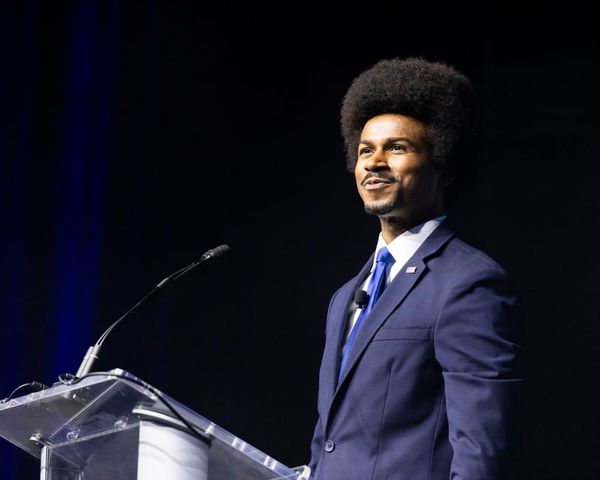
Yes, but: Illinois Gov. JB Pritzker on X called the ruling "a big win for Illinois and American democracy."
- He added: "I am glad the Supreme Court has ruled that Donald Trump did not have the authority to deploy the federalized guard in Illinois."
- Illinois Attorney General Kwame Raoul (D) said in a statement, "The extremely limited circumstances under which the federal government can call up the militia over a state's objection do not exist in Illinois, and I am pleased that the streets of Illinois will remain free of armed National Guard members as our litigation continues in the courts."
State of play: Trump is facing several legal battles over his National Guard deployment push.
- A federal judge in California ruled in September that the administration illegally instructed the National Guard to perform law enforcement activities during anti-ICE protests in Los Angeles in the summer.
- In Oregon a month later, a federal judge temporarily blocked the administration from sending any National Guard troops to the state, after Oregon and California sued over plans to deploy 200 members from the Golden State.
- A U.S. appeals court indicated it may wait to hear the outcome of the Illinois case before weighing in, per Axios' Meira Gebel.
Meanwhile, Trump deployed the National Guard to D.C. in August after declaring a "crime emergency" in the nation's capital.
- A federal judge in November ruled that troop deployment to be unlawful.
- The Trump administration is appealing that ruling, and the president ordered more National Guard members to D.C. after a shooting near the White House late last month. A federal appeals court ruled last week troops could remain in D.C. for now.
The other side: Some state Republican leaders have embraced Trump's push to deploy the National Guard to back up local law enforcement.
- In Louisiana, Gov. Jeff Landry said Tuesday that his request to send federal troops to New Orleans was granted, and that 350 National Guard members would deploy in time for the new year, remaining in the city through February.
- Previously, Tennessee Gov. Bill Lee joined Trump at the White House in September as the president signed a memorandum on "restoring law and order in Memphis." A Tennessee judge temporarily blocked the action in the Democrat-run city in November.
Go deeper: National Guard deploys to New Orleans
Editor's note: This story has been updated with comment from Illinois Attorney General Kwame Raoul and background on other National Guard deployments.
Axios' Carrie Shepherd contributed reporting.