

A draft plan to secure the Lower Hunter's water security for the next 40 years has received broad support from across the region.
The Lower Hunter Water Security Plan, released in August 2021, contains a range of water security measures to improve the region's drought resilience as well as cater for population growth.
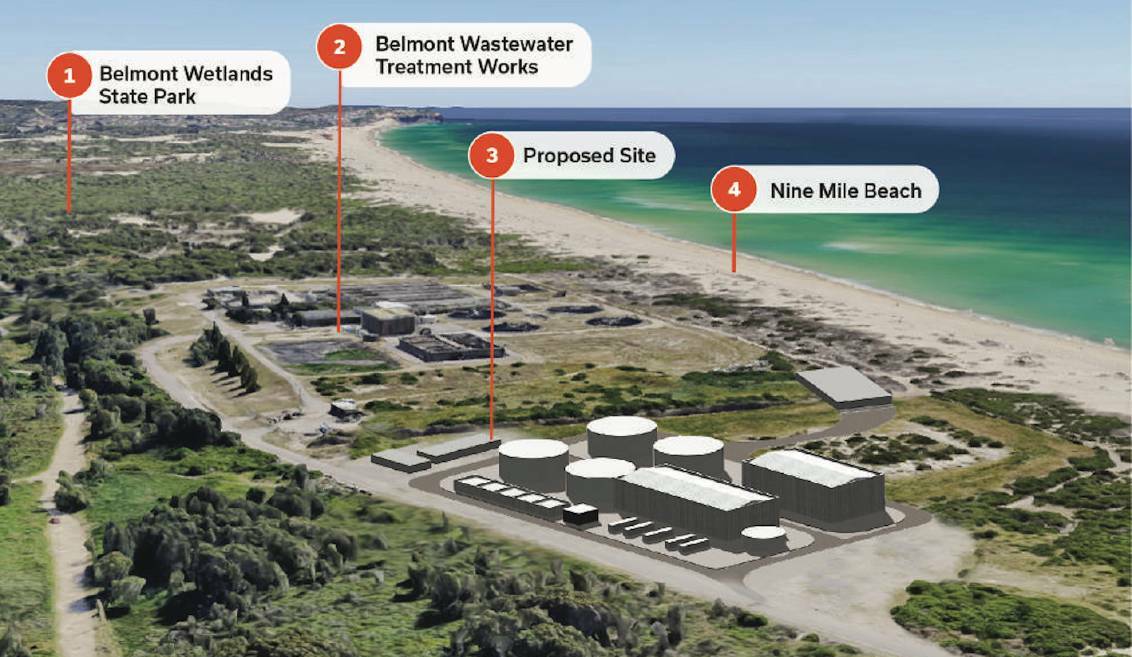
They include the establishment of a desalination plant at Belmont, a pipeline to connect the Glennies Creek and Lostock dams, increased water conservation and recycling initiatives plus continued leakage reduction across the network.
The plan also includes readiness works for the potential construction of a second desalination plant at Walsh Point in the Port of Newcastle.
About 80 per cent of submissions from organisations, such as MPs, councils, and non-government organisations, were supportive.
About 40 per cent of individuals' submissions were positive, 28 per cent neutral and 31 per cent negative.
Actions with the highest level of support were related to making the best use of existing water resources such as water conservation, reducing leaks and protecting drinking water catchments.
A significant proportion of submissions were supportive of measures relating to the introduction of recycled water for non-drinking purposes.
Initiatives with the lowest level of support involved the construction of desalination plants and water sharing with the Central Coast.
Concerns about the Belmont and Walsh Point desalination projects were related to their perceived environmental impacts and costs.
The actions proposed in the plan are likely to increase annual residential customer bills by between $75 and $120 per year, representing a one-off increase of between six and nine per cent for the average residential customer.
The cost of implementing the plan will form part of Hunter Water's next submission to the Independent Pricing and Regulatory Tribunal.
The final Plan is expected to be published in the next six months.













