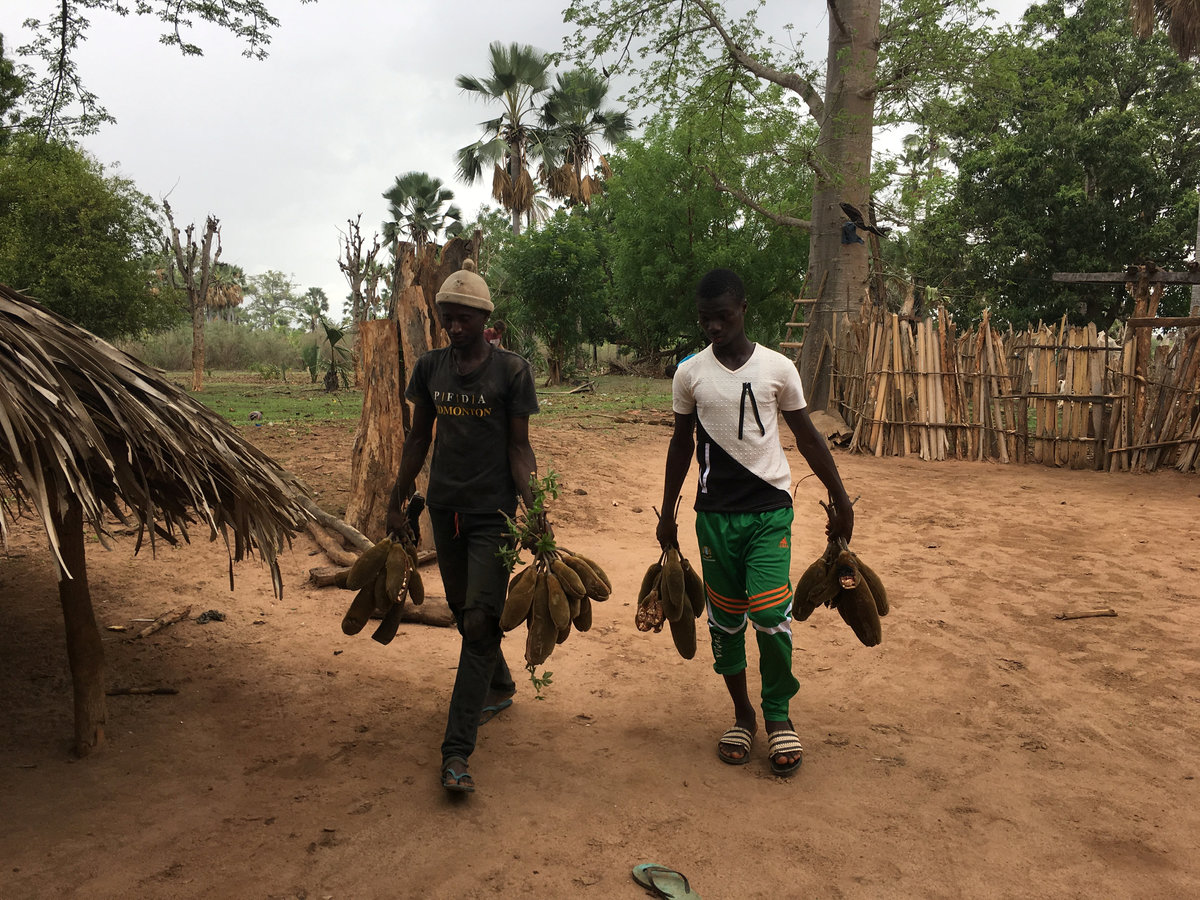
Mangoule, SENEGAL, (Reuters) - Taerou Dieuhiou has been shinning barefoot up baobab trees in Senegal's southern Casamance region to collect the oblong fruit since he was 15.
Business has never been better. Inside the hard, green shell that dangles from the spindly branches of Africa's most iconic tree is a citrussy pulp that has become a popular "superfood" in the United States and Europe.
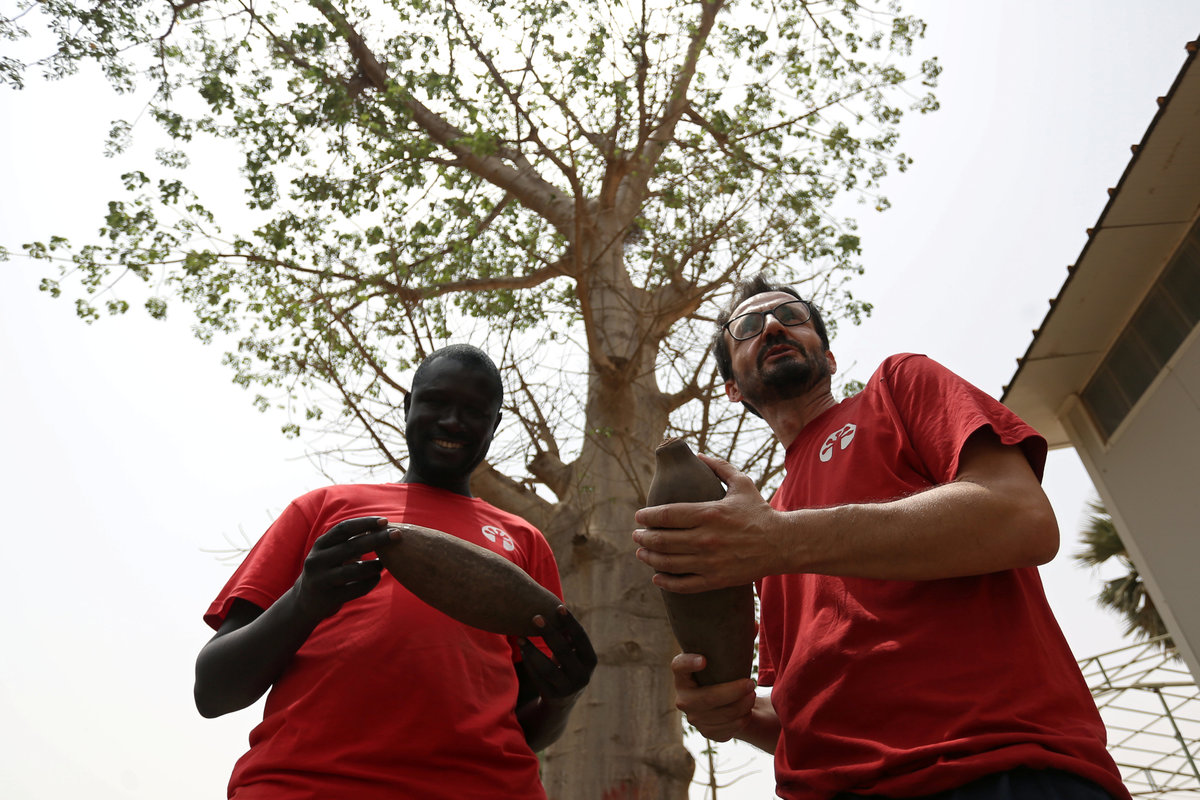
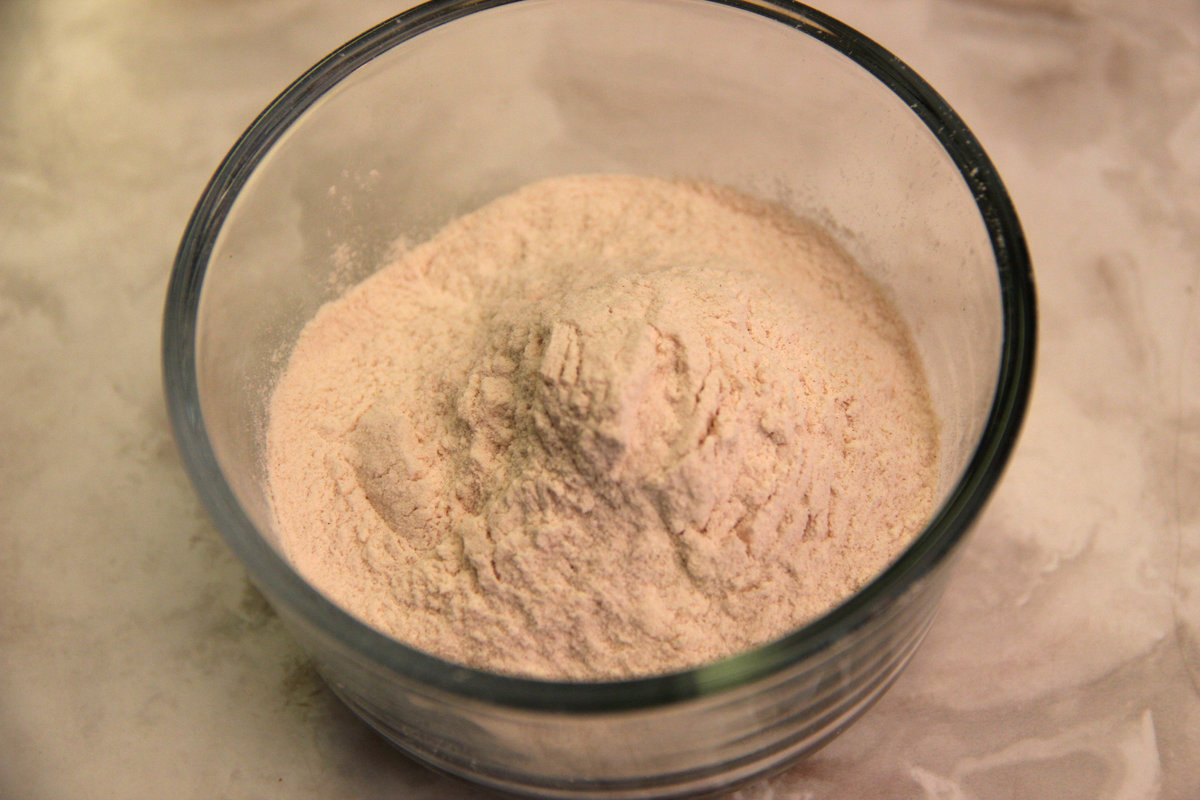
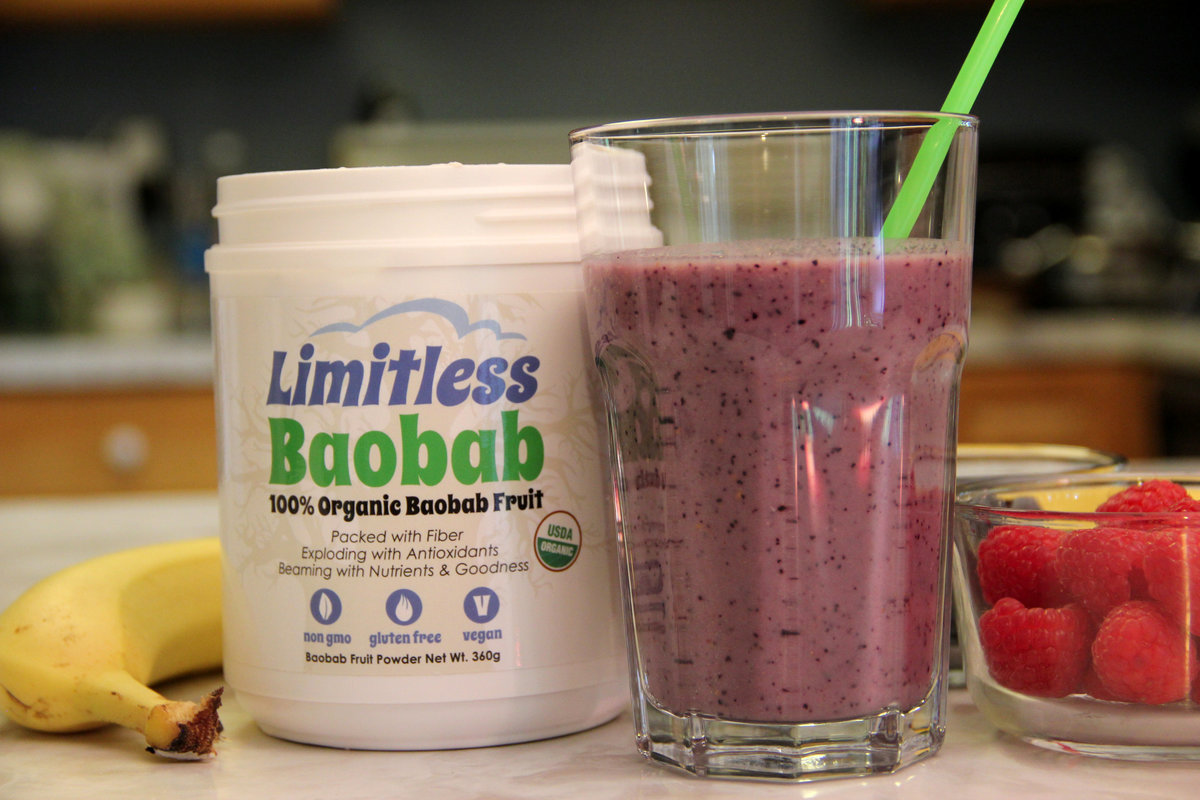
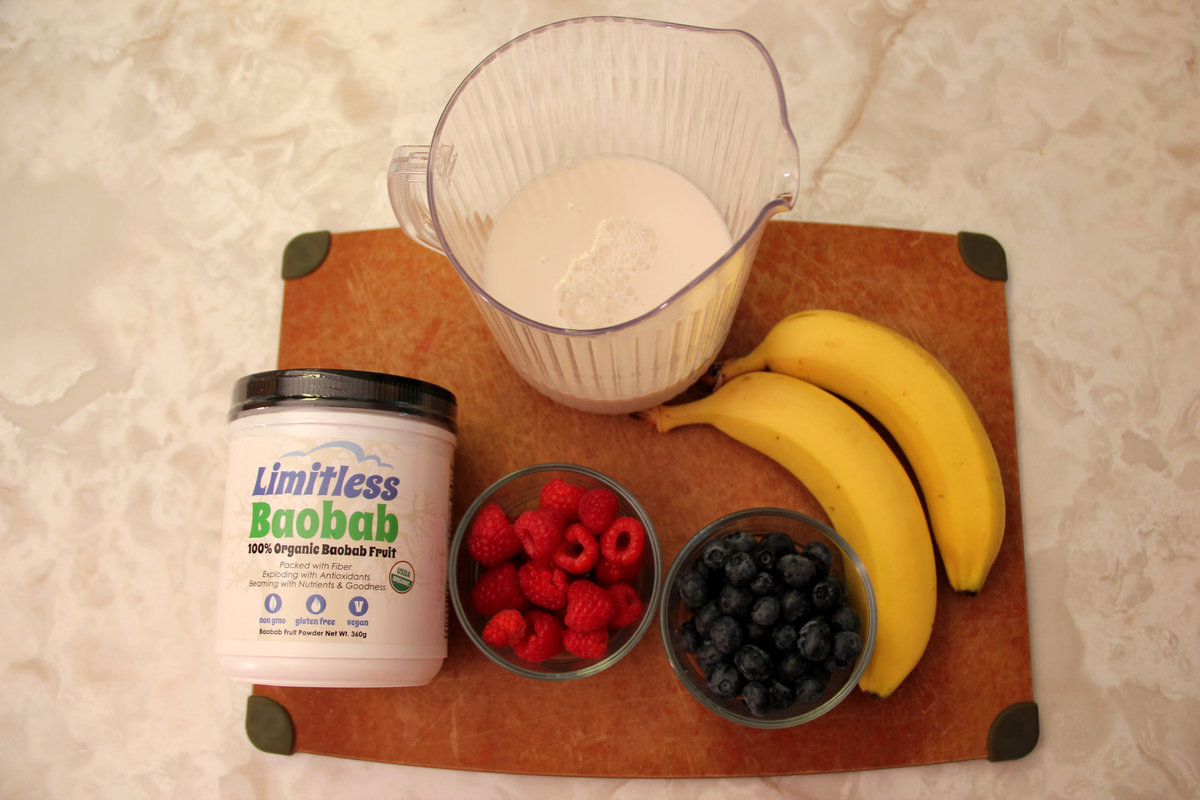
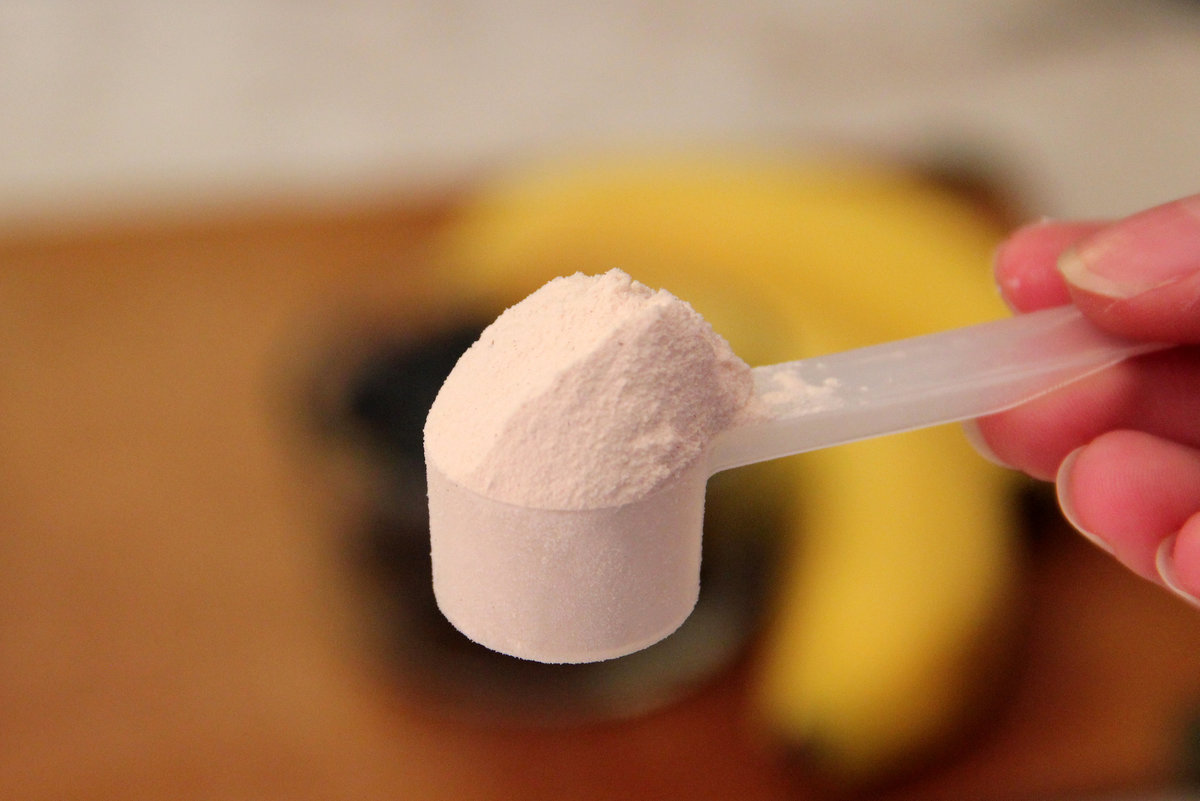
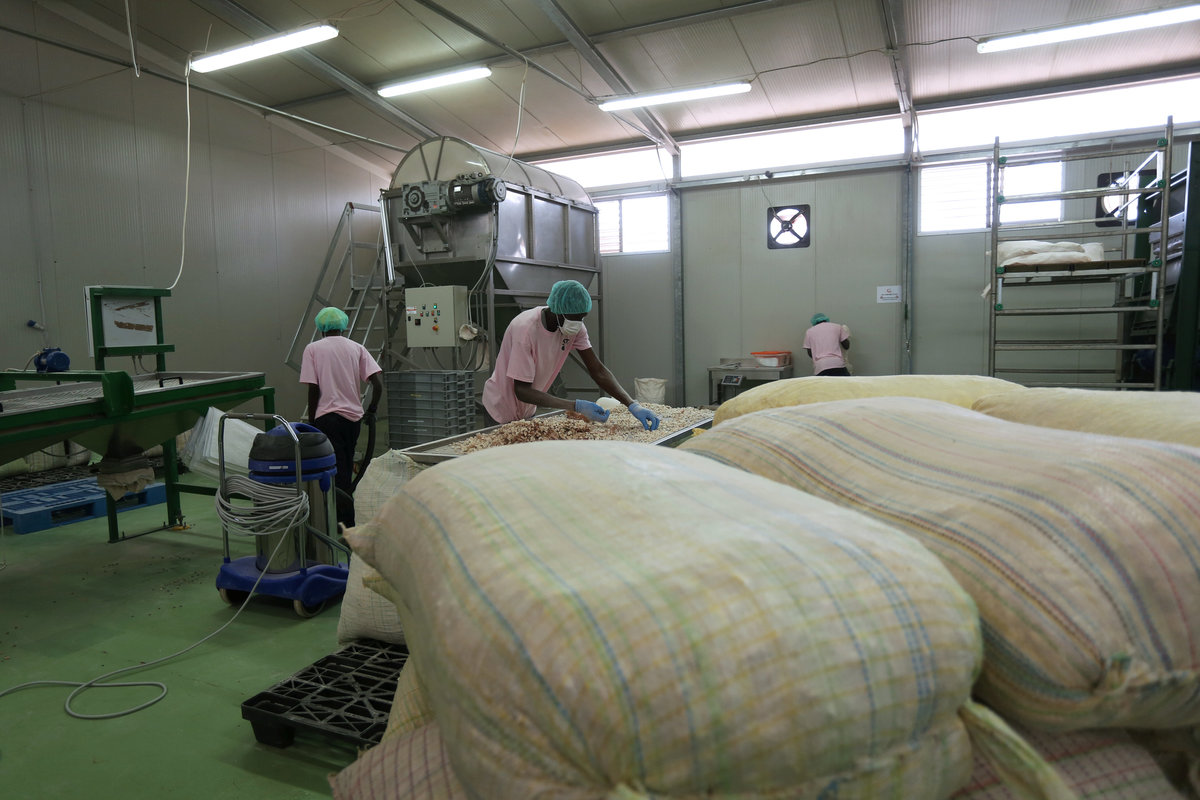
Rich in vitamin C, calcium and magnesium, it can be ground into a powder, mixed into smoothies or sprinkled on porridge. Coca-Cola's Innocent, U.K. yogurt maker Yeo Valley and U.S. wholesaler Costco are among the major brands to embrace baobab.
The imposing tree dots the dry African savannah from Senegal to Madagascar and can live for over a millennium. It can store thousands of liters of water and grow trunks so thick that one South African tree became a pub with a dart board that could hold 60 people.
Until recently baobabs were only tapped for local use but in a major business shift a small network of producers and suppliers has pushed the fruit's profile abroad. While some experts question the boabab's sustainability, demand has taken off.
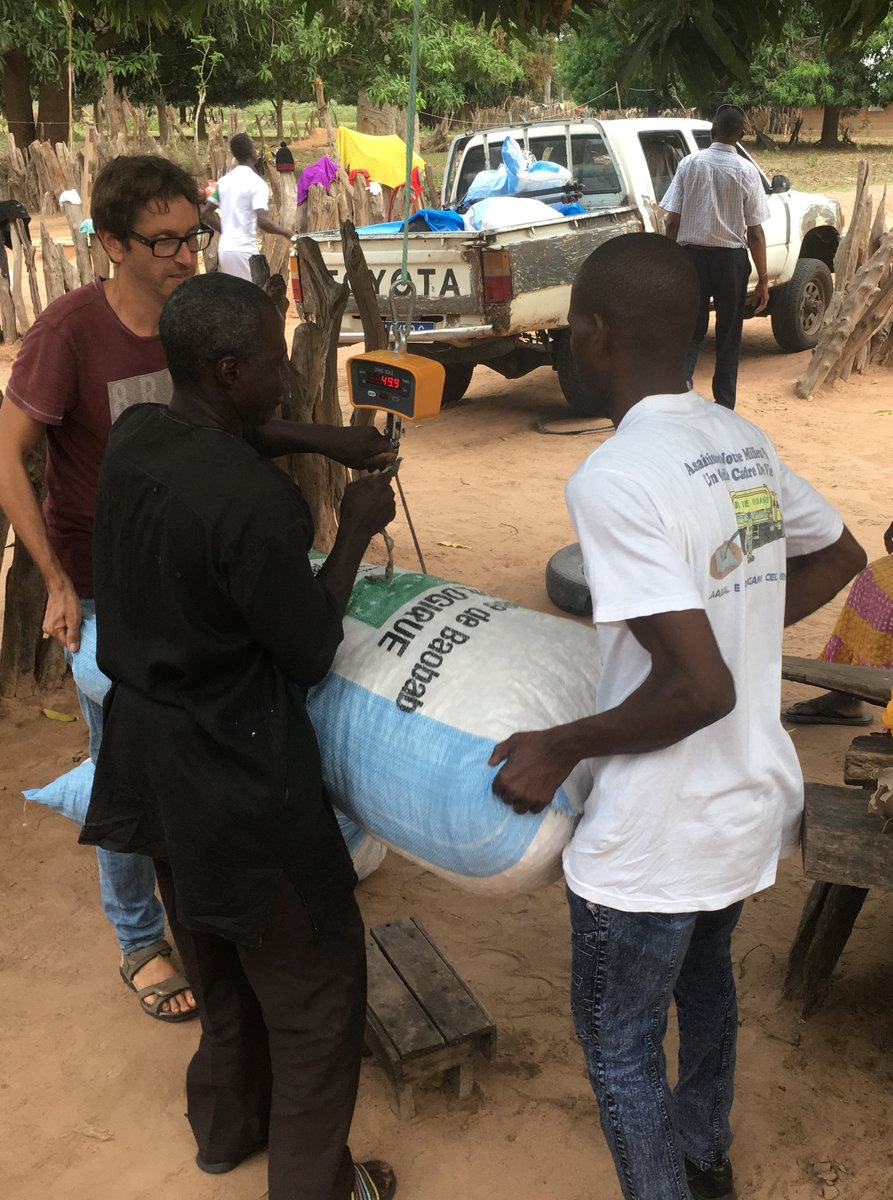
"It is a better price now. Now I make more for each sack," said the 31-year-old father of four. He climbs the trunks in ripped jeans and a t-shirt, gripping a long pole to dislodge the fruit from the outer branches. "It's all I have."
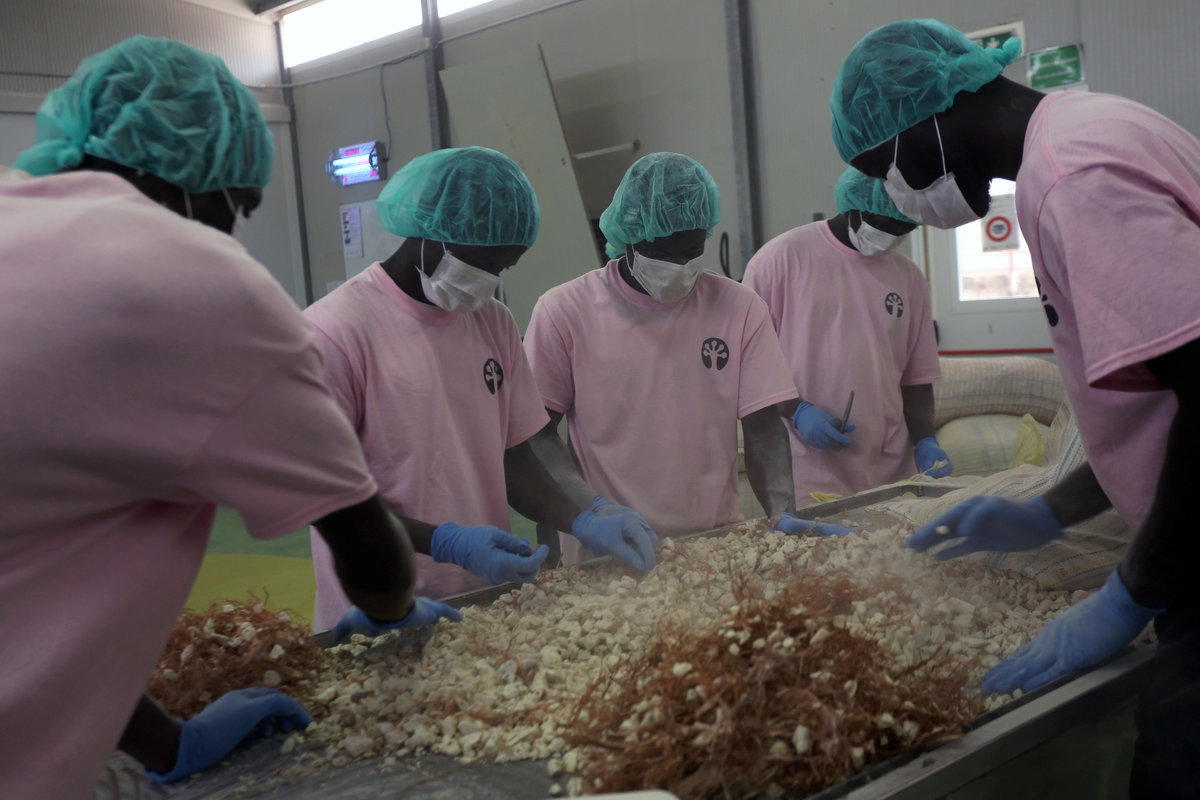
Exports of the hard-shelled fruit rose from 50 tonnes in 2013 to 450 tonnes in 2017, according to industry group the African Baobab Alliance. They are expected to reach 5000 tonnes by 2025, about 500 shipping containers a year. This would make it a $400 million industry.
The transformation has started to bring in much needed revenue to African farmers. Baobab des Saveurs, a small company with buyers in Australia and Canada pays Dieuhiou up to 10,000 CFA francs ($18) per sack, more than double what he received from local middlemen a few years ago.
"A GREAT AFRICAN TREE"
Slaves shipped from West Africa in the eighteenth century wore necklaces of baobab seeds for luck and to remind them of home. Today it is used locally to treat liver disease and malaria in rural Senegal. Herders in Niger mix it with grains to make gruel.
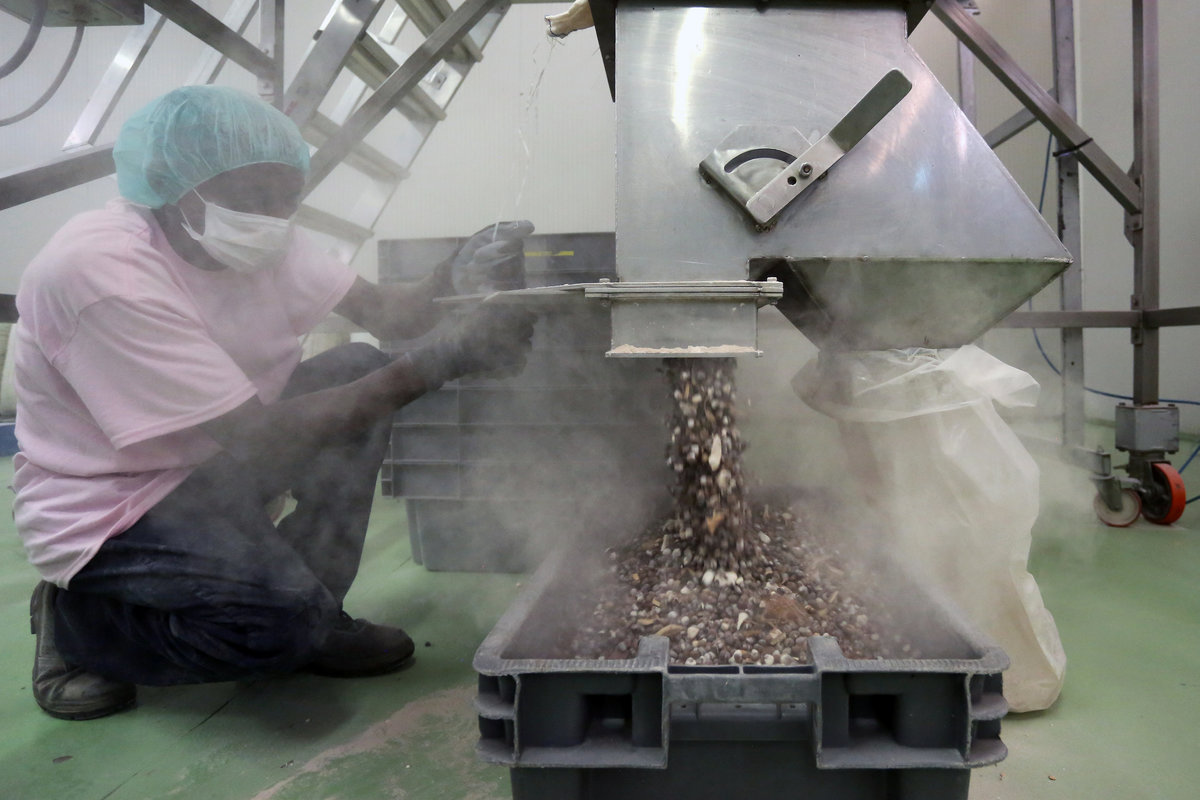
Goblets are made from the fruit's empty shell, the bark is pound to make rope or cork, or flattened into roof tiles.
"The trunks are the bus shelter, water tank, lavatory, prison, tomb, hiding place, shade," said Thomas Pakenham, an arborist and historian who wrote a book about the baobab. "It is the great tree of the African village."
It is this history that makes the baobab so vital at home and so marketable abroad. The European Union approved imports of baobab in 2008 but business slowed in the credit crunch.
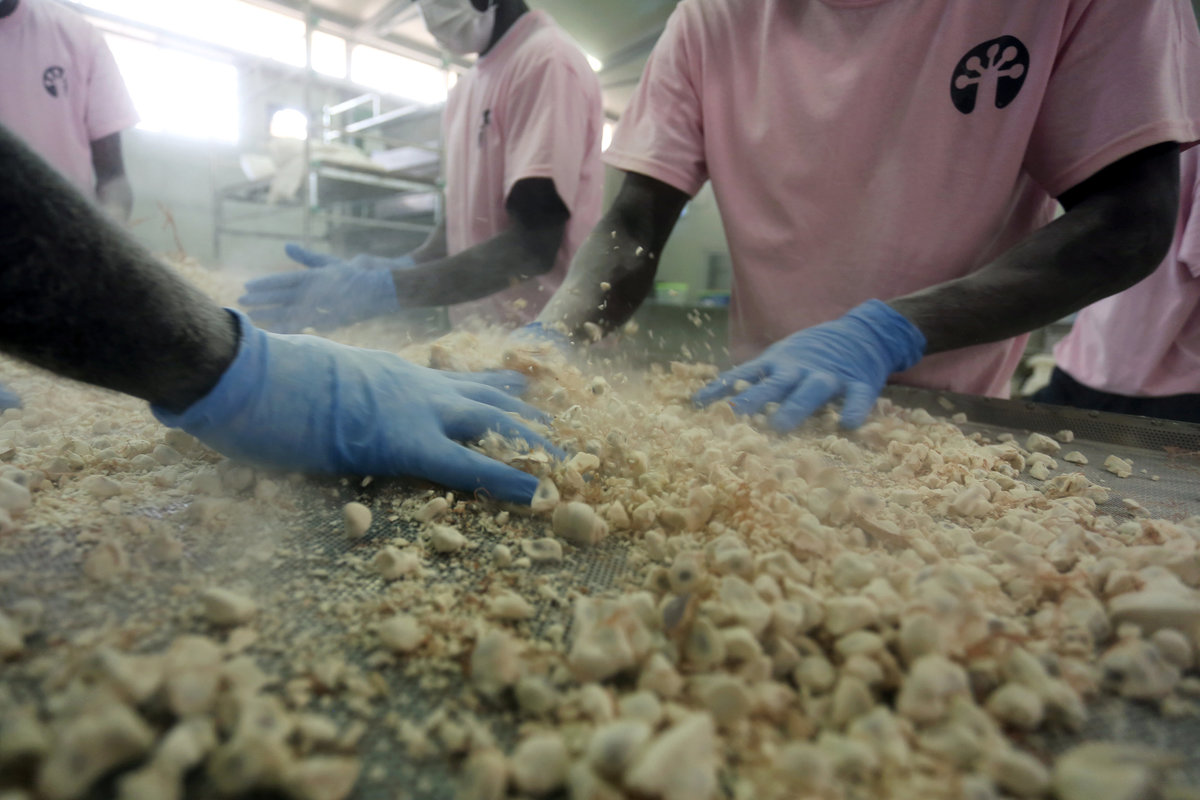
"People weren't interested in a new fruit from Africa," said Gus Le Breton, the chief executive of B'Ayoba, a Zimbabwe-based baobab producer. "There was a five-year hiatus."
Producers and retailers pushed back. They went to trade shows, gave out free samples, launched a #Makebaobabfamous campaign on Twitter.
In January, Yeo Valley started to sell a vanilla and baobab yogurt in Britain's biggest supermarkets. Costco this year introduced a breakfast bowl with baobab and acai, a berry from the Brazilian Amazon. Coca-Cola-owned Innocent released a baobab smoothie in 2016.
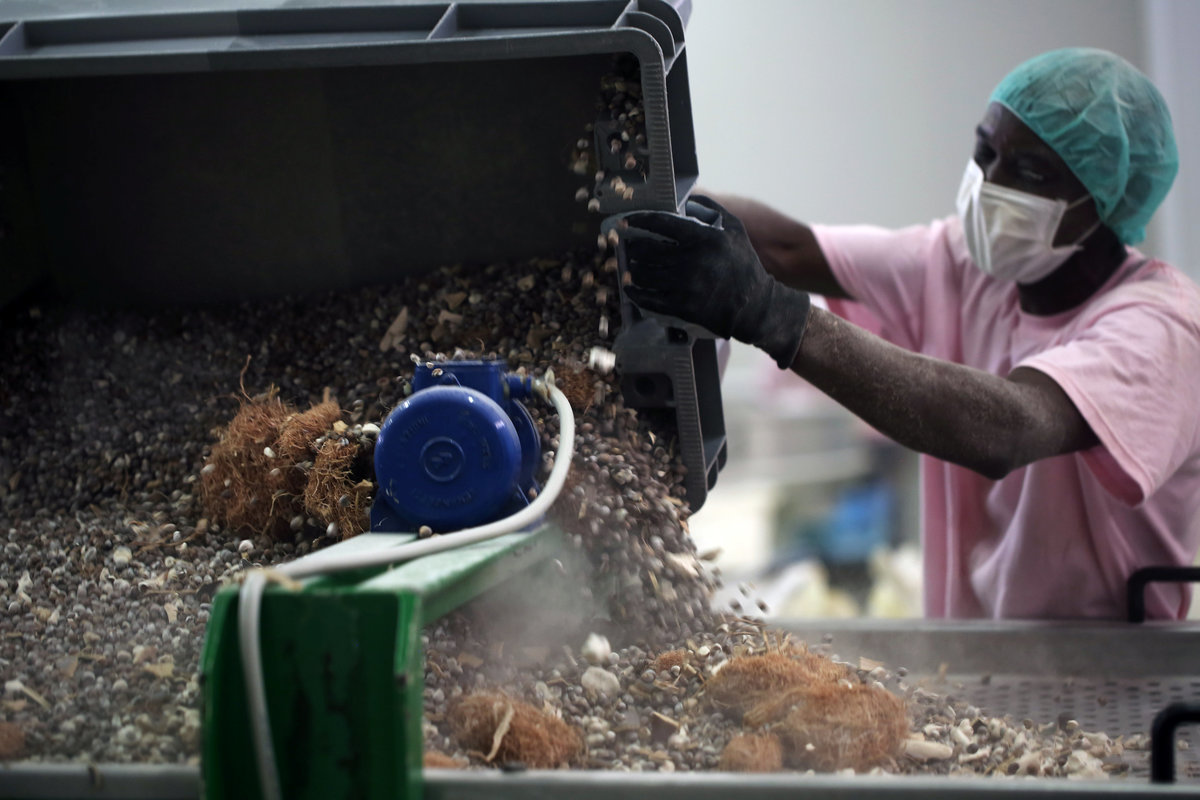
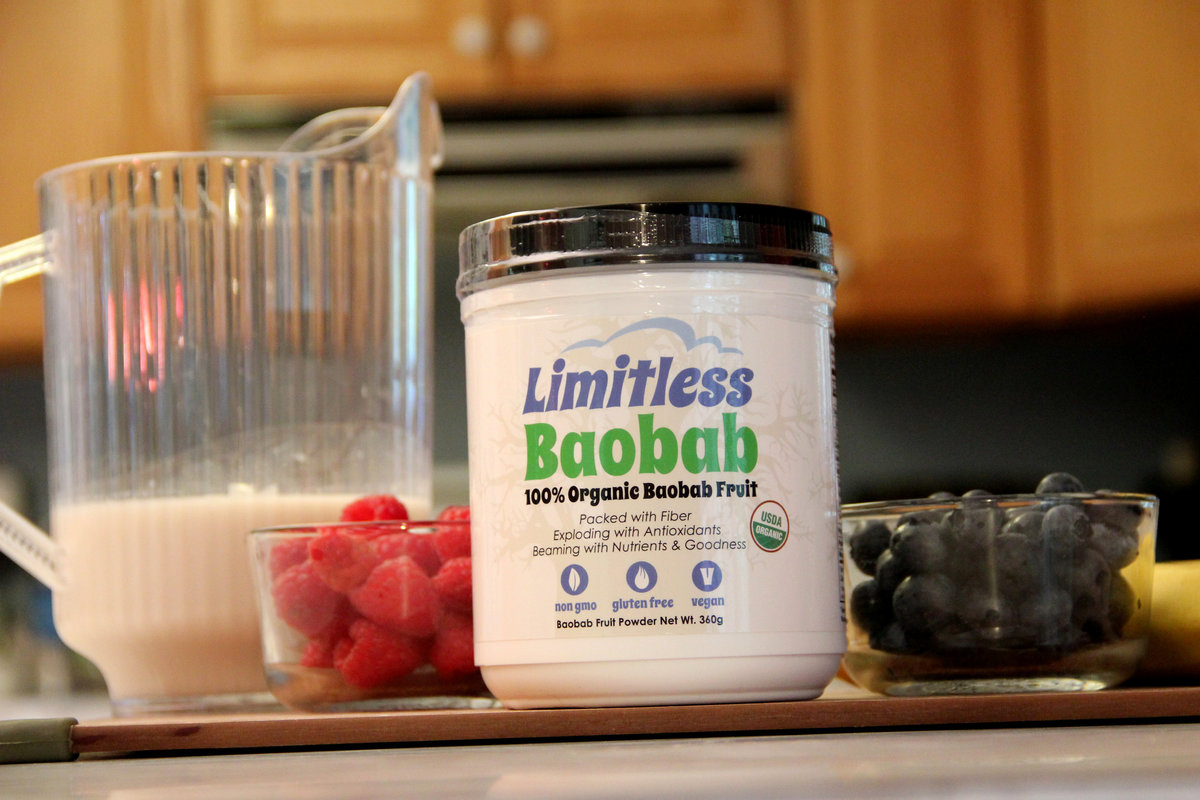
"I've got kids and I was looking for ways to kind of sneak some extra nutrition into their diet," said Dan Nessel, the owner of Limitless Good, a health food company based in Northampton, Massachusetts whose baobab sales tripled last year.
"The baobab...has six times antioxidants of blueberries, six times the vitamin C of oranges, more potassium in bananas, more calcium than milk."
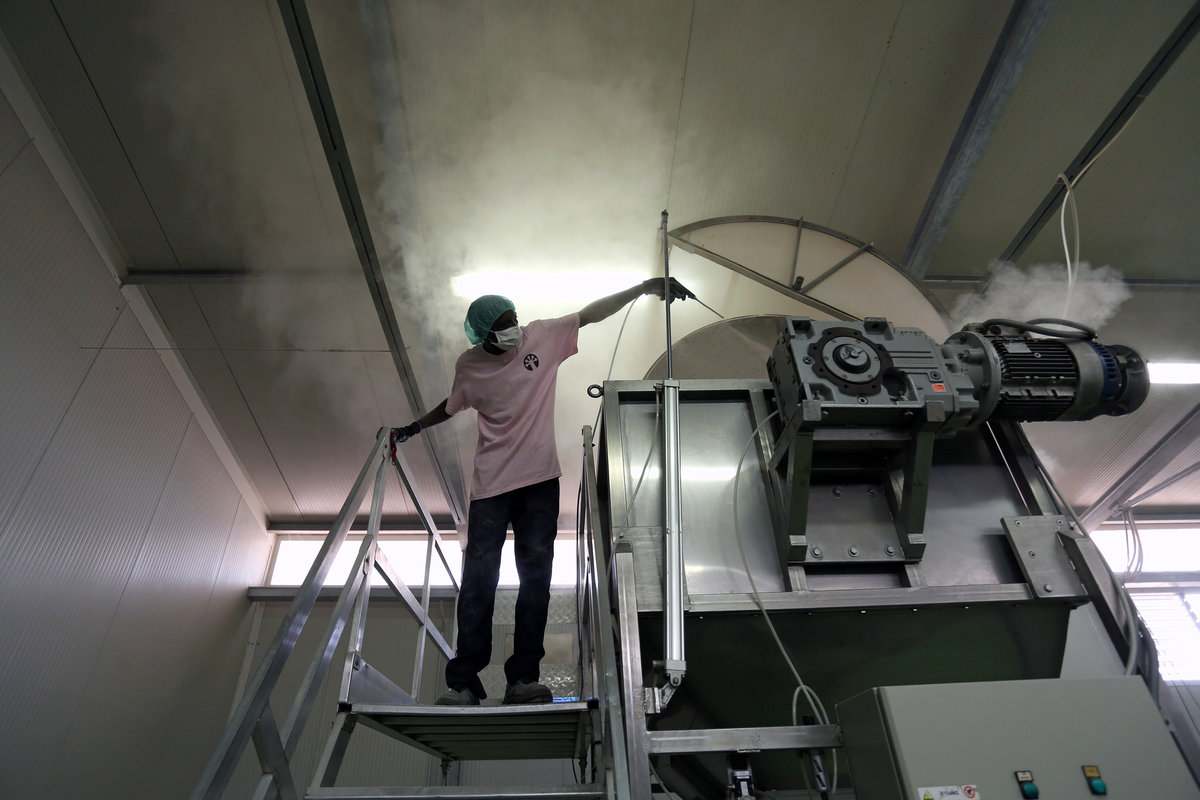
"PRAYING FOR RAIN"
Unlike coffee or cocoa found in abundance in Africa, baobab is not a plantation crop. It takes so long to mature that farmers rely largely on existing trees to harvest.
There is evidence that those trees are under threat.
In June, the journal Nature Plants published a paper saying that 9 of the world's 13 oldest baobab trees had died in the last 12 years. Some of the trees were over 2,000 years old and included South Africa's so called "pub tree".
Their decline was an event of "unprecedented magnitude" potentially linked to climate change, it said.
Dieuhiou has noticed a change.
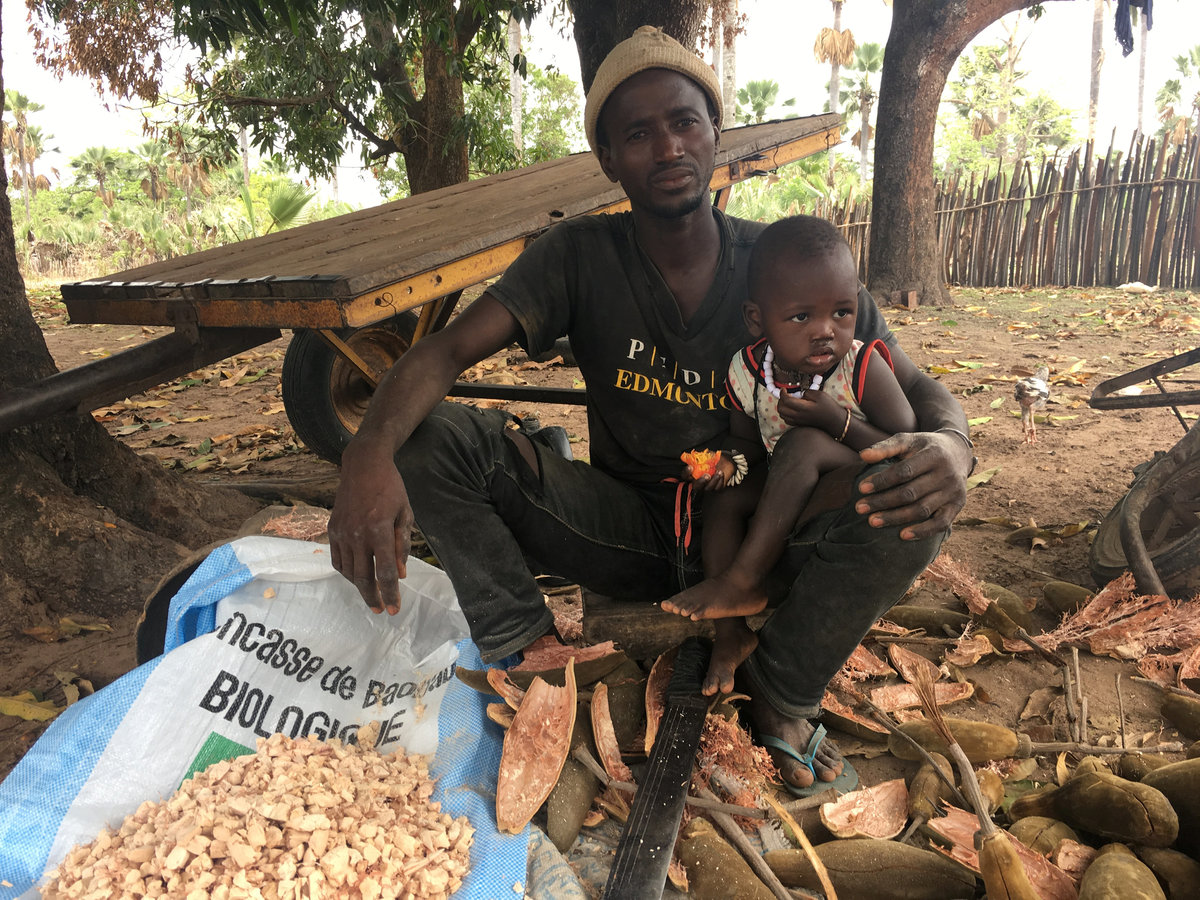
"Normally the rain has started by now, but we have had only one storm," he said in July.
"I have to go to other villages. Before, there was enough right here."
Some producers have planted new baobabs while others have trained farmers to pick fruit without damaging trees.
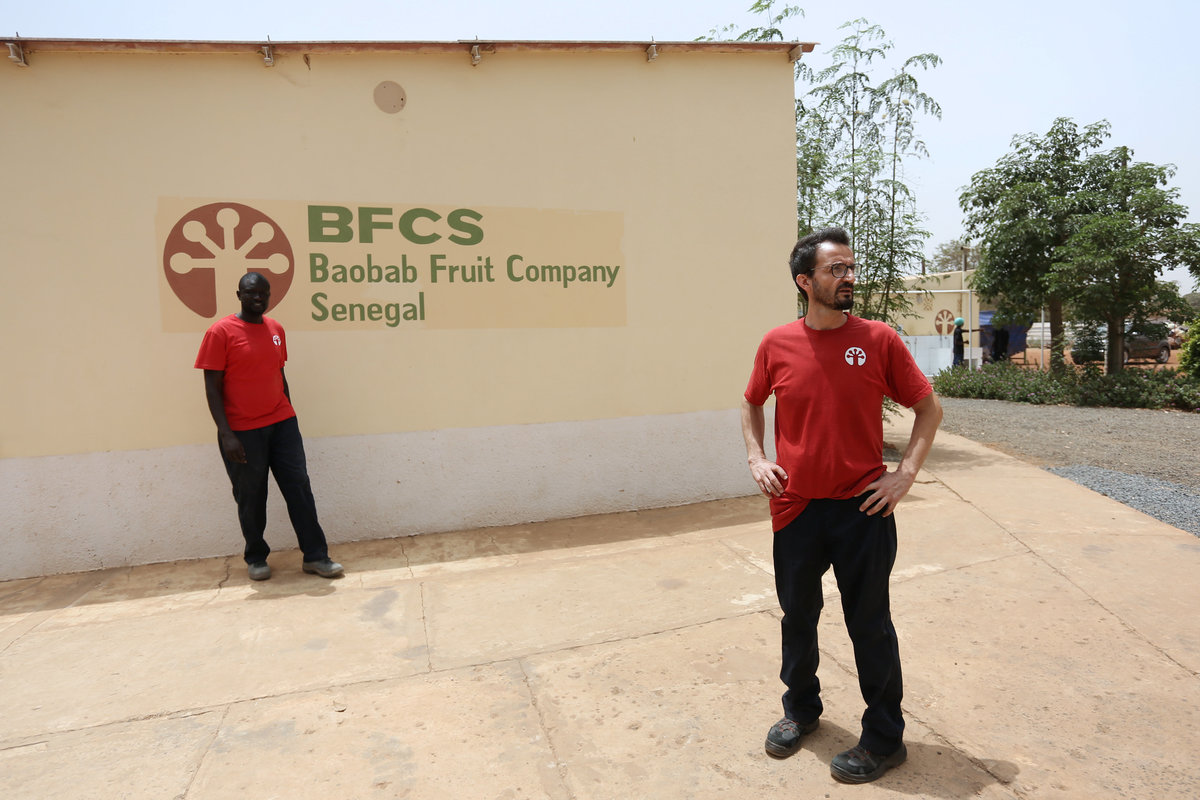
Andrew Hunt, co-founder of London-based Aduna, which sells about $500,000 worth of baobab products from fruit in northeast Ghana said villagers should nurture new plants.
"It is only when the trees are providing income that the communities themselves will...plant, nurture and protect baobab seedlings," he said.
In Casamance, baobab picker Ndella Badiane said she can afford to send her kids to school and buy them clothes since overseas interest reached her hamlet in a forest clearing.
"We are aware of the possibility that the baobab is becoming more and more rare," she said. "We pray that there is enough rain for the baobabs to be able to produce more."
(Editing by Anna Willard)