SEATTLE _ Janet Jones Preston breezes through the heavy metal turnstile leading to the grounds at the Monroe Correctional Complex, a state-run prison where about 2,400 men are locked up.
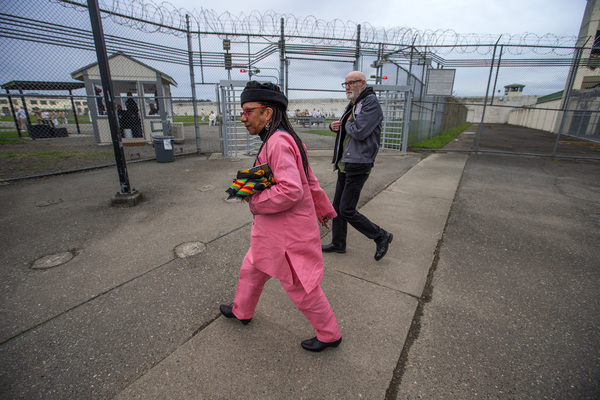
She strides confidently along the sidewalk past the prison yard, where scores of men clad in beige and white cluster in groups, taking in the last of the day's sunlight behind chain-link fencing and razor wire.
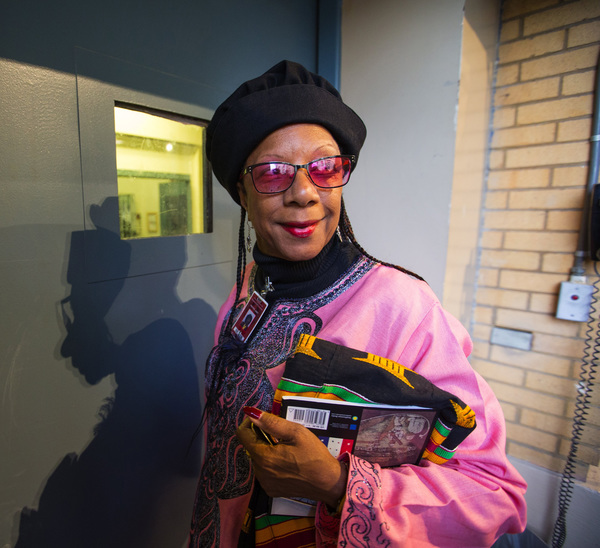
Against the drabness of the yard, Preston, 68, is a human bottle rocket, flashing by in a pink tunic with metallic embroidery, chandelier earrings, a fresh application of lipstick and a black hat covering red-tinted braids that cascade past her shoulders.
She smiles and pumps her right arm in a black-power salute as she passes. A surge of energy passes through the yard as some of the men return the smile and the salute.
Inside the prison, there are security logs to sign and familiar rituals to follow before she and four administrators from Seattle Public Schools are ushered upstairs to meet with 21 inmates representing the education committee of Monroe's Black Prisoners' Caucus.
The committee is a serious and studious group that is prepared to have a spirited discussion about the treatment of African-American students in Seattle schools, and to search for solutions to end what group leader Anthony Wright refers to as "the preschool-to-prison pipeline."
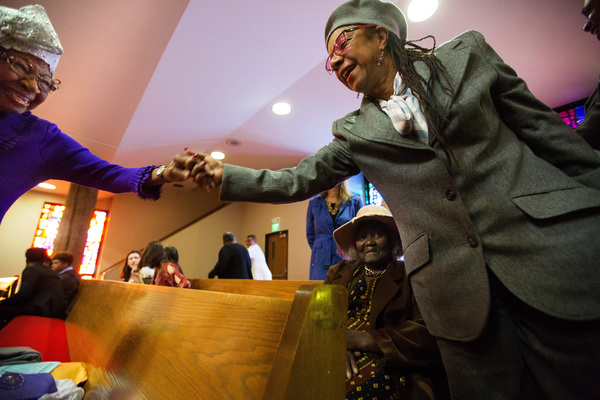
When Preston and her group enter the meeting room, the men embrace her, squeeze her hands, ask how she's doing. One man brings her a cup of herbal tea. Another, a 29-year-old serving a two-decade sentence for burglary and assault, shares his meticulously written journal with her in the few minutes before the meeting begins.
Preston has been attending caucus meetings every month at least once, and often twice, a month _ for more than 18 years. Some of the men have been here as long as Preston has been visiting. She knows dozens more who have served their sentences, or who moved on to other prisons, or to freedom that Preston supported by testifying at their clemency hearings.
"She is an extraordinary person,'' says Wright, the BPC leader. "She has always been a mother figure to us all. She is the reason that our education committee thrives, and is the driving force of the work that we do."
Preston, a grandmother and mother of three who has mothered many others via foster care and advocacy, has a special affinity for these men.
As a former family support worker and supervisor in Seattle Public Schools, Preston helped find food, clothing, safety and classroom support for students affected by poverty and trauma so they could get an education. She also had a front-row seat to how the system so often fails African-American students.
Preston began seeing the effects of those failures up-close in college, when, as part of her coursework, she helped inmates at Monroe prepare for their GEDs. She resumed her visits the past two decades, bringing along teachers, administrators and superintendents from Seattle and surrounding districts so they could hear firsthand how systemic failures in the education system were leading men to jail.
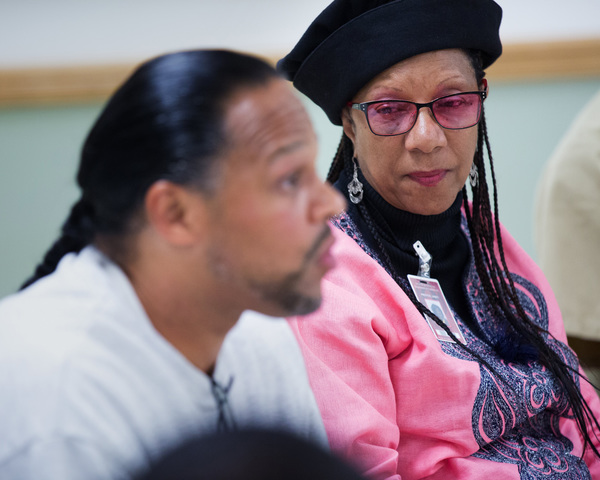
"I'm inspired by Janet,'' says Wright. "She keeps me passionate about making a difference. She empowers us by showing the relevance of our voice even though we are incarcerated. She also strives to keep us connected to our community, and constantly reminds us how much we are missed, thereby elevating our self-worth. We will be forever thankful to Janet for her contribution to the BPC."
Preston has painful experience with the forces that can separate a son from his mother. She knows that preventing others from experiencing that same pain can be mitigated through action. She has seen the corrosive effects of shame and poverty. Knows what it feels like when someone believes in you, even when you don't believe in yourself. Knows what it feels like to belong, and to matter.
Her voice is filled with gratitude when she says, "Only by the grace of God, not I, and only by the grace of God, not my kids."
As a caucus sponsor, she listens to and advocates for the prisoners through a host of social services organizations, including Career Bridge. She also supports at-risk children through Mount Zion Baptist Church, the African-American Leadership Forum, the Grandparents as Parents group, and the Foster Parent Association of Washington State, among others.
"One person can make a difference,'' she says.
She knows because she has, again and again and again.