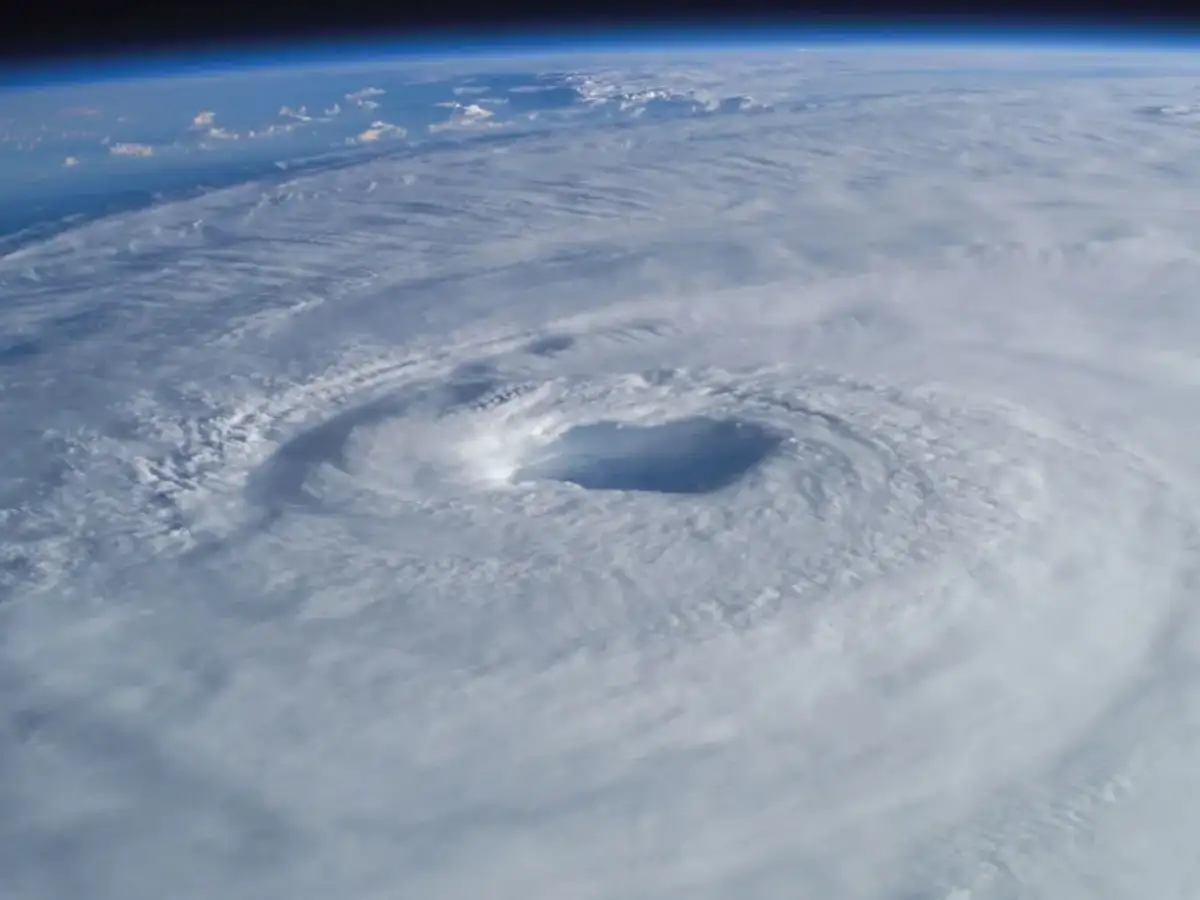
The US National Oceanic and Atmospheric Administration (NOAA) has reaffirmed its forecast for a below-average 2026 Atlantic hurricane season, citing the continued strengthening of El Niño, a climate pattern expected to significantly suppress hurricane development across the Atlantic through the remainder of the season, according to a Fox News report.
In its final outlook released on Thursday, NOAA said there is now a 75% probability that this year's Atlantic hurricane season will remain below normal, a notable increase from the 55% chance projected in its initial forecast issued in May.
Fewer storms expected this hurricane season
NOAA now expects the Atlantic to produce 7 to 13 named storms, including 2 to 6 hurricanes, of which 0 to 2 are forecast to reach major hurricane strength (Category 3 or higher).
The updated outlook includes Tropical Storm Arthur and Tropical Storm Bertha, both of which formed earlier this year.
Fox News said the revised forecast is slightly lower than NOAA's May projection, which anticipated 8 to 14 named storms, 3 to 6 hurricanes, and 1 to 3 major hurricanes.
For comparison, a typical Atlantic hurricane season records around 14 named storms, seven hurricanes, and three major hurricanes.
If NOAA's forecast proves accurate, 2026 would become only the second Atlantic hurricane season in the past decade to finish with below-average activity.
Why El Niño is reducing hurricane activity
The primary reason behind the subdued outlook is the continued presence of a very strong El Niño, one of the most influential climate phenomena affecting global weather.
El Niño occurs when sea surface temperatures across the central and eastern equatorial Pacific Ocean become warmer than normal, altering atmospheric circulation around the world.
These changes strengthen high-altitude winds over the Caribbean and Atlantic Ocean, creating conditions that make it much harder for tropical systems to organise into hurricanes.
According to the report, meteorologists explain that hurricanes require relatively calm atmospheric conditions to develop. Strong upper-level winds associated with El Niño disrupt the structure of developing storms before they can intensify.
Super El Niño could become one of the strongest on record
NOAA says the current El Niño has already reached 2.07 degrees Celsius above average in the key monitoring region of the Pacific Ocean, placing it within the threshold for a Super El Niño.
Such events are relatively rare and typically have a much greater influence on global weather patterns than standard El Niño episodes.
According to the agency, several climate models indicate this could become the strongest El Niño since modern records began in 1950.
NOAA's latest projections suggest the event will likely continue strengthening through October and December, with a 97% chance that El Niño conditions will persist into spring 2027.
Scientists caution, however, that an exceptionally powerful El Niño may not behave exactly like previous events, potentially producing atmospheric impacts that have not been observed before.
Not all hurricane risks disappear
Despite the expectation of reduced activity across the Atlantic basin, forecasters stress that the threat to coastal communities has not disappeared.
While a strong El Niño usually limits long-tracking hurricanes that form over the open Atlantic, it does not eliminate the possibility of storms developing closer to land.
Meteorologists say so-called "homegrown" tropical systems can still form in the northern Gulf of Mexico or near the southeastern US coastline.
Although these storms are often weaker and shorter-lived than major Atlantic hurricanes, they can develop rapidly and leave coastal communities with far less time to prepare.
Experts urge continued hurricane preparedness
NOAA's latest outlook closely aligns with forecasts released this week by Colorado State University, which also expects a relatively quiet hurricane season.
Even with fewer storms predicted, weather experts continue to emphasise that preparedness remains essential.
History has shown that a single hurricane making landfall in a populated area can cause catastrophic damage regardless of how active the overall season turns out to be.
For that reason, NOAA is urging residents in hurricane-prone regions to maintain emergency plans, review evacuation routes and ensure disaster supplies are ready well before any storm threatens land.