Move over cauliflower, it’s time for the brussels sprouts revival. Yes, demand increases tenfold over the Christmas period, but sprouts are not just for Christmas. They are a multi-seasonal hero: healthy, hearty and perfectly suited to the British climate, where they thrive through autumn, winter and spring.
Ian McLachlan is the farming director of Drysdales, the UK’s biggest grower of brussels sprouts – and sprouts supplier to Tesco for 30 years. McLachlan puts the boom in popularity down to, essentially, good breeding; farmers have bred out a compound called glucosinolates, responsible for the bitter flavour. This, coupled with better culinary knowledge, has transformed the diminutive green’s reputation.


Over Christmas, McLachlan and his team harvest about 150m sprouts (or ‘buttons’, as he calls them)
Drysdales farm is situated between East Lothian and the Scottish Borders, overlooking the sea, with plenty of sunlight – perfect for growing brassicas. The farm has a saying that if the sprouts can see the sea they’ll be good. “That and the fresh Scottish air,” says McLachlan.
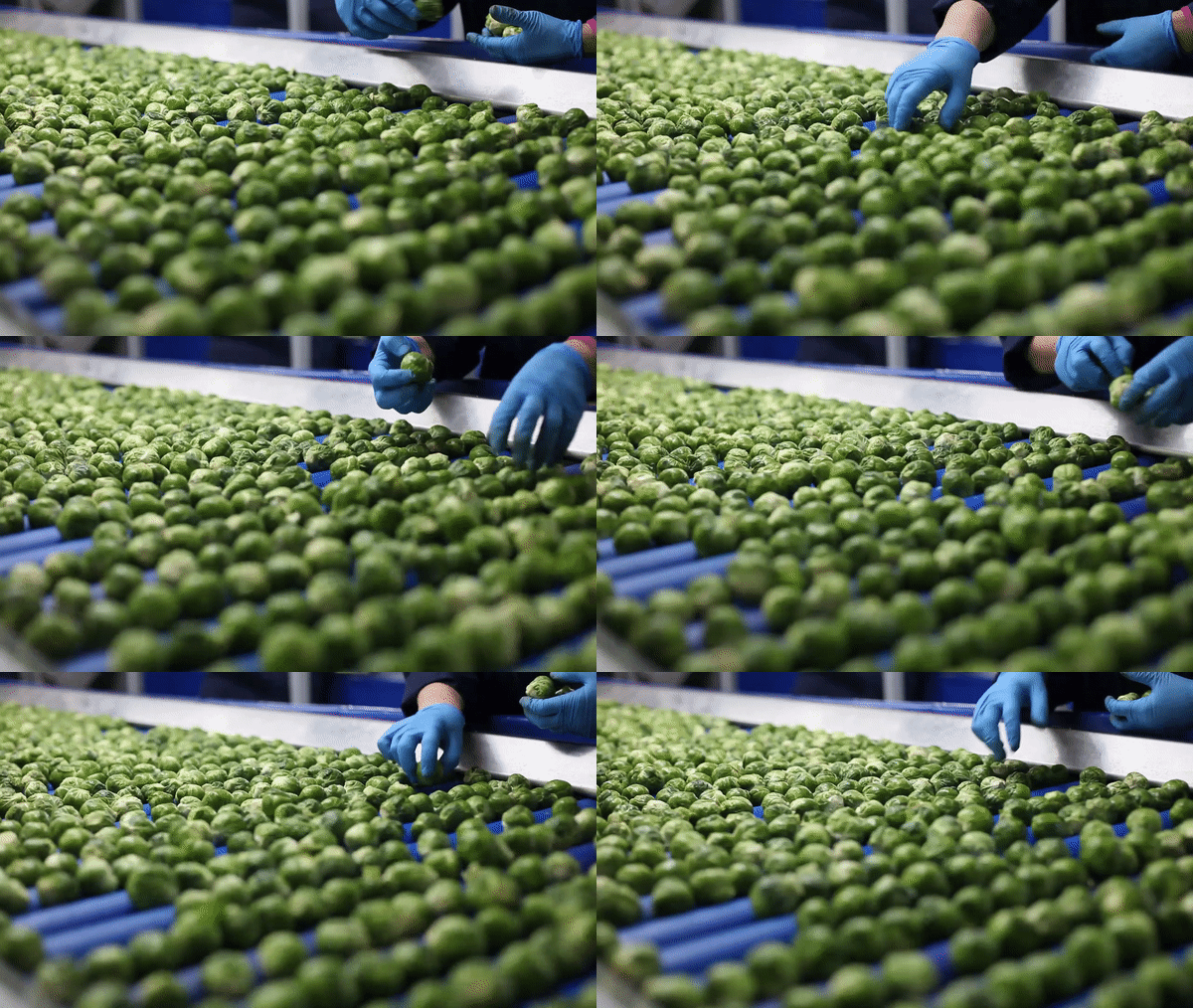
But it takes more than good air to meet the Christmas rush. “We’ve worked with Tesco to implement a range of innovations to help us meet demand,” says McLachlan. These include a four-camera quality inspector and a “robotic sprout-trimming machine”, which gets sprouts shop-ready at speed.
Traditional methods are also used, for example Drysdales plants 23 sprouts varieties in April and May. Each grows at different speeds and thrives in different climes, allowing for the changeable British weather and a bumper crop when needed. Speedia, for example, is a vigorous-growing species harvested first; tall, fast-growing gigantis comes next; then hardy petrus, withstanding temperatures as low as -10C.

As a food sustainability writer and chef, I was keen to understand how such a large farm views sustainability and what efforts it is making to improve its environmental impact. Soil health, says McLachlan, is key.
“We grow thousands of acres of crops every year,” he says. “To ensure good soil health, we work a seven-year rotation. This ensures we don’t damage the land we grow in, and it benefits other crops that follow ours.
“In terms of fertiliser and pesticides, we use soil mapping and monitoring software to ensure we apply the minimum levels possible to maintain good crop quality.”
There’s a zero food waste policy across site – mirroring Tesco’s own commitment that no food safe to eat should go to waste.
Over Christmas, McLachlan and his team harvest about 150m brussels sprouts or “buttons” as he calls them. This huge yield is managed precisely using a range of data and tools, and highly skilled staff, in an around-the-clock operation – with most sprouts harvested by hand. All so we can enjoy our Christmas dinner.
This season I encourage you to think about who grew and picked your brussels sprouts – which could likely have been McLachlan and his team – and get inventive by cooking your sprouts in a new way.
Tesco’s long-term partnerships with suppliers like Drysdales mean they can invest in innovative new technology and work together to cut food waste. For more Tesco supplier stories, visit tescoplc.com/sustainability