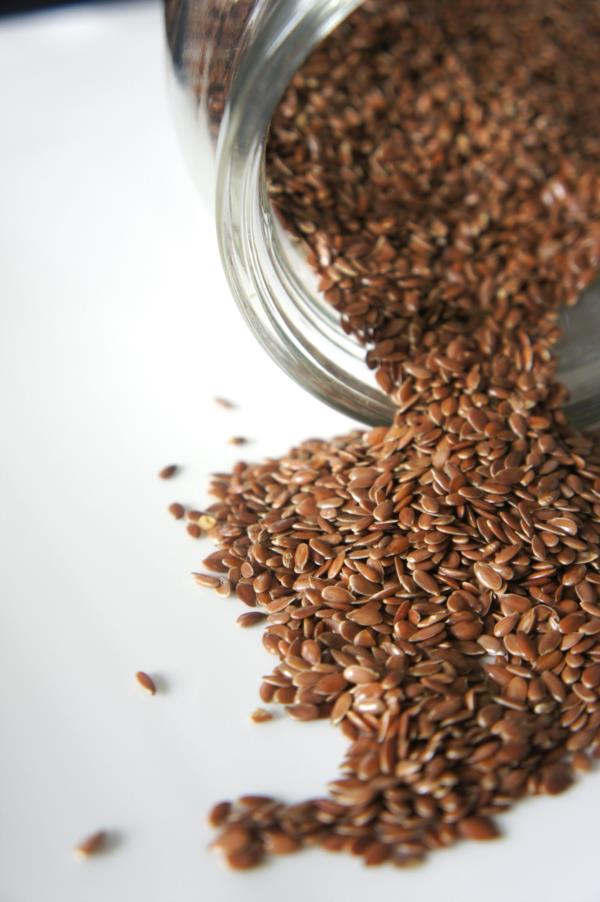
Sunflower seeds are a popular snack enjoyed by many Americans for their versatility and taste. Whether eaten shelled or unshelled, roasted or raw, these tiny seeds offer a range of health benefits that make them a valuable addition to your diet.
Health Benefits of Sunflower Seeds
Sunflower seeds are an excellent source of plant protein, with just one ounce containing 7 grams of protein. This makes them a satisfying snack that can help support heart health and weight management. Additionally, the vitamin E in sunflower seeds can protect the skin from UV damage and keep it hydrated.
These seeds are also rich in fiber, with one cup providing 12 grams, aiding in digestion and promoting a feeling of fullness. Sunflower seeds are high in magnesium, an essential mineral for nerve regulation and bone health. They also contain selenium, which can boost the immune system.
Potential Drawbacks of Sunflower Seeds
While sunflower seeds offer numerous health benefits, they are calorically dense and high in omega-6 fatty acids. Excessive consumption may lead to unintended weight gain and an imbalance in essential fatty acids. Additionally, salted varieties can contribute to high sodium intake, which may impact cardiovascular health.
Are Sunflower Seeds Healthy?
Overall, sunflower seeds are a nutrient-packed snack that can enhance your overall health when consumed mindfully. Despite some drawbacks, such as caloric density and omega-6 content, the benefits of sunflower seeds outweigh the potential risks for most individuals. Opting for unsalted varieties and moderating portion sizes can help you enjoy the health benefits of sunflower seeds without adverse effects.
With their impressive nutritional profile and array of health benefits, sunflower seeds are a smart choice for a satisfying and nourishing snack.