Sun damage can also seriously affect our eyes. Yet only about half of Australians say they always wear sunglasses when they’re outside, according to research conducted by Specsavers.Australia is hit by more solar energy than any other continent on earth. And while we’re raised on a diet of “Slip, Slop, Slap, Seek, Slide”, at least two-thirds of us will be diagnosed with skin cancer before we turn 70.
Sun damage can also seriously affect our eyes. Yet only about half of Australians say they always wear sunglasses when they’re outside, according to research conducted by Specsavers.
The science behind sun protection has come a long way since the early days of “no hat, no play”. Our defences against UV damage are always improving, and it’s time to make sure you’re doing the best you can to keep every part of your body safe in the sun.
Sunscreen is only part of being sun smart

Lathering on a thick layer of sunscreen at the beach feels more like sun protection than it really is, says Dr Linda Martin, a doctor with Melanoma Institute Australia. She says the more critical aspects are keeping out of the sun altogether or, if it’s unavoidable, putting as many barriers as possible between us and UV rays.
“The most important parts of sun protection are behavioural: walking in the shade, not going out in the midday sun, and wearing appropriate clothes and hats,” Martin says. That means wearing a hat that protects our ears, face and neck, tops and pants that cover our skin, and well-fitted sunglasses.
“Sun protection is wearing long-sleeved clothing and a hat, and sitting in the shade.”
There are different types of sun damage
Spending time in the sun without protection has short- and long-term risks. Sunburn exposes us to pigmentation changes, such as age spots and freckles, and signs of premature ageing, such as decreased elasticity, dryness and uneven skin texture.
“But the long-term risks are getting cancer,” Martin says. “The common skin cancers are BCC (basal cell carcinoma), SCC (squamous cell carcinoma) and actinic keratosis. But, while rare, there are also more deadly skin cancers, like melanoma.”
Our eyes can be affected in different ways, too. Simon Kelly, an optometrist at Specsavers, says we also need to be thinking about protecting the whole eye, not just the iris. “The skin on the eyelid is particularly thin and a very common place for eye cancers,” he says. “Other sun-related issues that can affect the quality of our vision are cataracts, pterygiums – a fatty growth that can spread to the cornea – and macular degeneration.”
Your eyes need sun protection, too
Choosing the right eye care is critical to getting the right level of protection. “There are different types of sun protection,” Kelly says. “Polarised is recommended by the Cancer Council for good reason – because the light that bounces off things and gets under our natural defence mechanisms, like the eyebrow, can get into our eyes and cause damage. Polarisation cuts out that bounce and glare.”

Always think about sun protection for your eyes, no matter how long you’re planning to be outdoors or what the weather is like.
Kelly says we should be choosing sunglasses that are big enough to cover the eyes and the skin around them, and that wrap around the side to try as much light as possible from getting in. He says we need to look for regulated products that are fit for purpose, not just fashion sunnies that look good but don’t offer any protection.
“Sometimes people have got vision problems, and they might need prescription sunglasses. Some people don’t like to wear sunglasses because they can’t see as well, or because they’re looking through a darker lens, but it’s often because their eyes are out of focus. All they need to do is get prescription sunnies.”
Prevention is the best defence
Martin and Kelly both say we should always be thinking about sun protection for our eyes, no matter how long we’re planning to be outdoors or what the weather is like.
“Sun protection should be considered on all occasions,” Martin says. “One thing to remember is that the visible light – the brightness of the day and heat – are separate from UV radiation. Just because it’s hot doesn’t mean there’s high UV and vice versa.”
The World Health Organisation recommends that sun protection should be considered when the UV index is greater than 3. But Martin says the need for protection also depends on skin colour and the duration of exposure, and we should always err on the side of caution.
The effects of UV damage might not show up until years later
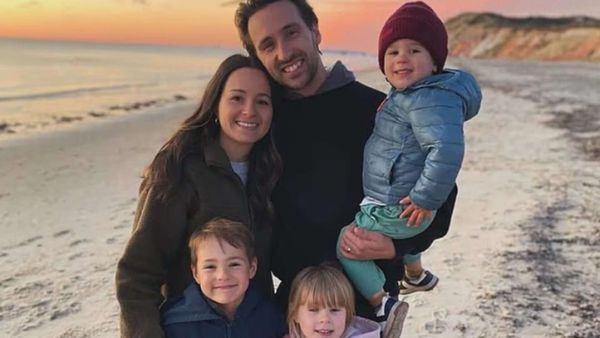
Starting good sun protection habits early can save lives. We have a significantly increased chance of developing melanoma if we were sunburnt as children and teenagers.

We have a significantly increased chance of developing melanoma if we were sunburnt as children and teenagers.
Teaching our children to cover up properly, apply and reapply sunscreen, wear the right sunglasses and avoid midday sun can protect them from deadly cancers and other sun-related conditions later in life. For the rest of us, choosing the best sun protection every day – even if we’re only outdoors for a moment – is the best way to minimise long-term damage and stay healthy.
Specsavers optometrists are encouraging all Aussies to be sun smart as we head into warmer weather, and to visit an optometrist for a routine eye test or if they have any concerns about their eyes. To book your appointment or for more information visit here.