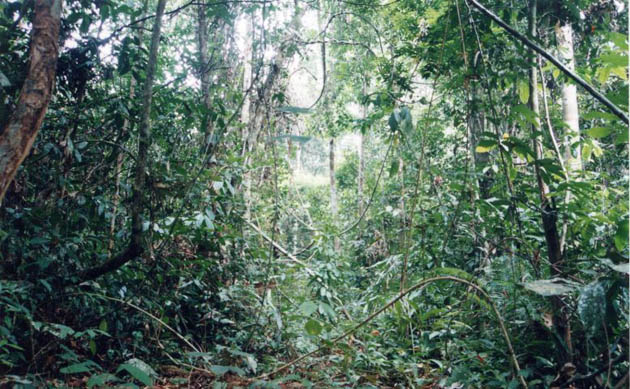
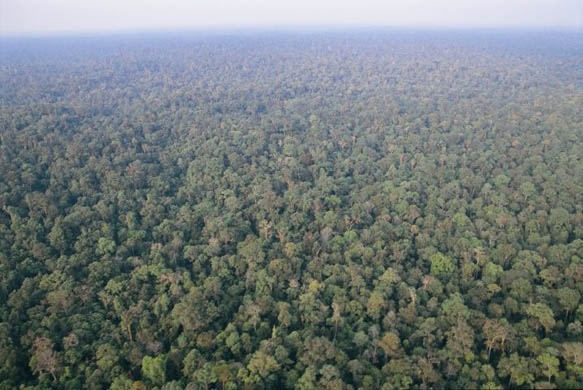
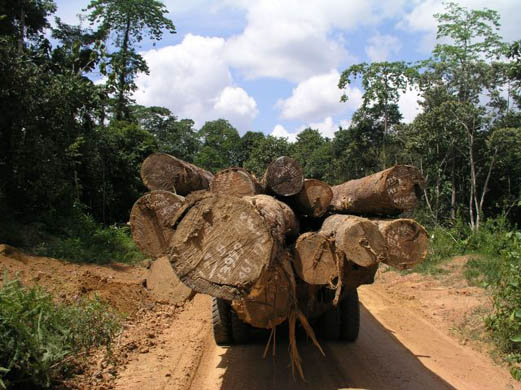
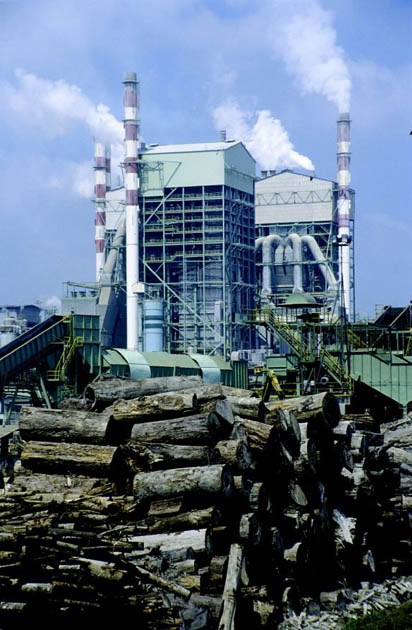
Barely 600,000 of the 20m hectares of rainforest that originally covered Sumatra remain, and the number of trees felled still increases each yearPhotograph: Dwi Lesmana/PRView of Harapan forest from the air. Across Indonesia, an area of jungle the size of 300 football pitches is cleared every hour Photograph: Marco Lambertini/BirdLife International /PRJuly 2006: The last logs are extracted by the legal logging operationPhotograph: Marco Lambertini/BirdLife International/PR
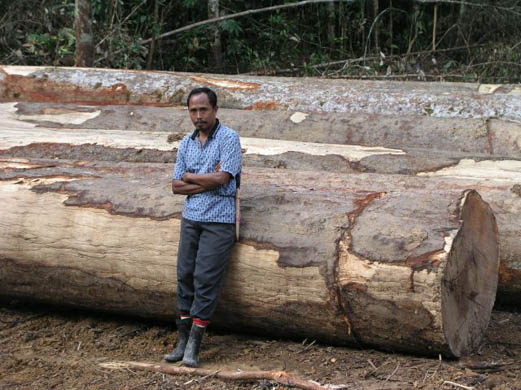
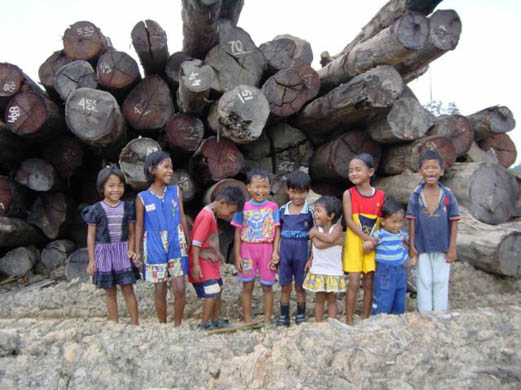
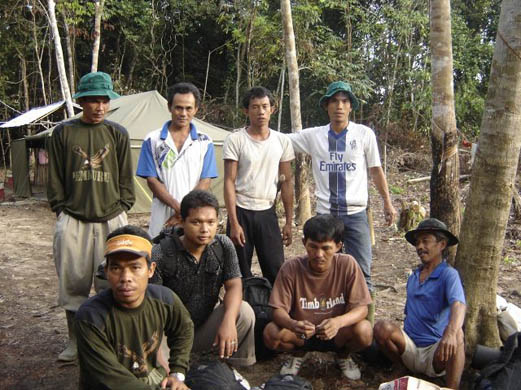
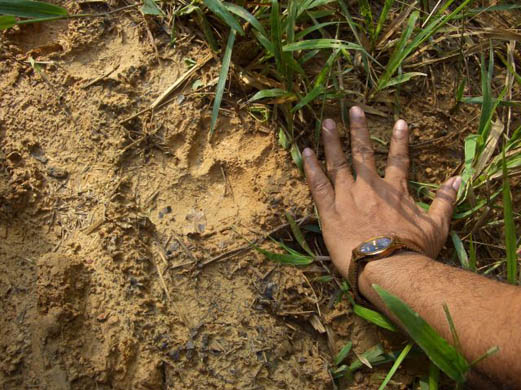
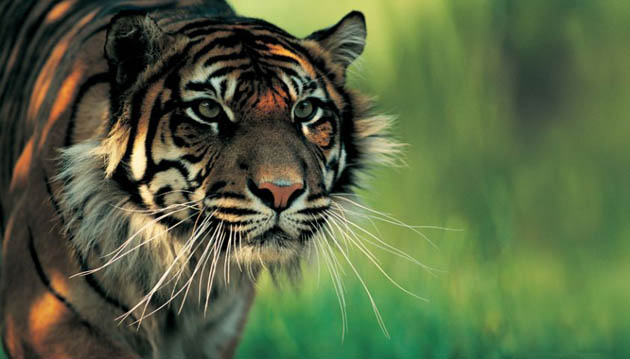
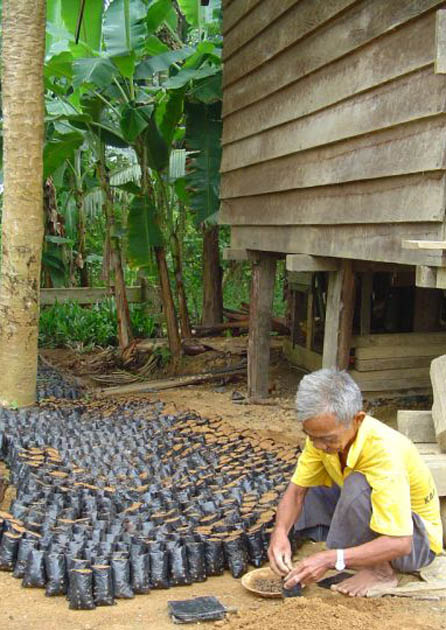
Piles of cut timber wait at the roadside. Dozens of loggers are known to still operate within the Harapan boundary Photograph: Marco Lambertini/BirdLife International/PRLocal children by felled logs. Illegal extraction of timber can be very lucrative so any projects that aim to protect the carbon locked up in forest will face a conflict between long-term environmental goals and short-term local interestsPhotograph: Marco Lambertini/BirdLife International/PRLocal people have joined the Harapan project patrol to take on the timber thieves. It is dangerous work. They have been fired at by soldiers working with the illegal loggers and threatened with machetes Photograph: Ian Rowland/RSPB/PRSumatra’s rainforest is home to 260 bird species and dozens of mammals, including some of the only remaining Asian elephants. But its destruction is not bad news for all the reserve’s residents as these tiger tracks suggest Photograph: Mairi Dupar/RSPB/PRThe forest’s rare Sumatran tigers, some of only 200-300 left in the world, are flourishing, probably because the broken landscape encourages the wild pigs they huntPhotograph: Dave Watts/PRUp to a quarter of all manmade greenhouse emissions are thought to come from deforestation, more than from the world’s transport systems combined. If factored into global emissions, Indonesia becomes the world’s largest producer of carbon dioxidePhotograph: Marco Lambertini/BirdLife International/PRDatuk Yani is an elder of Sepintun village, bordering Harapan forest. She is planting a species of rattan, known locally as Jernang (Daemonorops draco). The rattan fruit is used in the production of commercial antiseptics and toothpaste and fetches a good price. As part of the Harapan project the Jernang tree is being cultivated to support local livelihoods Photograph: Desri Erwin/PR
Sign up to read this article
Read news from 100’s of titles, curated specifically for you.