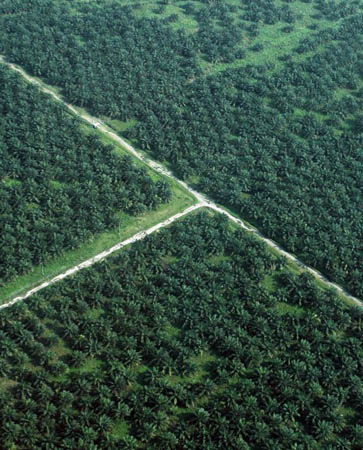
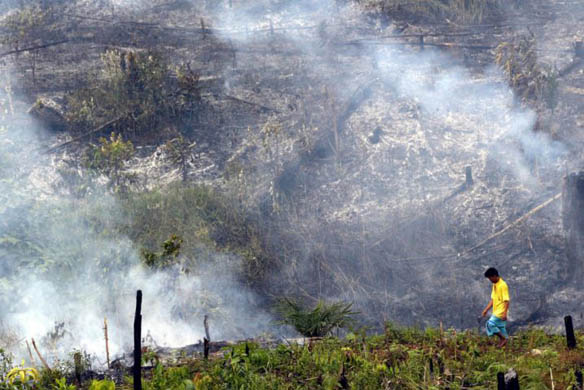
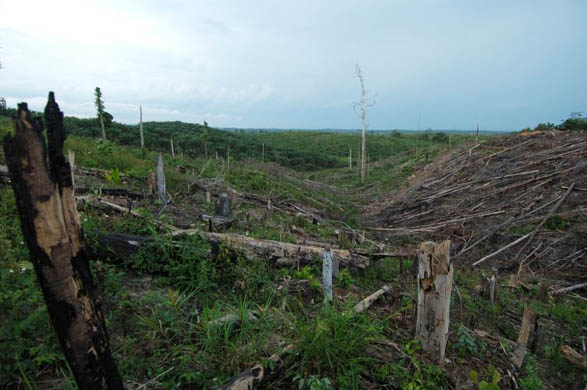
Animals were found in areas like this palm plantation on the outskirts of Medan, north Sumatra Photograph: AFPDegraded land has already been stripped of its largest trees. Here, a man walks past smouldering forest lit for land-clearing in Riau province, Sumatra. ZSL scientists studied 2000 sq km of land next to the Bukit Tiga Puluh national park in central SumatraPhotograph: Tatan Syuflana/APIndonesia is one of the world's most ecologically diverse regions. Though its rainforests are protected from loss, development of degraded forest by timber companies or into oil-palm plantations is actively encouraged by the government. The Indonesian palm oil industry also lays waste to tribal landsPhotograph: Jonathan Green/Rex Features
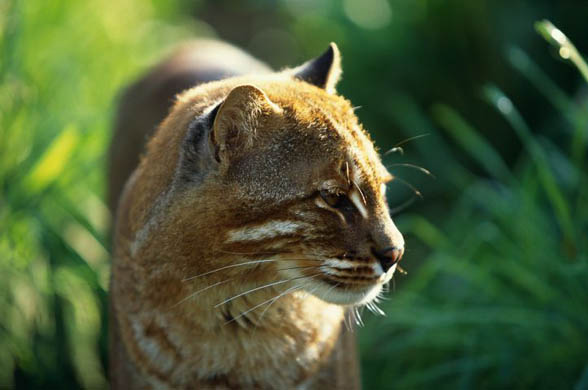
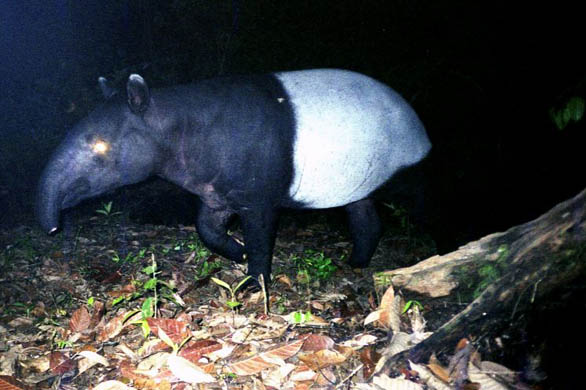
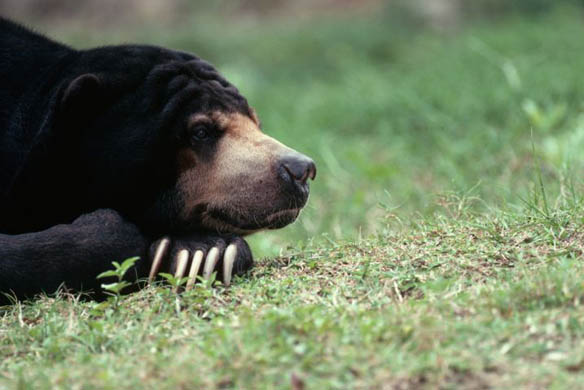
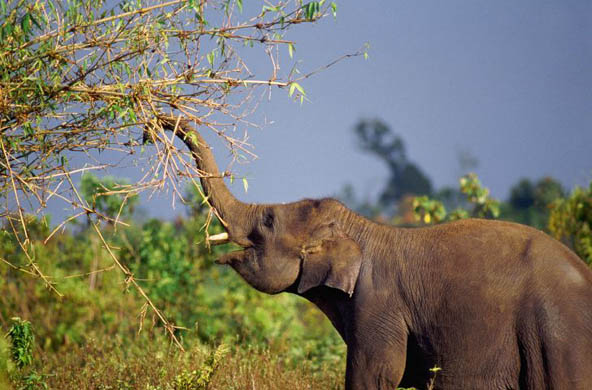
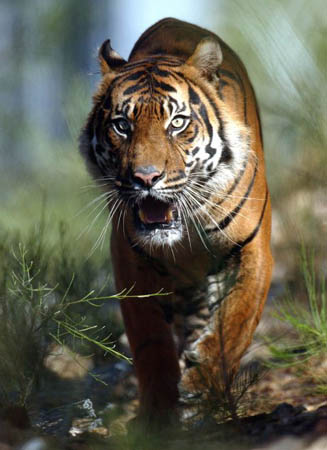
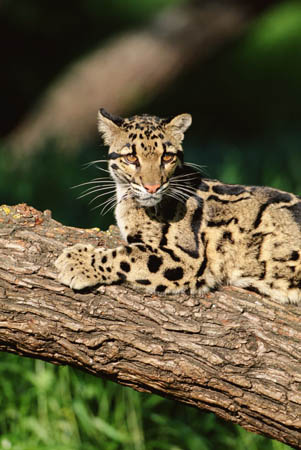
One of the species found by the ZSL scientists was an Asiatic golden cat, which is threatened by habitat destruction and hunting for its fur. Trade in the golden cat’s fur is prohibited under the Convention on International Trade in Endangered Species (Cites)Photograph: Tom Brakefield/CorbisTapir, caught here on camera at night, were also found in the 2,000 sq km area of degraded land studied by the scientists. Tapir populations have been reduced considerably due to hunting and habitat loss through agriculture, cattle grazing and loggingPhotograph: Zoological Society of LondonMalayan sun bears were also found on the degraded land. Sun bears traditionally live across south-east Asia in lowland tropical rainforest, feeding on fruits, berries, insects, termites, eggs and small vertebrates. They frequently climb trees to raid beehives for honeyPhotograph: Joe McDonald/CorbisA young Indian elephant feeds on bamboo in Sumatra. Using camera traps, the ZSL scientists took pictures of an entire family of Asian elephants, a species currently classified as endangered by the World Conservation Union's Red List - fewer than 50,000 of these animals are left in the wild and they are at risk from the illegal trade in ivoryPhotograph: Wayne Lawler/Ecoscene/CorbisThe team also found evidence of the Sumatran tiger, classified as critically endangered. The smallest of all tiger subspecies and found only in Sumatra, it is believed there are only 250 mature individuals left. It is threatened by habitat loss and poachingPhotograph: Brian Cassey/APA clouded leopard, also seen by the scientists, is the second largest predator on Sumatra after the tiger. There are estimated to be between 3,000 and 7,000 remaining on Sumatra. The species listed as "vulnerable" on the 2006 IUCN World conservation Union red list because of habitat destruction and poaching for its fur Photograph: Joseph Van Os/Getty
Sign up to read this article
Read news from 100’s of titles, curated specifically for you.