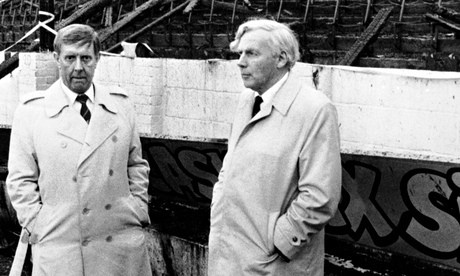
With reference to your recent coverage of the Bradford City fire and Martin Fletcher’s book about it (‘No accident’: stadium fire that killed 56, 16 April, and several subsequent reports), 11 May will see the 30th anniversary of this tragic event, which relatives and survivors will no doubt wish to acknowledge by private grief and sad recollection. They will now have to cope with the suggestion implicit in Mr Fletcher’s book that, far from being an accident as the tribunal found, the fire was started by Stafford Heginbotham, Bradford’s then chairman, for the insurance. This suggestion, widely publicised, will no doubt have caused distress to the people of Bradford. I am writing this to reassure them that in my view the suggestion is nonsense for the following reasons:
1. The public aspect of the inquiry into the facts took place soon after the fire while the events were fresh in everyone’s mind. We needed to learn lessons and were required to make recommendations as soon as possible to prevent a similar tragedy in the future. Hundreds of statements and numerous other documents including the video of the fire had been provided to us, which I and my assessors, a retired chief constable and a retired chief fire officer, were able to read before the hearing. After hearing the evidence over five days, we adjourned to the Home Office, where we heard more evidence before submitting our interim report in July and our final report in about December. The suggestion in some papers that we did not think the inquiry was important or that we were too focused on the riot at Birmingham (which we considered later) is just plain wrong.
2. We did not know about the previous fires. Neither the fire authorities, nor the police, nor indeed Mr Heginbotham’s own fire insurers, or any of the members of the public who submitted statements or letters, alerted us to that information or indeed suggested that there was in fact anything sinister. If we had known about the previous fires at his premises, we would have asked the authorities for their views in order to satisfy speculation. But in the light of the uncontradicted forensic evidence ruling out arson, in the absence of any evidence to suggest it and in the light of the TV film which we saw, we reached the unsurprising conclusion that the fire was an accident. Anyone familiar with investigation into fires will know that the fire authorities and insurance fire adjusters take a very sceptical view about claims made by owners of buildings under fire insurance policies. Fires caused by arsonists tend to leave clues.
3. Additionally, neither the chief fire officer of Liverpool, one of my assessors, nor the fire department at the Home Office cast any doubt on the conclusion. I have had some experience both at the bar and on the bench dealing with fire claims and added my own views.
4. Calls for another inquiry, particularly from politicians in the month before an election, need to be treated cautiously. By all means let the authorities look at the previous fires in order to satisfy further speculation, but nothing can change the evidence given at our inquiry.
5. Nor has anyone suggested how, when or where Mr Heginbotham organised the fire nor why he chose a day when there was one of the largest crowds ever at a match at Villa Parade and chose a time (just after half time) when the stand was still full with 4,000 spectators.
Accordingly, while Mr Fletcher’s book is rightly a tribute to his industry and is an emotional record of the terrible tragedy suffered by his family, I have to say that his conclusion that the fire was caused by arson is, in my view, nonsense.
Sir Oliver Popplewell
Chair of the Popplewell inquiry into crowd safety at sports grounds