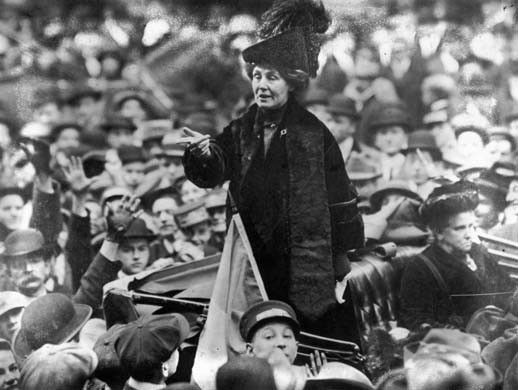
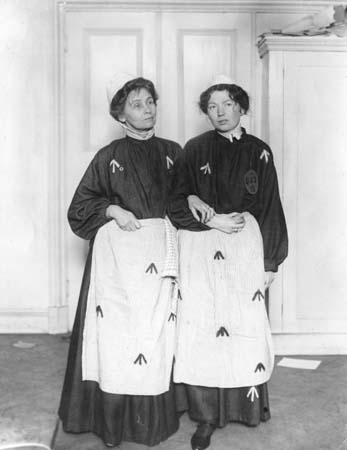
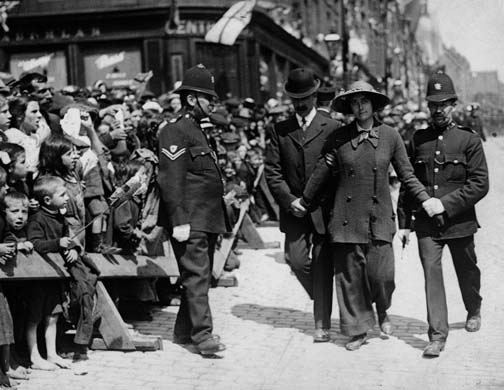
Emmeline Pankhurst adresses a crowd in 1911. She was one of the founding members of the British suffragette movementPhotograph: GettyEmmeline Pankhurst and her daughter Christabel wearing prison uniforms during a spell in jailPhotograph: GettyA suffragette under arrest in Dundee circa 1910. Scotland's first suffrage movements emerged in the late 1860s but peaceful protest achieved only minor change until the early 1900s when activists took a militant approachPhotograph: Getty
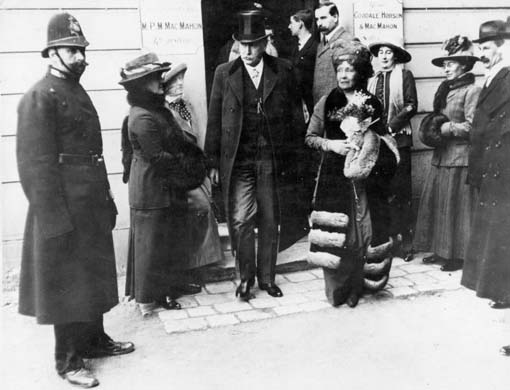
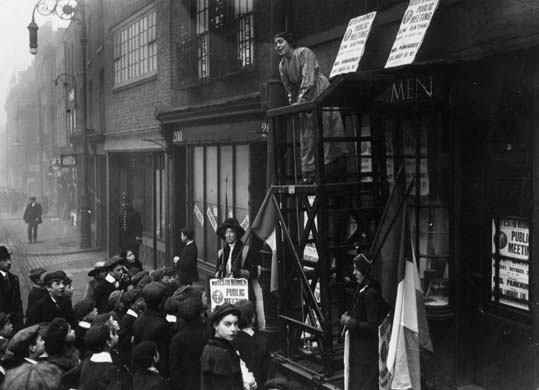
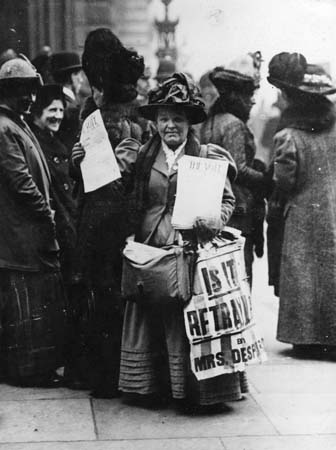
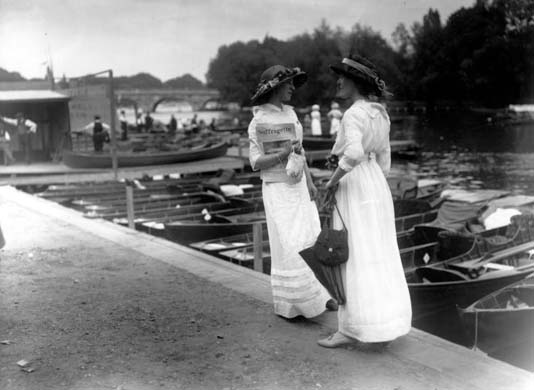
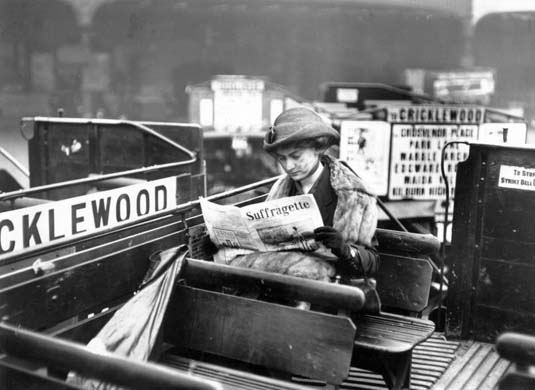
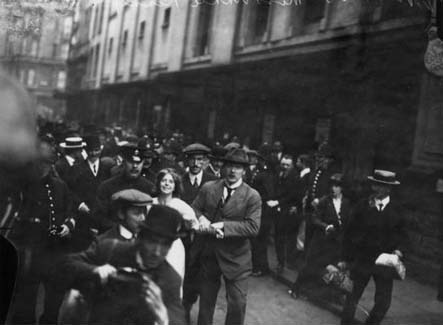
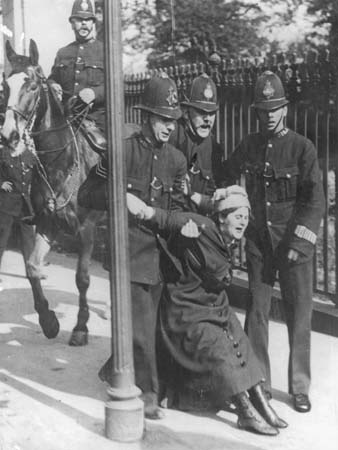
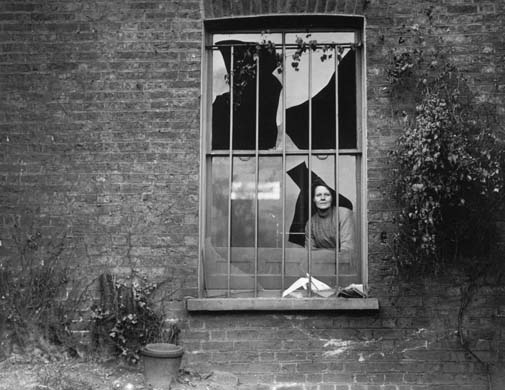
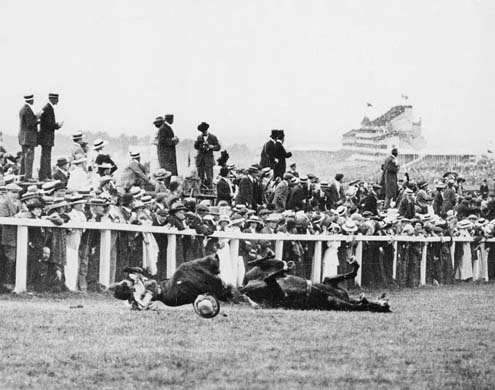
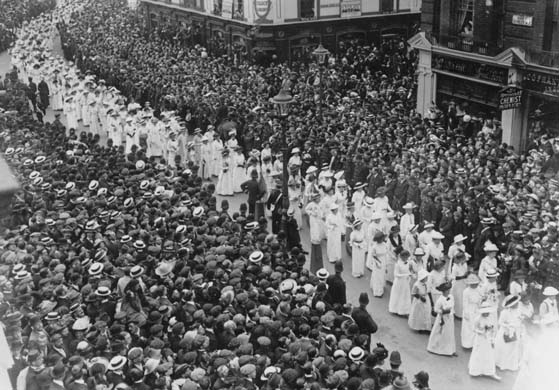
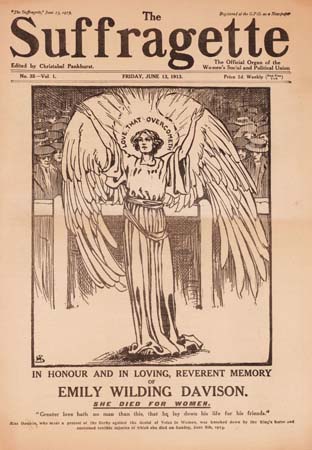
Emmeline Pankhurst is arrested at a protest outside Buckingham Palace. Her tactics for drawing attention to the suffragette cause led her to jail several timesPhotograph: UnknownEmmeline Pankhurst leaves the court at Epsom in February 1913 with James Murray, a former MP who stood bail for her. She went on hunger strike several times during imprisonmentPhotograph: GettySylvia Pankhurst, daughter of founding suffragette Emmeline Pankhurst, takes a break from painting the front of the Women's Social Defence League premises in Bow Road, east London, to address a crowdPhotograph: GettyA suffragette selling a newsheet outside Bow Street magistrates court in May 1913, where some suffragettes were being triedPhotograph: GettyTwo suffragettes selling The Suffragette at the Henley Regatta in July 1913Photograph: GettyA woman reading the Suffragette on an open-top London bus. The movement was born out of women's social and economic frustrationPhotograph: GettyWomen with sandwich boards advertising a suffragettes' meeting Photograph: N Miller/GettySuffragette Annie Kenney is arrested during a demonstration. She was credited with encouraging militant suffragettes when she heckled Winston Churchill at a meeting in 1905. She was subsequently imprisonedPhotograph: GettyA woman restrained by three policemen during disturbances outside Buckingham Palace. Suffragettes turned to direct action, such as chaining themselves to railings and smashing windowsPhotograph: GettyA woman peers through a shattered window in Holloway prison after suffragettes caused an explosion at the jail in 1913Photograph: GettyEmily Davison is fatally injured trying to stop the king's horse, Amner, at the Epsom Derby in June 1913Photograph: Arthur Barrett/GettyCrowds line Emily Davison's funeral procession. Some eyewitnesses believed she had been trying to cross the track, believing all the horses had passed, though others said she had tried to pull down the king's horsePhotograph: GettyThe front page of The Suffragette newspaper depicts Emily Davison as an angel on 13th June 1913Photograph: Sean Sexton/GettySuffragette Christabel Pankhurst in a polling booth circa 1910. In 1918 parliament granted the vote to women over 30 who were householders, the wives of householders, occupiers of property with an annual rent of £5, and graduates of British universitiesPhotograph: PA
Sign up to read this article
Read news from 100’s of titles, curated specifically for you.