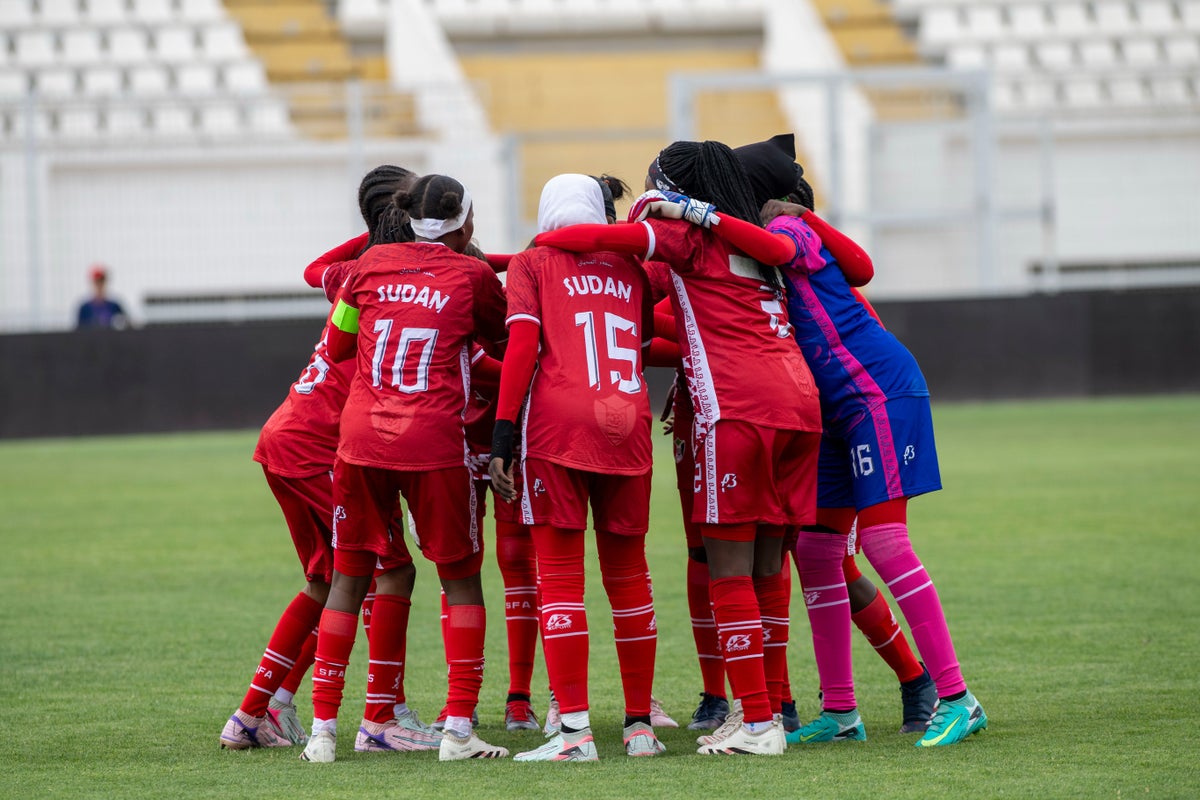
Their red jerseys, a stark contrast against the green pitch of Larbi Zaouli Stadium in Casablanca, Morocco, marked a historic moment for Sudan.
Most were teenage girls, some having fled war, others having never experienced an organized soccer league or set foot in a major stadium.
Yet, their presence signified Sudan’s first appearance in international women’s soccer since a devastating civil war erupted in a nation where female participation in sports has long been contentious.
"My goal is to lift up soccer in my country," 17-year-old team captain Nura Mohamed told The Associated Press, her voice brimming with determination. "It’s a beautiful, unique feeling because, at the end of the day, I just love playing."
While the men's World Cup captivated audiences on the other side of the globe, Sudan’s under-17 women’s national team embarked on a challenging journey to Morocco last week. Their mission: qualifying matches for the 2028 Los Angeles Olympics.
The inexperienced squad, however, faced formidable opponents, suffering heavy defeats against Comoros, conceding 30 goals across two matches. Tears flowed freely after the final whistle, even as a dozen cheering fans offered their support.
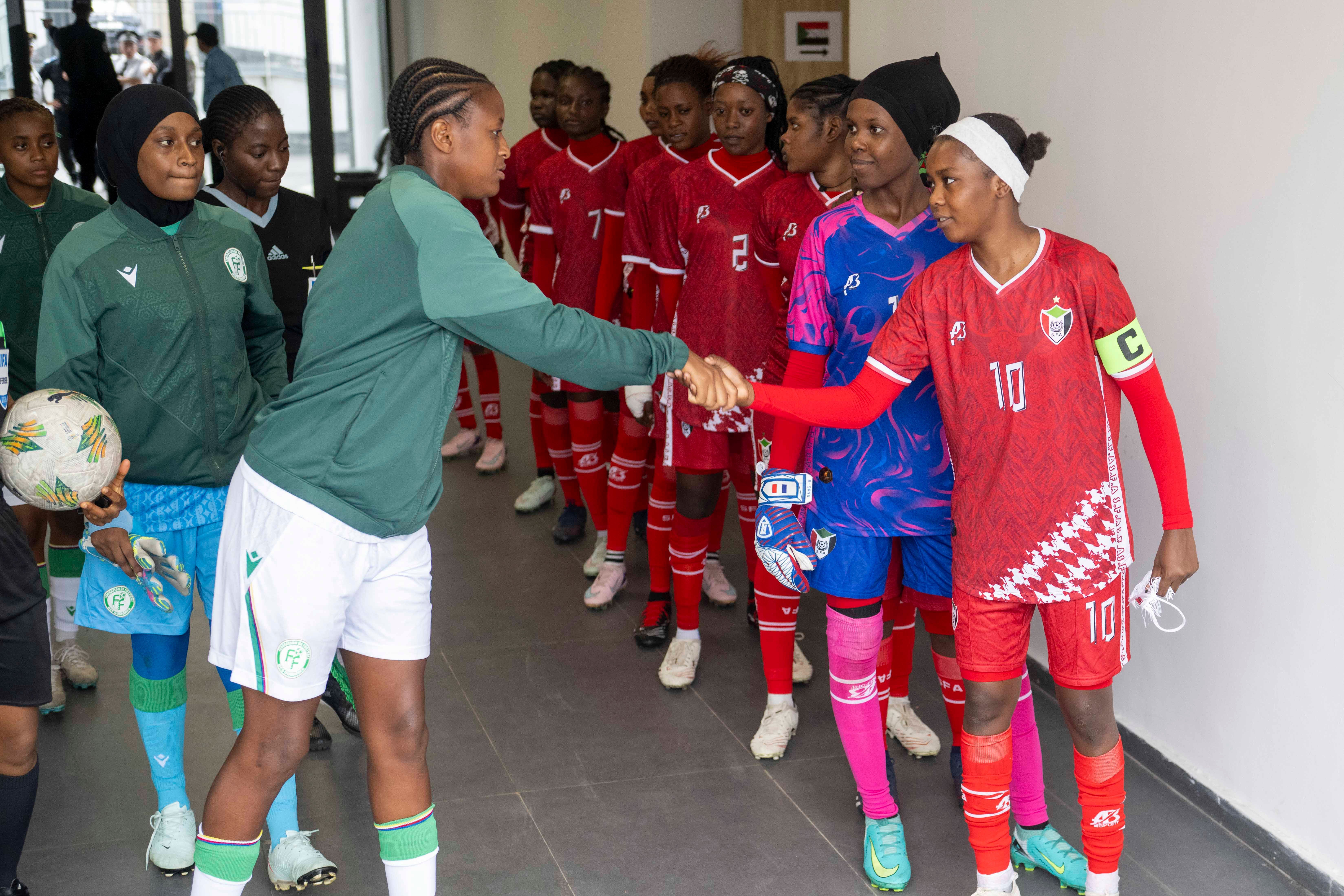
The disparity was stark. Sudan’s team, primarily composed of schoolgirls, faced an older, fitter, and more experienced Comoros side, many of whose players compete in Europe.
Unable to assemble a senior women’s squad in time, Sudan’s soccer federation entered the younger team to avoid forfeiting their place in the qualifiers, with the girls having only begun training weeks prior.
"The difference between us and the others is huge. We cannot yet compete at the highest level," Burhan Tia, a veteran Sudanese soccer coach overseeing all of Sudan’s women’s national teams, remarked after the first match, a 17–0 loss.
Despite the on-field struggles, this team embodies a profound hope for Sudan's future. The nation’s women’s soccer infrastructure collapsed when civil war erupted in 2023.
For federation officials, debuting this young squad in Casablanca, after years of conflict, represents a crucial step in preserving women's soccer in Sudan.
"Some traveled long distances just to attend training. Many are separated from their families, yet they continue to work hard and pursue their dream," Manal Ali Bushra, a businesswoman who heads the women’s soccer committee, told the AP.
She added that the federation is working on infrastructure projects, including a planned sports city and stadium renovations in safer regions, though she declined to discuss the women’s program budget.
Coach Tia understood the immense challenge of rebuilding a shattered team.
"First, I had to find girls who played soccer. Then, once I found girls who played, I had to make sure they were the right age," he explained. "Then I needed to convince their parents to let them miss classes for training."
With the league suspended, his scouting efforts spanned schools across Sudan and extended to neighboring Egypt, where many families had sought refuge from the war.
He recruited 10 players from teams and academies in Cairo, with the remainder drawn from Sudanese cities. Tia lamented his inability to recruit from conflict-hit areas like Darfur or Kordofan, known for producing top athletes, due to players lacking identification documents and the war-torn transportation networks.
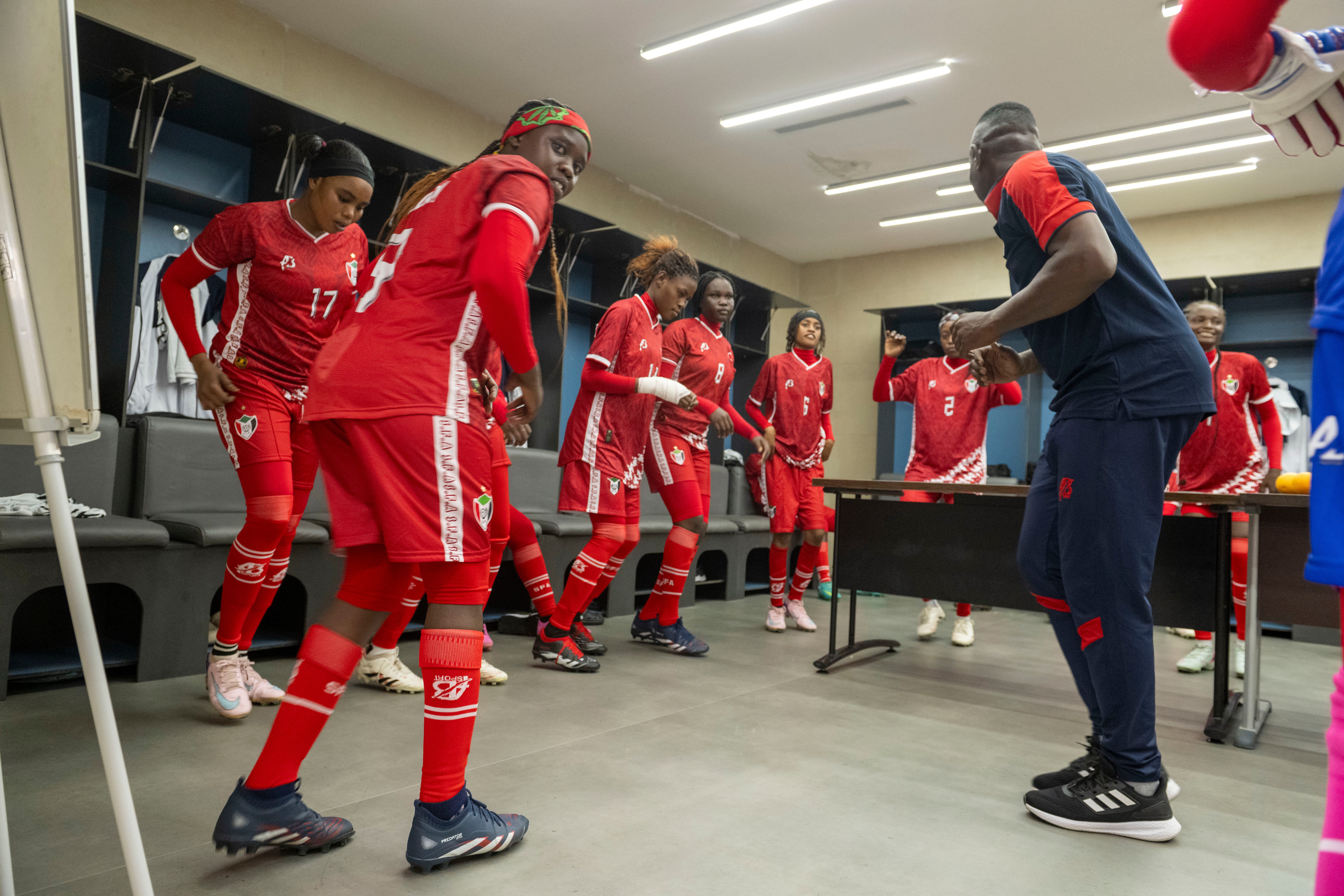
On the field, the players’ inexperience was evident. Basic positioning, holding the offside line, and maintaining tactical discipline proved difficult, with players frequently looking to the sidelines for guidance from their coaches.
The backdrop to this sporting endeavor is the United Nations-described "world’s worst humanitarian crisis" in Sudan.
The 2023 power struggle between the military and the paramilitary Rapid Support Forces escalated into a brutal conflict marked by mass killings, rape, and ethnic violence.
Over 40,000 people have been killed, and more than 14 million displaced, with famine and disease rampant. This war halted all sports activities, including the women’s soccer league, which had only been officially established after the 2019 revolution that ousted Omar al-Bashir.
His three-decade Islamist rule imposed Public Order Laws that rights groups said severely restricted women’s freedoms. Even post-revolution, prominent Sudanese preacher Abdulhay Yousif condemned the women’s football league as an attempt to undermine religion.
Liv Tønnessen, a political scientist researching gender politics in Sudan, highlighted the historical context: "The idea of women running, jumping, sweating, and even something as simple as their bodies being visible in motion, was seen by Bashir’s Islamist regime as producing fitna, which in a Sudanese context was understood as sexual or moral chaos."
She added: "So when women step onto a soccer pitch, they are directly confronting that entire logic. They are not just present in a male-dominated sports arena, they are moving freely in it, on their own terms."
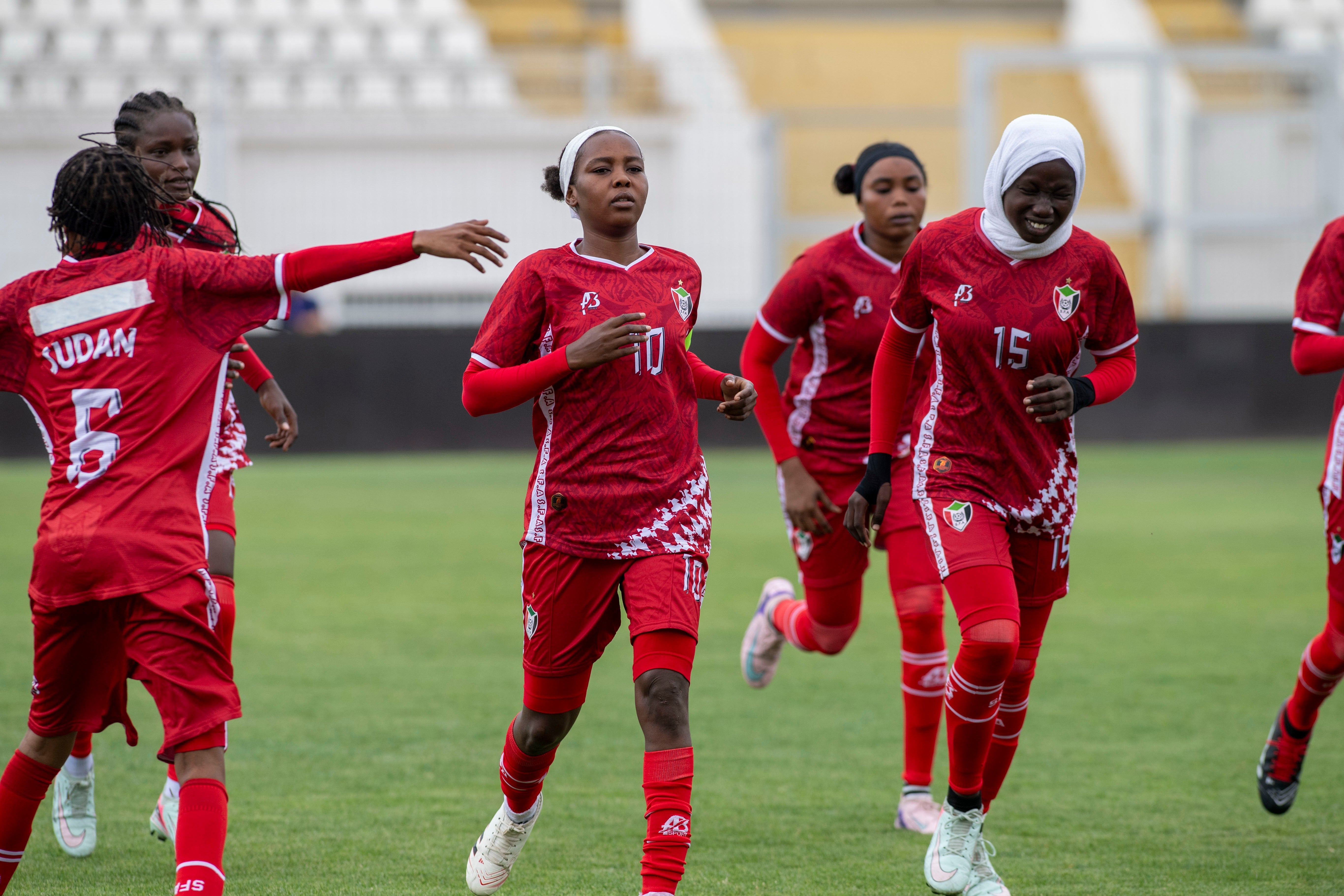
Beyond institutional hurdles, the players also faced a barrage of sexist abuse online. On the national team’s social media accounts, many commenters mocked their heavy defeats, with others posting the phrase "go back to the kitchen" in multiple languages.
The team’s existence is also intertwined with complex politics. While Gen. Abdel Fattah al-Burhan’s military government has permitted international soccer trips for teenage girls, the U.N. has documented sexual and gender-based violence by the Sudanese Armed Forces, which he commands.
Tønnessen views this state backing as a calculated effort by the military to project legitimacy, signaling that the state is functioning normally and aligning itself with the spirit of the 2019 revolution.
However, Hala Al-Karib, a prominent Sudanese women’s rights activist, dismissed critics who suggest the team is merely a tool for a more progressive image on women’s rights.
"The main challenge for me is a reform of the federation," she told the AP, citing a lack of investment in and support for women’s soccer in Sudan.
Back on the field in Casablanca, the weight of politics, war, and societal debate momentarily faded, leaving only a group of teenagers chasing a ball, embodying resilience and a fragile hope for a better future.