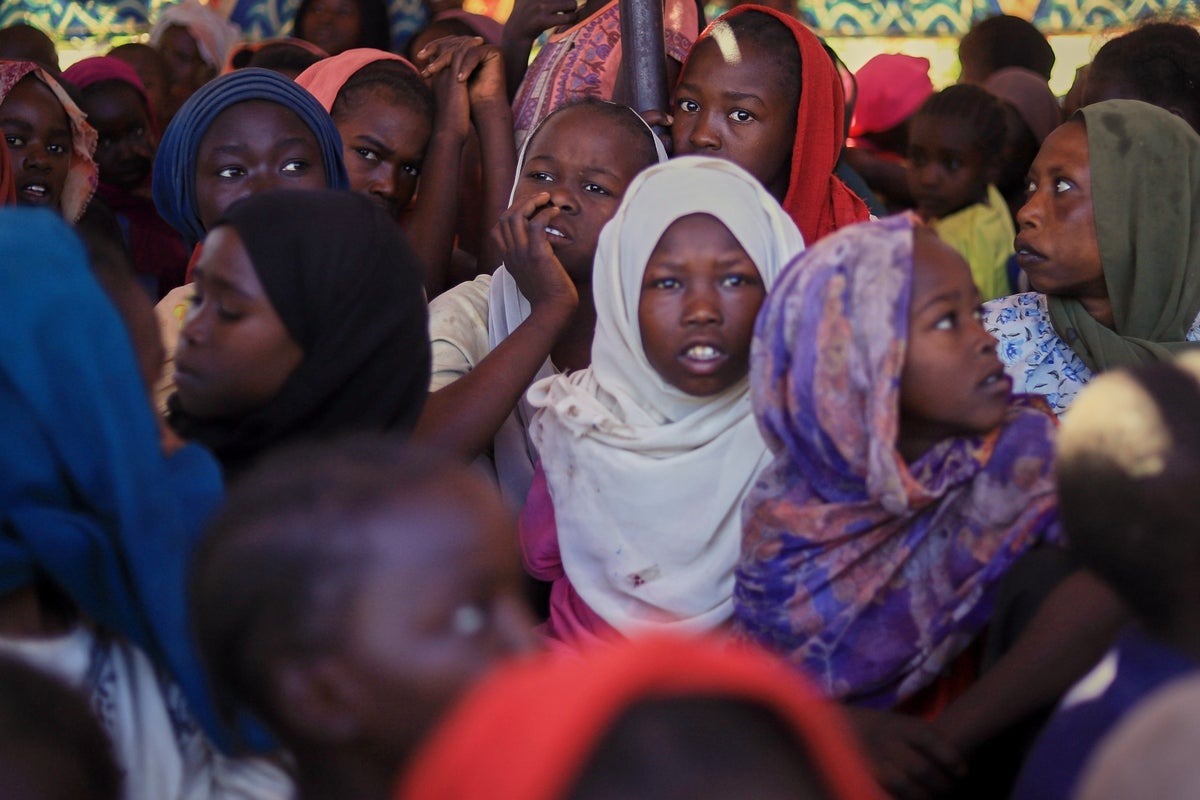
Intense fighting in central Sudan has led to the displacement of approximately 2,000 people over the past three days, the UN migration agency reported on Monday.
This latest exodus underscores a brutal conflict that has ravaged the country for over two years, claiming tens of thousands of lives.
The International Organisation for Migration (IOM) said that those displaced fled various towns and villages within the Bara area of North Kordofan province between Friday and Sunday.
The province, alongside the western Darfur region, has recently emerged as a primary flashpoint in the ongoing war between the Sudanese army and the paramilitary Rapid Support Forces (RSF).
The RSF's recent seizure of the strategic city of el-Fasher resulted in hundreds of fatalities and compelled tens of thousands to seek refuge in overcrowded camps, escaping alleged atrocities by the paramilitary group, according to aid organisations and UN officials.
The IOM said that nearly 92,000 people have departed el-Fasher and its surrounding communities.
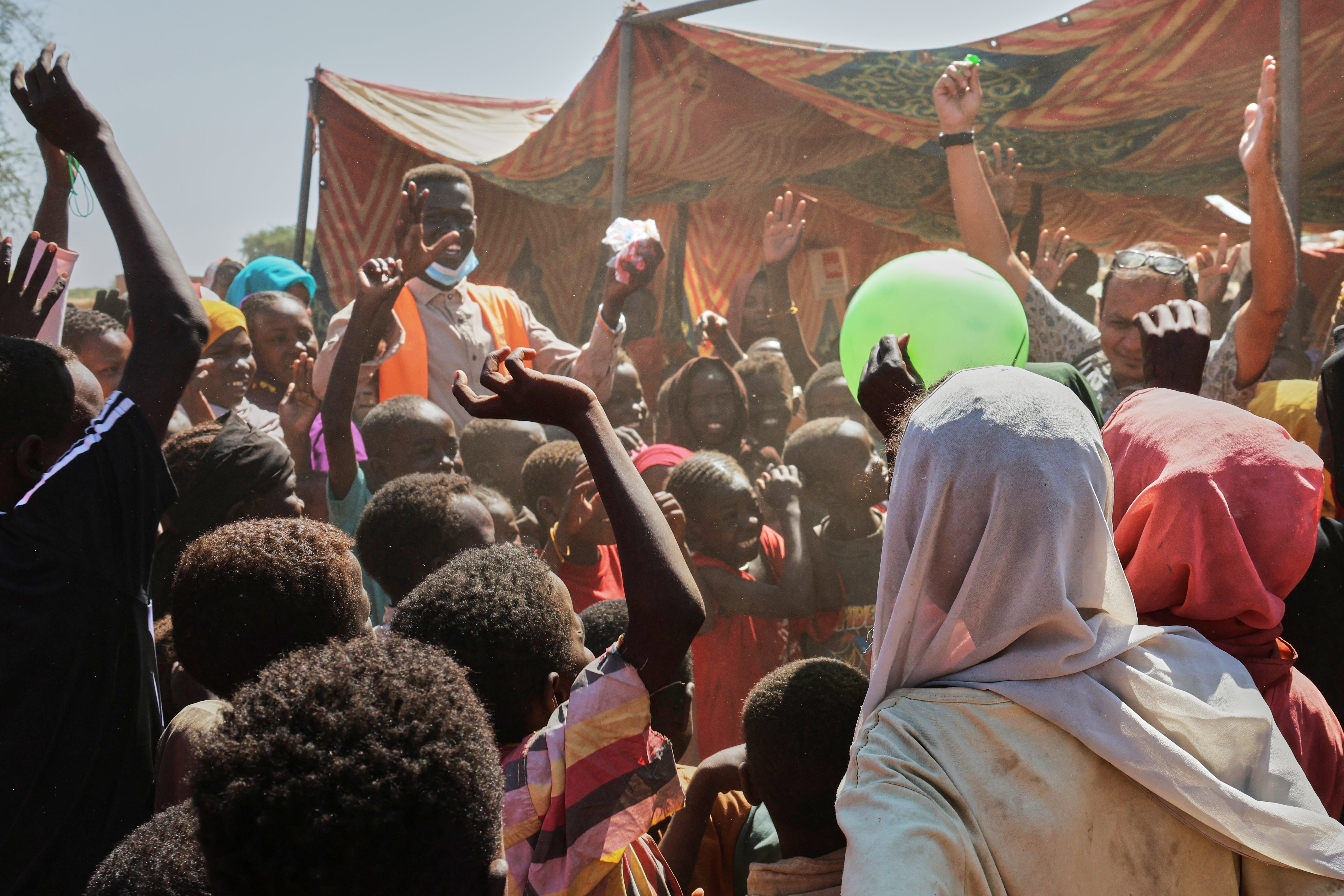
The war between the RSF and the military began in 2023, when tensions erupted between the two former allies that were meant to oversee a democratic transition after a 2019 uprising. The fighting has killed at least 40,000 people, according to the World Health Organization, and displaced 12 million. However, aid groups say the true death toll could be many times higher.
In late October, RSF fighters launched attacks in the town of Bara in North Kordofan, killing at least 47 people, including women and children, the local aid group Sudan Doctors Network said at the time.
The IOM estimated that nearly 39,000 people had fled several villages and towns in North Kordofan since Oct. 26. They were mostly headed north, toward the Sudanese capital of Khartoum and the adjacent Omdurman region, as well as Sheikan in North Kordofan.
Also Monday, the RSF claimed its fighters entered the town of Babanusa in West Kordofan province and were heading toward the army headquarters.
Salah Semsaya, a volunteer with the local group Emergency Response Rooms, said that other volunteers from the town of Babanusa working with charity kitchens in the area reported a decline in the number of families coming to get food — apparently an indication that many had left or fled the area. Definitive figures could not be confirmed.
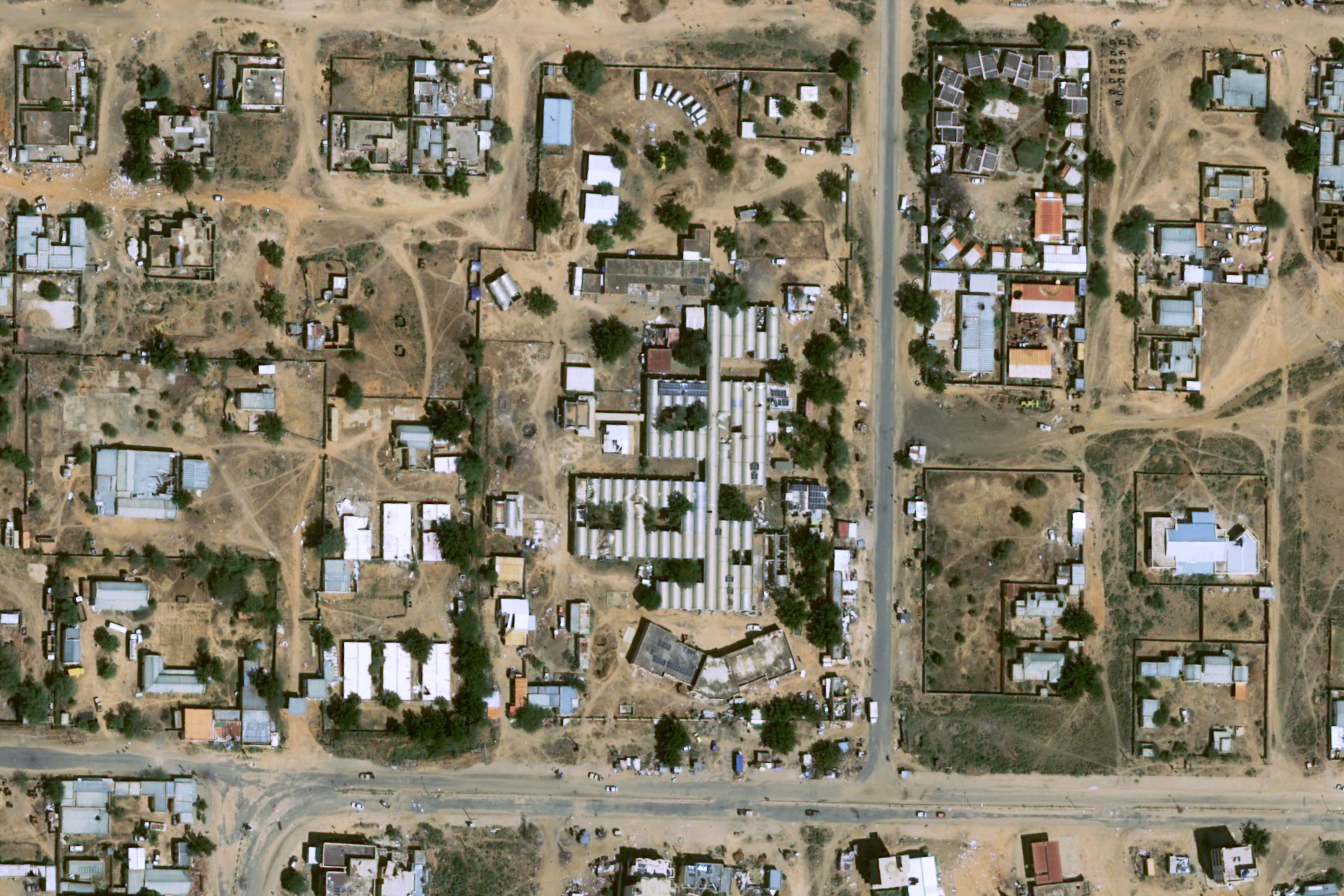
In Darfur, meanwhile, Sudan Doctors Network reported on Sunday that the RSF collected hundreds of bodies from the streets of el-Fasher and buried some in mass graves while burning others.
The RSF was acting in a “desperate attempt to conceal evidence of their crimes against civilians,” the network said.
Satellite images analysed last week appeared to show the RSF disposing of bodies after they seized and rampaged through el-Fasher. Images by the Colorado-based firm Vantor show a fire at the Saudi hospital in el-Fasher on Thursday, near a collection of white objects seen days earlier in other Vantor photos.
The Yale School of Public Health’s Humanitarian Research Lab described the images as showing the “burning of objects that may be consistent with bodies”.
Missing World War 2 soldier’s remains returned to US after 80 years
King Charles leads Remembrance Sunday service at Cenotaph
Moment 11-year-old girl bravely confronts Putin after uncle injured in war
Daughter of former South African president Jacob Zuma on trial over deadly riots
Manhunt launched after British man shot dead during robbery in Ghana
Why Somali pirate attacks could rise again after new vessel hijack