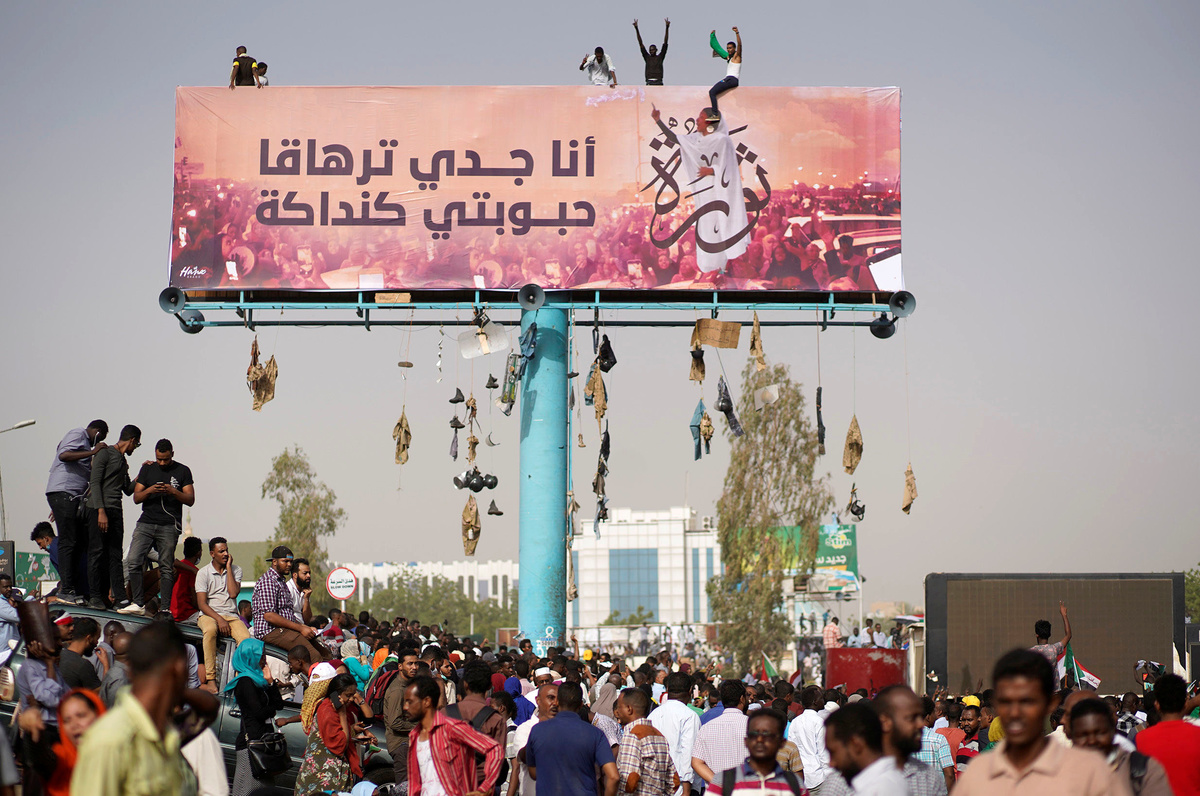
KHARTOUM (Reuters) - President Omar al-Bashir, who ruled Sudan in autocratic style for 30 years, was overthrown in a military coup on Thursday, but protesters' jubilation was short-lived as they took to the streets demanding military leaders hand over power to civilians.
Bashir, 75, had faced 16 weeks of demonstrations against his rule. Announcing the ouster, Defence Minister Awad Mohamed Ahmed Ibn Auf said Sudan would enter a two-year period of military rule to be followed by presidential elections.
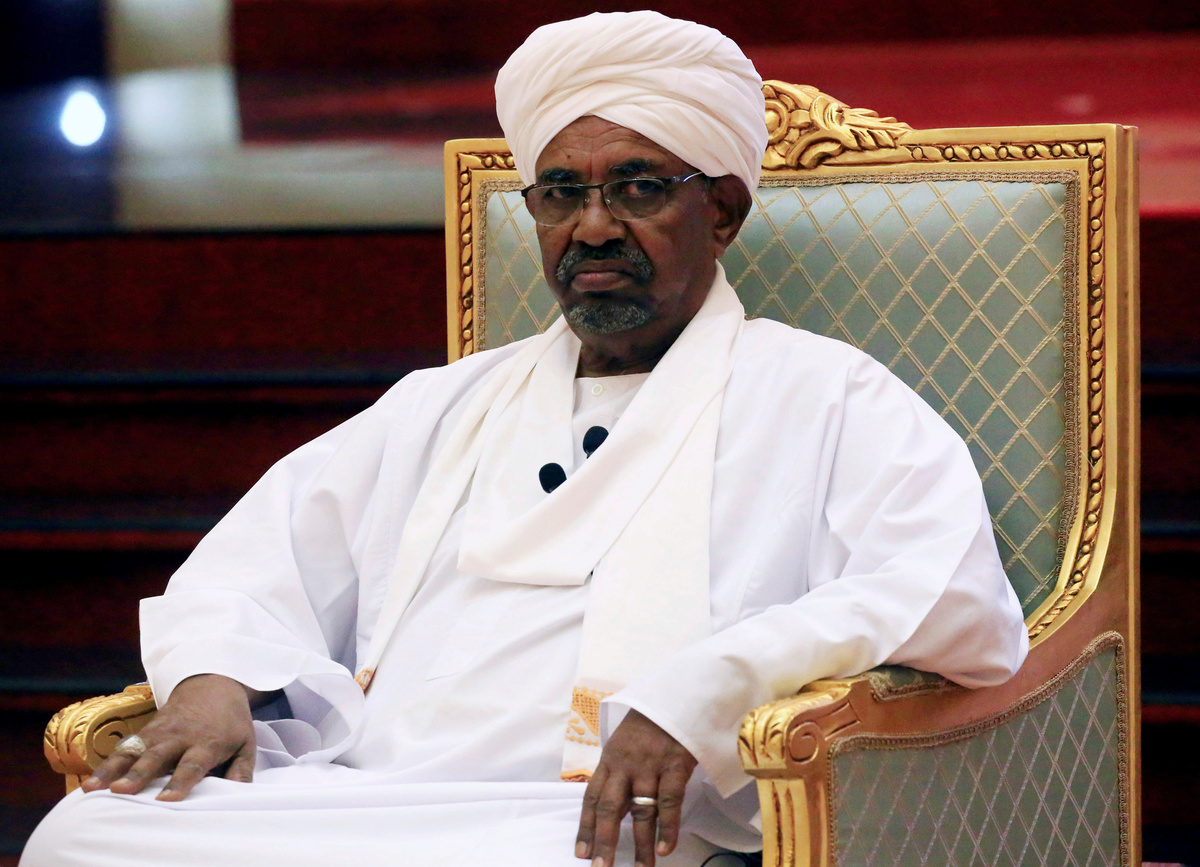
Speaking on state television, he said Bashir was being detained in a "safe place" and a military council would now run the country.
Ibn Auf, who Bashir appointed first vice president in February as the protests intensified, will head the military council, state TV said late on Thursday. The Sudanese military's chief of staff Kamal Abdel Marouf al-Mahi will be deputy head.
Ibn Auf announced a state of emergency, a nationwide ceasefire and the suspension of the constitution. Seated on a gold-upholstered armchair, he said Sudan's airspace would be closed for 24 hours and border crossings shut until further notice.
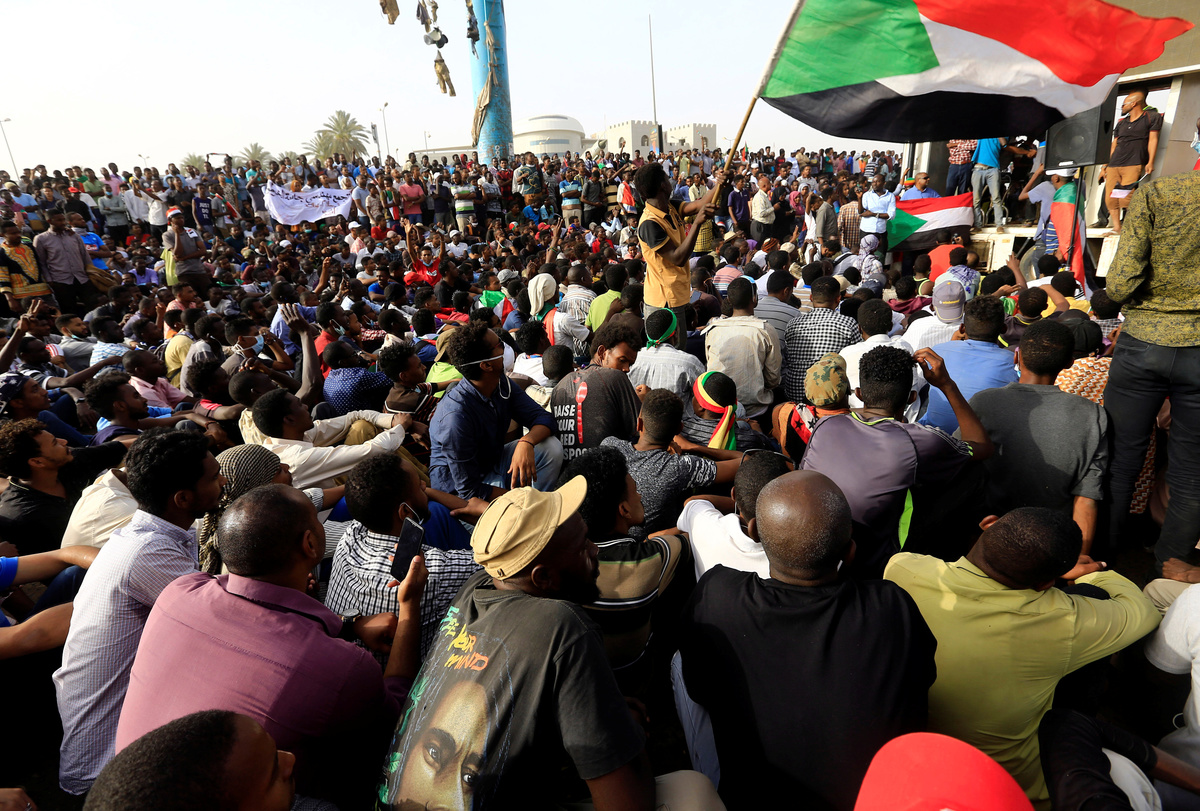
The main organiser of protests against Bashir, the Sudanese Professionals Association (SPA), rejected the minister's plans. It called on protesters to maintain a sit-in outside the defence ministry that began on Saturday.
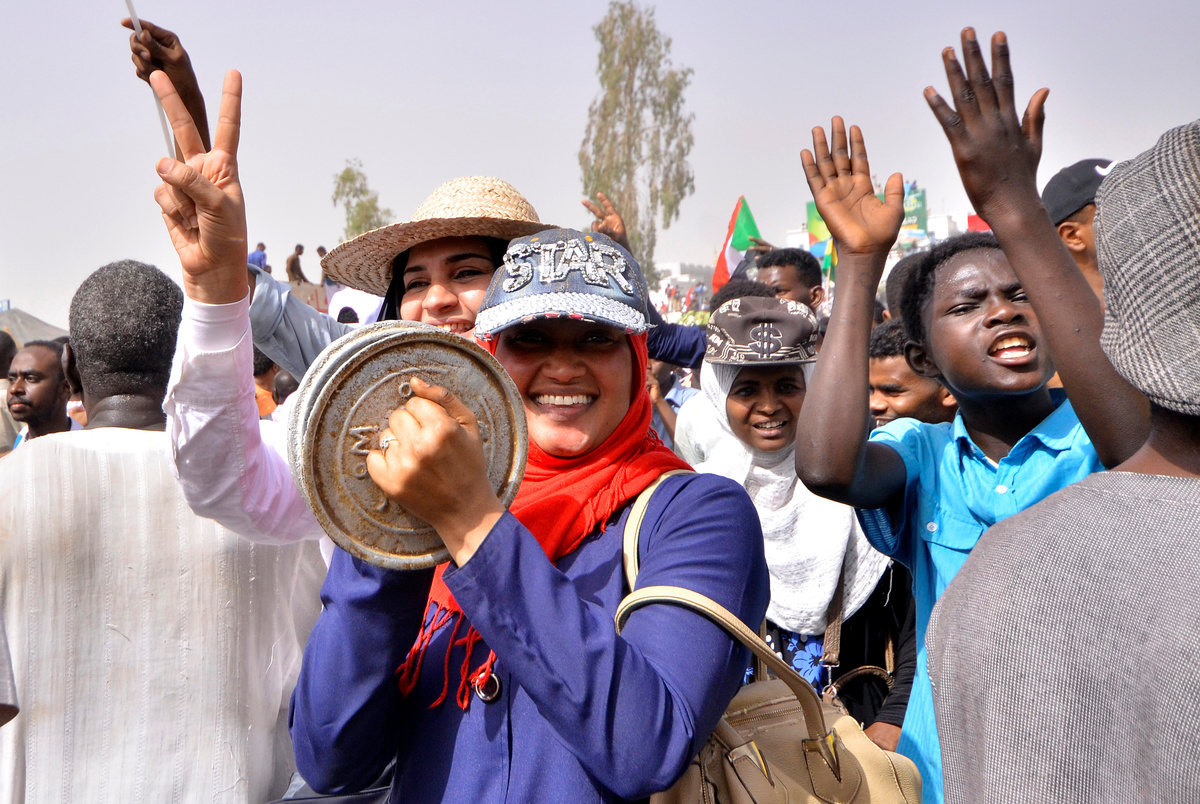
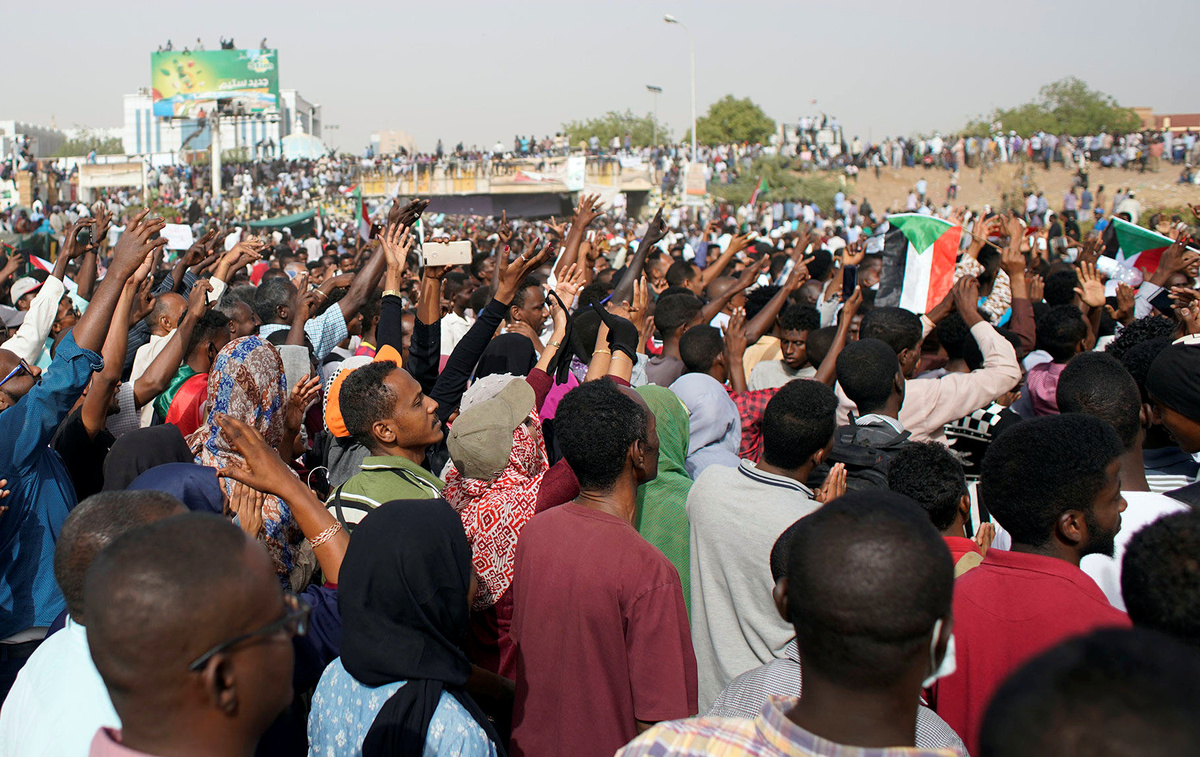
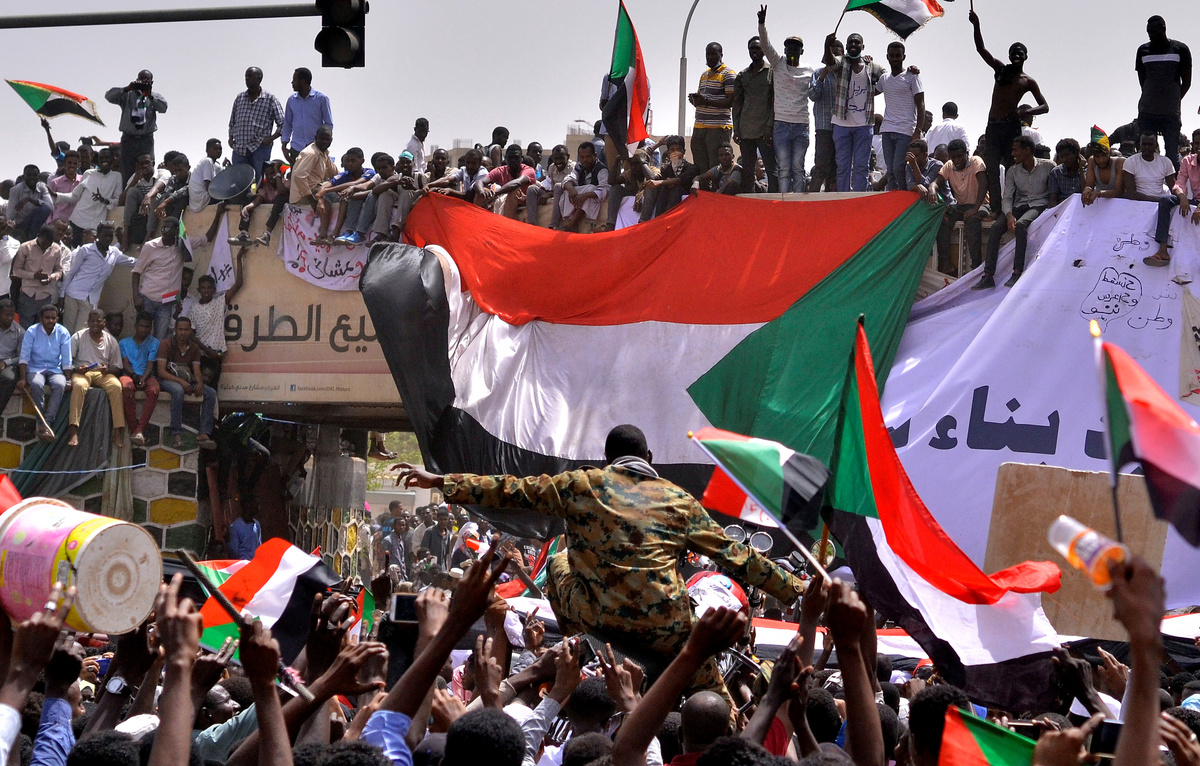
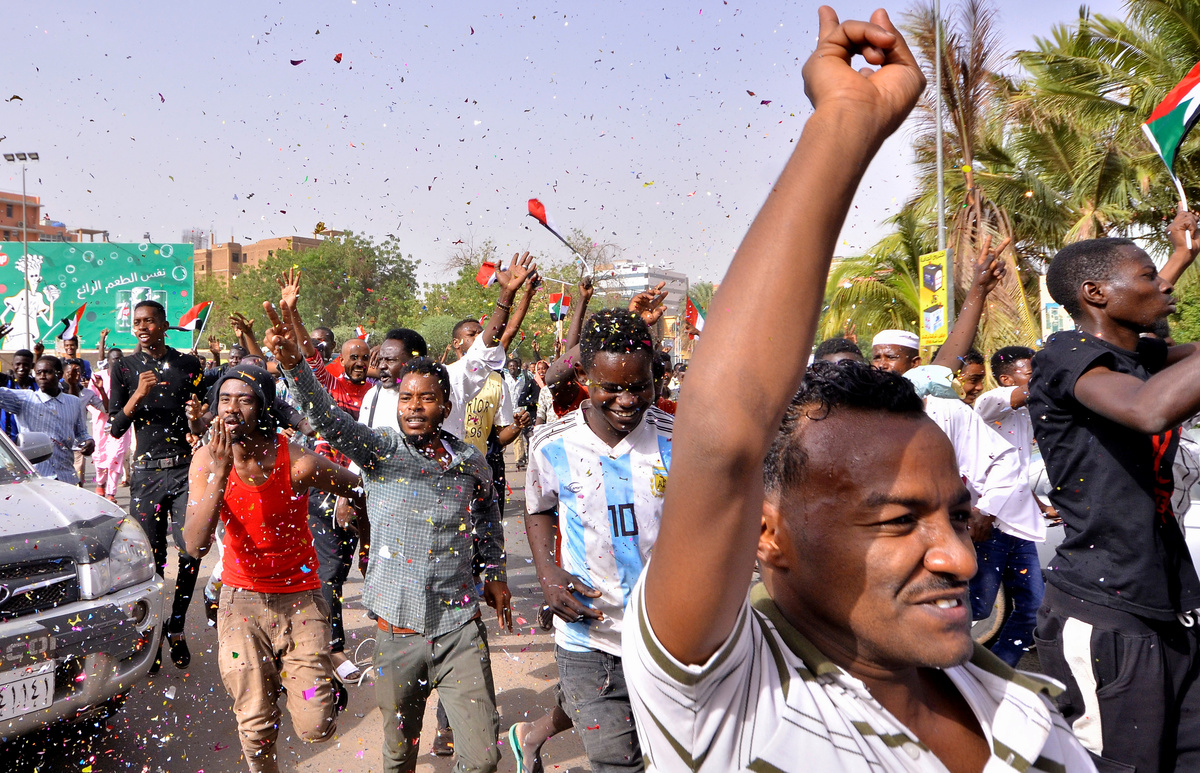
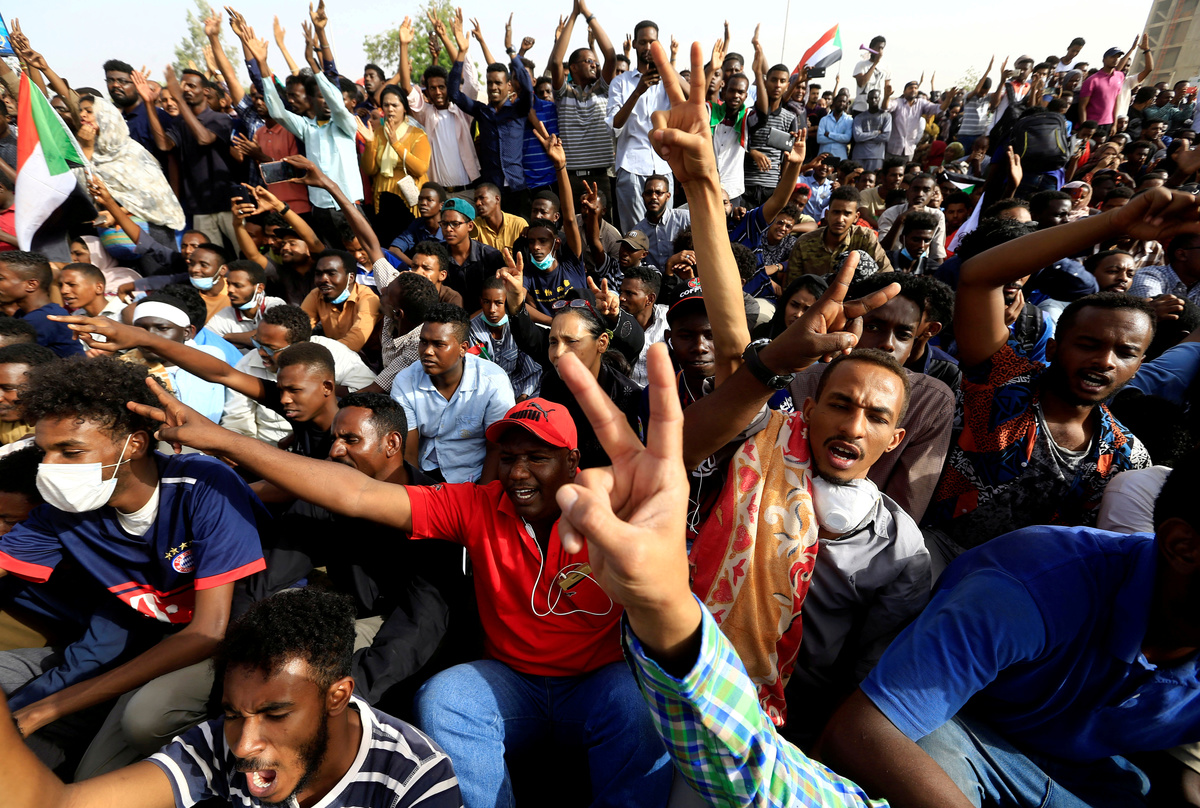
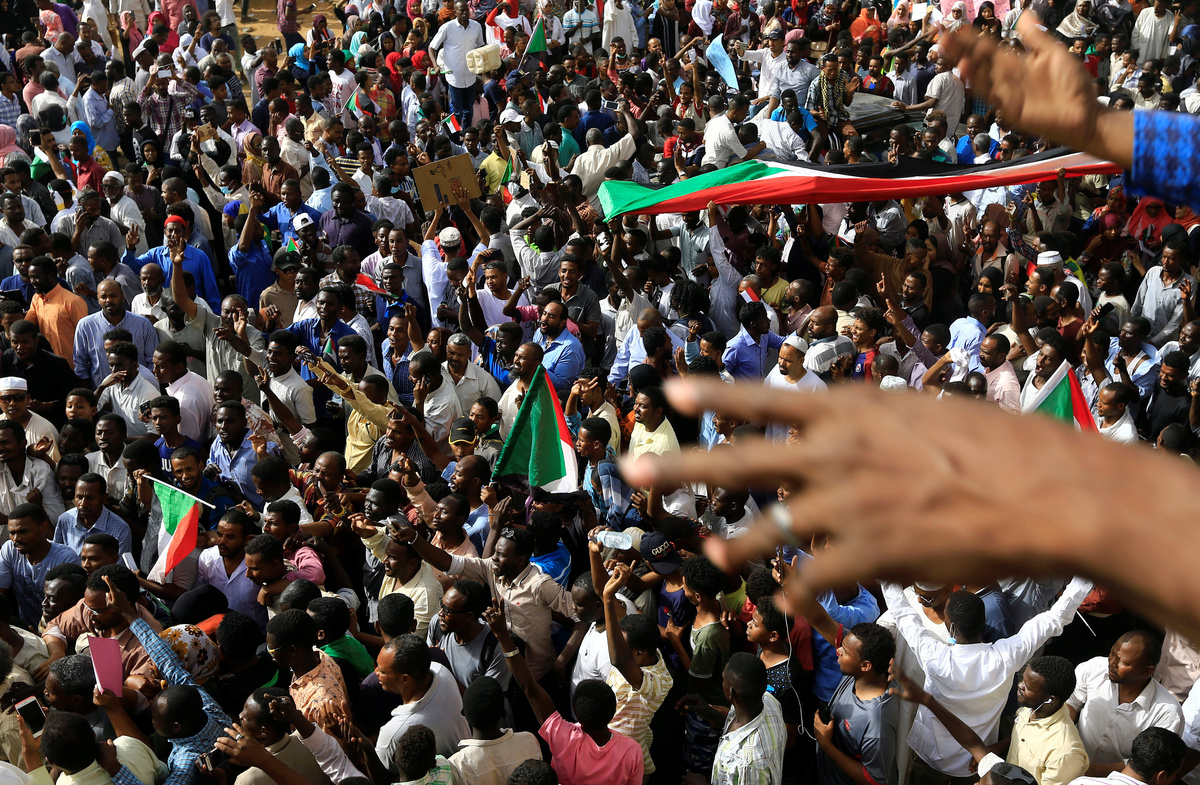
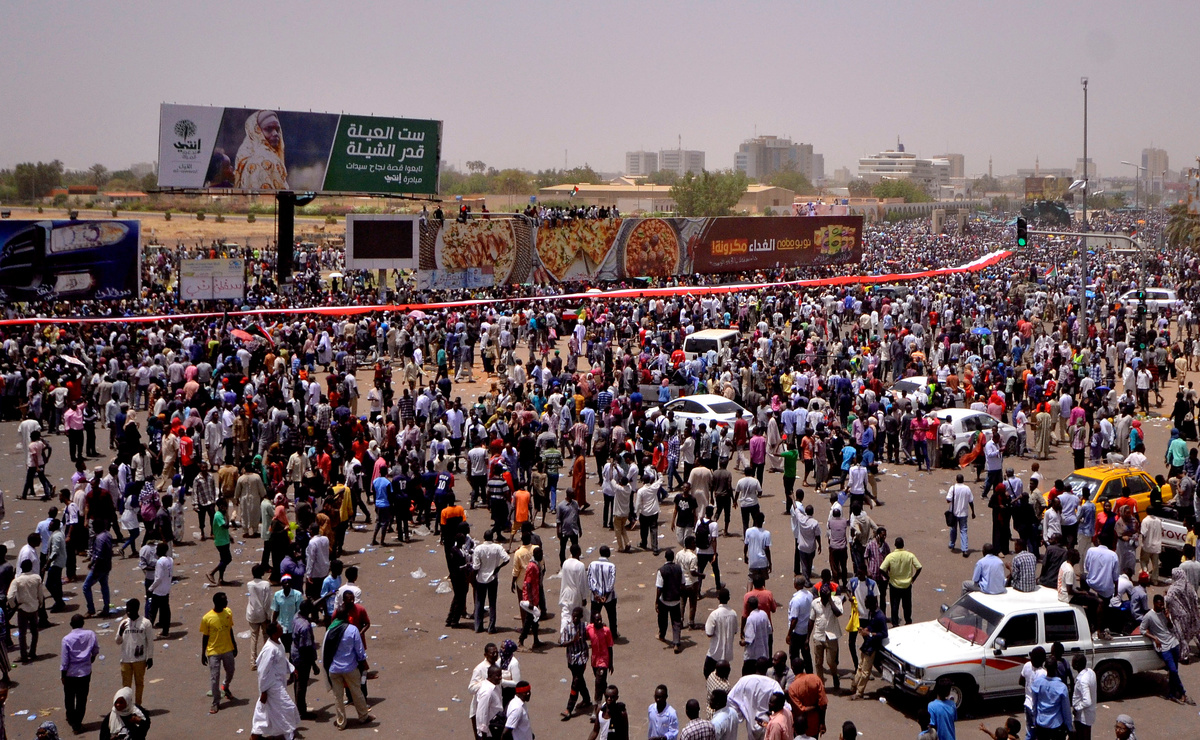
Shortly afterwards, tens of thousands of demonstrators packed the streets of central Khartoum, their mood turning from celebration over Bashir's expected departure to frustration at the announcement of the military-led transition.
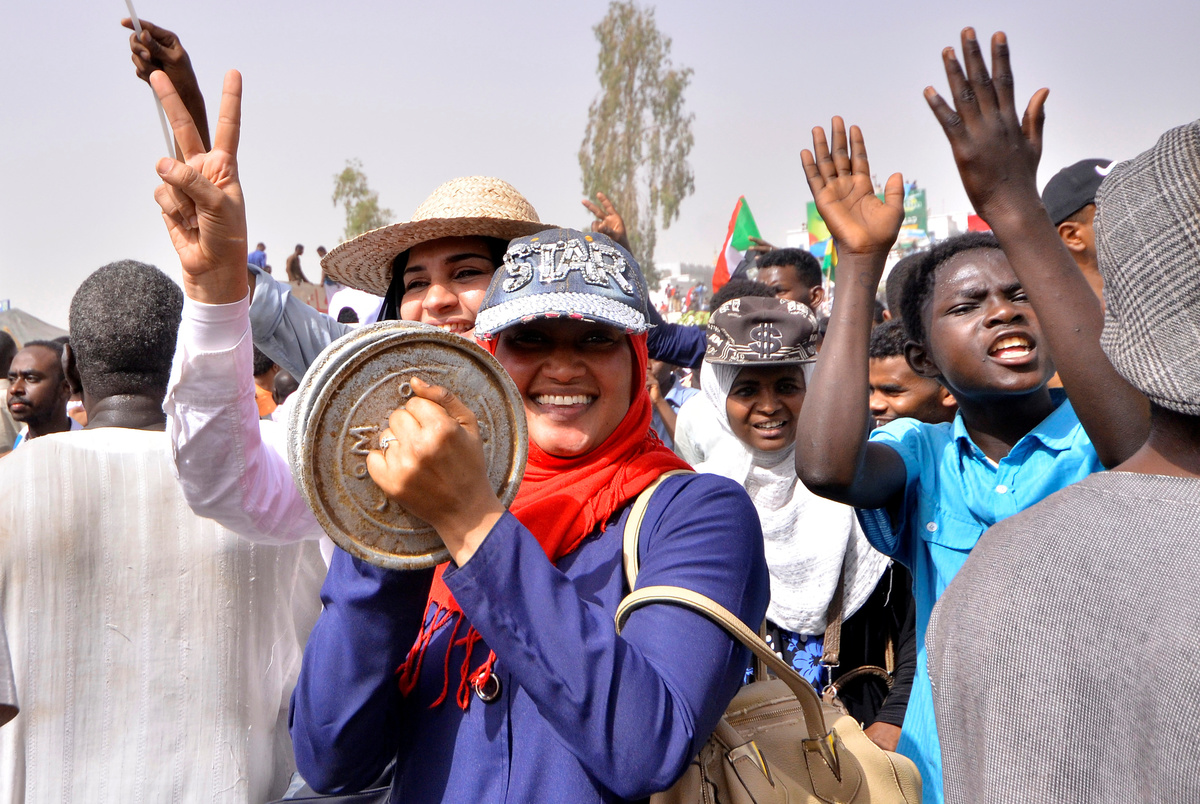
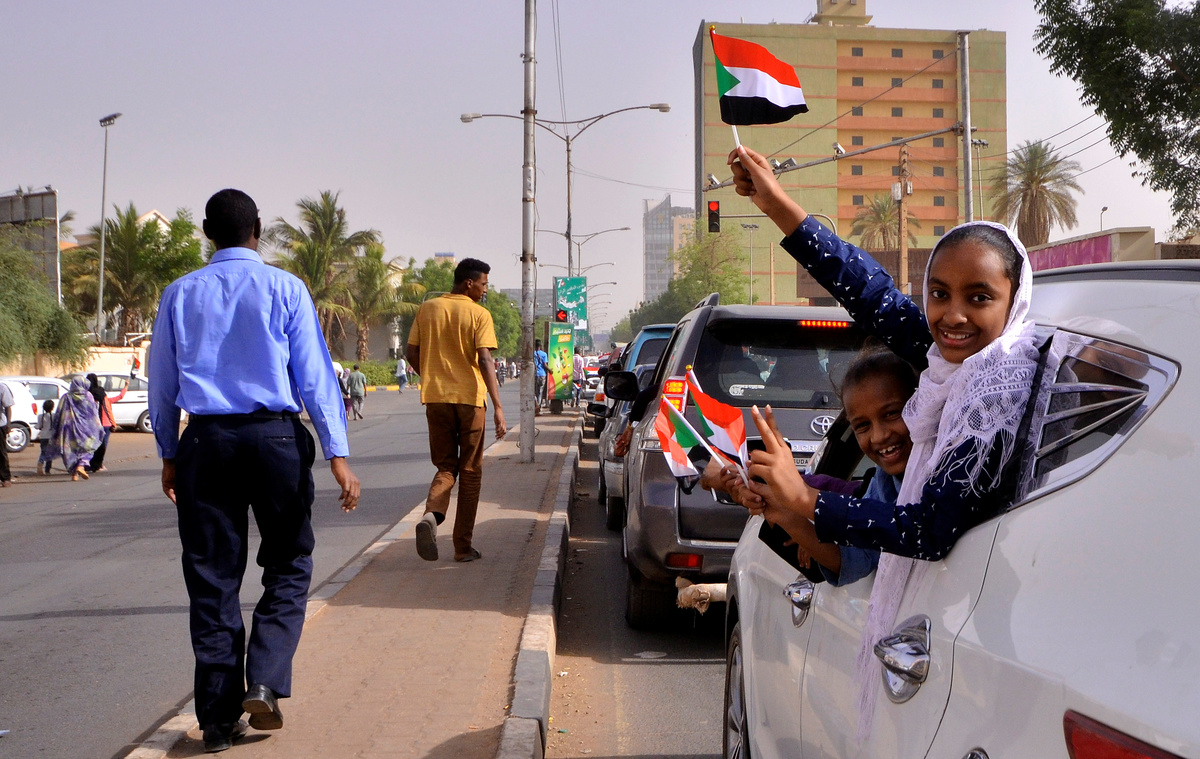
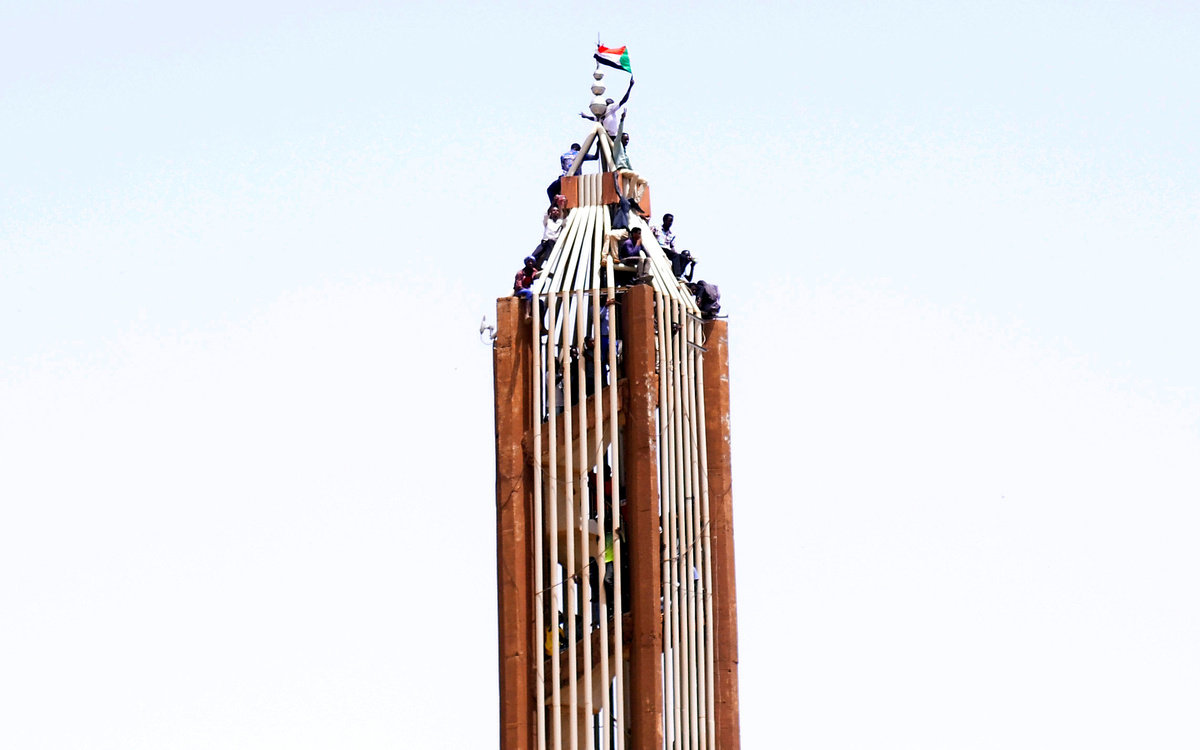
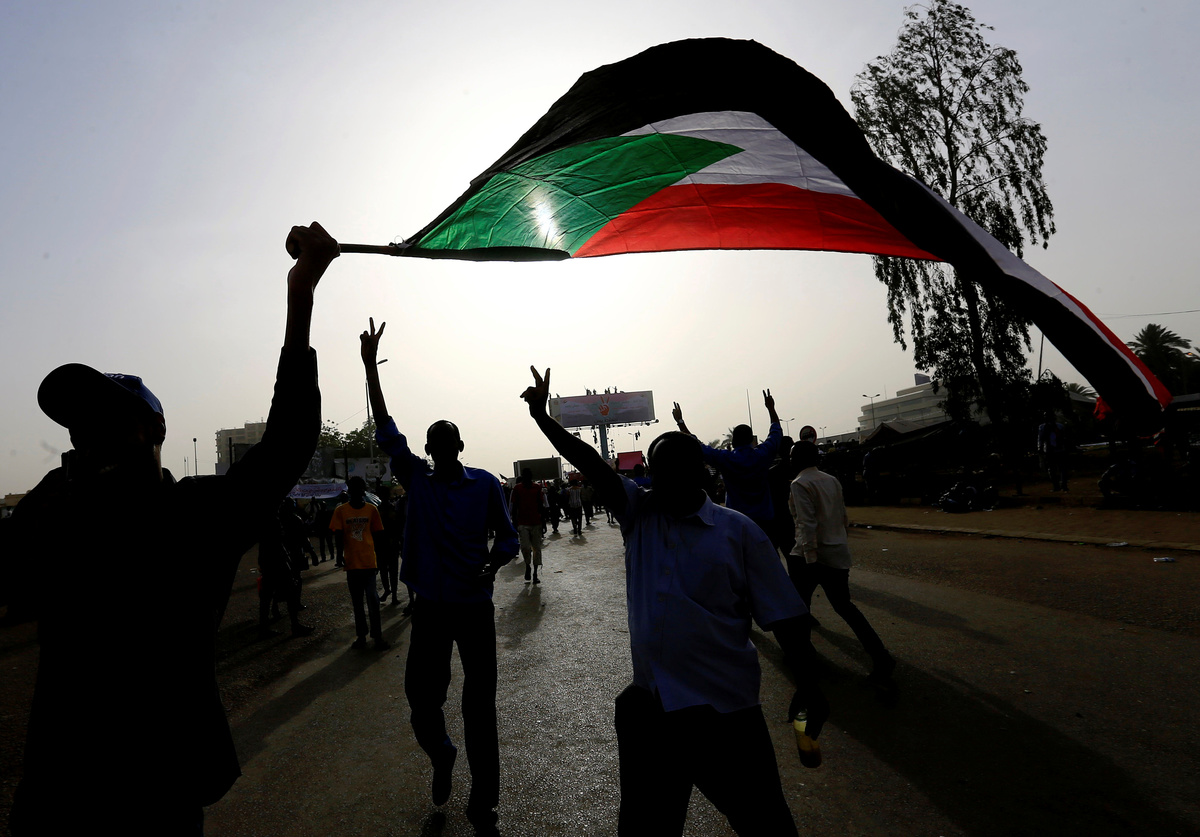
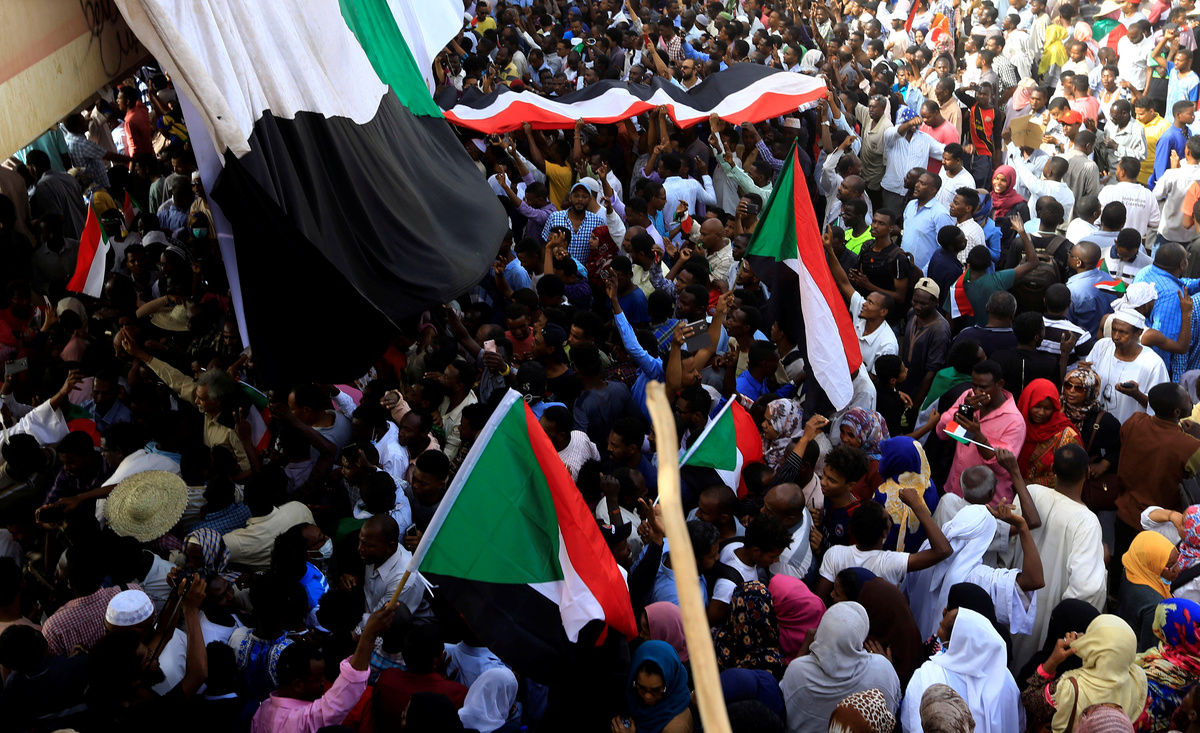
National flags were waved over the vast crowds, which included families, women and people of all ages. "Fall, again!" many chanted, adapting an earlier anti-Bashir slogan of "Fall, that's all!". Some wrote anti-Ibn Auf slogans on their clothes.
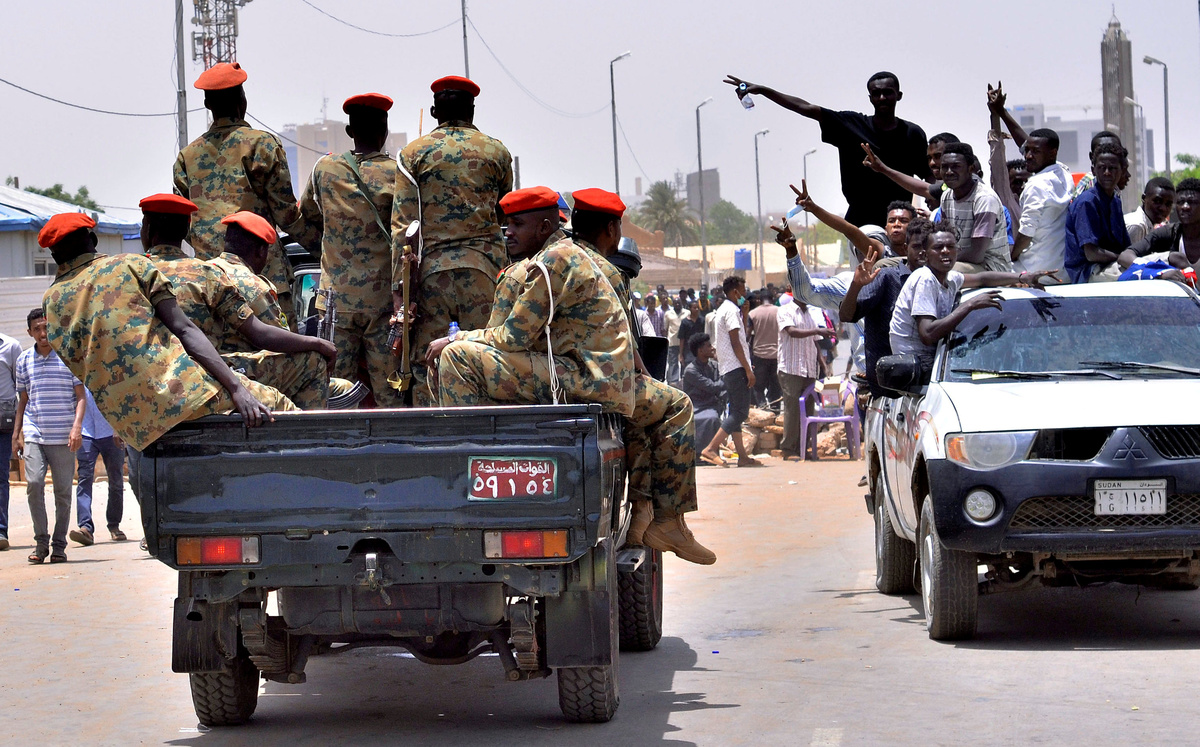
Sudanese sources told Reuters that Bashir was at the presidential residence under "heavy guard".
State television said there would be a nighttime curfew from 10 p.m. to 4 a.m.
In a clear challenge to the military council, several thousand protesters remained in front of the defence ministry compound, and in other parts of the capital, as the curfew went into effect.
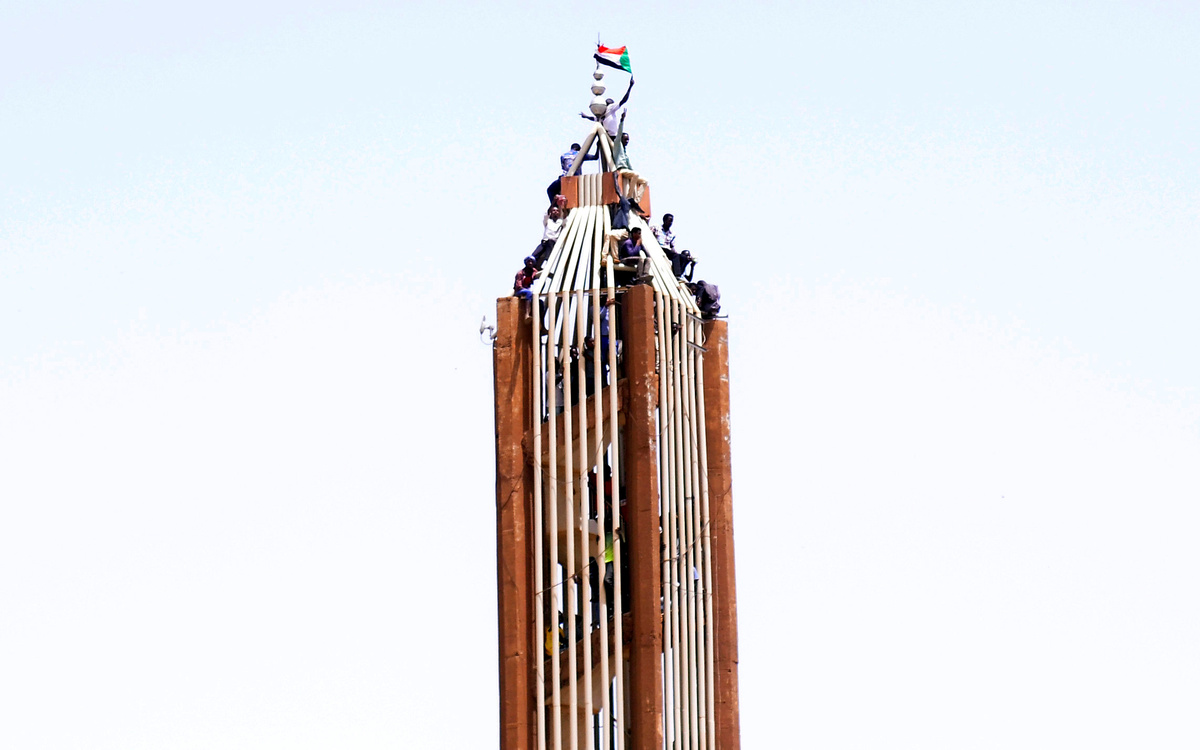
They chanted "They removed a thief and brought a thief!" and "Revolution! Revolution!"
Some shops in Omdurman, across the River Nile from central Khartoum, remained open past 10 p.m., a Reuters witness said.
"To comply with the curfew is to recognise the clone rescue government," SPA said. "Stay put and guard your revolution."
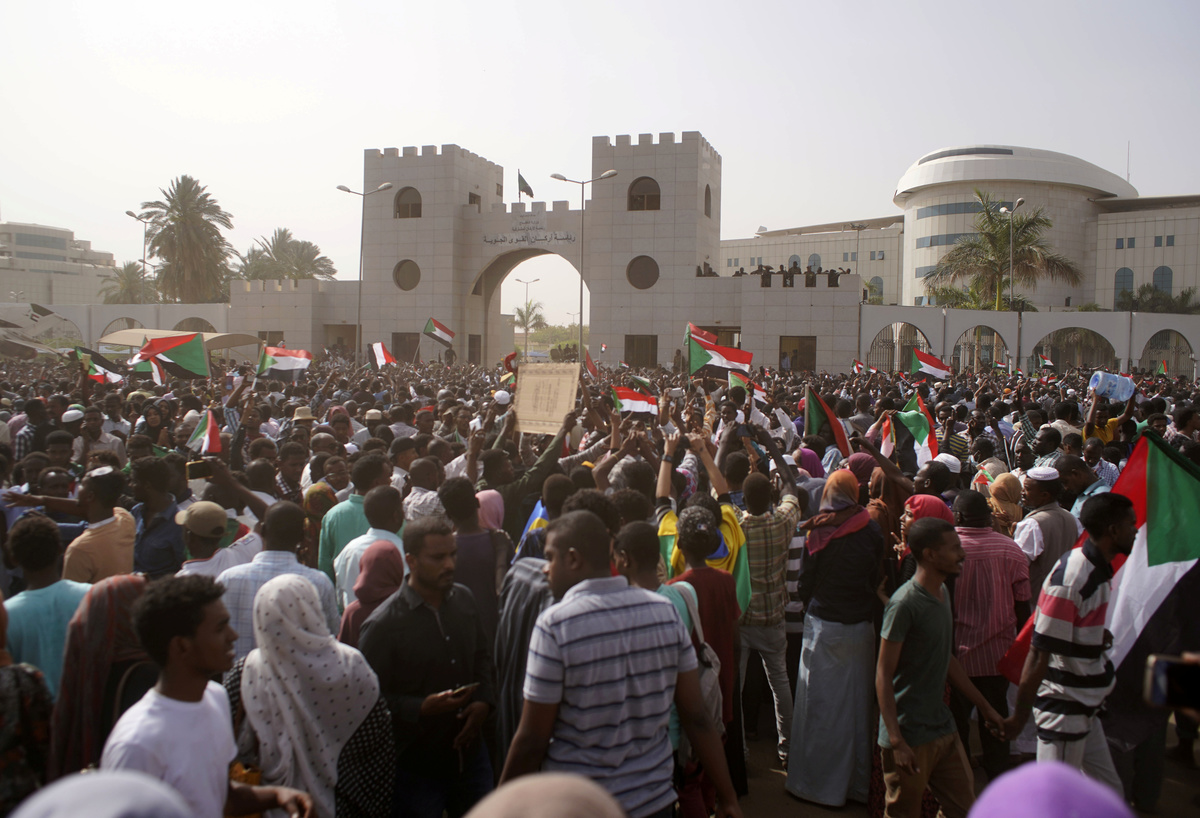
SPA also said the sit-in will not end until power is handed to a civilian transitional government. Omar Saleh Sennar, a senior SPA member, said the group expected to negotiate with the military over a transfer of power.
The United States said it was suspending talks with Sudan on normalising relations. The State Department ordered non-emergency U.S. government employees to leave the country and warned Americans against travelling to Sudan due to "crime, terrorism, civil unrest, kidnapping and armed conflict."
The State Department, while declining to declare the takeover a coup, said Washington supported a peaceful and democratic Sudan and believed the Sudanese people should be allowed a peaceful transition sooner than two years from now.
"The Sudanese people should determine who leads them in their future," State Department spokesman Robert Palladino told a news briefing. "The Sudanese people have been clear that they have been demanding a civilian-led transition. They should be allowed to do so sooner than two years from now."
British Foreign Secretary Jeremy Hunt called for a "swift move to an inclusive, representative, civilian leadership", saying in a tweet that a "military council ruling for 2 years is not the answer".
ICC WARRANT
Bashir has been indicted by the International Criminal Court in The Hague and is facing an arrest warrant over allegations of genocide in Sudan's Darfur region during an insurgency that began in 2003 and led to the death of an estimated 300,000 people. He denies the allegations.
He defied the court by visiting several ICC member states. Diplomatic disputes broke out when he went to South Africa in 2015 and Jordan in 2017 and both failed to arrest him.
Bashir's downfall was the second time this month that a leader in the region has been forced out after mass demonstrations. Algeria's ailing former President Abdelaziz Bouteflika, in power since 1999, stepped down on April 2 after six weeks of protests against him extending his rule.
Names circulating about Bashir's possible successors include the defence minister, an ex-military intelligence chief, also an Islamist, and former army chief of staff Emad al-Din Adawi.
Ibn Auf has long been among Sudan's senior leadership.
Adawi is said to be favoured by regional neighbours at odds with Bashir over his Islamist leanings.
Osman Abubakar, a 27-year-old protester in Port Sudan, said some soldiers had joined in chants against the military council in the eastern city.
Ibn Auf announced the release of all political prisoners, and images circulated of freed detainees joining the protests.
In Port Sudan and Kassala, another eastern city, protesters attacked the offices of Sudan's intelligence and security service, witnesses said.
Amnesty International expressed alarm at the "raft of emergency measures" announced on Thursday.
FATE UNCLEAR
Bashir, a former paratrooper who seized power in a bloodless coup in 1989, has been a divisive figure who has managed his way through one internal crisis after another while withstanding attempts by the West to weaken him.
Sudan has suffered prolonged periods of isolation since 1993, when the United States added Bashir's government to its list of terrorism sponsors for harbouring Islamist militants. Washington followed up with sanctions four years later.
A long civil war with southern separatists ended in 2005 and South Sudan became an independent country in 2011.
Since December, Sudan has been rocked by persistent protests sparked by the government's attempt to raise the price of bread, and an economic crisis that has led to fuel and cash shortages.
From the start, the protests called for Bashir's downfall. Opposition unions of medics and other professionals have played a prominent role, as have women and young people in general. Security forces responded with tear gas, arrests and sometimes live ammunition, killing dozens.
Since the weekend, the protests have become more intense.
Clashes erupted between soldiers trying to protect the protesters and intelligence and security personnel trying to disperse them. Around 20 people have been killed since the sit-in began.
Activists abroad pressed for Sudan to turn over Bashir to the International Criminal Court.
"Victims of the gravest crimes in Darfur should not have to wait any longer for justice" said Jehanne Henry, associate director at the Africa division of Human Rights Watch.
(Reporting by Khalid Abdelaziz; Additional reporting by Yousef Saba, Ali Abdelaty, Mohamed El Sherif, Omar Fahmy and Hesham Hajali in Cairo, Michelle Nichols at the United Nations and Lesley Wroughton, Doina Chiacu and David Brunnstrom in Washington; Writing by Sami Aboudi, Aidan Lewis, Samia Nakhoul, Giles Elgood; Editing by Frances Kerry, James Dalgleish and Grant McCool)