Sudanese authorities released on Sunday more than 80 political prisoners from jails in the capital Khartoum, a week after the African country appointed a new security chief.
All of them were arrested last month after protests against high prices and tough economic conditions that turned violent.
Among the released are politicians, activists, journalists and women, who went out from Kobar prison shouting "Freedom! Justice! Revolution!"
"According to President Omar al-Bashir's order, all detainees are being released," Abdelrehman al-Sadiq, a senior aide to Bashir, said.
Earlier that day, authorities invited the media, reporters of international agencies and newspapers to attend the release of the political prisoners, which is considered unprecedented.
The presidential decree aims to address the reasons for the arrests as the goal is to achieve national reconciliation and address national problems through dialogue, Sadiq explained.
Those freed on Sunday included Fadlalla Burma Nasir, son of former premier Sadiq al-Mahdi, Sarah Nugdallah, senior leaders of Sudan's main opposition Umma Party, and women's rights activist Amal Habbani.
Burma told journalists before his release that they were arrested despite peaceful protests, demanding the authorities to provide political freedoms, freedom of assembly and demonstration mandated by the constitution.
While son of former premier Sadiq al-Mahdi denounced the conditions of detention, and the torture of some of the detainees, he denied being personally subjected to physical torture, affirming that he was verbally abused.
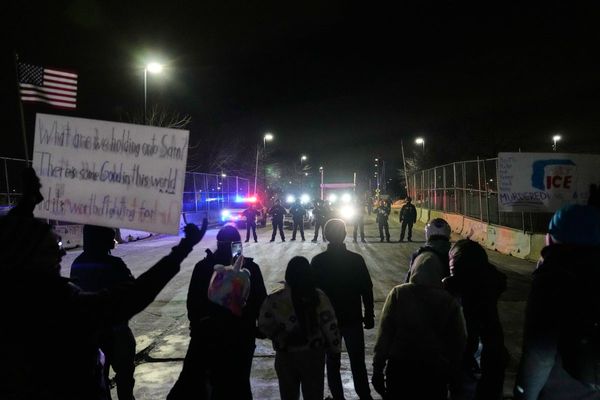
Huge protests rocked Khartoum last month over the government's austerity measures, which devalued the currency and removed wheat subsidies, causing the price of bread to spike.