Stunning science: 2013 Research as Art competition – in pictures
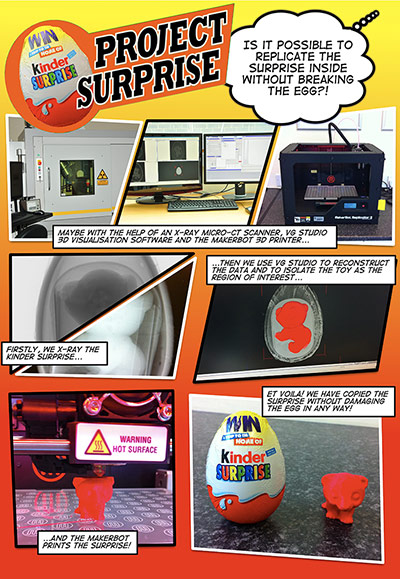
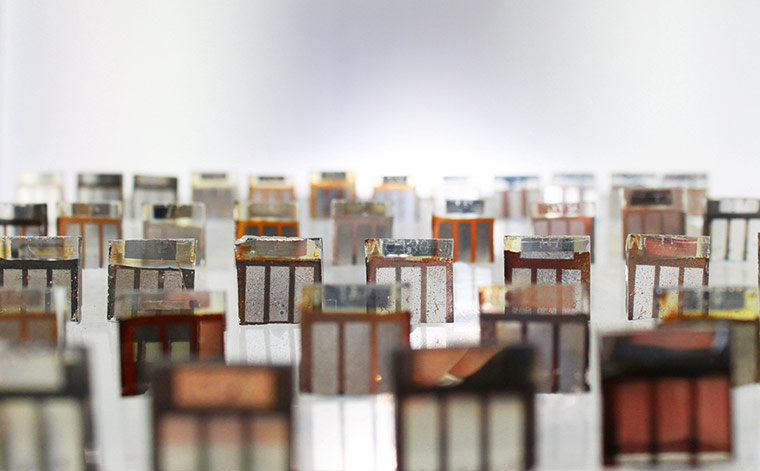
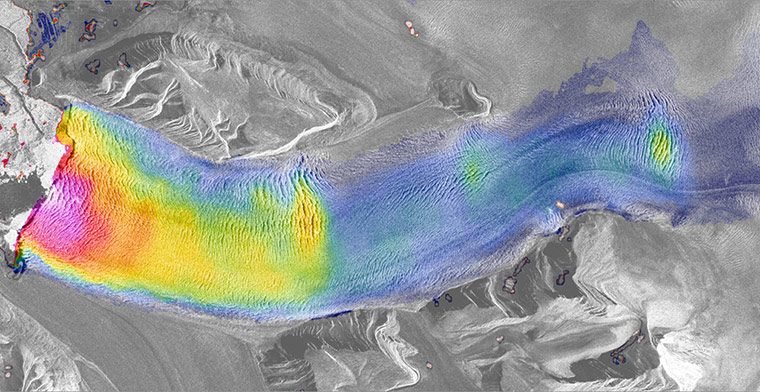
Overall winner – Project Surprise by Laura North: 'The comic strip depicts the process of using both non-destructive testing and rapid prototyping techniques to replicate a toy found in a Kinder Surprise chocolate egg … It may seem silly and insignificant to wish to replicate a toy from inside a Kinder Surprise without damaging the egg at all; however, the concept has many other exciting and broad applications. These range from collaborating with the Egyptology department in identifying and reproducing mummified snake remains, to the concept being utilised in modern medicine, with perfectly fitting joint replacements'Photograph: Laura North (Materials Engineering)/2013 Swansea University Research as Art competitionEarly Career Researcher Award – Graveyard of Ambition? by Matt Carnie: 'Standing like tombstones in a forgotten cemetery, these are lead halide perovskite solar cells and they are the results of experiments that didn’t go as well as hoped … Being a scientist means that most people outside of your own field will only hear about your research successes, but often, behind every success there are many times when things didn’t quite go according to plan' Photograph: Matt CarnieAcademic Award – Fractured River of Ice by Adrian Luckman: 'Glaciers form where snow and ice accumulates in sufficient quantities for it to flow under the pressure of its own weight. This is Kronebreen, the fastest-flowing glacier on Arctic Spitsbergen, which is up to 200 metres thick and 2 kilometres wide where it calves icebergs into the fjord on the left. By comparing the position of surface features between a satellite radar image from March 2013 and one taken 11 days later, the pattern of ice flow is revealed. This visualisation shows the surface speed rising to 2.5 metres per day from blue through to pink, and crevasses as wide as 50 metres which open as the ice flows from right to left over bedrock obstructions'Photograph: Adrian Luckman (Department of Geography)/2013 Swansea University Research as Art competition
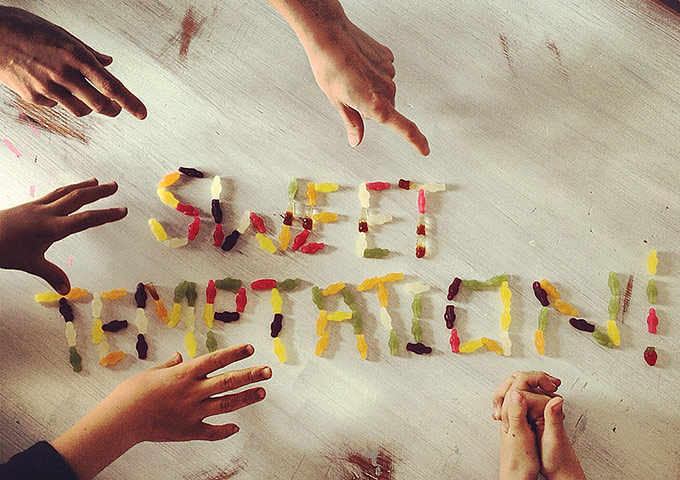
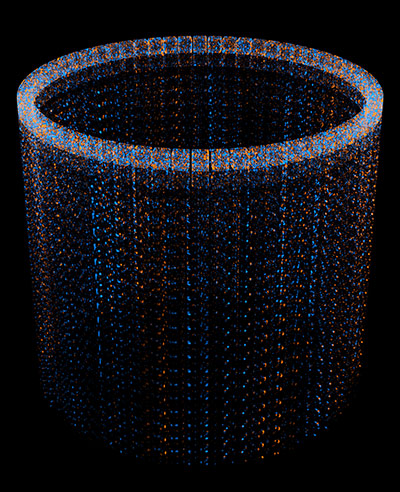
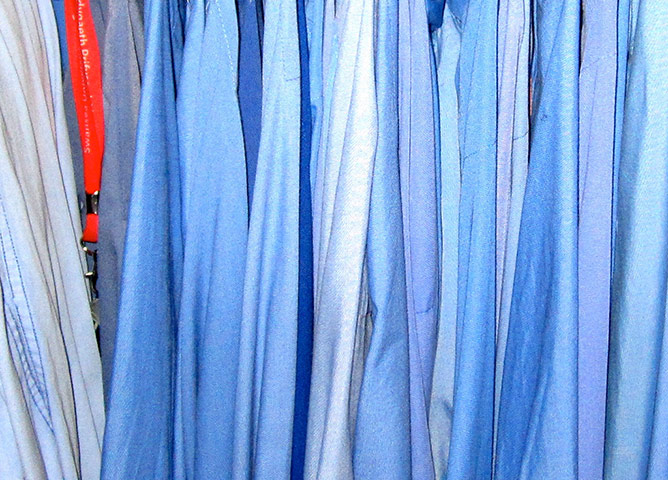
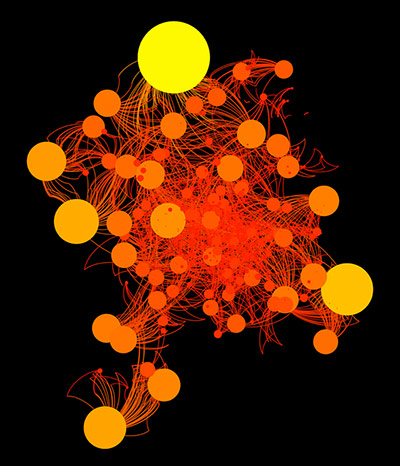
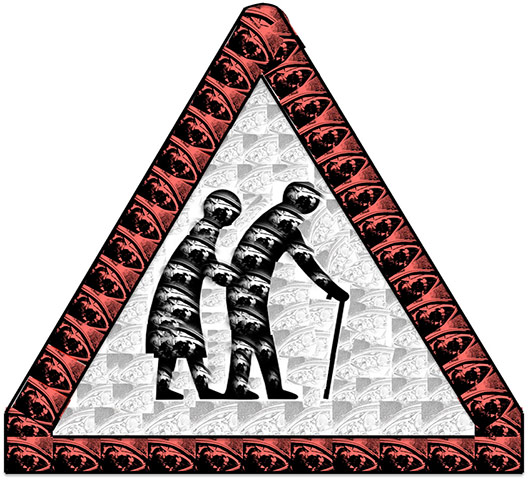
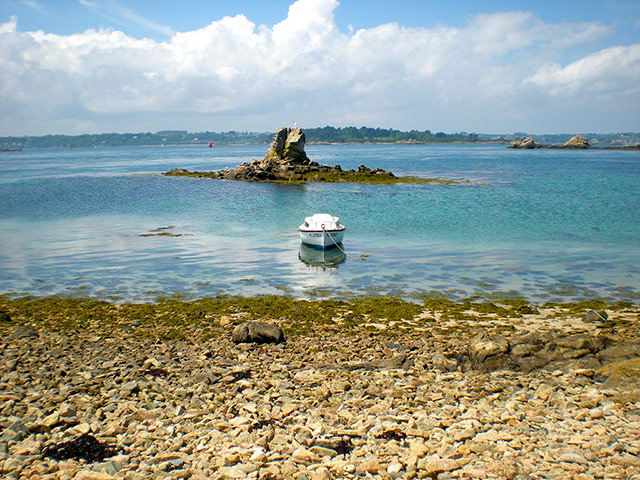
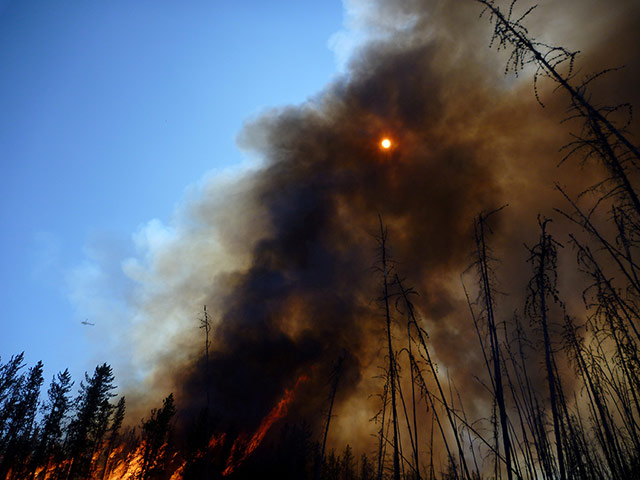
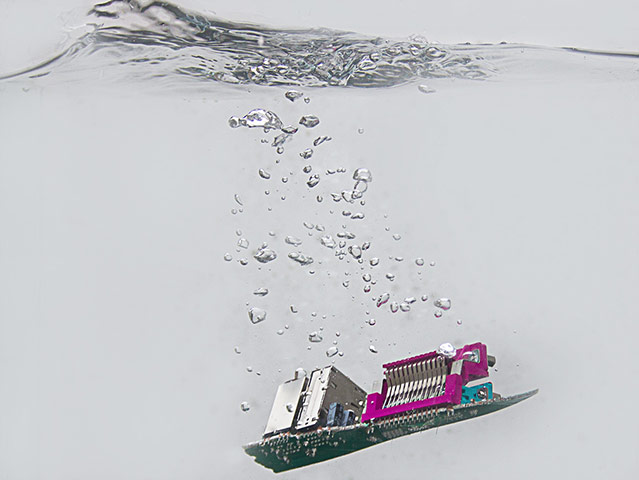
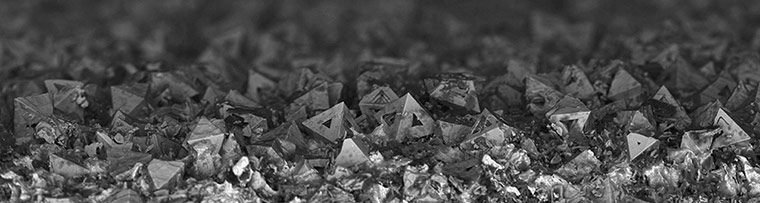
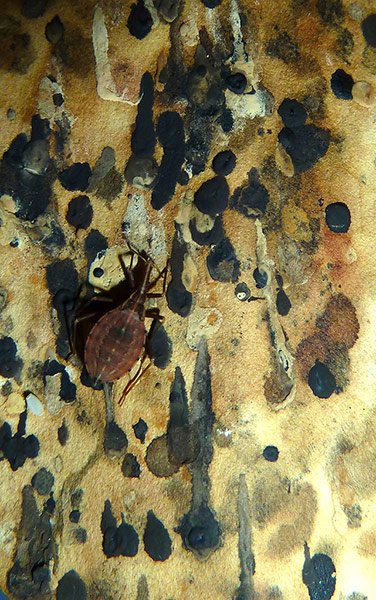
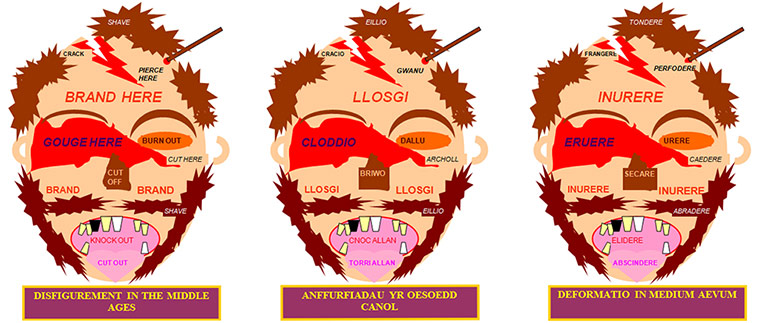
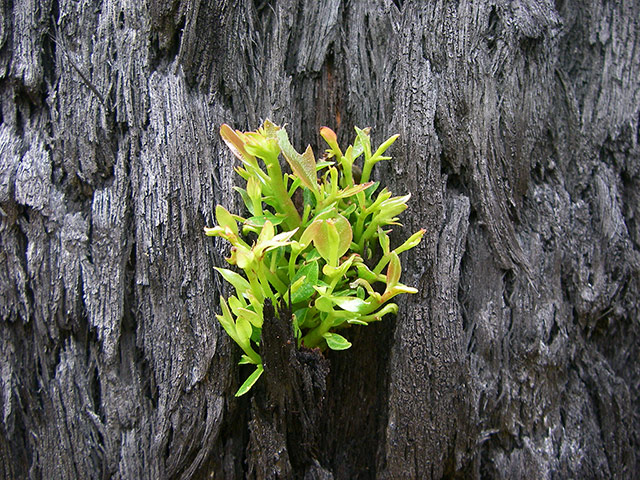
Collaborative award – Resisting Temptation: Individual Differences in Impulsivity by Menna Price: '"Sweet Temptation" was hand-formed by my three young children who already display individual differences in the ability to resist temptation (demonstrated by the varying number of sweets consumed during the making of this image!). The ability to exhibit self-control in an environment abundant with temptation may be a key factor in preventing overeating and obesity, with tendencies toward impulsivity and immediacy making this very difficult for some people'Photograph: Rebecca Jory/Menna Price (Department of Psychology) /2013 Swansea University Research as Art competitionPostgraduate Award - Finding Needles in Four-Dimensional Haystacks by Ed Bennett: 'Each cube represents the same moment in time, of a space 100,000 times smaller than an atom, in a theory describing interactions of elementary particles. Like all space, it is filled with objects known as instantons, which describe the properties of some of the interactions. The problem with observing instantons is that they are obscured by noise. Cooling the system, seen as we move down the columns, allows us to find the instantons – akin to carefully removing the hay strand by strand, leaving only the needles behind. Moving around the ring takes us to a different point in time'Photograph: Ed Bennett (Department of Physics)/2013 Swansea University Research as Art competition2013 Undergraduate Award: Cobalt, Celeste, Cyan and Me by Leifa Jennings: 'This photo shows a rail of blue theatre scrubs, ready to be worn. It is a visual representation of how it feels to be a medical student entering the operating theatre for the first time. Everyone else has a role to play and a place to be, but as a student you stand there, bright red "Student" lanyard around your neck, feeling like you definitely don’t fit in. My research project on theatre etiquette aims to create a piece of work to inform new students of the unwritten rules of the operating theatre, hopefully allowing them to feel more confident the first time they enter the operating theatre environment'Photograph: Leifa Jennings (College of Medicine)/2013 Swansea University Research as Art competitionRunner-up – Cydweithio Cymreig: The Collected Videoconferences by Steve Williams: Exploratory data analysis (EDA) helps provide insight into a dataset covering one month’s videoconferences involving academic sites across Wales. Visual EDA aids the exploration and understanding of the social and technical networks of collaboration within and beyond Wales’s borders … This running man image emerged during a data analysis using Gephi’s Force Atlas layout. The degree of the node, the number of different links it makes, determines the node’s location, size and colour. Analysing operational and functional data using EDA can benefit the understanding and development of services'Photograph: Steve Williams (IS&S)/2013 Swansea University Research as Art competitionRunner-up – Reflections of Older People’s Mobility by Charles Musselwhite: 'The most derogatory and negative stereotype of older people is captured in this UK road sign, depicting "elderly persons" as hunched over, hobbling along with a walking stick, the female clutching at the male for support. This is far from the reality I find in my research with older people, where I have found mobility in later life is full of diversity and older people are far more likely to be fit and healthy and actively engaged with life on many levels, meaning mobility is very important. I reflect on this by continually attempting to supersede the road sign with a repeated vision of one of my participants driving, reflecting the importance of driving in later life and how it’s linked to health and wellbeing, but also highlighting how old negative stereotypes remain'Photograph: Charles Musselwhite (Centre for Innovative Ageing)/2013 Swansea University Research as Art competitionRunner-up – What Lies Beneath by Alice Hicks: 'You wouldn’t think it, but beneath this idyllic stretch of ocean exists one of humanity’s most important resources: the potential for energy. Beneath the surface, thousands of tons of water are moving as fast as you can run. The future of human existence revolves around how we nurture the growth of these largely untapped energy resources; marine renewable energy from waves and the tidal cycle. This image from l’Ile de Bréhat in Northern Brittany perfectly demonstrates this secretive source. This is the location of the 2.2MW OpenHydro tidal stream turbine … Beneath the surface, we are researching the potential physical and acoustic interactions between porpoises,seals and tidal turbines … It is vital that these majestic animals remain unharmed by human endeavour into harnessing our oceans’ energy'Photograph: bbRunner-up: Beyond the Smoke by Cristina Santin: 'This image documents a huge experimental forest fire in the Boreal Canada in which we had the fantastic opportunity of participating last summer. It simulated an intense wildfire, burning more than 5000m2, with flames higher than 20m and temperatures on the ground of more than 900C. Forest fires are seen as major environmental threats, emitting large amounts of carbon into the atmosphere. However, as a "compensation", they also generate charcoal, which works as a stable carbon store for millennia. This picture exemplifies this ambivalence, with part of the carbon from the forest being emitted within the smoke, while other carbon is being converted to charcoal (charred trees on the right). My postdoctoral research is now trying to answer the question "Are forest fires locking up carbon?"'Photograph: Cristina Santin (Department of Geography)/2013 Swansea University Research as Art competitionRunner-up: Splashes and Waves, Ripples and Spills by the Cyberterrorism Project Team: 'Cyberspace permeates almost every aspect of our everyday lives … But while cyberspace presents enormous opportunities it is also a major source of critical strategic challenges, in the form of crime, warfare, terrorism and beyond. The novelty and complexity of cyber and digital phenomena – as well as the vulnerabilities they produce – render these comparatively less well understood than other domains of social existence and conflict. Hence, the plurality of metaphorical readings: cyber "space", "traffic", "firewalls", "crashes", "surfing" the net, and so on. This image reifies the widespread water metaphor that is common in discussions of security "ripple effects" around terrorism and political violence'Photograph: Cyberterrorism Project Team (Law / Poitics / Engineering)/2013 Swansea University Research as Art competitionRunner-up: Diamonds in the rough by Dr James Sullivan: 'A scanning electron microscope image of a brand new material containing geometric crystals that generate electricity when exposed to temperature gradients. The crystals are a metal/semi-conductor hybrid formed in the matrix of a carrier alloy and are around 20 micrometres in diameter. Their unique properties are being investigated with regards to use in the next generation of European spacecraft as their electricity generating potential can produce cost and efficiency savings. Their discovery demonstrates the serendipity of science, as the goal of the addition of the semiconductor was to improve corrosion resistance and formability of a coating used to protect steel buildings and cars'Photograph: Dr James Sullivan (Materials Research Centre)/2013 Swansea University Research as Art competitionRunner-up – New Tools from Insect Poo by Miranda Whitten: 'This abstract work was created by a colony of blood-sucking insect “artists” called Rhodnius prolixus, and the "paint" is their excrement. While blood-sucking is sinister, the excrement is even more dangerous: it can contain the deadly Chagas disease parasite that kills 12,000 people each year. For us, though, it’s also a source of new hope. We have taken the symbiotic ("friendly") bacteria from Rhodnius excrement, and have engineered the bacteria to synthesise a double-stranded RNA product that silences the insect’s genes. After being fed back to the insect, the bacteria re-colonise the gut and can silence its genes indefinitely. We can now use this technology to study insect gene function, and to develop a novel method of biological control aimed at reducing disease transmission'Photograph: Miranda Whitten (College of Medicine)/2013 Swansea University Research as Art competitionRunner-up: Medieval Disfigurement - A Graphic Guide by Patricia Skinner: 'The image represents in a simple graphic form the sites of potential mutilation and disfigurement on the head and face in the early Middle Ages, and draws upon the late medieval practice of illustrating "wound men" to locate the sites of injury. Because early medieval artists were not concerned to capture realistic images, and in any case the scarred and disfigured were almost always associated with evil, finding contemporary illustrations is difficult prior to 1200. I’m investigating ways to produce reconstructions of medieval wounded faces and heads from contemporary, written descriptions. The aim is to track both medical and social responses to such injuries in the early middle ages, and by doing so try to bridge the temporal gap between the medieval era and our own'Photograph: Patricia Skinner (Centre for Medieval and Early Modern Research)/2013 Swansea University Research as Art competitionRunner-up: Phoenix from the Ashes by Stefan Doerr: 'This image shows the fascinating capability of eucalyptus trees to produce shoots straight from the bark even when the bark is charred, all branches are burned and the tree appears dead. The image was taken only four weeks after the catastrophic "Black Saturday" fires near Melbourne 2009. 179 people lost their lives in these fires, which raged with unprecedented severity and speed, and shook Australian society to the core. In our research we investigated some of the environmental impacts of these severe fires and found the environment to be more resilient that what would have been expected'Photograph: Stefan Doerr (Department of Geography)/2013 Swansea University Research as Art competition
Sign up to read this article
Read news from 100’s of titles, curated specifically for you.