
As the death toll continues to soar from Helene, a recent study has shed light on the long-term health risks associated with tropical cyclones. Researchers examined over 500 tropical cyclones that hit the continental US between 1930 and 2015, comparing the post-storm mortality rates to pre-storm conditions.
The study, published in the journal Nature, revealed that an average tropical cyclone in the US leads to between 7,000 and 11,000 more deaths over 15 years than would be expected without the storm. This 'undocumented' toll from storms accounts for 3.2 to 5.1% of all deaths in the continental US.
Interestingly, the excess deaths are not directly caused by the storm itself, such as drowning, but rather by indirect factors like income loss, exposure to pollutants, and other health issues that arise post-storm.

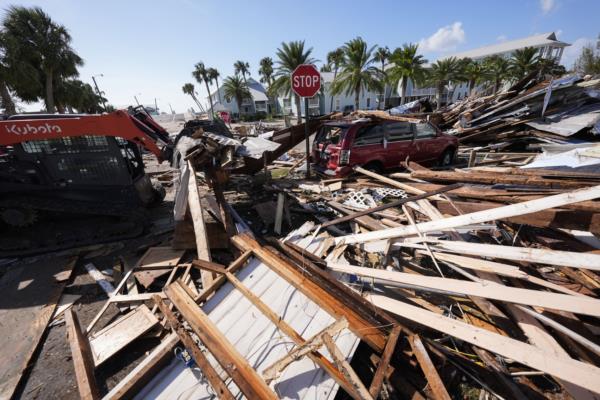
The findings emphasize the long-term health risks faced by those affected by storms, especially the most vulnerable populations. Rachel Young, the lead author of the study and a visiting researcher at Stanford University, stressed the importance of reevaluating disaster response policies to address these prolonged health impacts.
States in the southeastern US, like Florida, which are frequently hit by storms, experienced a higher proportion of deaths. Surprisingly, areas less frequently impacted by storms were found to have a higher mortality risk compared to more frequently hit regions.
Young pointed out that with climate change, there could be an increase in excess mortality as areas unaccustomed to storms may face them more frequently. However, she also highlighted the potential for other states to learn from places like Florida in terms of disaster response and preparedness.