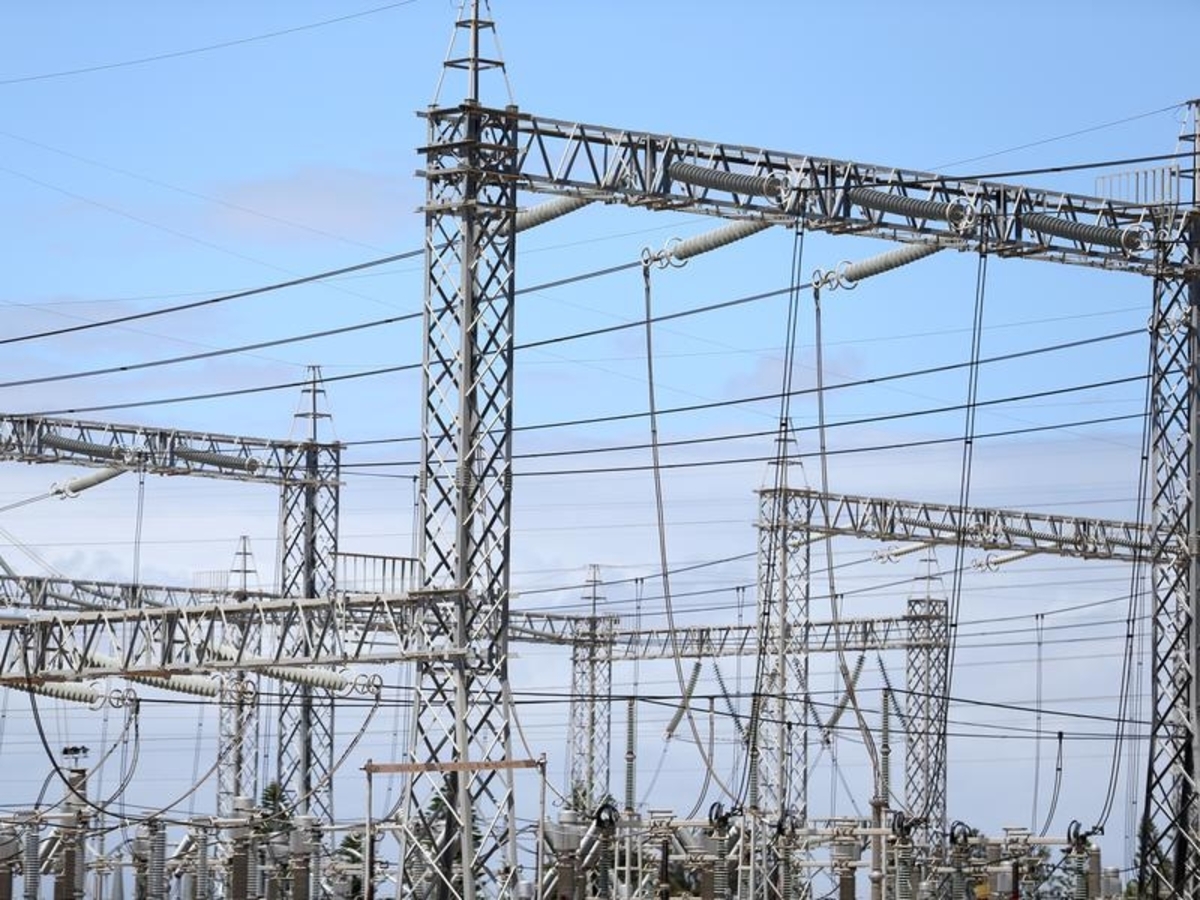
Relying on gas in peak periods of electricity demand in Australia is both economically irrational and environmentally harmful, new analysis has concluded.
Gas peaking plants are currently the most common way for Australia's energy grid to crank out extra power on short notice to meet peak demand.
But batteries are a much better option in every way, the new Clean Energy Council study has found.
"Large-scale batteries are now undoubtedly the best option to meet periods of high electricity demand," says Clean Energy Council Chief Executive, Kane Thornton.
"Over the past three years, batteries have been essential in keeping the grid stable and keeping power flowing to energy users."
With lower set up expenses, maintenance bills and operating costs, batteries work out 30 per cent cheaper, the 'Battery Storage - The New, Clean Peaker' paper found.
While gas plants take about 15 minutes to ramp up production, batteries can provide additional power almost instantly and have a better frequency response.
Batteries have a minimal land footprint, a smaller carbon footprint, and pose a lower risk in terms of future gas, carbon and market reform.
They are also not exposed to fluctuating natural gas prices, keeping costs low.
While batteries are currently only capable of meeting up to four hours of peak demand, there are very few periods forecast to require more than that the next decade, the report said.
Plus, improvements to battery technology are continuing and costs are quickly dropping.
Since 2018, 8.9 gigawatts of large-scale battery storage has been financially committed, proposed or approved in Australia.
However an estimated 6 GW to 19 GW of new dispatchable resources, enough to power about two billion LED lights, will be needed across the national electricity market by 2040.
Filling that need with gas peaking plants would be irrational and imprudent, exposing shareholders to potential losses, taxpayers to unnecessary debt and electricity customers to high costs, the report says.
Mr Thornton urged policy-makers and investors to back batteries too.
"Long-term investment certainty remains reliant on appropriate market reforms and forward-looking policies that incentivise new, flexible technologies that are needed to complement renewables," he said.