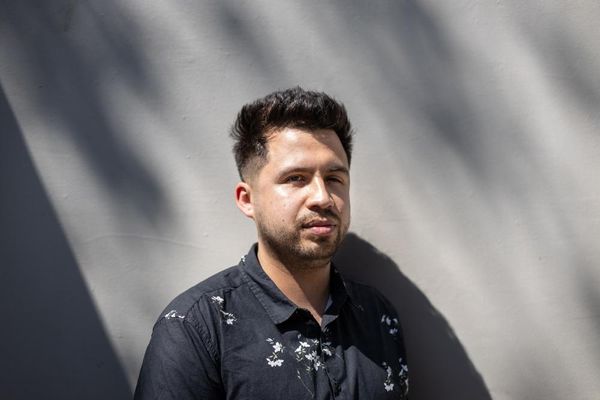
Thomas Lewis, 26, is about to fly to São Tomé, a tiny island off the west coast of central Africa, to camp in a forest. It is the only habitat of the fiscal shrike, a bird the size of a blackbird that’s on the endangered species list.
Lewis’ dissertation – on the threat to the bird’s survival by the exploitation of oil reserves off the island’s coast – will form part of his MSc in endangered species recovery and conservation at Nottingham Trent University (NTU). “No detailed research exists on them, but it is thought there are between 50 and 200 in parts of the forest,” he says.
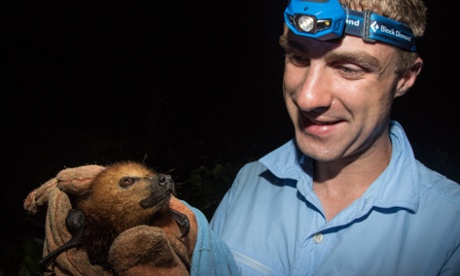
His course tuition fees of £5,510 do not cover the cost of the trip, but Chester zoo and NTU have met part of it. Lewis has a degree in biological sciences from the University of Southampton and has done field work on bird conservation in Mauritius.
NTU has run the MSc/MRes for five years and has 22 students currently on it. It was designed by Samantha Bremner-Harrison to equip graduates with practical skills.
“I had come from conservation work in California and noticed a gap in the market,” she says. “Our students are taught radio-tracking, setting camera traps and dietary analysis. We also teach methods for working out how an animal died, which is useful in assessing the threat to survival.”
For students who want to learn about endangered species recovery in the field, the University of Kent has validated a course run by the Durrell Conservation Academy, which is taught on Mauritius. The six-month postgrad diploma started in April with 16 students on the island, six of whom are from the UK. Tuition fees are £6,800, which includes six months’ accommodation. Students have to pay for their flights and living costs.
Jamie Copsey, head of learning and development at the Durrell Wildlife Conservation Trust, says: “The profession needs wildlife practitioners who not only know the theory of conservation, but have the experience to turn it into practice. Students learn from leading conservation biologists and work within field teams.”
On arrival, students live in rented accommodation in the Black river area for six weeks, where they do intensive modules on species recovery. They then join field teams and learn such tasks as taking blood samples from reptiles.
Keep up with the latest on Guardian Students: follow us on Twitter at @GdnStudents – and become a member to receive exclusive benefits and our weekly newsletter.