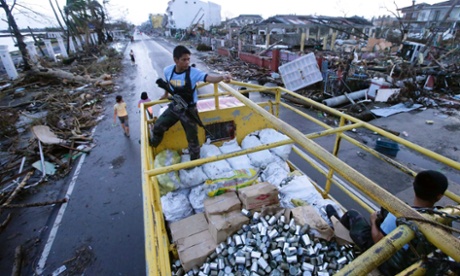
It has been a testing year for humanitarian emergencies, with conflicts in Syria, Iraq, Palestine, South Sudan and Central African Republic stretching aid budgets to the limit. On top of these manmade emergencies, the Ebola epidemic has demanded a global response, with the UN calling for $988m to tackle the outbreak.
Helen Clark, the head of the UN Development Programme, summed up the prevailing climate when she said earlier this year that it was “hard to remember a time when more crises were jostling for space in the headline news”.
Support for humanitarian disasters is limited, and inevitably some situations will remain underfunded or even be ignored. The UN has already cautioned that it will be forced to cut food rations for Syrian refugees if it does not receive more funding, and a similar warning has been sounded about food aid to Afghanistan. Meanwhile, a food crisis in Somalia has left more than 1 million people in need of assistance, and there are fears that a plea from the UN Food and Agriculture Organisation for more funding is falling on deaf ears.
We want to know your thoughts. Why do some humanitarian emergencies receive more support than others? Is a fairer system for funding allocation possible? Submit a response of 250 words or fewer and we’ll publish a selection of the best ones. Keep your response clear and concise, avoiding development or academic jargon. Email your response to development@theguardian.com with “Students Speak” in the subject line. Please include your name, the country where you live, and the university or college you attend. Submissions close at 6pm BST on 27 November.