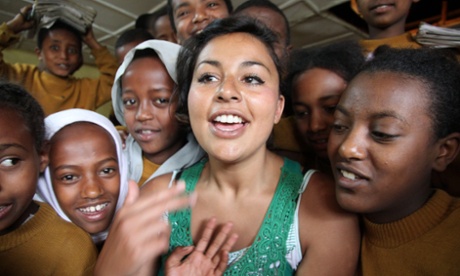
Does volunteering abroad on short-term aid projects do more harm than good? It’s an issue that’s hotly debated. Many argue against the rise of the volunteer tourism industry, claiming it hurts the communities it aims to help. Volunteering overseas has also been the butt of jokes parodying the gap-year armies and well-meaning but possibly ill-equipped adults who take time off to make a difference.
But in the rush to take down the “voluntourism” sector, have the detractors overlooked more worthwhile forms of volunteering? A new report from Voluntary Service Overseas and the Institute for Development Studies says yes, claiming that volunteers contribute positively to sustainable development. The Valuing Volunteering report involved both local and international volunteers in Kenya, Mozambique, Nepal and the Philippines, and found that the often informal nature of volunteering proved helpful in reaching the poorest and most vulnerable communities, with volunteers living and working alongside community members. The report also claimed volunteering had created new ways for communities to collaborate on projects and supported people who may not be heard by traditional NGOs or governments.
We want to know what you think about the merits or pitfalls of volunteering overseas. Can it be a force for good? Or are there more effective ways to bring about change? Submit a response of 250 words or fewer, and we’ll publish a selection of the best ones. Keep your response clear and concise, avoiding development or academic jargon. Email your response to development@theguardian.com with “Students Speak” in the subject line. Please include your name, the country where you live, and the university or college you attend. Submissions close at 6pm GMT on 24 April.