As federal student loan repayments enter a new season on July 1, borrowers are conflicted about the value of a college education and the cost of student loans, according to a new survey of 1,005 U.S. college graduates from consumer research and analysis firm ConsumerVoice.org.
Some 83 percent of graduates say they couldn’t have finished their higher education without student loans, yet nearly half of them have delayed saving for retirement because of their loan payments, the study found.
“Student loans helped make higher education possible for most borrowers, but many are still navigating the financial trade-offs years later,” the survey noted
That trade-off is impacting more than just borrowers’ golden years.
Homebuying and emergency savings are suffering because of the financial decisions their student loan payments have forced them to make.
Nearly half of borrowers say they’ve delayed building up emergency savings because of their loan payments, and another 37 percent said they have put off buying a home.
The borrowing conflict was even deeper when respondents were asked if they would borrow less if they had a chance to do it over again. Some 56 percent said they would.
The survey points to the country’s growing student loan crisis. The average college graduate has a $39,633 student loan balance, which is around $12,000 more than the average used-car loan balance and about $32,000 more than the average credit card balance, according to personal finance site LendingTree.
Overall, the nation’s total student loan debt sat at $1.66 trillion through the first three months of the year, slightly less than total auto loan debt and around $400 billion more than credit card debt, according to the Federal Reserve Bank of New York.
The Trump administration has tried to address the nation’s student loan crisis by simplifying the federal loan repayment options for borrowers, putting a cap on how much graduate students can borrow and adjusting federal student loan interest rates.
The Department of Education announced Thursday it would temporarily lower federal student loan interest rates by 1 percent for two years starting July 1 to ease the financial burden on borrowers repaying their balances.
“This interest rate reduction will help borrowers as they consider new, affordable repayment plans and work to repay their loans on time,” Nicholas Kent, undersecretary of education, said in a statement about the temporary rate cut.
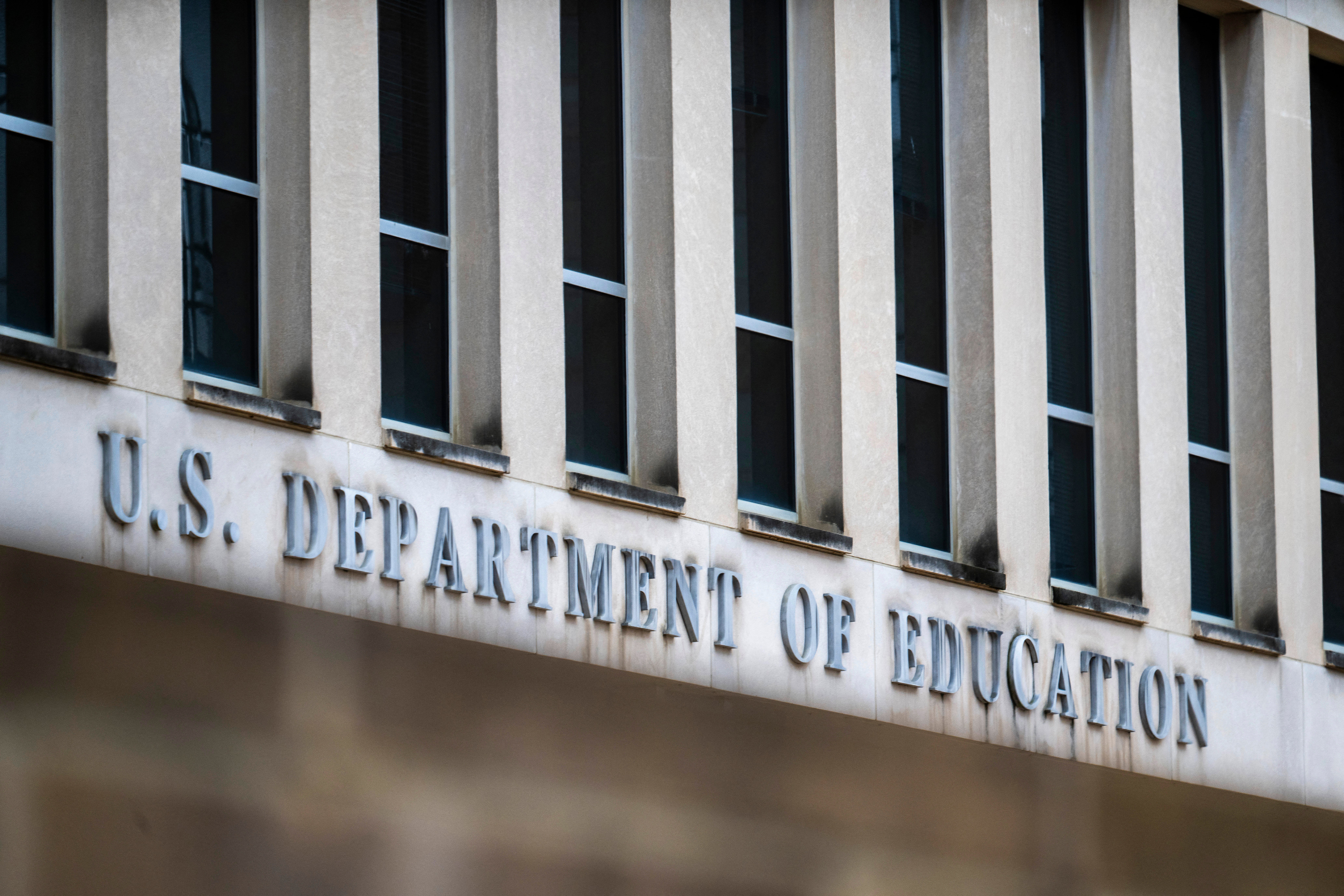
In March, the Supreme Court struck down the SAVE repayment plan, a program launched under former President Joe Biden.
SAVE significantly lowered some borrowers’ federal student loan payments, reduced interest charges and made the path to loan forgiveness quicker, according to the Institute of College Access and Success.
The SAVE plan’s demise has funneled its roughly 7.5 million borrowers into a series of new plan choices that include fixed payments over time and adjusted payments based on how much a borrower earns. Starting July 1, former SAVE borrowers will have 90 days to select a new repayment plan, according to the Department of Education.