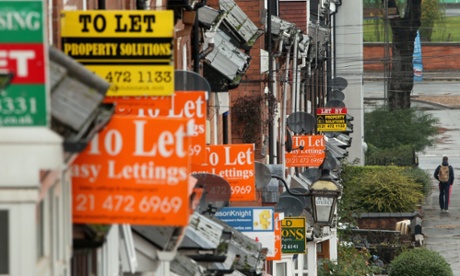
There are few who still believe the earth is flat, but people who believe there is no housing crisis in Britain still walk among us. For those who still believe in self-regulating markets, the important factor is the choice in tenancies available in the UK: housing association and council tenants still rent, many still own homes and increasing numbers rent privately. Those not “locked in” to home ownership can move around a myriad of privately rented flats as they see fit, the theory goes.
But a look at Shelter’s statistics on the number of tenants reporting harassment by landlords reveals the reality of that “choice” for many people. In the past year, 17,000 tenants called Shelter’s hotline for advice on landlord harassment. Problems included verbal abuse, threatening behaviour, having utilities cut off as intimidation and even burning and destruction of personal belongings.
So often with dispatches from the frontline of the housing crisis, what’s most irritating is how unsurprising news stories are: almost no one I know, or have met, has an unblemished history of landlord relations. Like bad haircuts, everyone has at least one, often multiple, stories of terrifying and terrible landlords.
A former flatmate once felt the uncomfortable sensation of being watched while reading in the front room, and looked up to see our landlord with his face pressed against the window peering in, unannounced. Another friend was asked by her landlord if she’d mind “lending” her the deposit for six months after she’d moved out as she was hard up; when she rightly refused and asked for the tenancy deposit scheme details, the landlord trashed the flat and claimed the tenants had done so in an attempt to keep the deposit.
If a small, but not insignificant, number of landlords are hellbent on harassing tenants, why do they stay? Simply because tenancy choice is rarely a choice at all. The relationship between tenants and landlords is utterly skewed in favour of the landlord. A whim or small gripe is all it takes for a landlord to decide enough is enough and boot you and your children or housemates out, and access to justice is limited.
Stating the facts of the frankly toothless “revenge evictions” bill to a landlord who serves you five days notice just before Christmas is no comfort if your immediate concern is how to stop the person who owns the deeds to the property (and far more capital than you) from changing the locks in spite of the law. Being able to leave whenever your letting agreement is up for renewal is only a freedom if you have the financial comfort to raise a deposit and afford a similar home in the area. Many people simply don’t, and their life and access to shelter depends on hoping for clemency from their landlord.
Whenever “beds in sheds”, or even this week “beds in sheds in living rooms” stories pop up, the question is asked: why do people choose to live like this? The answer is obvious: they have no choice. It’s rare for tenants to be able to walk into a property and feel their relationship with the landlord is on an equal footing – paying for private housing isn’t a simple transaction, because the housing shortage has created huge numbers of desperate people clamouring for the homes that the landlords own. As long as there are desperate people, there will be unscrupulous landlords who abuse that power dynamic to harass, intimidate and extort money from tenants.
The only way to address this is to accept that the power dynamic is skewed and dangerously so: actually increasing tenant rights and power could foster a far healthier relationship between landlords and renters. And if renting is free from the threat of bullying, maybe it will feel like an actual choice, instead of a very expensive trap.
Sign up for your free Guardian Housing network newsletter with news and analysis sent direct to you every Friday. Follow us: @GuardianHousing