Maryanne Bawden thought she had the flu when her husband insisted she go to the hospital.
But when her scans came back, doctors said she was lucky she wasn't paralysed.
Ms Bawden quickly learnt she was part of a growing number of older Australians living with a heart rhythm disorder, and that she had just had a stroke.
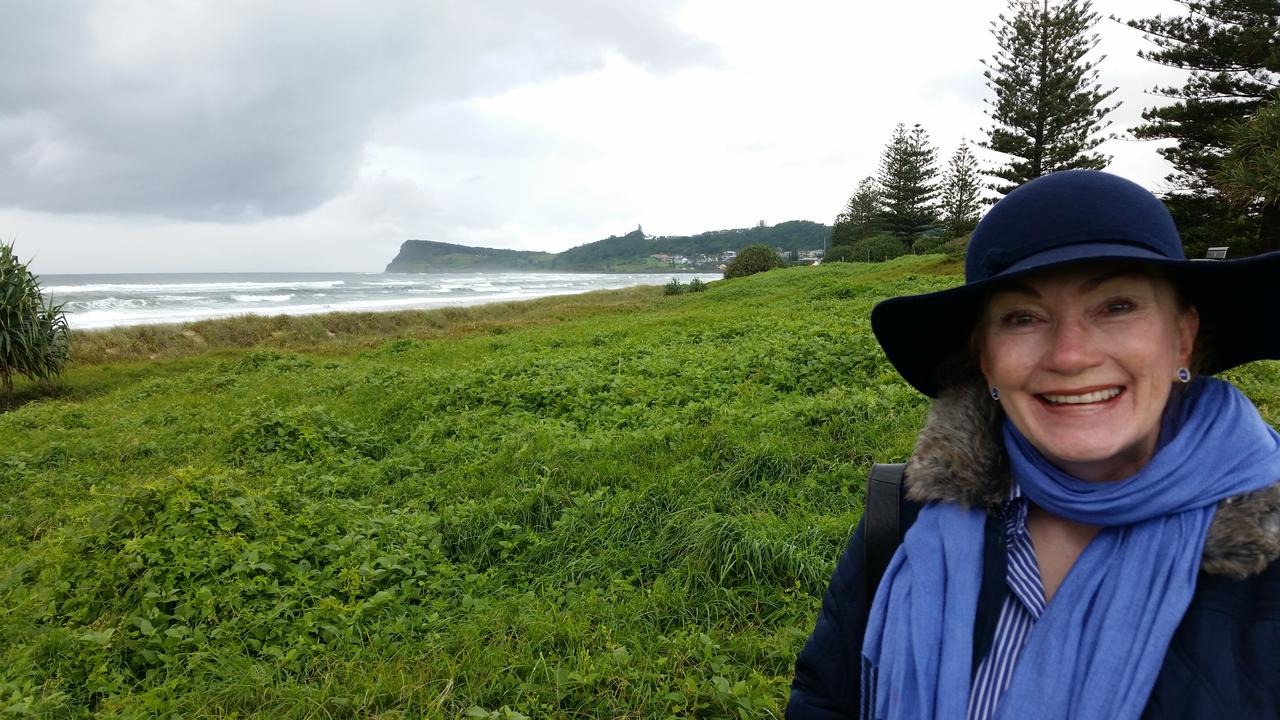
Atrial Fibrillation is the most common type of arrhythmia, which affects about one in 10 Australians over the age of 70 and increases stroke risk by up to five times.
Roughly a third of all strokes in Australia are linked to the condition.
"When I had my stroke, it was literally out of the blue, I didn't even think I was having a stroke," Mr Bawden told AAP.
"But had I not had the medical treatment when I did, the results would have been fairly catastrophic.
"That was a reality check and motivated me to make sure I did everything possible to prevent another stroke."
Scientists at the Heart Research Institute and the University of Sydney are hoping their study can help people detect the heart condition before they experiencing a life-altering stroke.
Across the country, more than 600 Australians over the age of 70 have taken part in a trial that could lay the groundwork for a national screening program, similar to the ones run for bowel and breast cancer.
Preliminary findings from the study have already detected previously undiagnosed cases of the condition, which may have gone undetected until the subjects experienced a stroke.
"Atrial fibrillation is often silent as many people feel perfectly well and have no idea they have it," chief investigator Professor Ben Freedman OAM said.
"If we can find it earlier, we have a real opportunity to prevent those strokes from happening in the first place.
"The impact on individuals, families and the health system would be enormous."

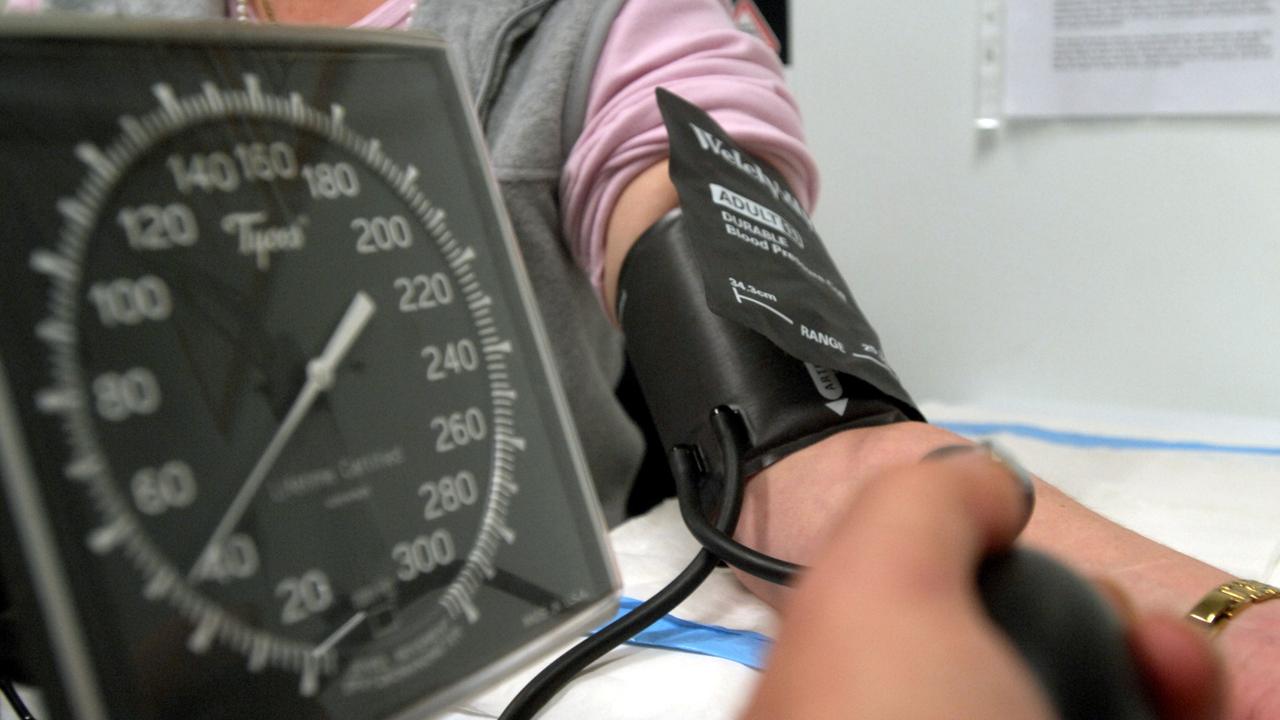
Ms Bawden now manages her diagnosis with a blood pressure monitor, which helps her regulate her energy levels, medication and proper supervision from a cardiologist.
Though initially shaken by the news, knowing exactly what condition she has and how to live with it has given her a sense of control.
"Prevention in all cases is better than trying to have a good outcome," she said.
"Now, I'm looking at life and valuing every day - as you do once you've had a bit of a shock."