
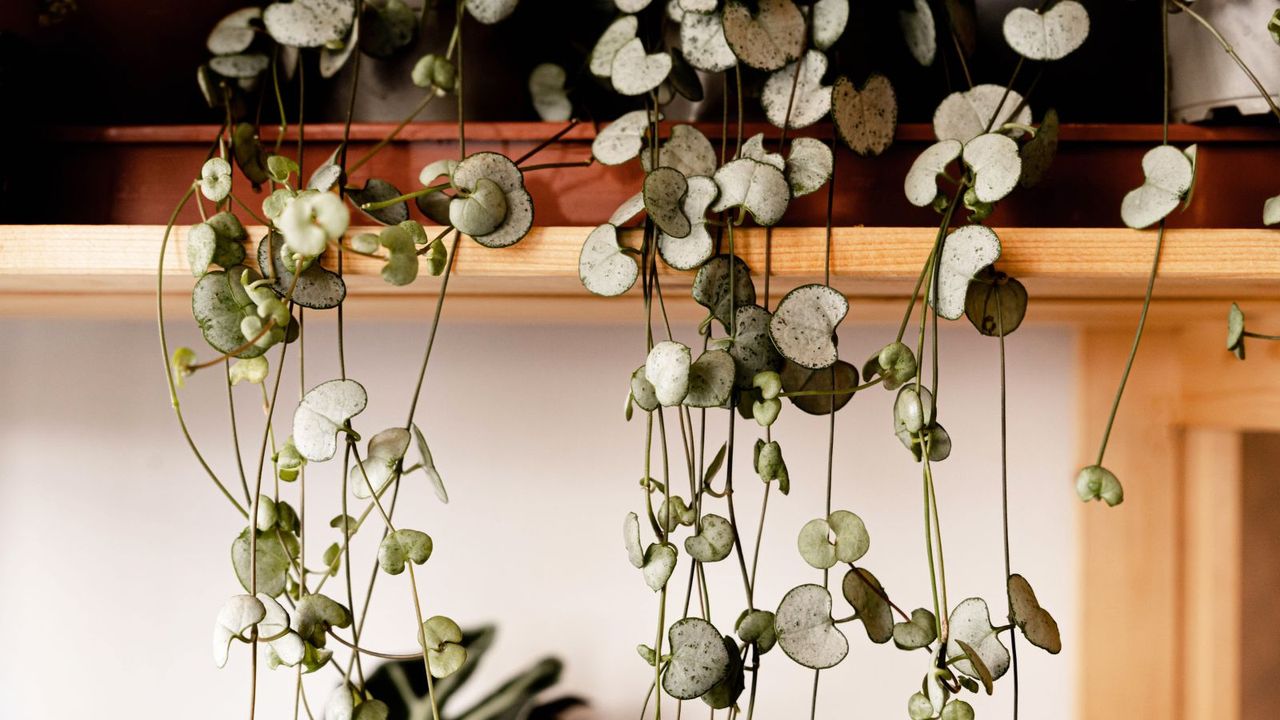
My string of hearts is undoubtedly the cutest houseplant in my collection. Long strings adorned with heart-shaped leaves never fail to capture my guests' attention. But, when these plants drop their leaves, the bare strands aren't so attractive.
It's a common problem when growing a string of hearts (whether a standard variety or a variegated string of hearts, like this from Walmart). Prolonged drought, incorrect lighting, pest problems, and other issues can all result in leaves dropping quickly and even contribute to the gradual decline of the the plant.
The good news is a simple adjustment in its growing environment will help your string of hearts recover quickly and stop it from happening again. Here, a houseplant expert explains the five common causes behind a string of hearts dropping leaves and what to do to fix it.
1. Severe Dehydration
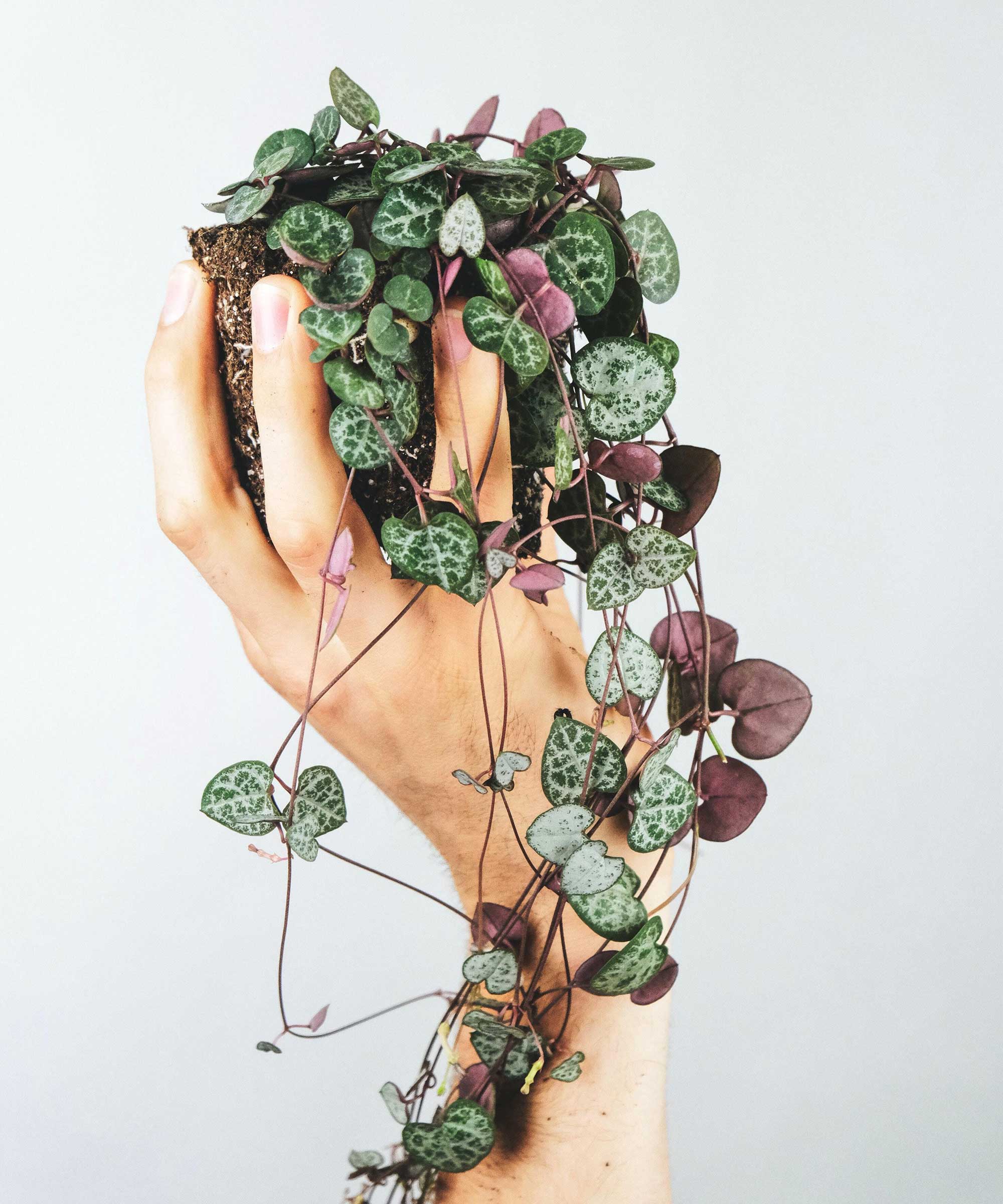
The number one cause behind a string of hearts dropping leaves is a lack of water.
Sing of hearts is a semi-succulent plant with fleshy leaves and tubers that store water. This means they can cope with some drought, but prolonged periods will result in symptoms like leaf drop.
'If the plant hasn’t been watered for several weeks or months, it’ll go into survival mode. The leaves will become thin, wrinkled, and limp,' explains Plantum plant expert Marina Prokaten.
'To conserve its remaining moisture, the string of hearts begins sacrificing older leaves (usually near the base), which dry up and fall off,' she describes.
To fix this, use houseplant gardening snips (these Fiskars ones on Amazon are a reliable choice) to prune away any damaged, dehydrated foliage. You should then adjust your houseplant watering approach.
'Water the plant thoroughly until water runs out of the drainage holes. If the houseplant soil has become so dry that it doesn't absorb water and has pulled away from the sides of the pot, use the bottom watering method: place the pot in a container of water for 15–20 minutes so the root ball can fully rehydrate,' Marina suggests.
2. Root Rot
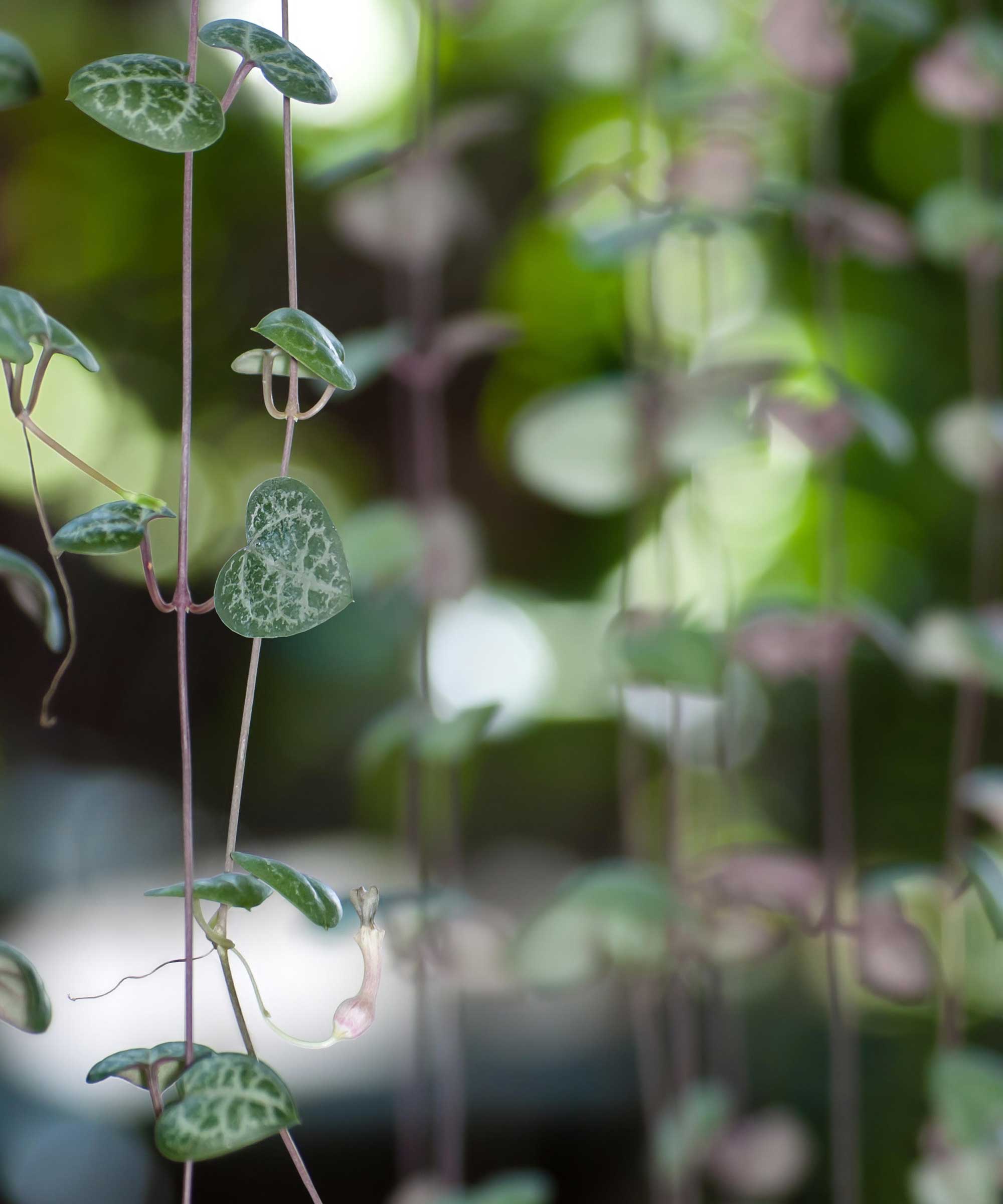
The other end of watering mistakes is oversaturating your string of hearts' soil. These delicate trailing plants don't cope with soggy conditions and are susceptible to houseplant root rot from sitting in waterlogged soil.
'Without a healthy root system, the leaves turn yellow, become soft, and fall off,' Marina notes.
'The best thing to do is let the soil dry out completely, all the way to the bottom of the pot, before watering again. Use pots with drainage holes and a light, well-draining potting mix (a succulent mix with added perlite is ideal, like this succulent potting mix from Walmart),' she adds.
If your string of hearts' roots are really mushy, you may need to prune houseplant roots. Focus on removing the most damaged ones, leaving a sufficient root system with firm roots and tubers.
I also suggest picking up a soil moisture meter (I have this one from Amazon) weekly to check your string of hearts' soil. This will identify just how wet the soil is and if it's time to top up water or let it dry out for a bit longer.
3. Insufficient Light
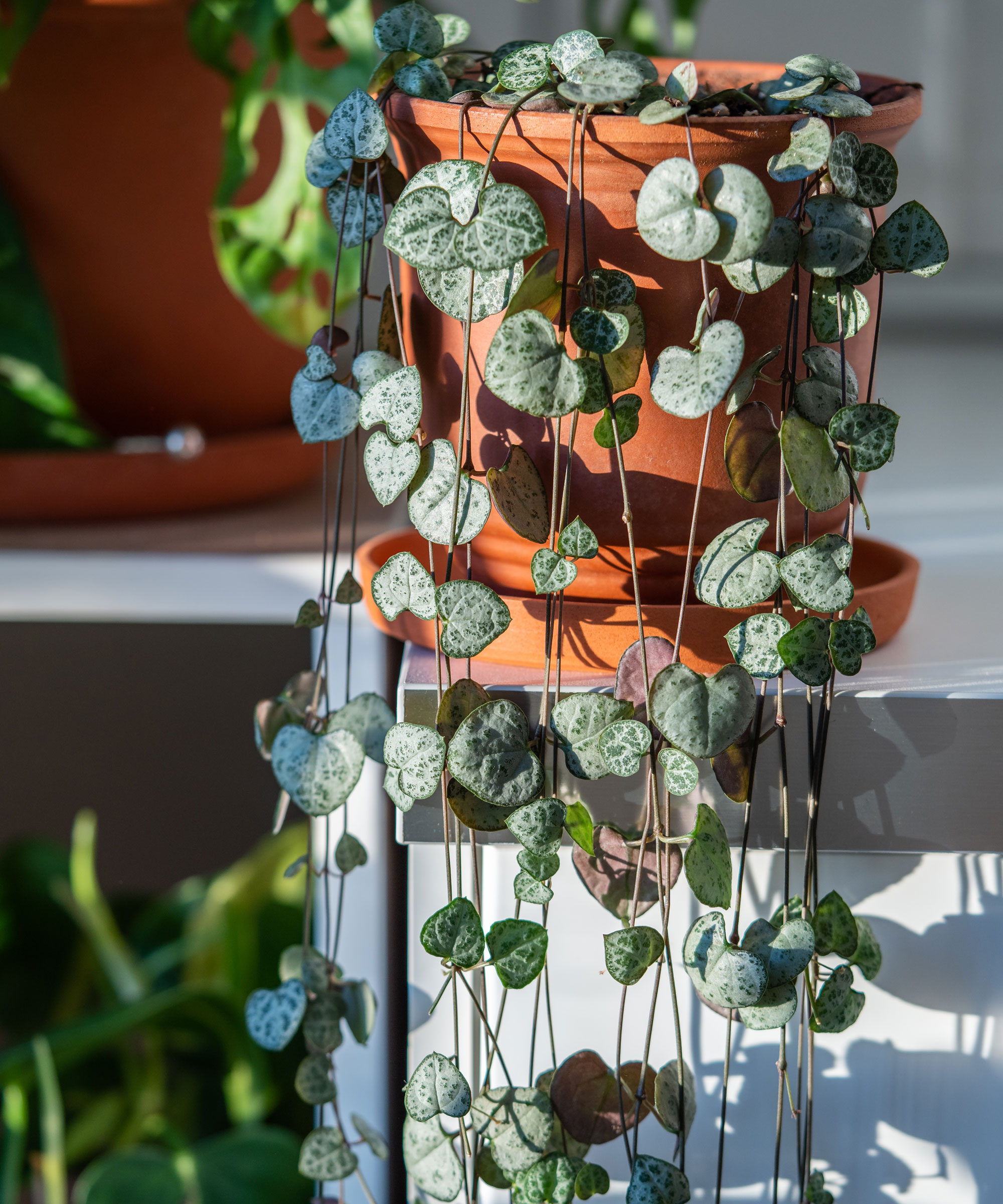
It's common to style these houseplants on a high shelf or bookcase, with its vines cascading down. While no doubt beautiful, this often leaves the top of the plant in a darker spot.
'As a result, the long stems hang beautifully in the light, while the base of the plant in the pot remains in complete shade. The leaves at the base begin to thin and drop,' Marina says.
'The top of the plant becomes completely bare, even though the vines below may continue growing,' she explains.
Ideally, string of hearts need 4-6 hours of bright light, with exposure over all of the plant. Though, you should avoid a direct sun position which can cause sunburn and leaf scorch.
'Lower the pot. Light should fall from above, illuminating the soil surface and the bases of the stems,' Marina suggests.
You can also supplement daylight with a grow light. This houseplant grow light from Amazon with an automatic timer is low-effort to use.
4. Cold Drafts
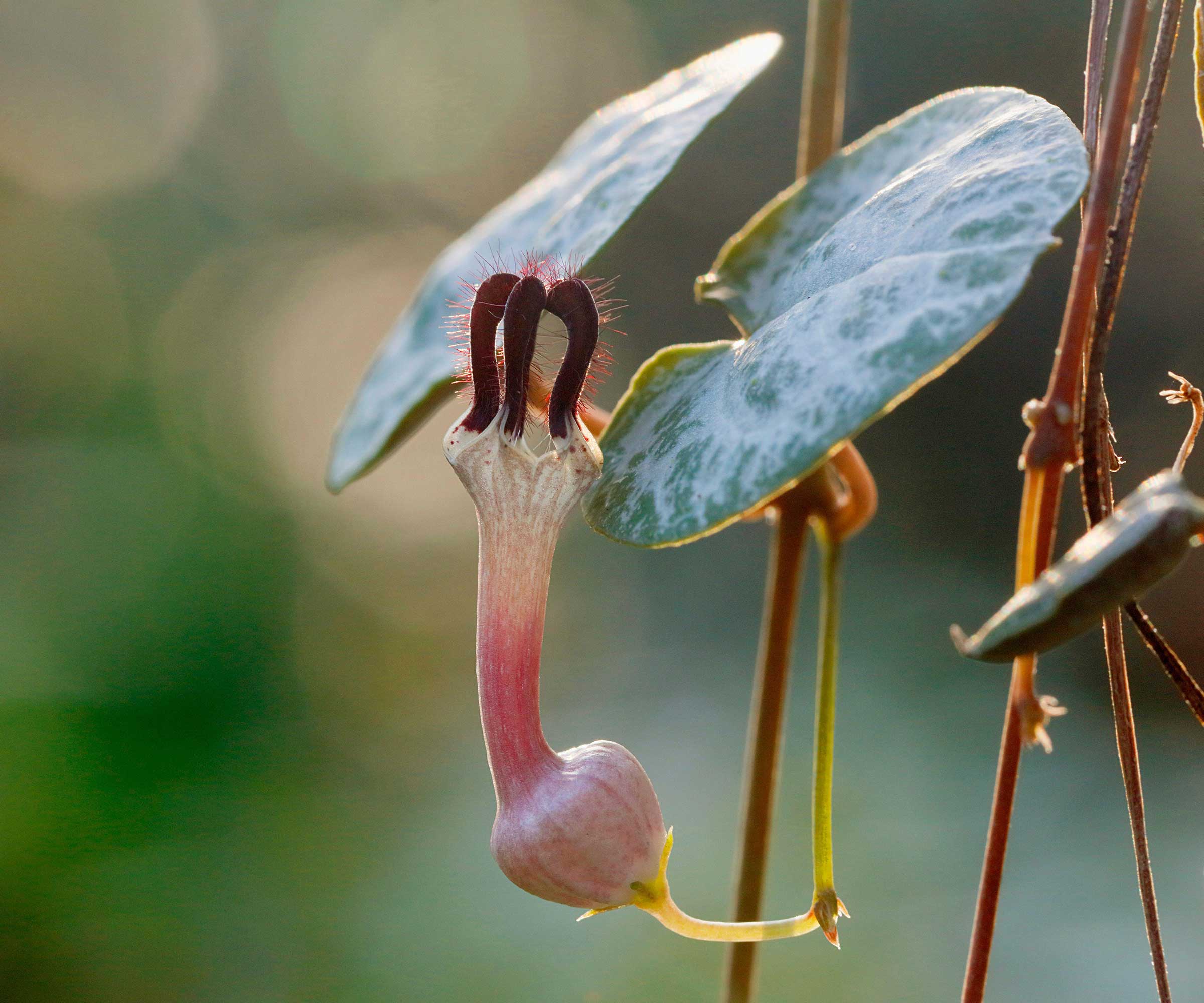
Temperature fluctuations can shock plants and cause symptoms like stunted growth and leaf drop. When it comes to string of hearts, its sudden cold drafts that cause such symptoms.
'Native to South Africa, this semi-succulent loves stable warmth, around 64-77°F and reacts immediately to sudden environmental changes. Leaves may drop in large numbers while still green, sometimes within just a few days,' Marina says.
'The cause may be a cold draft from an open window in winter, from an air conditioner, or proximity to a hot radiator, which dries out the stems,' she notes.
For this reason, you should position your string of hearts in a warm corner of the home, out of the path of a draft. Don't forget to also follow winter houseplant care by moving your string of hearts away from cold windows.
'Avoid rotating or moving the pot unnecessarily over the next few weeks while it recovers,' Marina advises.
You can use this room thermometer from Walmart to monitor the temperature for your string of hearts going forward.
5. Pest Damage
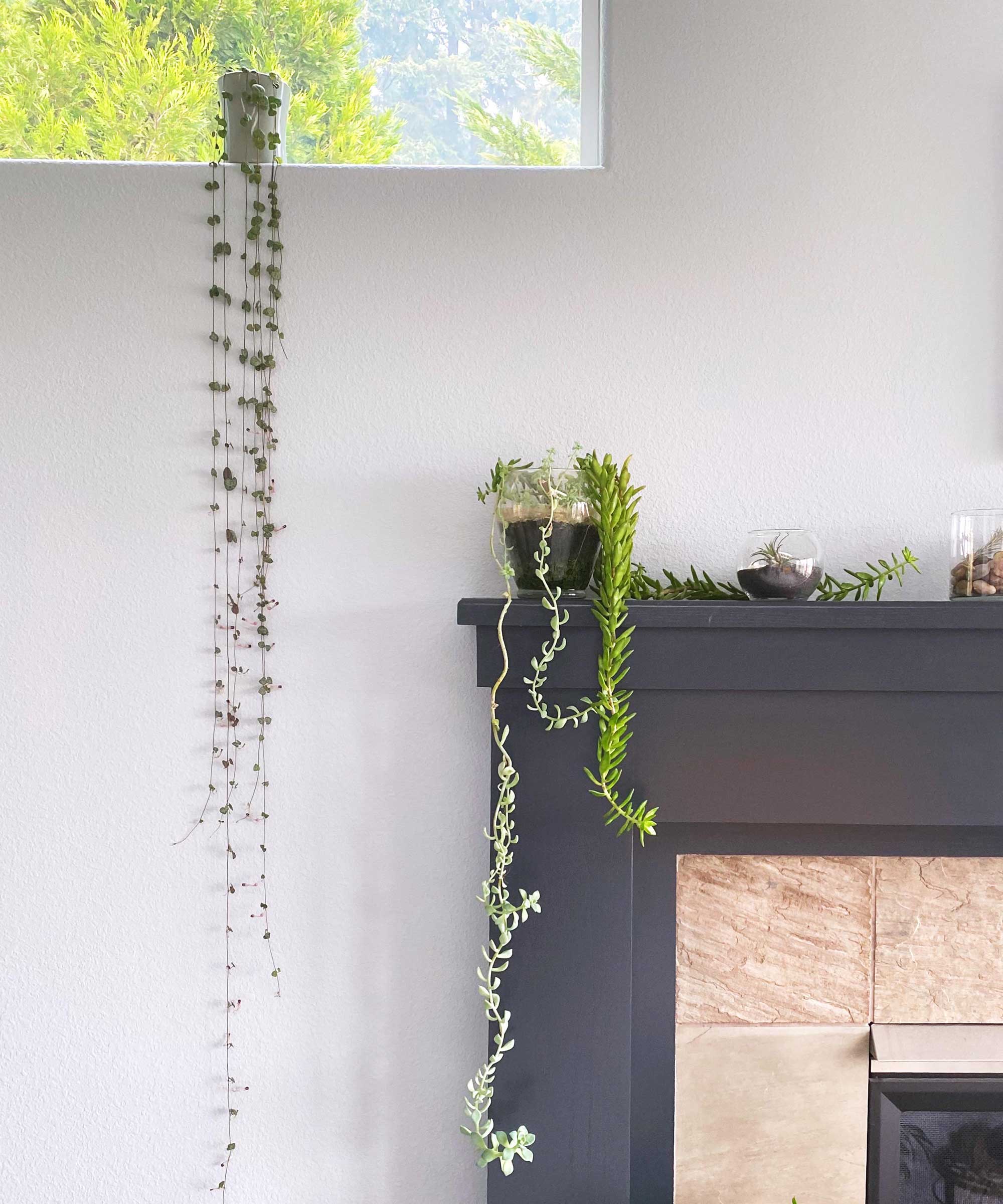
String of hearts can come under attack of a range of houseplant pests, most notably spider mites and mealybugs, as well as aphids and scale insects.
'The string of hearts is resistant to many problems, but dry air and weakened vigor can make it vulnerable to pests,' says Marina. 'If infested, the leaves develop yellow patches, become deformed, curl, and eventually fall off,' she explains.
It's important to determine which pest is attacking your string of hearts to know how to get rid of them. Fine webbing is a sign of spider mites, while white, sticky clumps on stem nodes may indicate mealybugs.
You should isolate the plant so the pests don't spread to other houseplants, and deal with the infestation accordingly. Our guide to getting rid of spider mites on houseplants has more information, for example.
To avoid a pest problem in the future, regularly check your string of hearts, including underneath its leaves where they can be found hiding, and take care to clean your houseplant leaves.
What to Shop
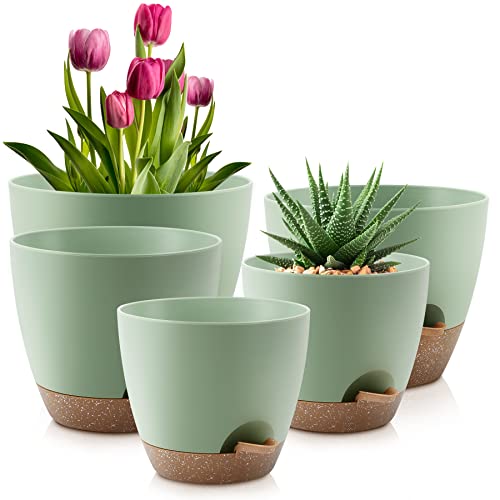
These green self-watering houseplant pots are ideal for plants that prefer consistent moisture. Fill the reservoir at the bottom to keep your plants hydrated.
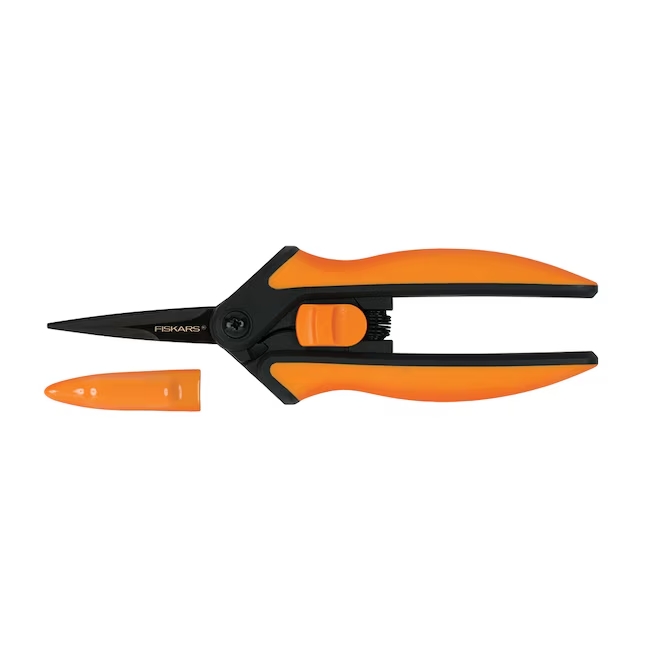
These Fiskars gardening snips are ideal for tending to houseplants like string of hearts. It has a stainless steel blade for clean cuts.
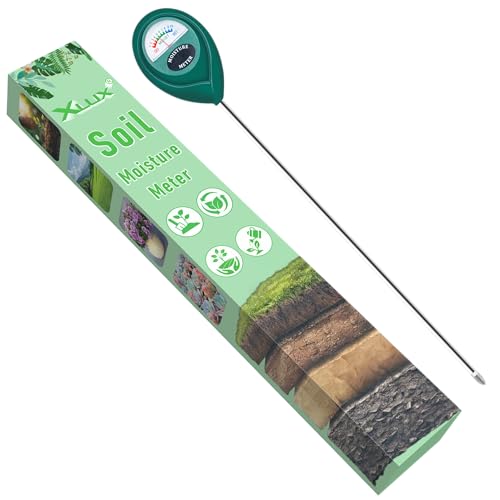
This soil moisture meter can help you avoid watering mistakes. Simply insert the probe and it will identify how wet the soil is.
Once your string of hearts has bounced back from dropping leaves, you can try propagating your string of hearts to get more plants for free. Take care to read up on water propagation mistakes before doing this, to boost your chances of success.
If you love inspiring garden ideas, outdoor advice, and the latest news, why not sign up for our newsletter and get the latest features delivered straight to your inbox?