For many the news is a 'disaster', with scholars and historians, many from abroad, depending on the reading rooms to carry out their research.
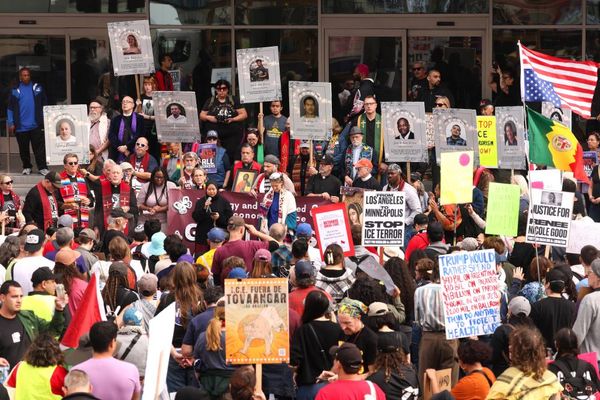
Picket lines will be mounted this morning after talks between the library and unions broke down at the end of last week.
Members of the Public and Commercial Services Union (PCS) are protesting at pay, a proposed shift system, extended hours of work and unhealthy working conditions.
They say 45 of the 109 book deliverers will lose £1,000 from their salary. A change in flexible working patterns will mean some staff being permanently confined to the library's four basement storerooms described as oppressive and unhealthy. An historian and his three students said they understood the library workers' point of view, but simply wanted the place to be open longer so they could get on with more work and see more books.
Clayton Roberts, an emeritus history professor from Ohio State university who goes to the rare book reading room six days a week, said if the strike went on for more than a week it would have a serious impact on the book he is writing about 18th century British politics.
For other American scholars writing books so that they might become professors, it was 'a disaster'. Denis Jackson, a literary translator who worked for more than 30 years in industry and who travels regularly to the library from the Isle of Wight, said it seemed that the person who designed the building didn't think of the people who have to work in it.
'It seems there is a deep-seated grievance in terms of the environment that people are being asked to work in,' he said. 'It seems sad that a library just getting off the ground is faced with this problem. If it is fundamentally about environmental conditions then they have a real problem on their hands, the place has already been built.'
Janice Collins, PCS national officer, said: 'It's a beautiful building but what you don't see are these four basements that go down lower than the Northern Line, each the size of Wembley football pitch. The conditions there aren't that great. We could have people confined to these basements for years on end.'
She did not see how the proposal to introduce a more hierarchical structure would help readers. Introducing less flexible working conditions would be detrimental.
Jane Carr, the library's director of public affairs, said it was simply trying to achieve the extended opening hours and levels of service that its readers deserved. That means we are going to have to change some of the patterns of working that staff have been used to.'