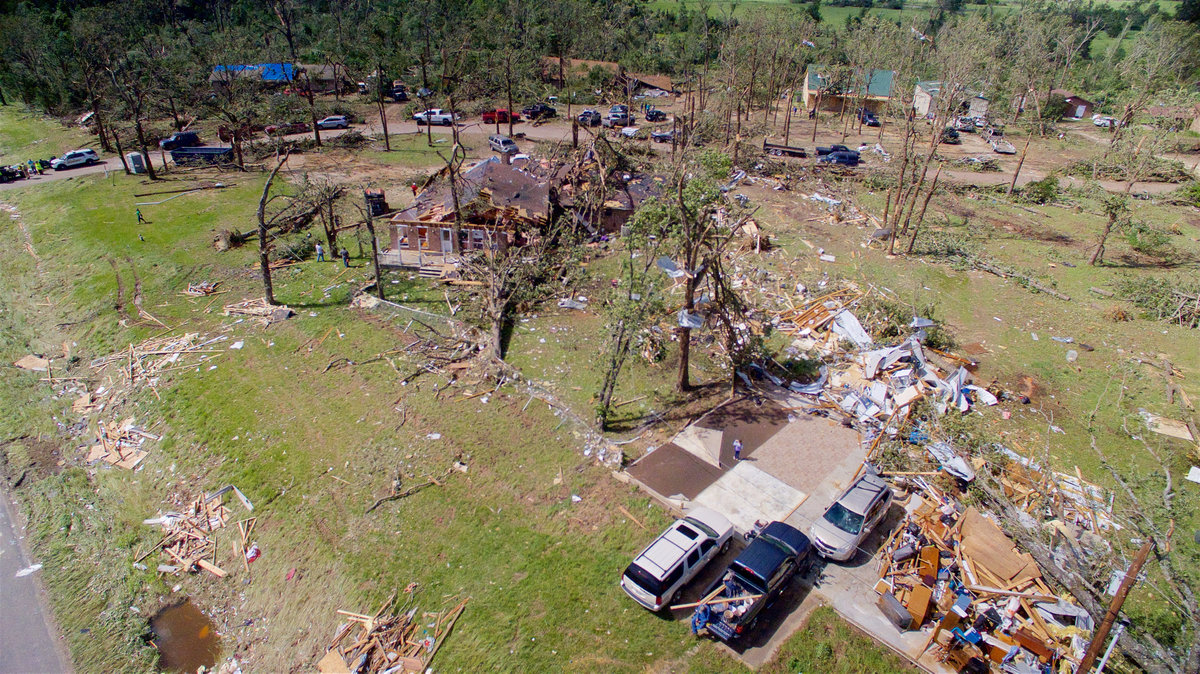
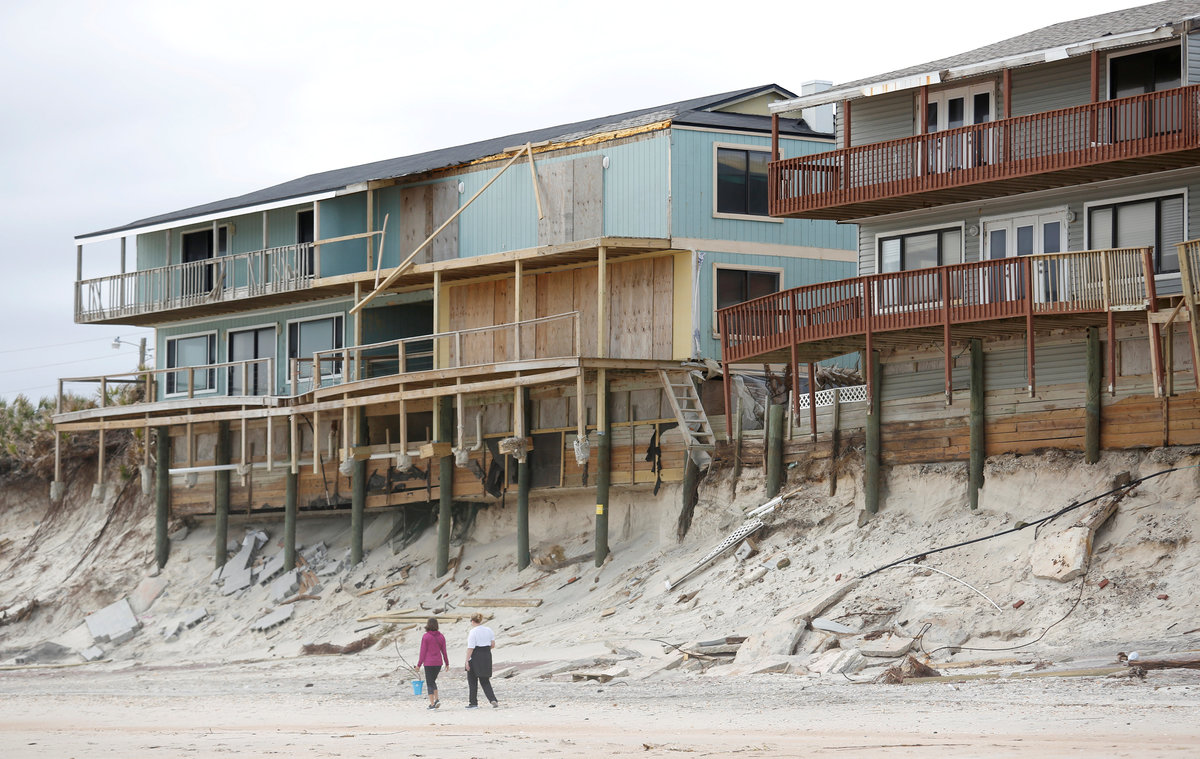
OSLO (Reuters) - Stringent limits on global warming would bolster the world economy by averting tens of trillions of dollars in damage this century from heat waves, droughts and floods, a U.S. study said on Wednesday.
The report, among the first to assess the economics of the 2015 Paris climate agreement, said the toughest temperature curbs would benefit 90 percent of the world's population, especially in poor nations in Africa, Asia and Latin America.
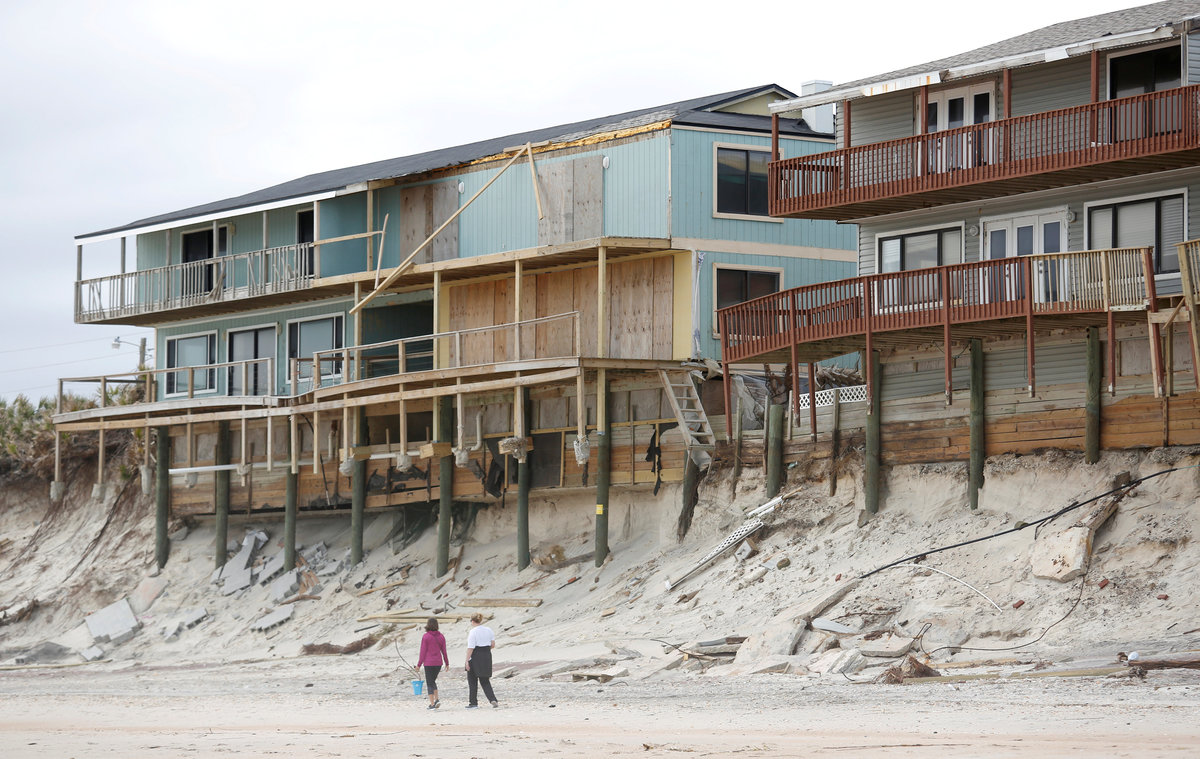
The world's biggest economies - the United States, China and Japan - would also gain if the world achieves the toughest targets, according to the study led by researchers at Stanford University and published in the journal Nature.
Russia, Canada and Nordic countries, where rising temperatures could boost farm output and limit deaths from winter cold, would be among a few nations to suffer economically from tough curbs on global warming, the study said.
The Paris accord, among almost 200 nations, set a goal of limiting a rise in average world surface temperatures to "well below" 2 degrees Celsius (3.6 Fahrenheit) above pre-industrial times by 2100, while "pursuing efforts" for 1.5C (2.7F).

"By the end of the century the world would be about three percent wealthier" under the 1.5C target relative to 2.0C, said the study's lead author Marshall Burke, an assistant professor at Stanford's School of Earth, Energy & Environmental Sciences.
"This represents about $30 trillion in cumulative benefits between now and 2100," he told a telephone news conference. Such benefits would dwarf the likely costs of shifting the world economy from fossil fuels to cleaner energies.
U.S. President Donald Trump has weakened the ambitions of the Paris Agreement by planning to leave it and instead promote the U.S. fossil fuel industry.

And average global temperatures are already 1C above pre-industrial times and on track for a warming of about 3C (5.4F), a trend that would sap 2100 GDP by more than 10 percent compared to a 1.5C limit, Burke said.
The report examined how countries have been affected by temperatures from 1960 to 2010 and projected the impacts into a warmer future, with more extreme weather.
Some other researchers questioned the methods.
"The results should be interpreted with caution," Bob Ward, of the London School of Economics and Political Science, told Reuters. He said it was unlikely that "the impacts of future global warming can be simply extrapolated".
The authors acknowledged many uncertainties about the future economy. Wider use of air conditioning in the tropics, for instance, might lift worker productivity and GDP as it has already done in nations such as Singapore, Burke said.
The study also omitted some big potential benefits, for instance if a 1.5C ceiling could avert a thaw of Greenland or Antarctica that would drive up sea levels and swamp coasts.
(Reporting by Alister Doyle; Editing by Mark Heinrich)