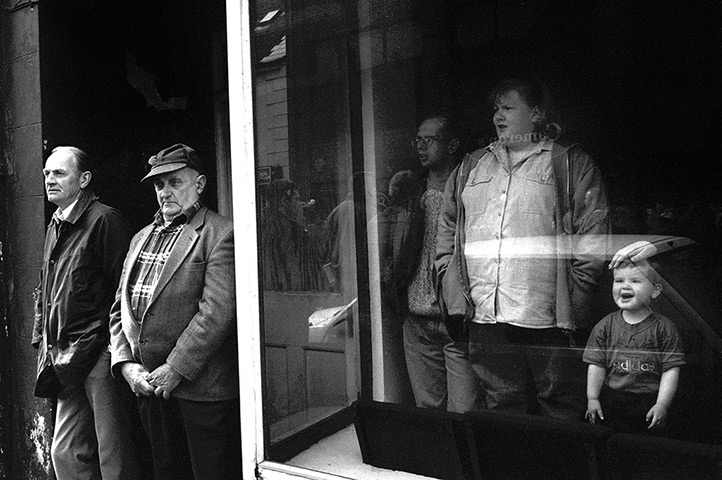
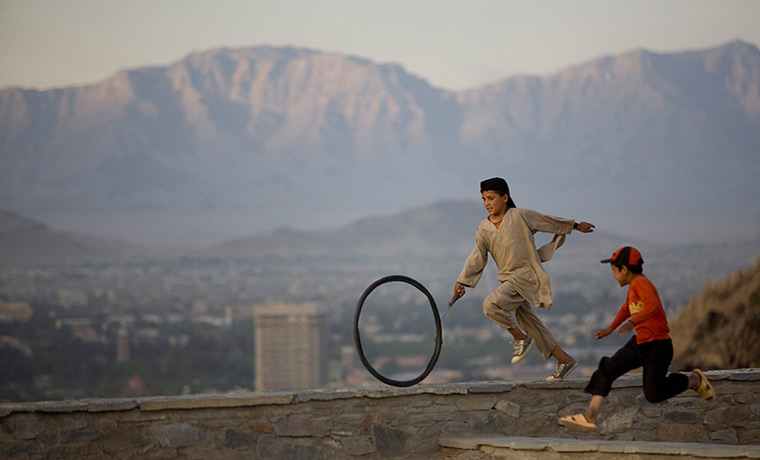
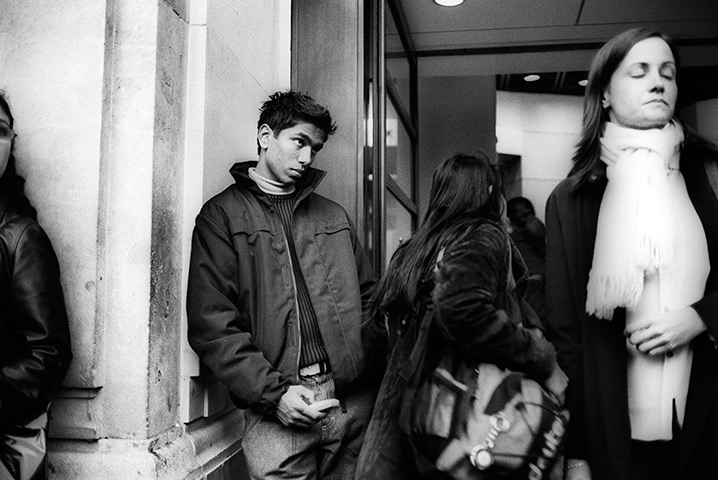
Preparation: You’ll be doing a lot of walking outside, so dress appropriately. Your clothes mustn’t interfere with the photography, which means no gloves or umbrellas, and no heavy bags which will exhaust you. Street photographers travel light so you won’t need a tripod or tonnes of equipment. Protestants watch a march by the Apprentice Boys of Derry during loyalist marches in BallymenaPhotograph: Antonio OlmosThe camera: Whatever you do, don’t use a point- and-shoot camera such as a Nikon Coolpix or Sony Cyber-shot. They take a couple of seconds to process each picture, which is no good for this type of photography, where speed is everything. iPhone cameras are much faster, and the iPhone 5 produces good enough quality images for an 8”x10” print. Get hold of an SLR camera. At the top end of the market, you have the Leica M, which costs around £5,000. At the entry level you have the Nikon D3200, the Canon 600D or the retro-looking Fuji X20, which cost about £400 and all take great pictures. Young boys play with a bicycle tyre on Cannon mountain, KabulPhotograph: Antonio OlmosExposure: It might seem complicated, but you must put your camera on to manual settings and learn how to choose the right shutter speed. If you let the camera do the choosing, you won’t know how you’re taking beautiful pictures. Automatic settings give you average readings – which in turn lead to average pictures. You'll make a lot of mistakes at first, but gradually you’ll develop a sense of what works and what doesn’t. A young boy with a mobile on Oxford StreetPhotograph: Antonio Olmos
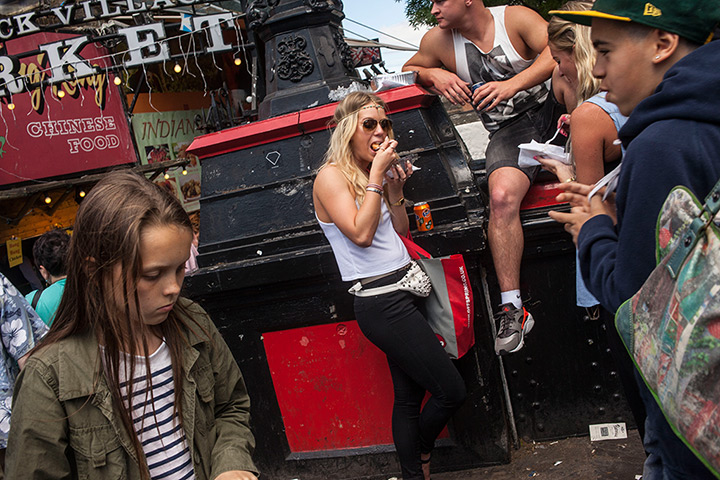
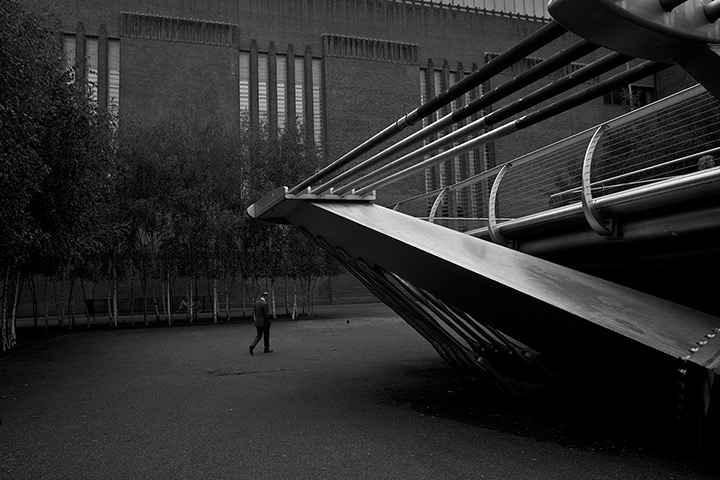
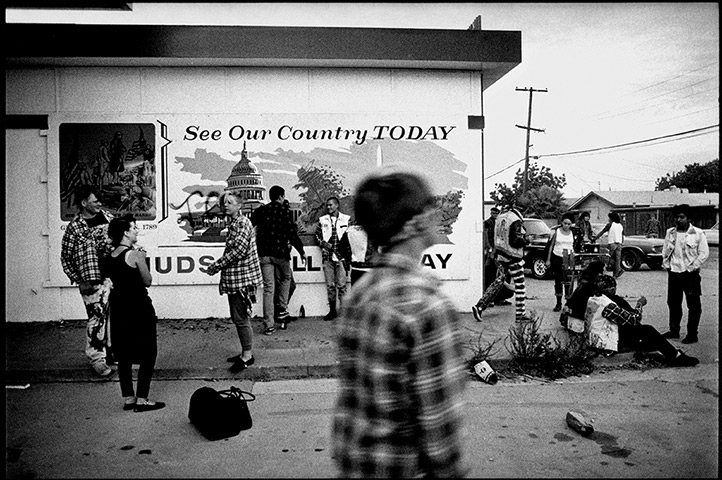
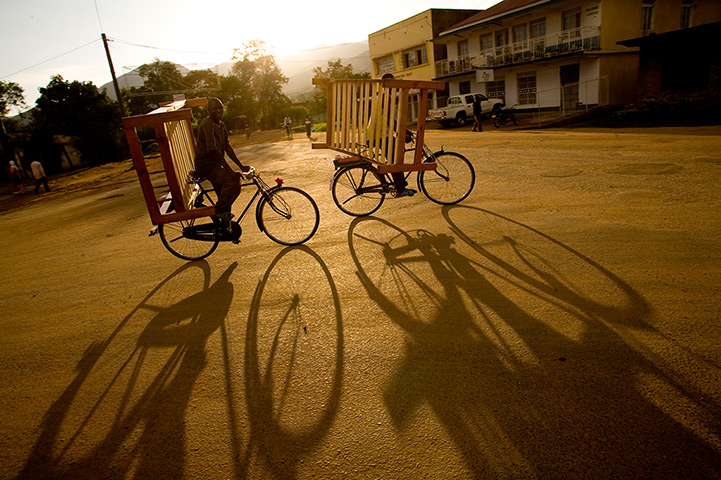
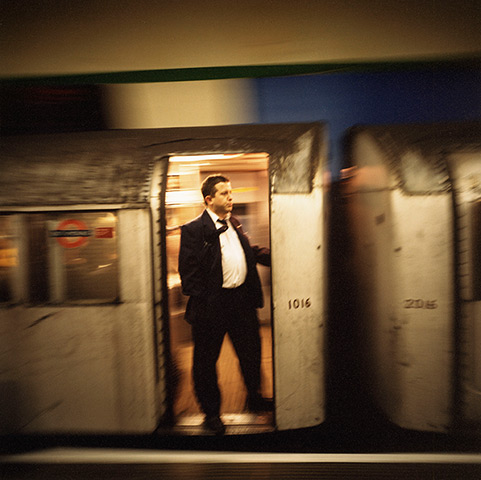
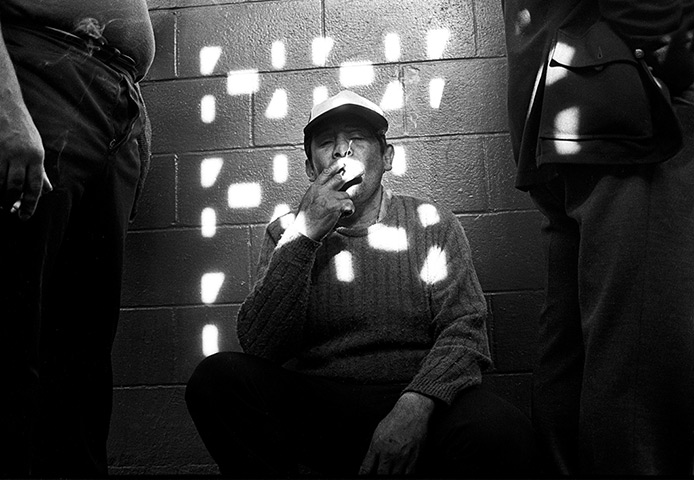
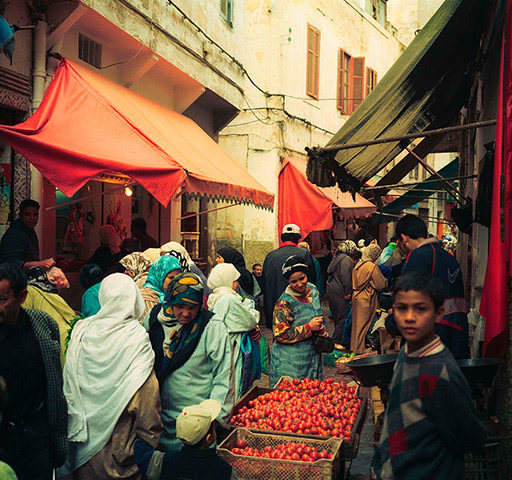
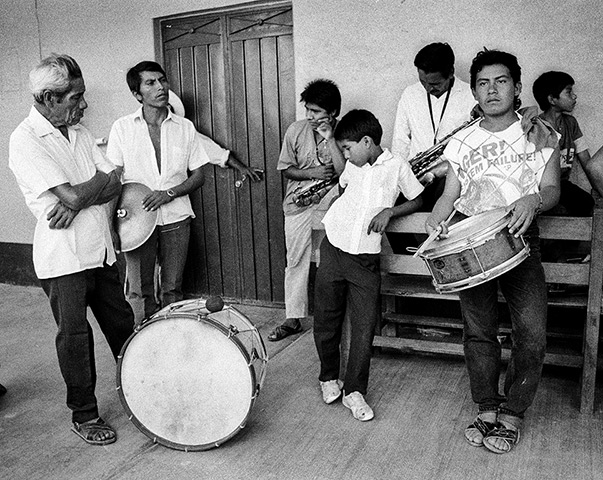
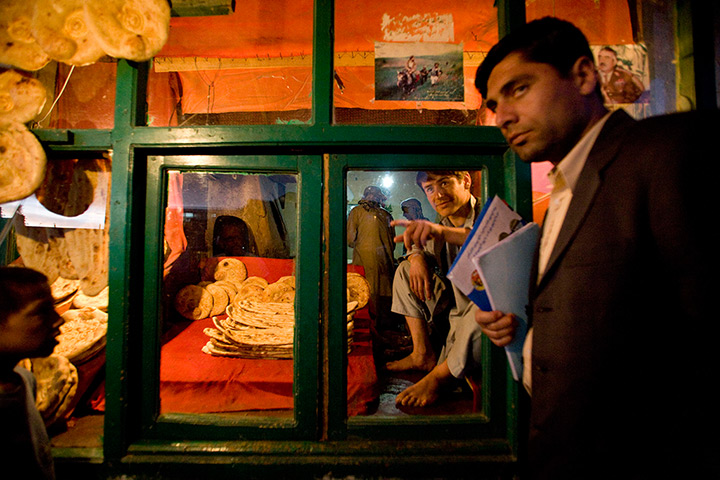
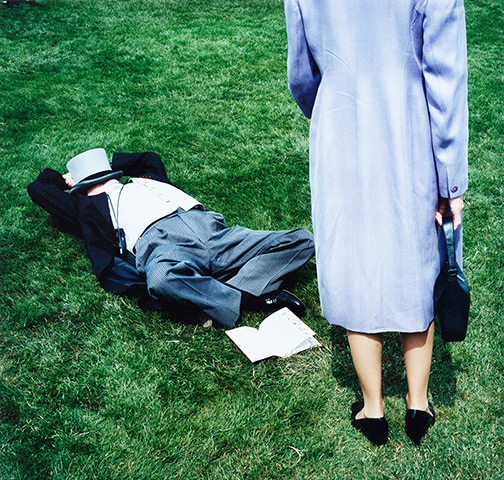
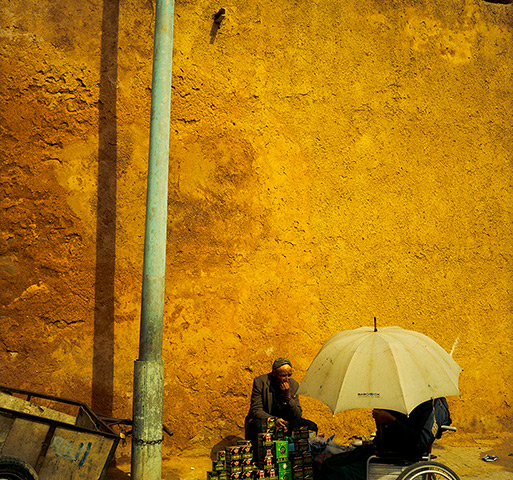
Location: Choose somewhere that is likely to be crowded. If you’re walking around a small village, it’s tougher to fade into the background. Cities and towns are more anonymous. Not only are there more things to photograph, no one’s going to notice you. The best street photographers are invisible. Crowds in Camden MarketPhotograph: Antonio OlmosLook: There are no rules about how to spot a good shot. Everybody has different interests and sensibilities. Some people look for humour. I look for melancholy. I like photographing overcast days and people looking sad. Once you start taking lots of pictures, you will develop your own style and discover what you do and don’t like. Use strong shapes - this works because the geometry of the Millenium Bridge and the Tate Modern draws your eye to the diminished figure of the man. Millenium Bridge and the tate Modern Art Gallery in LondonPhotograph: Antonio OlmosThe first good pictures that people take tend to be accidents. I was once photographing kids outside a punk concert and someone walked in front of my camera. It was a mistake, but there was something really nice about that blurry figure. We hear about all sorts of rules that scare us: never chop off someone’s feet, don’t miss off a person’s head, but for every example I can show you a street photographer that breaks those rules. Kids hanging out before a show by the band Capital PunishmentPhotograph: Antonio OlmosPay attention to light: That’s what makes for good photographs. Shoot at sunset or sunrise, use the light from windows, or street lights, and not a flash. Learn to use the light you have. Two cyclists carrying furniture make their way through the streets of Kasese in Western UgandaPhotograph: Antonio OlmosAct: A street photographer needs to be quick. If you want to take a picture, just do it. Let it be instinctive, don’t question it. Trust your judgment. You also need to learn to anticipate things and see a picture coming. Pay attention to your surroundings, wait around and something will happen. Use movement - the blur and colour highlights the worn state of the train. Northern Line tube in LondonPhotograph: Antonio OlmosConfidence: For a random street scene, you don’t have to ask people’s permission – you would be there all day and miss the picture. If you want to take a close-up portrait of someone, just go up and ask. A homeless man waits for a free meal from the Poverello House in Fresno CaliforniaPhotograph: Antonio OlmosHustle and bustle: When I shoot colour, I love to capture bright, busy scenes like this Marrakesh market. There’s so much going on, you never get bored. A vegetable market in Casablanca's MedinaPhotograph: Antonio OlmosLearn from the masters: The best way to recognise a good shot is to look at lots of other photographs. Even if you mimic a photographer such Cartier-Bresson, you will never take photos exactly like him – the process of studying other photographers will help you learn your own style. A Oaxacan musical band during presidential elections in MexicoPhotograph: Antonio OlmosArt is a good source of inspiration too. I always make my students go to the National Gallery, and especially to the Dutch rooms. The 16th-century Dutch were the first people to paint mundane activities: washing, cooking, cleaning, laying the table. People lived by natural light or candle light, and the way they depicted that is beautiful. The window of a bread shop in KabulPhotograph: Antonio OlmosThe final photo: When you get home, edit. Lots of people go out and shoot 100 images and expect 100 to be good. A professional photographer knows that you might get one good picture. Like a writer, when you photograph on the streets you are taking notes. You are trying a bunch of things out and hoping that one of them works. A horse racing fan at Epsom Derby, UKPhotograph: Antonio OlmosInstead of developing all the photos you take, or worse, leaving them unseen on your computer, choose the best ones and get them printed professionally. Moroccon men selling cooking oils in Casablanca's MedinaPhotograph: Antonio Olmos
Sign up to read this article
Read news from 100’s of titles, curated specifically for you.