TRUCKEE, Calif. _ A roaring "Pineapple Express" weather system that drenched the northern Sierra Nevada over the weekend has begun to ease, but forecasters warned Monday that it would soon be replaced by yet another storm and plummeting temperatures.
The latest storm, the third in a series of weather events that have pounded the Sierra Nevada and swollen Central California rivers, could bring 7 feet of snow in higher elevations and 3 feet at lower altitudes, according to the National Weather Service.
On Monday, the weather service issued a storm warning for Northern California, western Nevada and southern Oregon for Tuesday through Thursday. During that time, several feet of snow are expected to pile up in high mountain passes and valleys, forecasters said.
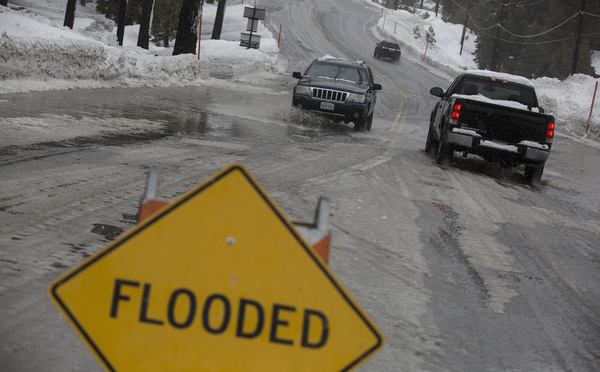
Already, the storms have boosted seasonal rainfall totals to levels not seen in years across California, and wreaked havoc on transportation arteries over the rugged Sierra.
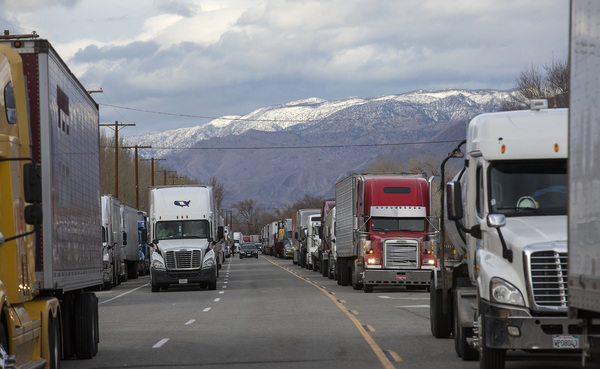
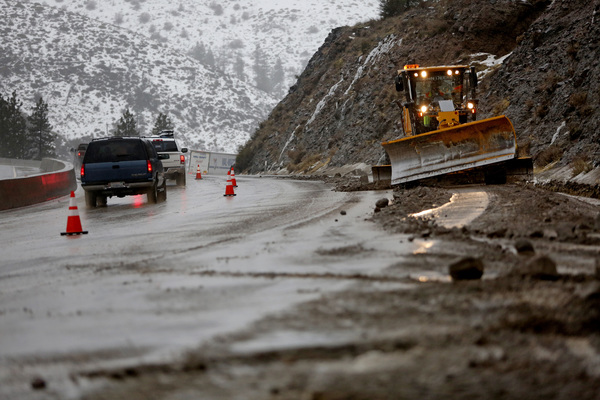
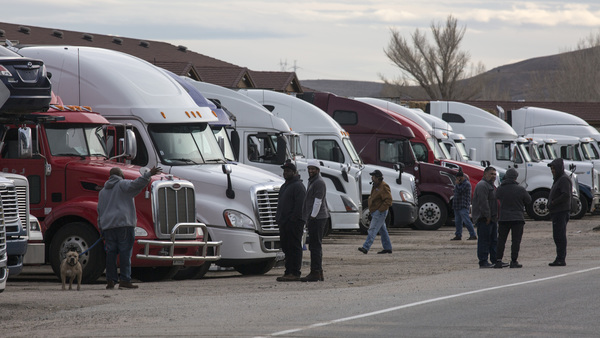
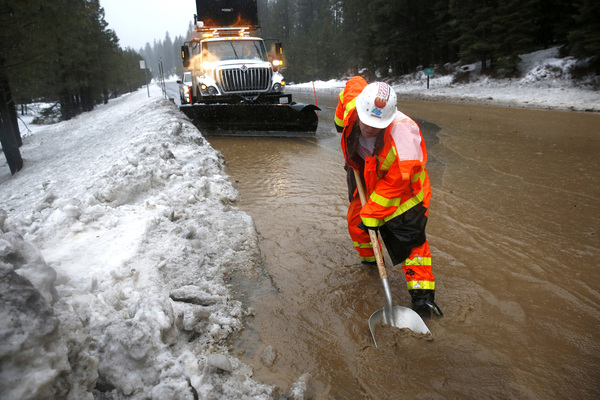
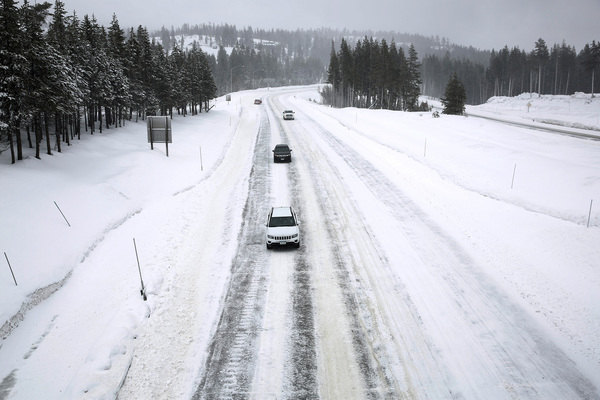
An overnight closure on Interstate 80 was partially lifted Monday. Although transportation officials opened eastbound lanes, westbound drivers who were attempting to enter California were stopped at the Nevada border, authorities said. Those who could show they had business in Truckee were allowed through, but for the rest, the remnants of a giant mudslide from Sunday evening kept the road closed.
Heavy machinery operators had made progress overnight, said California Highway Patrol Officer Peter Mann, but water cascading off the Donner Summit slope was the next problem.
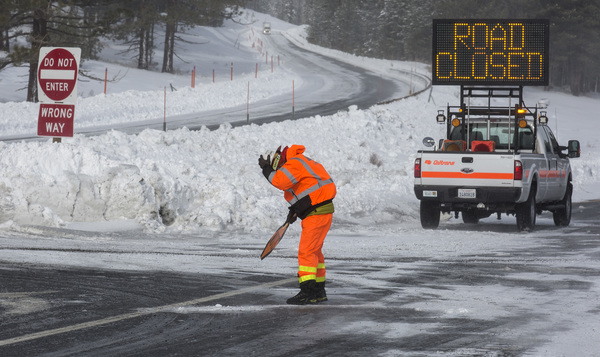
"We have a river on the interstate," Mann said.
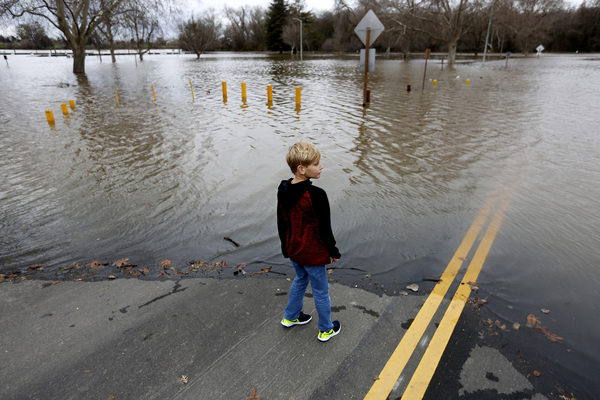
Elsewhere in the state, the atmospheric river event caused widespread flooding, downed trees and unleashed mudslides.
Hundreds of people were evacuated from their homes as rivers overflowed their banks. Several key highways including Interstate 80, Interstate 280, U.S. 395 and U.S. 101 were closed for periods because of hazardous conditions.
Authorities were trying to determine whether the deaths of three people in the San Francisco Bay Area _ one killed by a falling tree, two others by car accidents _ were related to the storm.
The flood danger is expected to continue through the week as more rain falls and as snow at higher elevations melts.
Forecasters predict this storm will be the region's most powerful in a decade.
Emergency officials issued voluntary evacuation orders Sunday to hundreds of households along the Russian River in Sonoma County and the Truckee River in Reno as the rivers reached the flood stage.
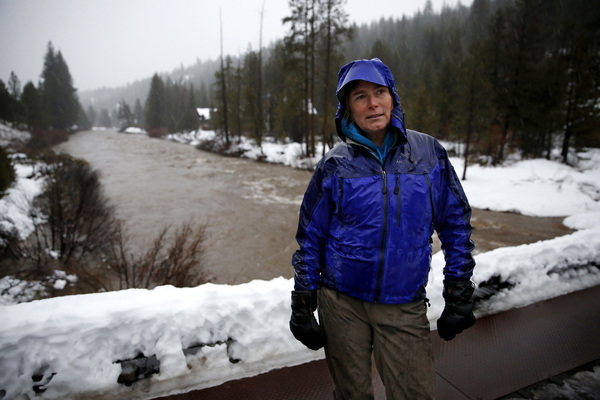
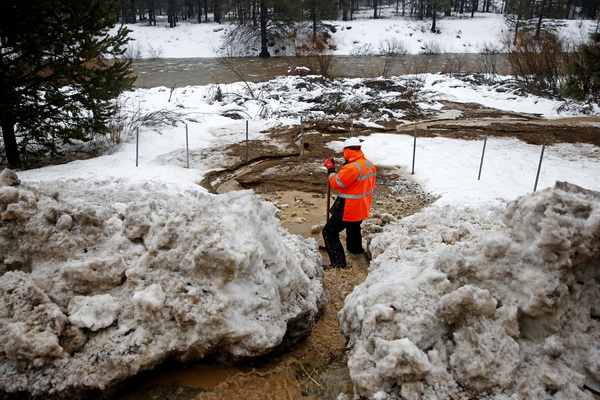
The Truckee River topped its banks, submerging picnic tables on riverside campgrounds along Highway 89 north of Lake Tahoe. Forecasts from the U.S. Geological Survey called for the river to rise another 3 feet, imperiling private bridges to cabins alongside both banks.
Along the Russian River in Sonoma County, about 650 homes and a handful of businesses in the low-lying areas of Monte Rio and Guerneville were advised to evacuate. County officials expected the river to stay at flood levels through Tuesday.
Ten homes in the Carmel Valley were partly flooded late Sunday after a river swelled from the heavy rain, authorities said.
The Carmel River breached "by several feet" and a levee in the area broke, sending water toward a cluster of 10 homes along the river bank, according to the Monterey County Office of Emergency Services.
A water rescue team from the California Department of Forestry and Fire Protection, along with sheriff's deputies and Red Cross officials, responded to the scene.
The storm is one of a string that is expected to continue dumping more rain and snow through Thursday, part of a so-called atmospheric river of moisture known as the Pineapple Express.
"This is a serious situation," said Mark Faucette, a National Weather Service forecaster based in Reno. "There's a significant threat to life and property as we go through the next couple of days with widespread flooding, continued road closures and high water in low-lying areas."
The powerful storms are the latest in a series of weather systems that are beginning to make a dent in California's six-year drought. Wet weather in Northern California has filled reservoirs and slowly boosted the Sierra Nevada snowpack, which is a key source of water for cities and farmlands.
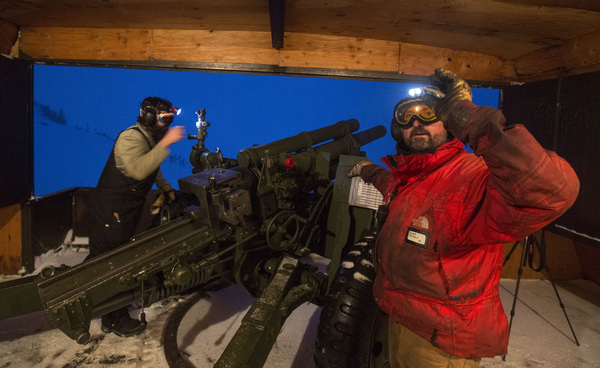
Officials said the drought still persists but that 2017 could mark a turning point if the deluge of rain and snow continues into the spring.
In Southern California, rain rolled in late Sunday. After a brief lull Monday afternoon, another storm was expected to roll through Southern California on Tuesday night and Wednesday. That system will bring potential snowfall above 6,000 feet. A third storm late Thursday could bring snow as low as 4,000 feet and affect the commute in mountain passes, including Interstate 5 at the Grapevine.
The rainfall totals in Southern California over the weekend were less than in the northern parts of the state, but officials said that the speed of the downpour _ up to a half-inch per hour _ elevated the risk of flash floods and mudslides.
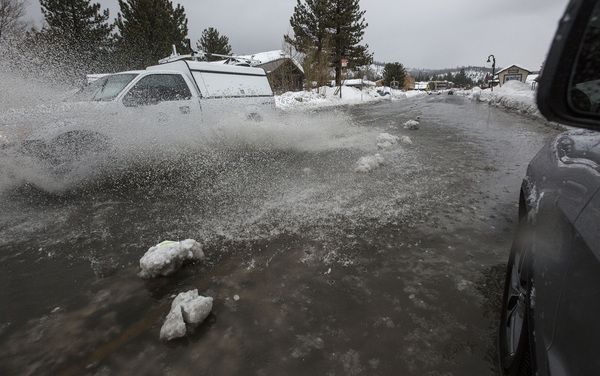
In Nevada, where Gov. Brian Sandoval issued a state of emergency, Washoe County officials asked residents to stay home Monday, when courts and several government offices were closed. Local high schools were quickly transformed into evacuation centers.
The storm toll included one of Calaveras County's oldest residents, a giant sequoia called the Pioneer Cabin for the tunnel that had been carved into its broad base 137 years ago. It was located in Calaveras Big Trees State Park and toppled Sunday during the storm.
"We lost an old friend today," wrote county resident Jim Allday, who posted a picture of the fallen titan on Facebook. His photos show the tree trunk splintered heavily at its base. The giant sequoias in the state park are estimated to be more than 1,000 years old.
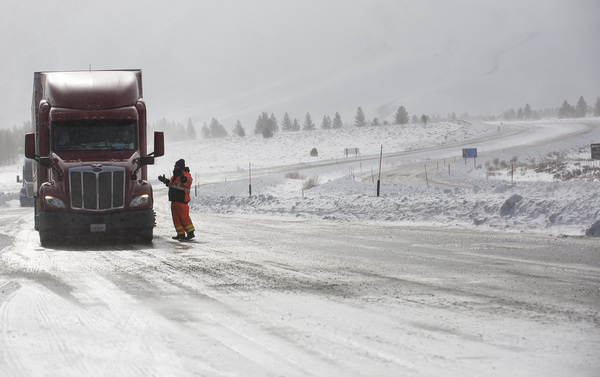
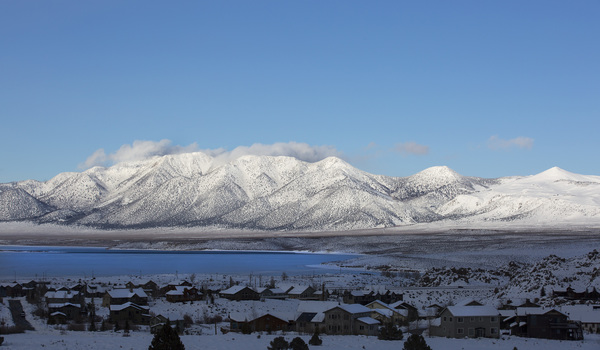
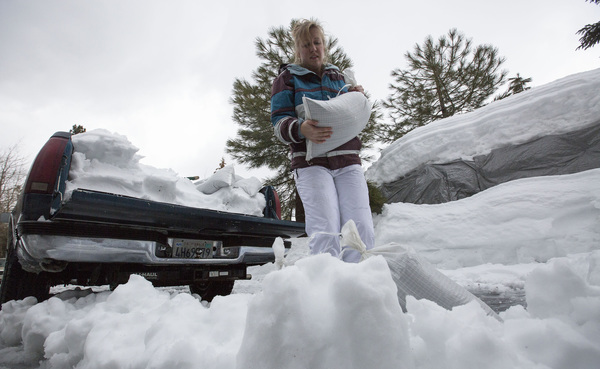
As heavy rain fell Sunday, melting mounds of piled-up snow and sending water and slush into the streets of the eastern Sierra Nevada ski town of Mammoth Lakes, residents girded for flooding.
"My garage is flooding with 2 inches of water," said Nick Criss, 40, as he shoveled sand into bags at the town's public works yard.
Criss, a 12-year Mammoth Lakes resident, worries that his home and many others will be damaged by the gush of rainwater and melted snow.
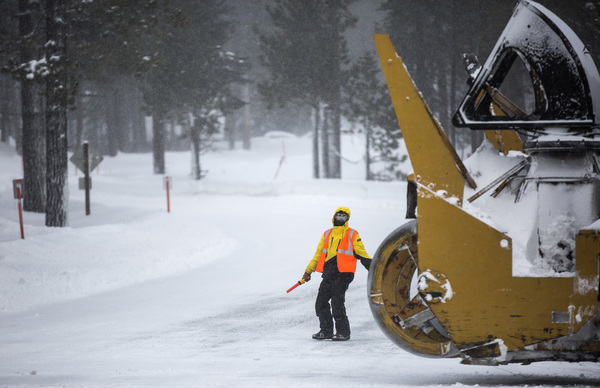
"There's nowhere for the water to go," he said.