Jonny Balchandani, widely recognised as @thebeardedplantaholic to his substantial social media following, is on a mission to dismantle pervasive myths surrounding the optimal watering and general care of houseplants.
The self-taught plantsman, who balances his passion with a career as a digital marketing director, has transformed his Malvern home into a verdant indoor jungle, housing an impressive collection of between 5,000 and 6,000 plants.
In his debut book, You’re Overwatering It!, Balchandani challenges long-held beliefs, such as the notion that houseplants require watering every seven days, that misting effectively boosts humidity, or that all plants enter dormancy during winter. The self-styled ‘plant-whisperer’, who has previously featured on Gardeners’ World, offers his distinctive approach to resolving common houseplant dilemmas.
Regarding overwatering, Balchandani advises against adhering to a rigid “once a week” watering schedule. Instead, he advocates for a simple tactile test: "Stick your finger into the soil before watering. If you pull your finger out and there is soil stuck to your finger, leave the plant alone. Same principle with the chopstick."
He continues, "If you pull your finger out and there’s hardly any dirt or no dirt, it’s bone dry, then give it a good soaking, let it drip dry and put it back where it was." He notes that the severity of overwatering is crucial. "There’s overwatering, where I’m overwatering with a small cup, so I’ve overwatered by a cup-full, then there’s people who are giving it a litre every day. If it’s just a cup-full, then we could be OK, but if we can smell that horrible stagnant water which has been sitting at the bottom of the pot because there are no drainage holes, we may not be so lucky."
Balchandani highlights that not all plants share the same thirst. Species like alocasias, calatheas, and certain begonias prefer consistently moist soil and should not be allowed to dry out as much as others, such as Monstera and philodendron. Conversely, plants like Syngoniums and Rhaphidophora are more tolerant of drier conditions.
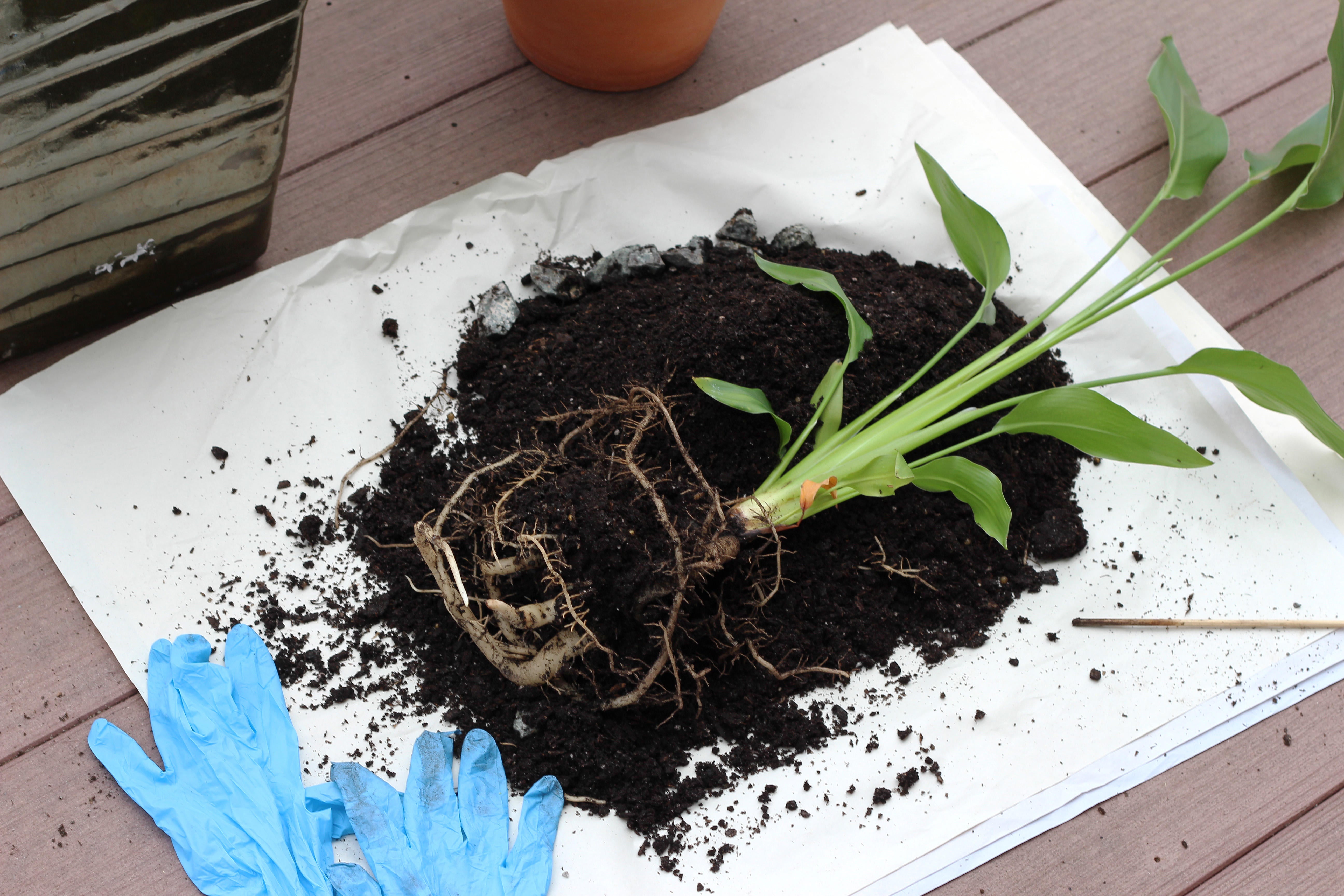
Should a plant be overwatered, Balchandani provides a rescue plan: "Take the plant out of that soil, out of that pot. Either put that soil aside and let it dry out somewhere if you wish to reuse it. If you don’t and it’s filled with fungus gnats, get rid of it."
He advises inspecting the stem and roots, hosing them down to reveal any soggy, mushy, or black sections. "Cut back whatever you can if there’s any mush. If the stem at the bottom has also started to rot, cut off that bit and probably an inch above it as well." He suggests allowing the plant to "scar over a little bit" for half an hour to an hour before repotting.
The plant expert also stresses the impact of positioning on water requirements. "The more light your plants are going to get, the more water they will drink," he explains. "They’re photosynthesising. They’re creating sugars and and good minerals. They’re transforming all of this energy into food and that takes up more water. If you have your houseplant in a duller space you won’t need to water it as often."
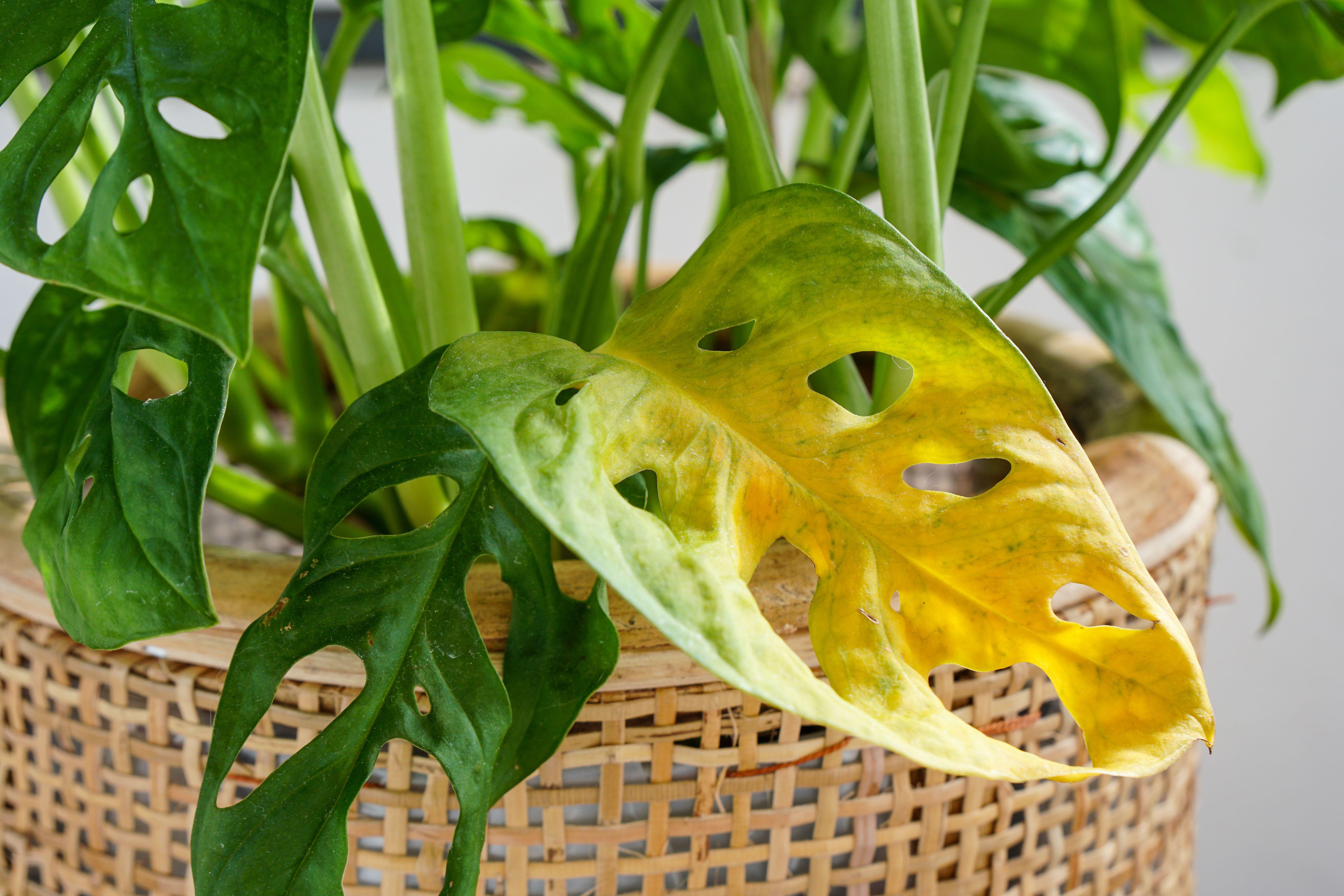
Physically, an overwatered plant will appear "sad," though Balchandani cautions that browning leaves can signal both overwatering and underwatering, necessitating further investigation. "In some cases the signals are going to be too late.
You will have wilted leaves. They’ll look unhealthy. At this point of this physical appearance, root rot may have already set in." While some plants, like the common pothos, will curl their leaves when thirsty, and a peace lily will visibly wilt, many others are less obvious. "Unfortunately, a lot of plants aren’t as obvious as that, and when they do start showing that sign of the browning or the leaves really losing their bounce, it can be too late."

Beyond watering, other factors contributing to a plant's health include pot size, substrate, central heating, draughts, and light.
Balchandani also debunks the "humidity myth," questioning the actual humidity levels in bathrooms for most of the day. "I probably have one shower a day, so my bathroom does not have higher humidity for most of the day. But for the rest of the day it’s actually the coldest room in my house."
He argues that the brief steam from a shower is insufficient for humidity-loving plants, with temperature, light, and potting medium being equally vital. "If you have a room that is constantly in higher humidity, it would be beneficial for any house plant or tropical plant, because you are mimicking their natural habitat."
He dismisses misting as an effective method for increasing humidity. "If you are misting to increase humidity, it’s a total waste of time." He explains that a short burst of misting only provides "a very short spike in humidity and then it will go straight back down to what it was before." For consistent humidity, he suggests investing in a plant humidifier.
Jonny Balchandani’s You’re Overwatering It! A Plant Guru’s Guide To Houseplants, featuring photography by Dave Brown, is published by Ebury and priced at £25. It is available now.
The 5 simple gardening jobs that might give you a mental wellbeing boost
Expert tips for growing your own vegetables all year round
The best flowers and plants to spruce up your spring garden, according to the experts
The 10 essential gardening jobs you should do in February
How to sow seeds indoors, according to the experts
The succulents that look like dolphins and hearts – but can you see it?