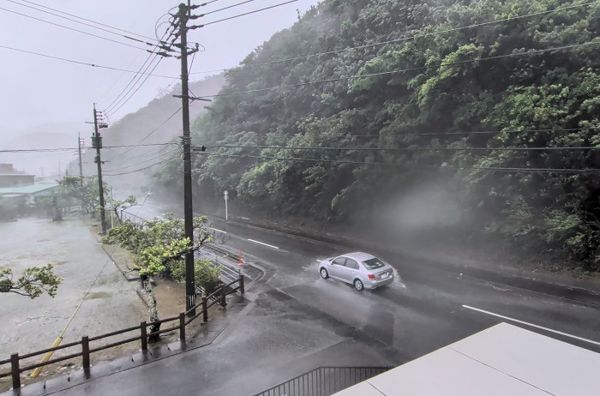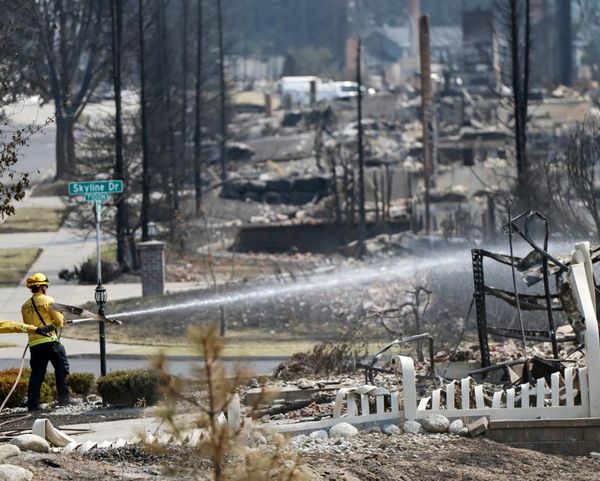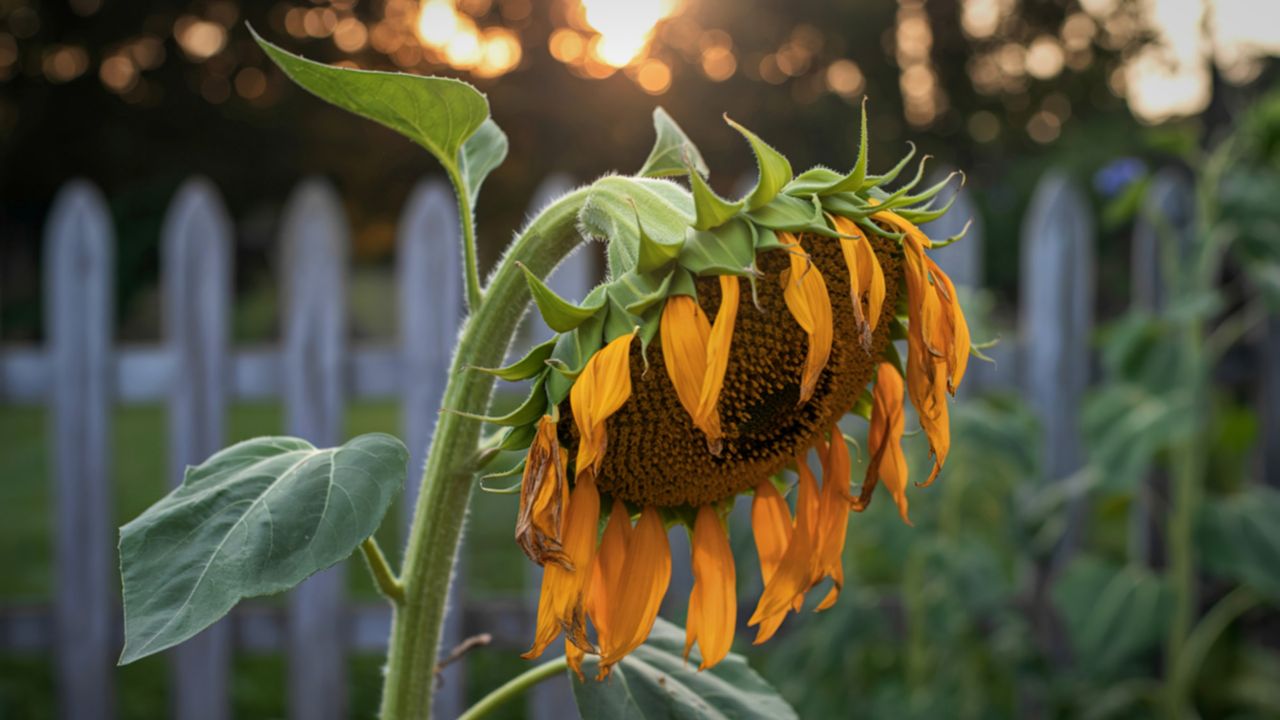
It’s been a heartbreaking season for gardeners. Prolonged heatwaves and persistent dry spells have decimated many of our beds, leaving traditional garden favorites struggling to survive.
Seeing a prized specimen wilt morning after morning is a sobering sight — and a shared despair among fellow growers this year.
This summer has served as a wake-up call to the reality of climate change in our own backyards. As we take stock of what survived and plan for next season, the question isn’t just what to plant, but how to adapt.
How is climate change affecting our gardens?

Climate change will affect locations differently over the coming years, according to Elizabeth Waddington, garden designer and writer at First Tunnels. “In many areas, summers will be hotter and drier than they were before and winters will be milder and wetter," she said. "Weather extremes, from extreme drought to extreme rainfall and flooding, will become ever more common.”
The evidence is already apparent, but what do these changes mean? Sharon Yiesla, Plant Knowledge Specialist at The Morton Arboretum, says that just about everything in our gardens will be affected, from when plants flower, how long they stay active in fall, to watering needs and the timing of gardening activities.
Moving forward, the goal isn’t just maintaining a traditional garden, but building a resilient ecosystem that can weather the changes ahead.
The realization that gardeners need to make changes
One of the first ways to adapt to climate change is to acknowledge that the plants that previously thrived in your yard may not have the same resilience to changing patterns in temperature and rainfall.
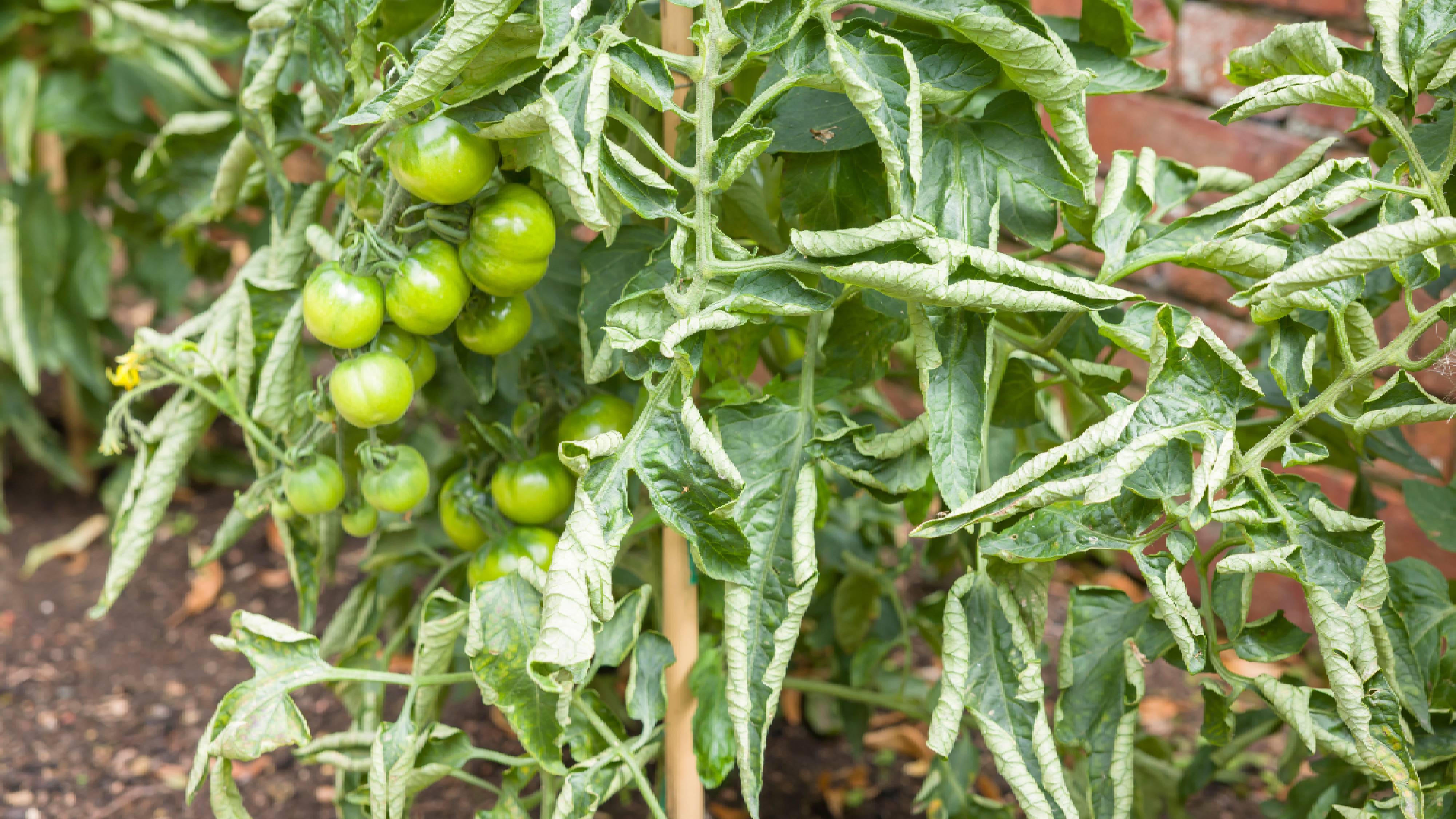
I can already see a clear pattern in what plants are drought- and heat-resistant in my backyard and local region. My beautiful hydrangeas have been struggling through the endless heatwaves, and my tomatoes are failing to turn red.
John Cho, founder at Mr Cozy Plant, also acknowledges that these are two much-loved staples that can no longer handle our current summer temperatures. He says that hydrangea leaves start to turn brown and crisp at the edges once the temperature hits 84°F (28°C).
As for tomatoes, he adds, “Tomato pollen dies, and flowers drop off at 90°F (32°C). This means the plants stop growing new fruit entirely during heat spikes.”
It can be disappointing when your favorites show signs of stress, and when the realization hits that you need to open your horizons to new plants that can withstand temperatures above and beyond the mid-80s.
How to adapt to the changing climate
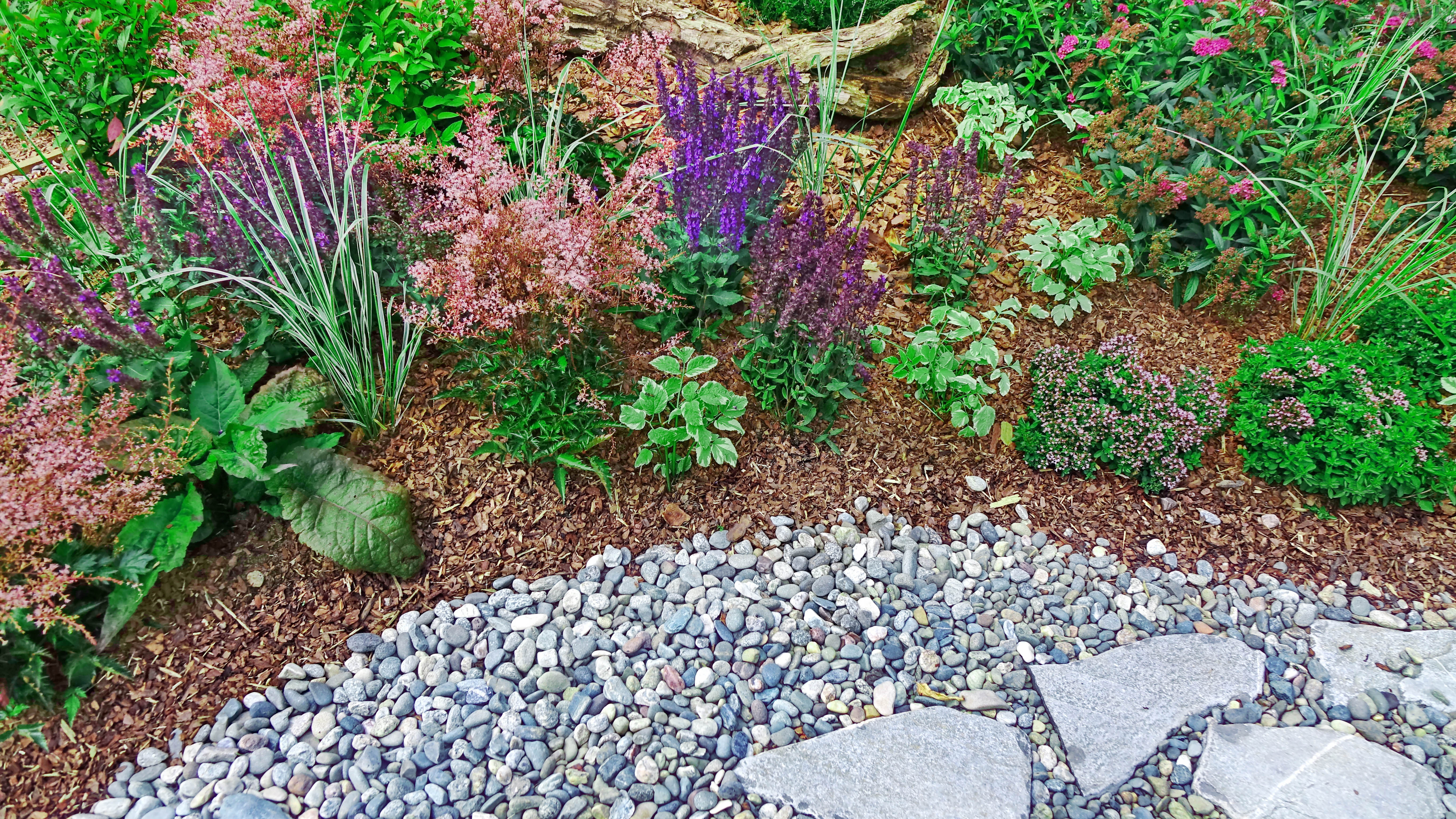
“Before we begin to think about specific swaps for plants, it is important to consider the practical design and the core cycles and frameworks that underpin all our gardening efforts,” explains Waddington.
If you’re planning to swap your heat-sensitive plants for drought-tolerant versions, you still need to consider the soil and drainage — if the earth is compacted and the soil is waterlogged in winter, the plant is less likely to survive.
We can no longer garden by the calendar, we must look at weather conditions and the condition of the plants
Sharon Yiesla, The Morton Arboretum
And she adds, a lot of it comes down to managing water wisely and taking care of the soil. “Boosting biodiversity in the garden, both plants and wildlife, also helps us minimize risk and build more stable and secure systems that can stand the test of time.”
It's also more important than ever to be aware of what is going on in your garden. "We can no longer garden by the calendar," Yiesla says. "We must look at weather conditions and the condition of the plants."
Here we delve into seven things to consider when planning your planting scheme.
1. Think soil first
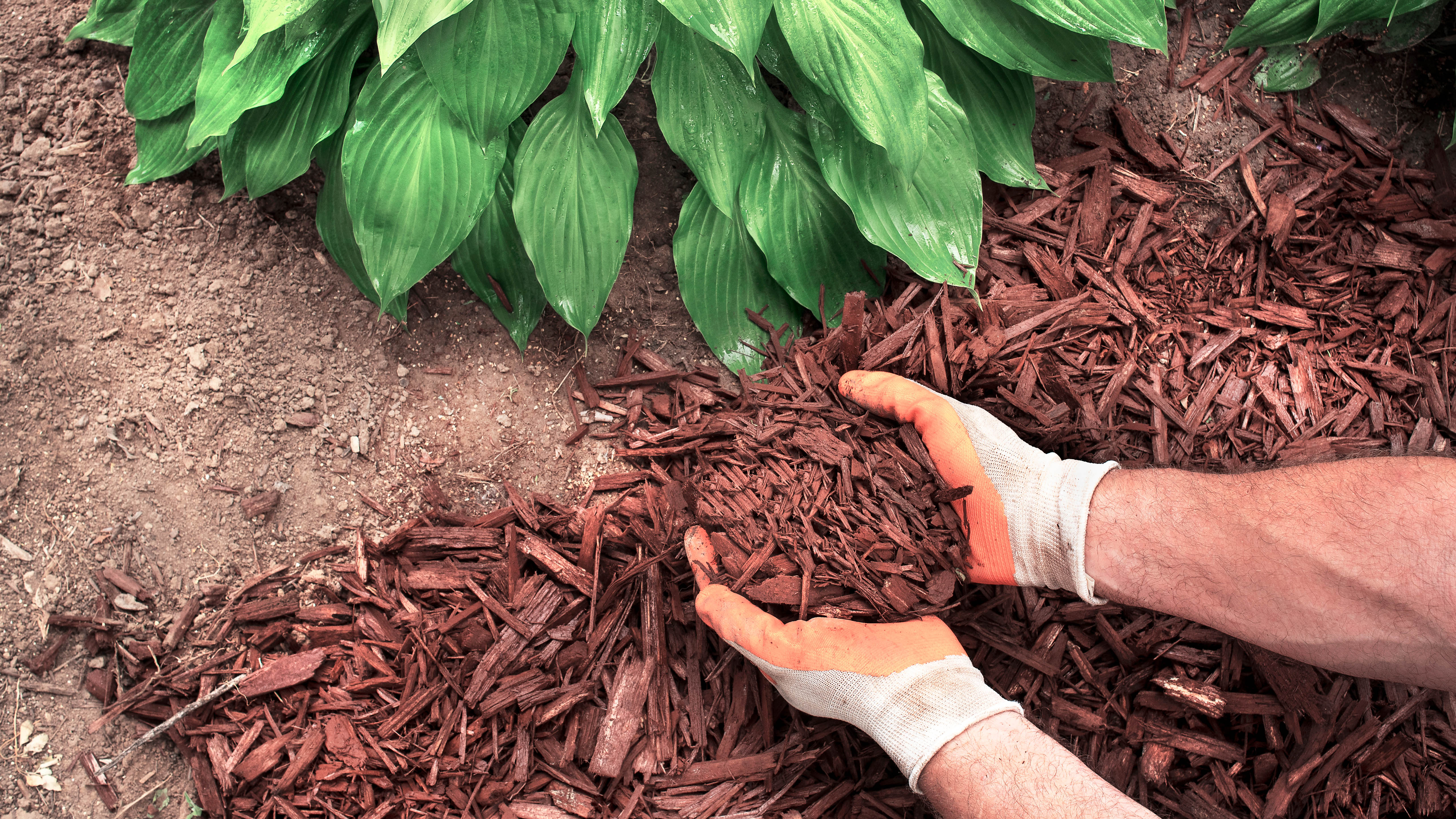
Kim Stoddart, founder at EcoBeneficial, agrees with Waddington and says, “Think soil health, first and foremost.”
She suggests using the no-till method and mulching regularly to help lock water in using freely available materials from your garden. “Grass clippings, leaves, wood chips, chop and drop leaves, cardboard, comfrey or spent compost from pots all help protect soil and plants,” she says.
Try to avoid bare soil, which will dry out more quickly and be much more vulnerable. Stoddart says ground cover plants and mulches will both help.
What is the no-till method?
This technique is based on avoiding turning the soil, while using organic matter to cover the ground and suppress weeds, and leaving this material to break down naturally.
2. Water wisely
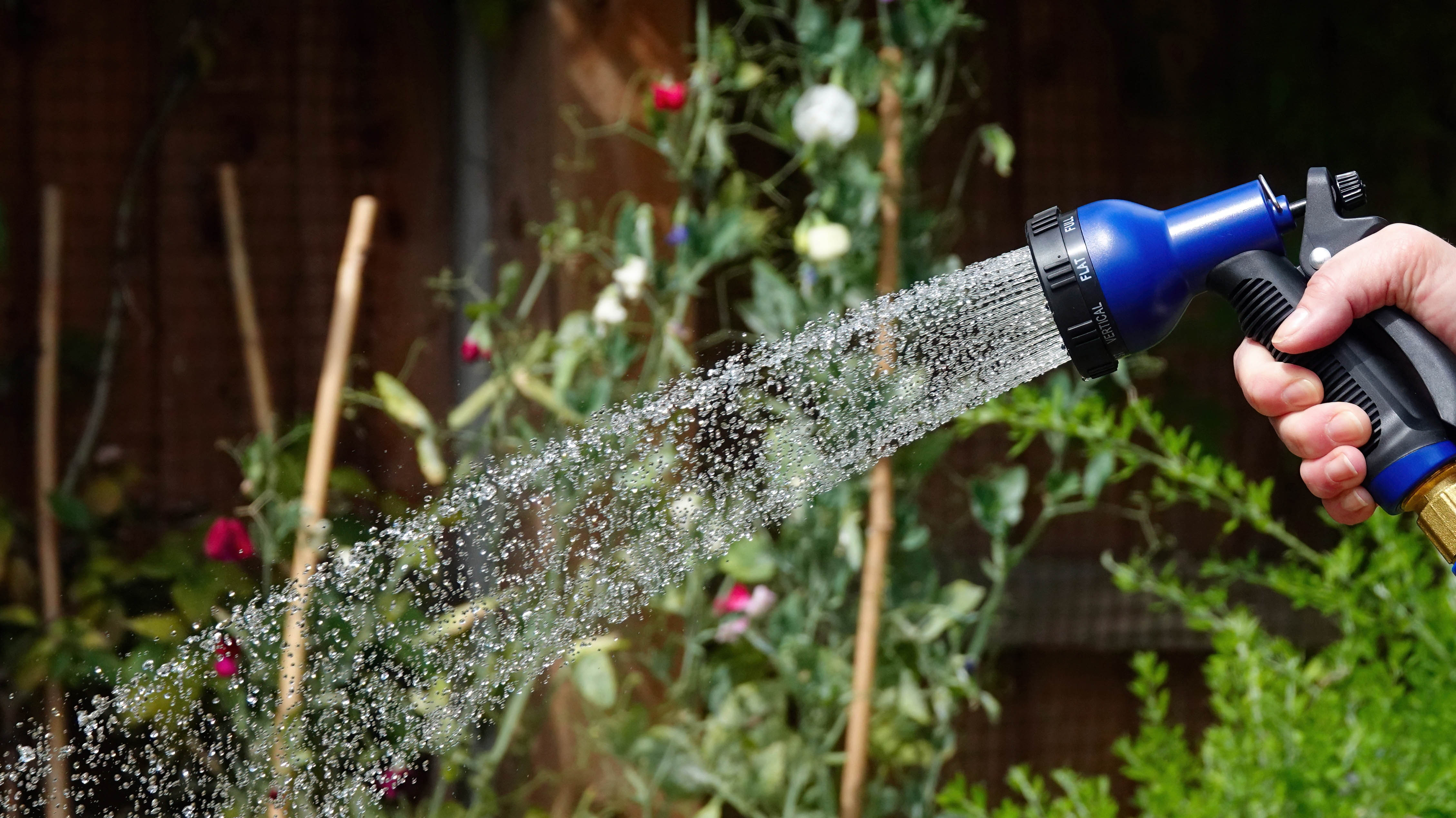
Watering deeply and less often will encourage the roots of plants to reach deep into the soil rather than seeking water on the surface. And Stoddart says to avoid overwatering and feeding too much as the plants start out. “It creates plants which are needier for attention from gardeners with shallower root systems and less resilience as a result.”
3. Think right plant, right place
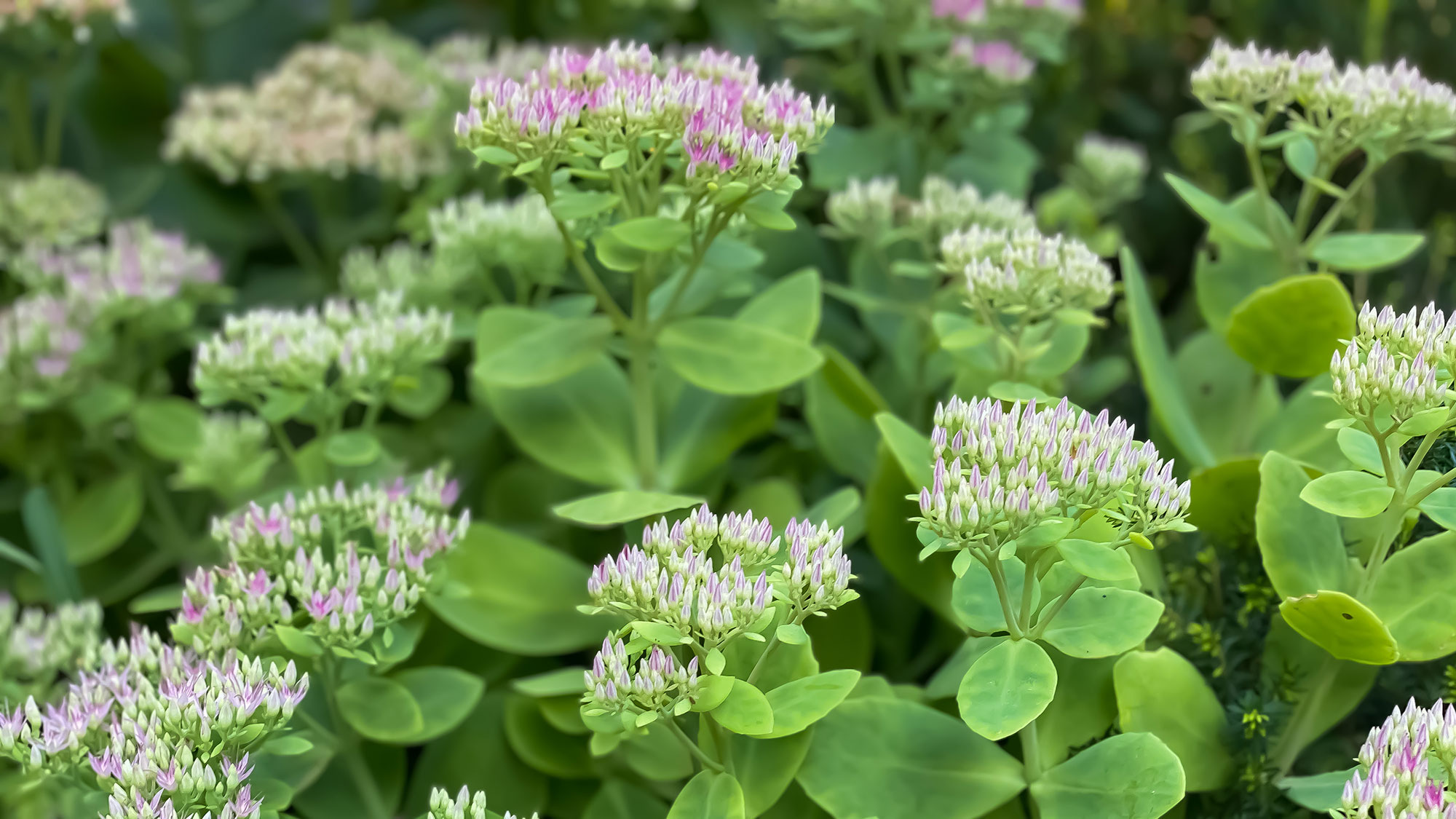
I’m a real advocate of the right plant, right place mentality, and Stoddart is too. She also suggests taking stock of those plants, especially annuals, which are repeatedly struggling and then consider whether you should keep growing them.
I’d add to this advice and suggest you also take note of what continues to perform well in your garden and your surrounding location. While my hydrangeas are struggling, my sedums are wondering what all the fuss is about!
4. Put your money on perennials
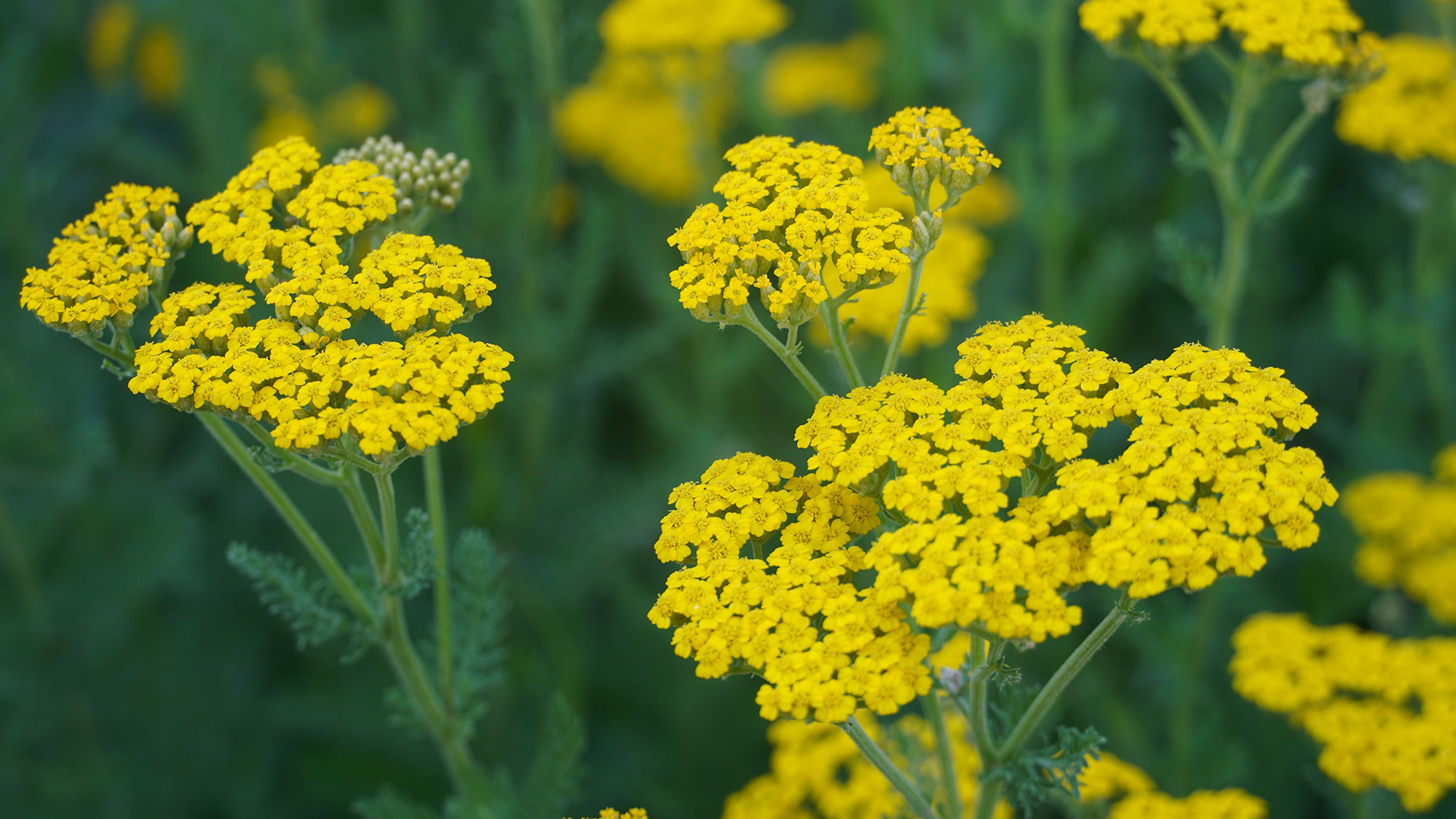
Stoddart suggests planting more perennials, as they can develop deep root structures that enable them to find food and water from further afield, giving them greater resilience against extreme weather overall.
Chrissie Handley, lawn care specialist at Online Turf, says, “Any plants that can handle a wet winter and dry summer are the ones to go for.”
My salvia 'Hot Lips' is currently looking triumphant and is definitely one plant I'll be increasing next year. I'll also be adding coneflowers and yarrow to my collection.
5. Make the most of shade
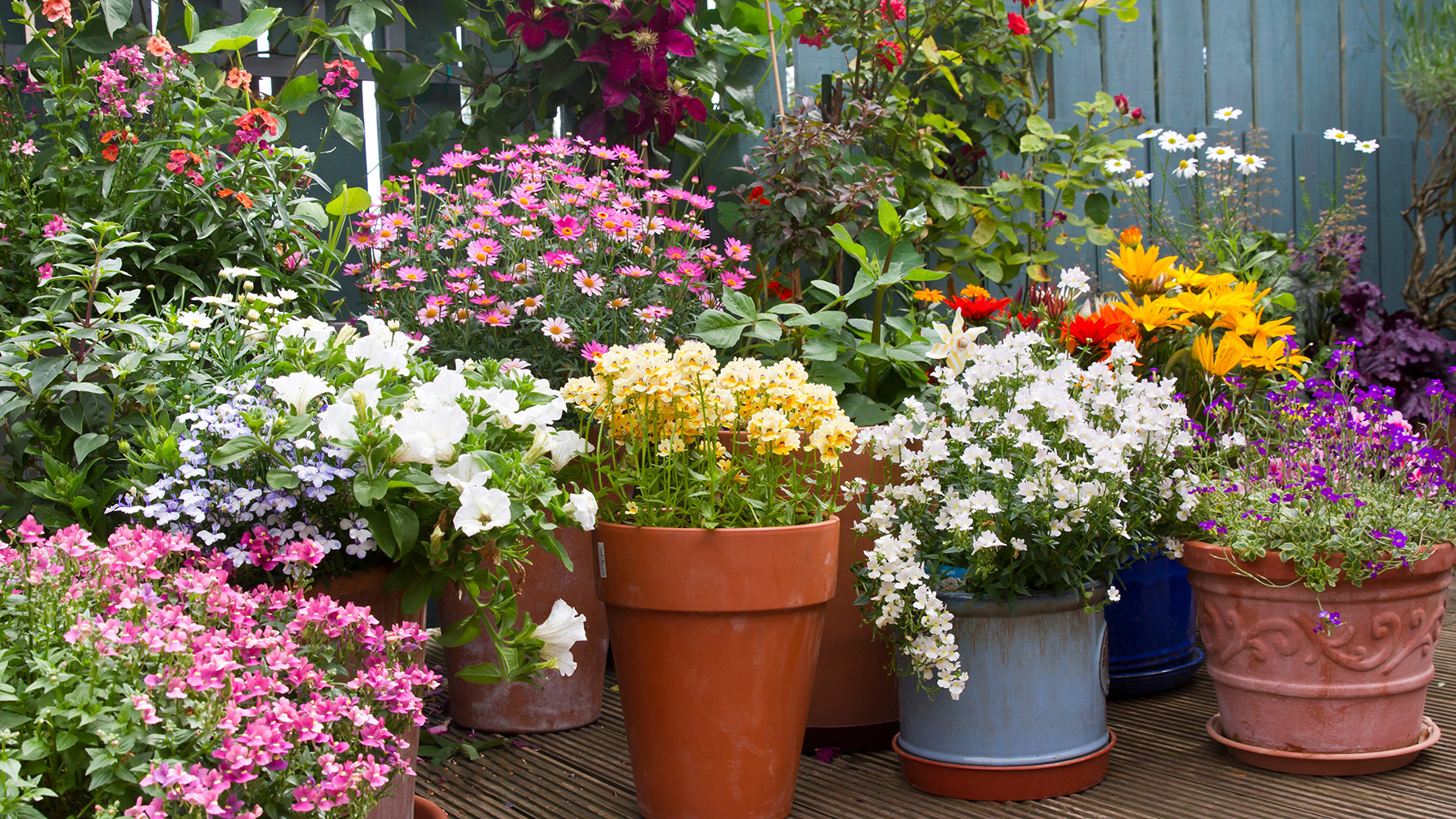
Although some plants are sun lovers, creating some shade will protect them and other sun-shy plants from direct heat. “Move plant pots if you can into semi-shade as needed, and group pots together,” says Stoddart.
This plant watering hack can also be used when you go on vacation to reduce the amount of water your plants need while you are away.
6. Celebrate natural pest predators
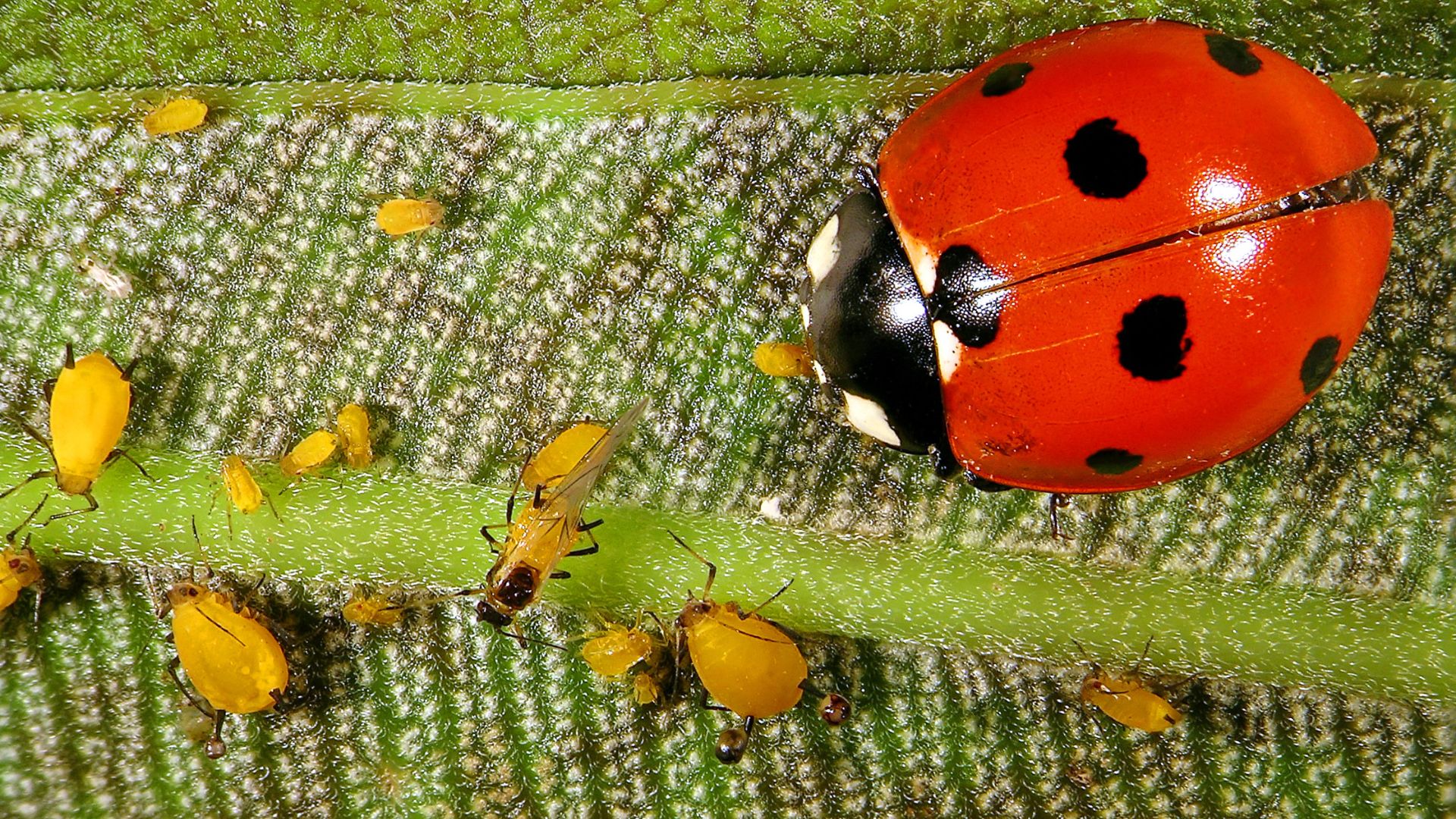
To protect your plants from predators, which will be more at risk during extreme weather, Stoddart suggests encouraging an abundance of natural pest controllers. “You want lots of ladybugs, wasps and other predators to help in the garden,” she says.
She also recommends mixing up planting schemes and placing ornamentals with edibles to create a greater balance.
7. Don't forget your lawn
My lawn was the first area to suffer in the heat, and with water restrictions in my area, it now resembles straw. Although my lawn has gone into dormancy, there is still some semblance of life — albeit the weeds!
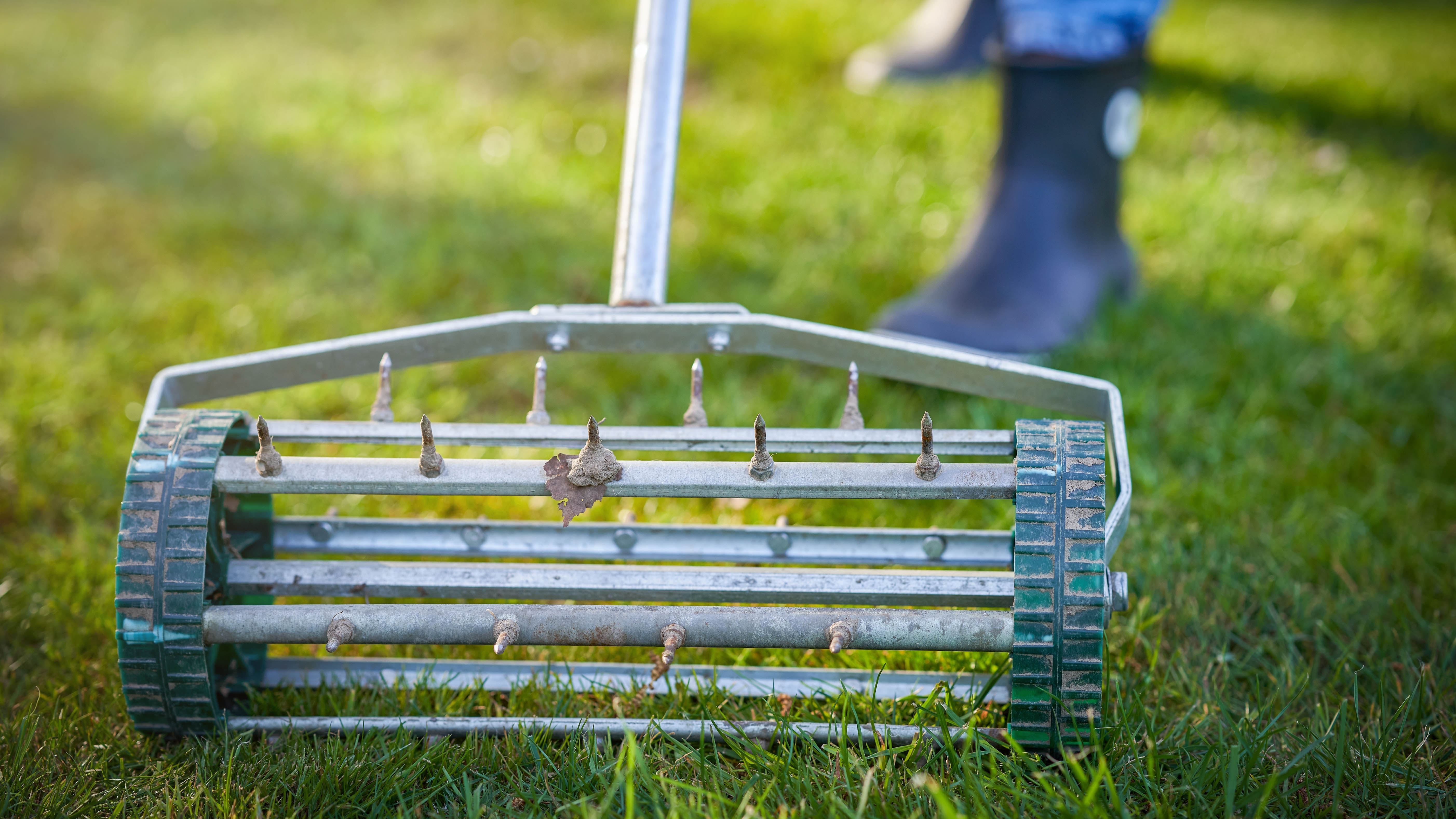
Cho says that lawns turn brown and stop growing when temperatures reach 84°F (29°C). Although you can’t revive it, Handley says you can aerate the soil to improve airflow and reduce compaction, which aids water absorption. All you need is a garden fork or a lawn aerator to spike deep holes into the soil.
I'd love to know what tactics you are following to keep on top of your garden in the extreme heat. Please let me know in the comments below.