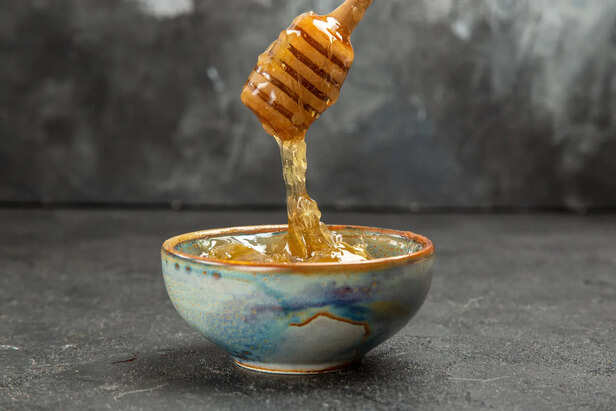
Most of us never think twice before adding honey to tea, warm water or breakfast. It feels natural, safe and almost always “pure” by default. That golden jar in the kitchen has built a reputation of being healthy and harmless. But the uncomfortable truth is that not every bottle of honey you see on store shelves is exactly what it claims to be. Some are genuine, some are processed more than you think, and a few may not be as natural as they appear. This is where a little awareness can make a big difference in what you consume every day.
Why Honey Looks Pure but Is Not Always the Same
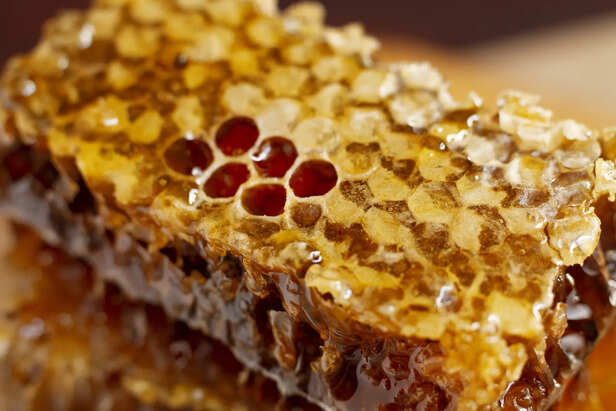
Honey has a strong natural image so most people assume every bottle is the same. In reality, honey can vary a lot depending on how it is collected, processed and packaged. Some types are raw and unfiltered while others are heavily processed to look smooth and uniform. The problem is that processing often changes the natural structure without changing how it looks in the jar. That is why appearance alone is not always enough to judge purity.
Simple Water Check People Often Talk About
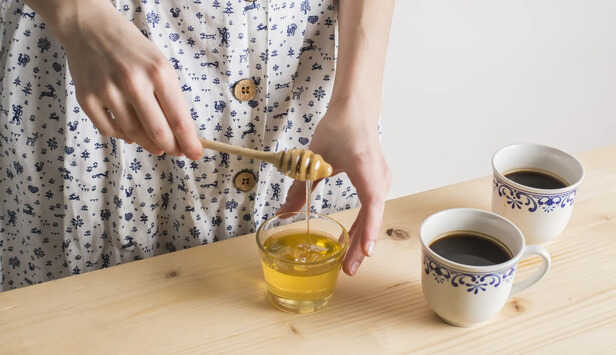
One popular home method people use is the water test. A drop of honey is placed in a glass of water and observed. Some believe pure honey settles at the bottom while diluted versions dissolve more quickly. While this is not a perfect scientific test it is still widely used as a quick way to get an idea. It should not be the only method of judgment but it does help people become more curious about what they are consuming.
When Honey Tastes Too Perfect
Real honey usually has depth in flavor not just simple sweetness. It carries a natural richness that comes from flowers and nectar sources. Sometimes commercial honey tastes overly smooth or extremely uniform which can feel a little different if you pay attention. This can happen due to filtration or added sweeteners used to maintain consistency. Once you have tasted raw honey even once the difference becomes easier to notice.
Natural Honey Behavior Many People Misunderstand
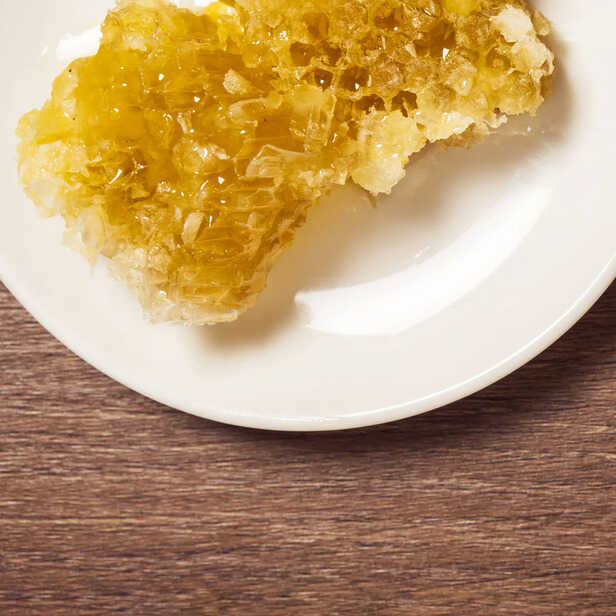
One interesting fact about real honey is that it changes over time. It may become thicker or form crystals and this is completely natural. Many people mistake this for spoilage but it is actually a sign of minimal processing. Heavily processed honey often stays in the same liquid form for a long time. Understanding these natural changes helps you recognize what is closer to its original form.
Why Labels Do Not Always Tell the Full Story
Words like pure natural or organic on packaging can be comforting but they do not always guarantee absolute purity. These terms can sometimes be part of marketing language. This is why looking only at the label may not give the complete picture. Being a little more mindful about brands sourcing and consistency can help you make better choices instead of relying only on front packaging claims.
Awareness Without Fear Is the Real Key
The goal is not to create fear around honey but to build awareness. Honey is still a wonderful natural food when chosen wisely. The idea is simply to be more conscious of what you bring into your home. When you understand a few basic signs and stay observant you naturally start choosing better quality without overthinking or worrying unnecessarily.
Honey will always remain one of nature’s most loved foods but not every jar is identical in purity or processing. A little awareness can help you understand what you are really consuming and avoid blindly trusting labels. In the end it is not about stopping honey but about respecting it enough to choose wisely. When you know the truth behind it every spoon becomes a more informed and confident choice.
Unlock insightful tips and inspiration on personal growth, productivity, and well-being. Stay motivated and updated with the latest at My Life XP.