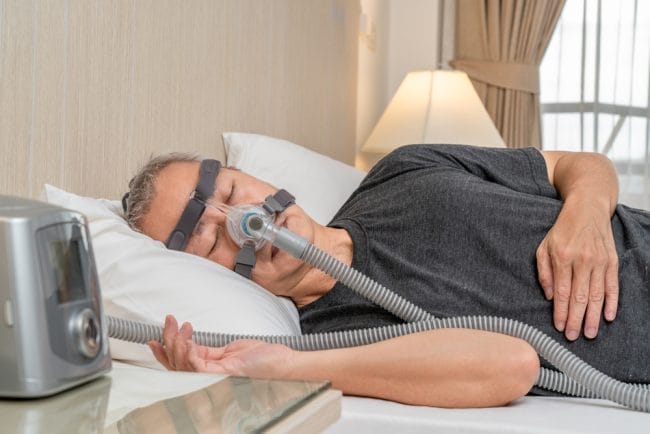
You likely spent months adjusting to life with a CPAP machine just to get a decent night of rest. You follow the rules and wipe it down, but you might be unknowingly inviting a biological hazard into your lungs. It is not your fault that the cleaning instructions provided with your machine are often vague.
Many companies market expensive ozone cleaners that do more harm than good. In fact, some common cleaning habits actually damage the internal foam and release toxic particles into your airway. This breakdown exposes the dangers of improper maintenance and reveals the only safe way to ensure your sleep therapy remains healthy. You will learn why those popular ozone bags might be your worst enemy.
The Ozone Cleaner Deception
Those expensive sanitizing machines that use ozone or UV light are a major red flag for your respiratory health. While they claim to kill germs, the FDA warns that ozone gas can reach dangerous levels inside the device. This gas can degrade the sound-abatement foam within your CPAP machine.
When that foam breaks down, you end up inhaling tiny black particles while you sleep. This is not just a maintenance issue; it is a direct path to lung irritation and long-term inflammation. Surprisingly, many manufacturers will even void your warranty if they find evidence of ozone use. You can read the official FDA warning regarding ozone and UV light cleaners to understand these risks.
The Hidden Danger of Tap Water and Dish Soap
The pink slime or white crust forming in your water chamber signals a real problem. Using tap water introduces minerals and potential pathogens into a warm, dark environment where they thrive. On the other hand, many people use harsh dish soaps that contain perfumes and degreasers.
These soaps often leave a chemical residue that you breathe in throughout the night. When you use that mask, you are essentially huffing concentrated soap fumes for hours. Distilled water is the only way to prevent mineral buildup, but your equipment still needs a gentle touch. You should only use mild, unscented soap or specialized wipes designed for medical-grade silicone. The Sleep Foundation provides an updated guide on CPAP cleaning procedures that will not degrade your mask.
Reclaiming Your Respiratory Health
Properly cleaning your CPAP should not feel like a dangerous or complicated chore. By ditching the gimmicky cleaners and sticking to distilled water and gentle soap, you protect your lungs and your equipment. It is about removing the risk so you can finally get the restorative sleep you deserve.
If you have been using an ozone cleaner, you should inspect your machine for signs of foam degradation immediately. You can find more information through the American Thoracic Society’s guide on CPAP care to manage your health safely.
Are you noticing a strange smell or debris in your mask lately, and what has your cleaning routine looked like?
What To Read Next…
- The Sleep Divorce: Why One-Third of Couples are Choosing Separate Beds for Better Health
- 8 Symptoms of High Cortisol That Are Ruining Your Sleep
- 8 Reasons to Close Your Bedroom Door Before You Sleep Tonight
The post Stop Cleaning Your CPAP This Way: Why You Could Be Making Yourself Sick appeared first on Budget and the Bees.