
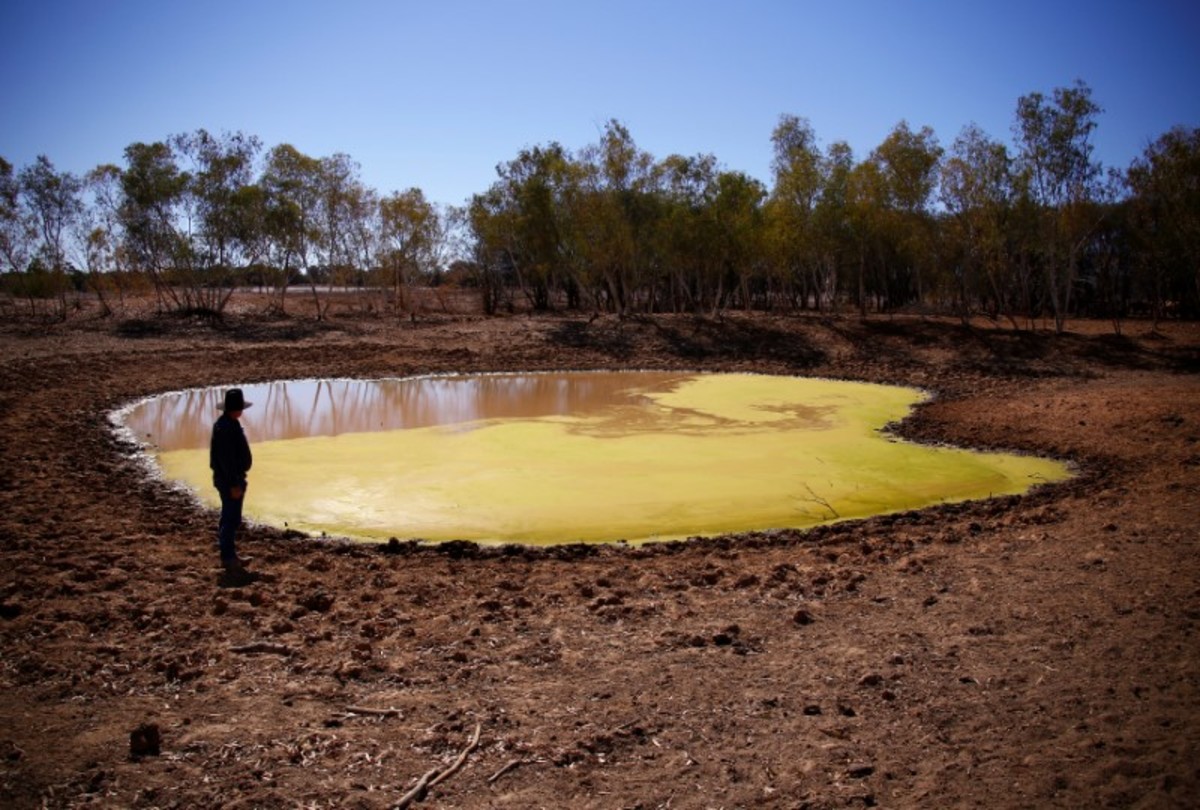
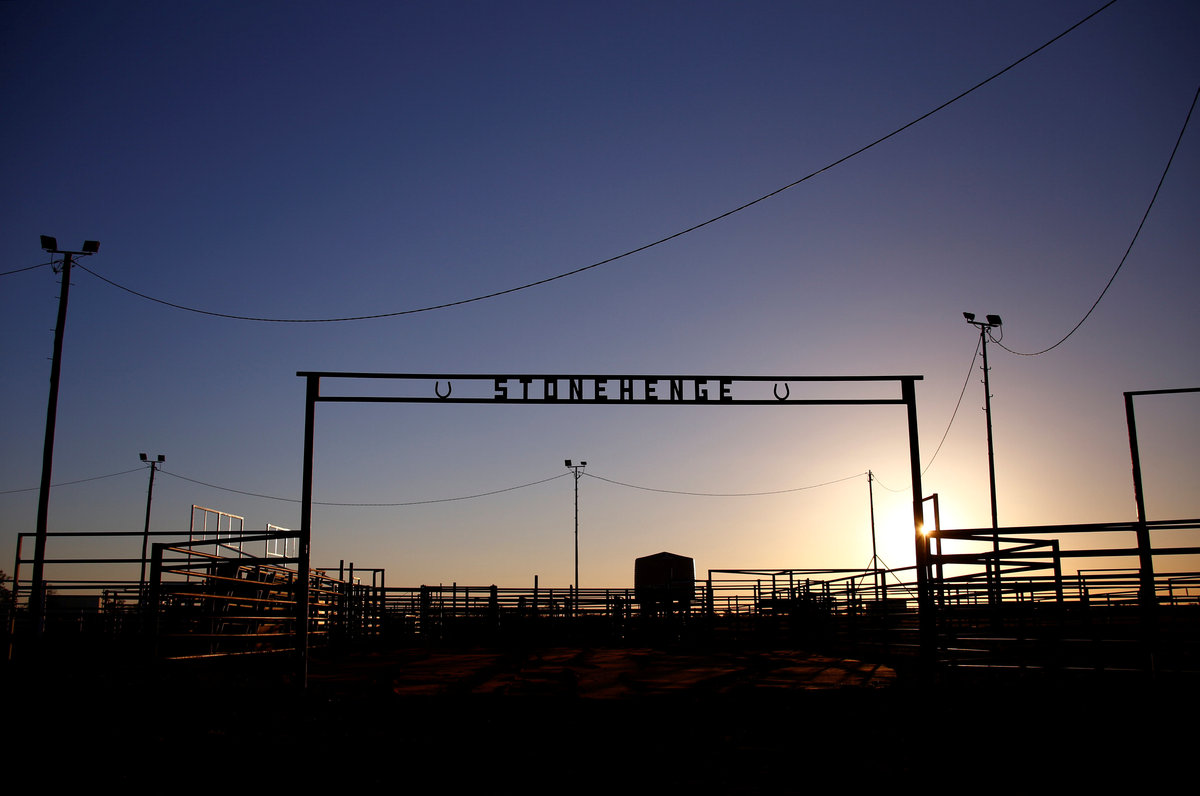
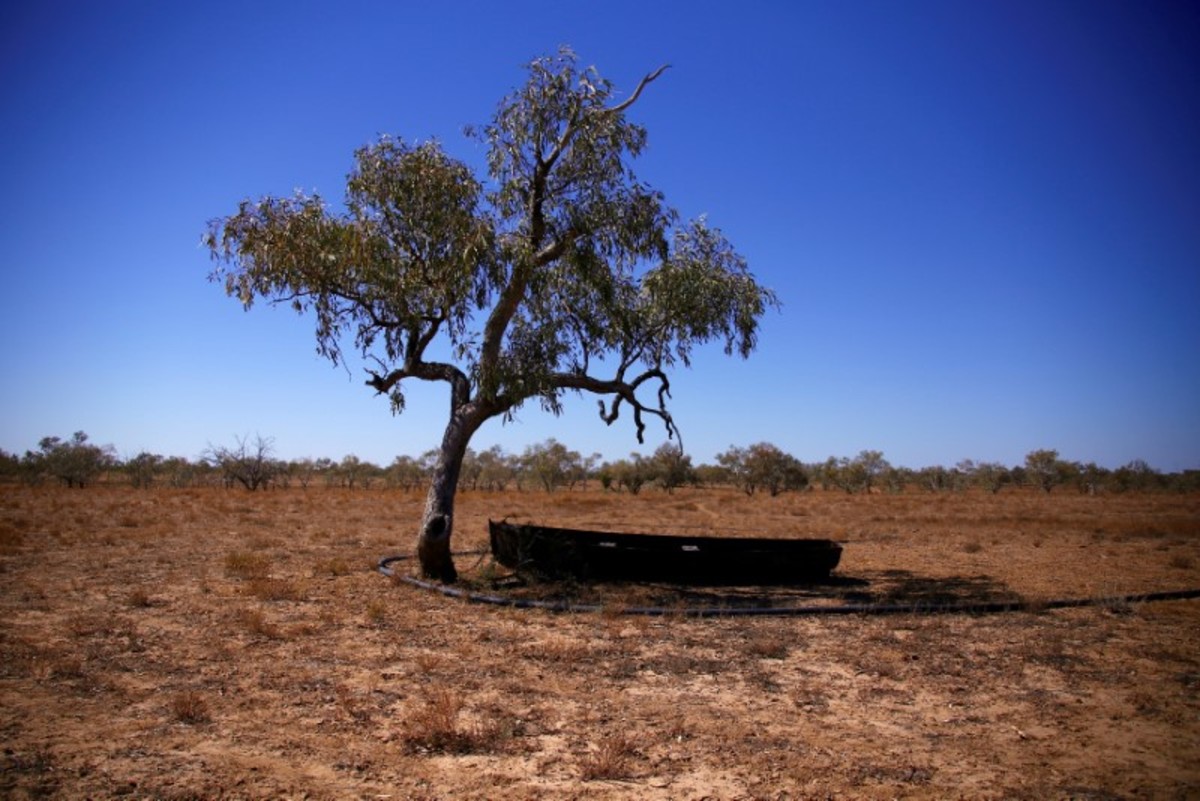
STONEHENGE, Australia (Reuters) - Stonehenge is dry and has been for too long - seven years too long.
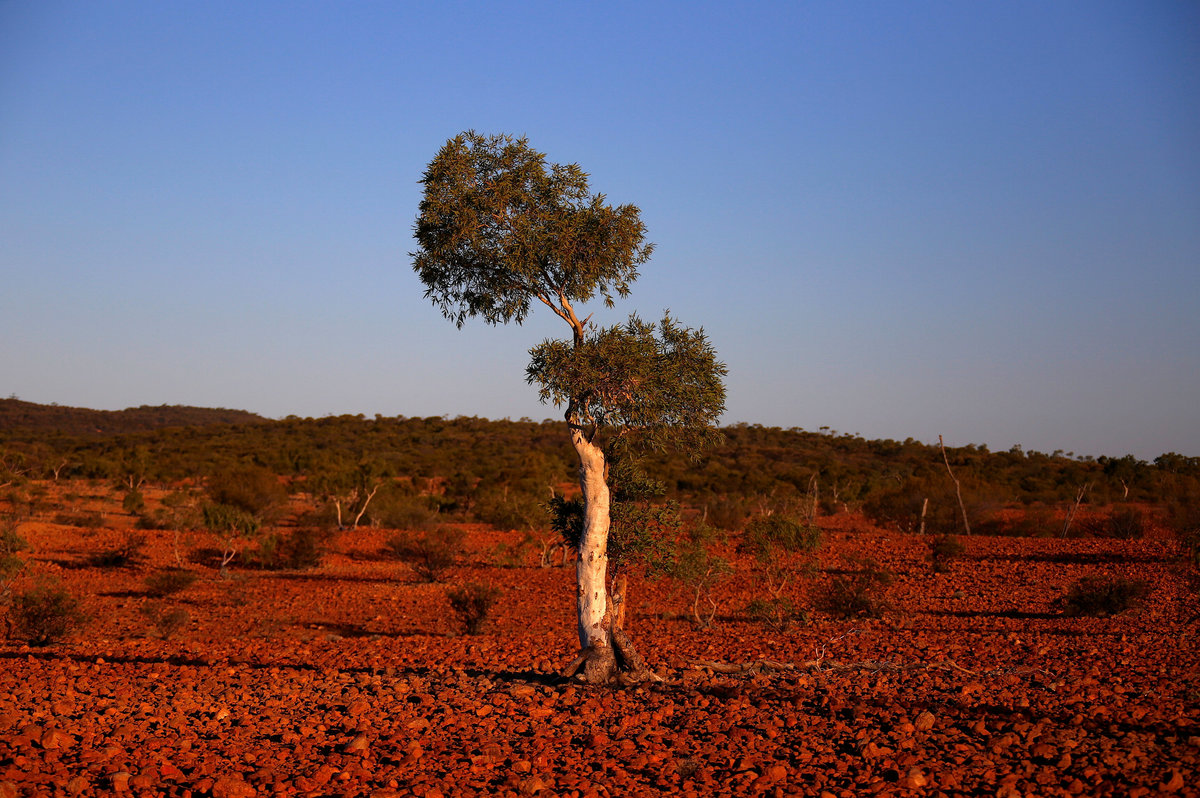
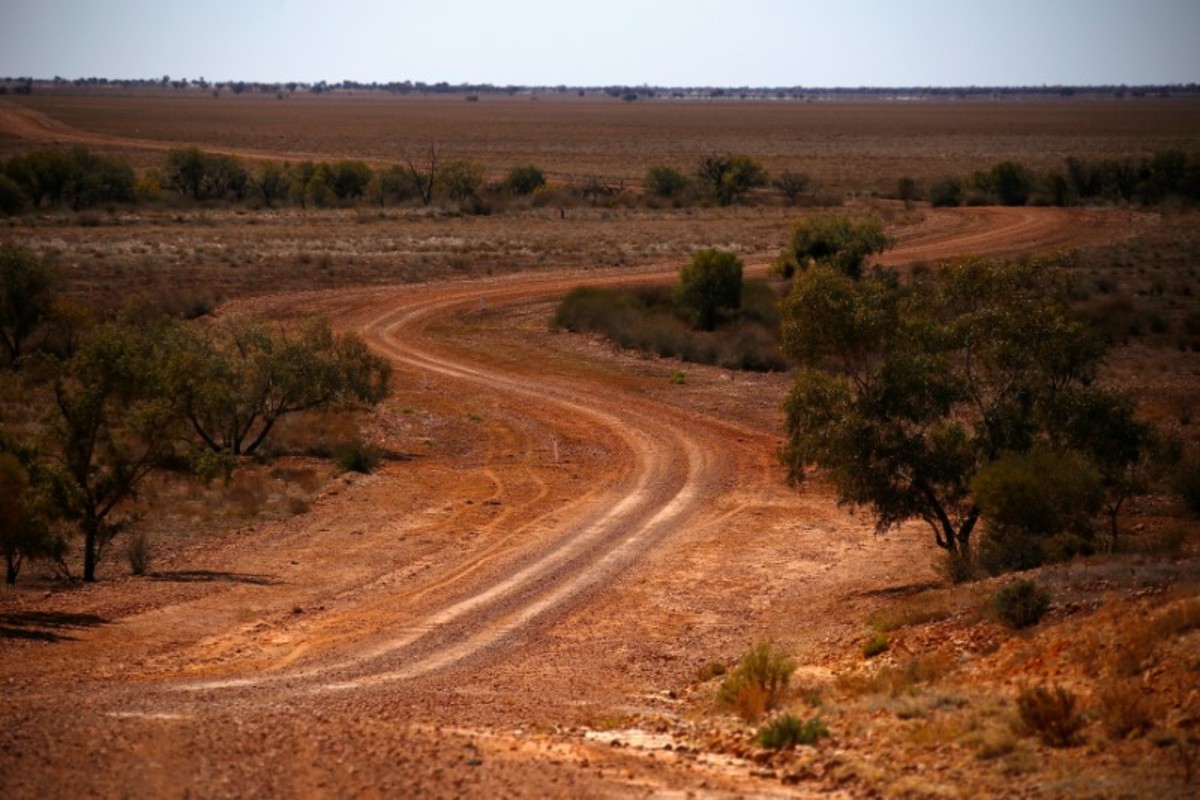
You can taste the dust well before you cross the cattle grids that cut the only road into town. More than 1,700 km (1,056 miles) northwest of Sydney, Australia's Stonehenge could not be more different from its famous namesake, the World Heritage prehistoric monument of Stonehenge in England. Stonehenge in England averages 10 days a month of rainfall and a maximum temperature of 22 degrees Celsius (72 Fahrenheit).
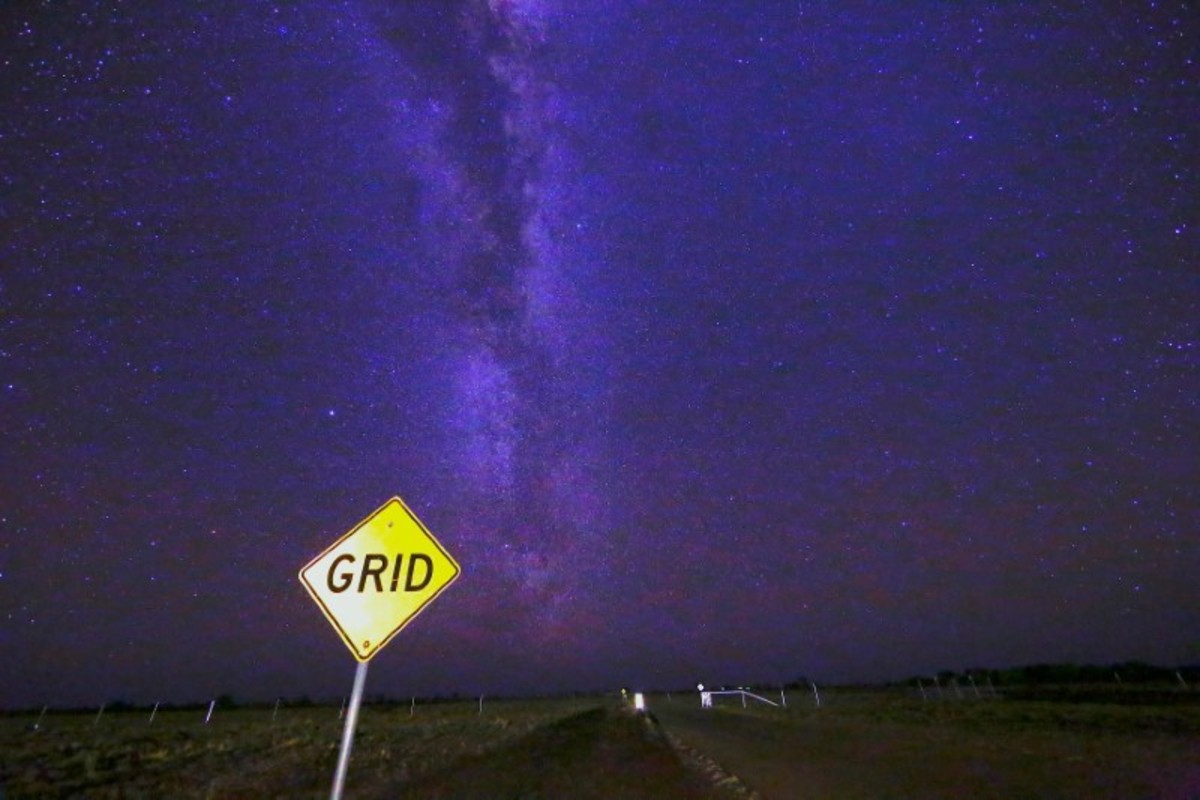
The town in Australia averages 325 sunny days a year and summer temperature of about 45C (113F), and forget regular rain.
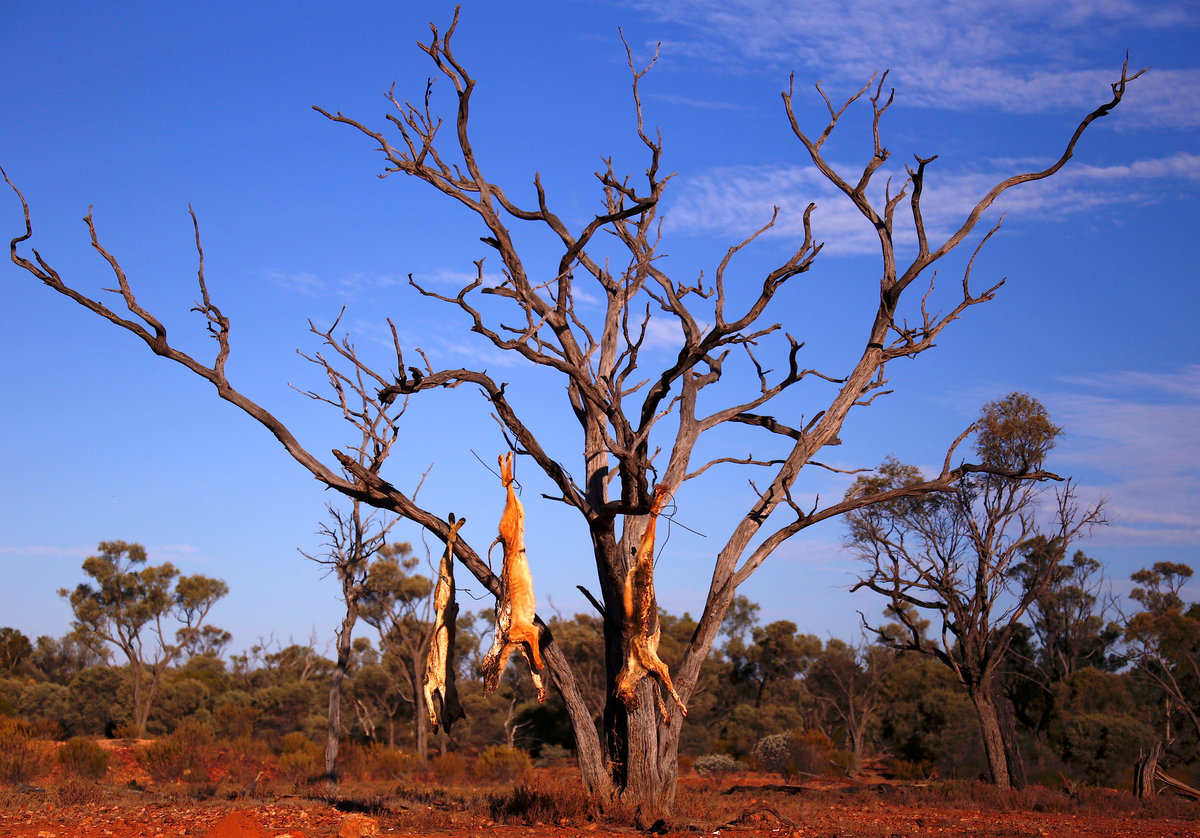
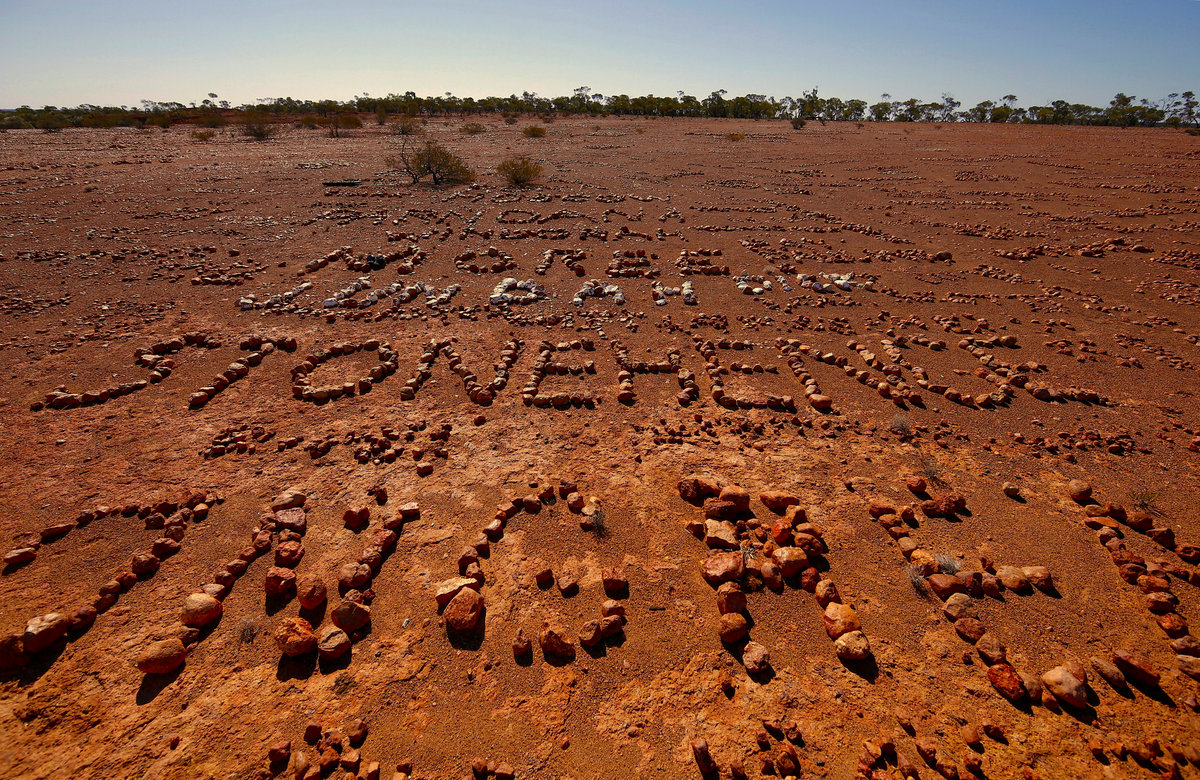
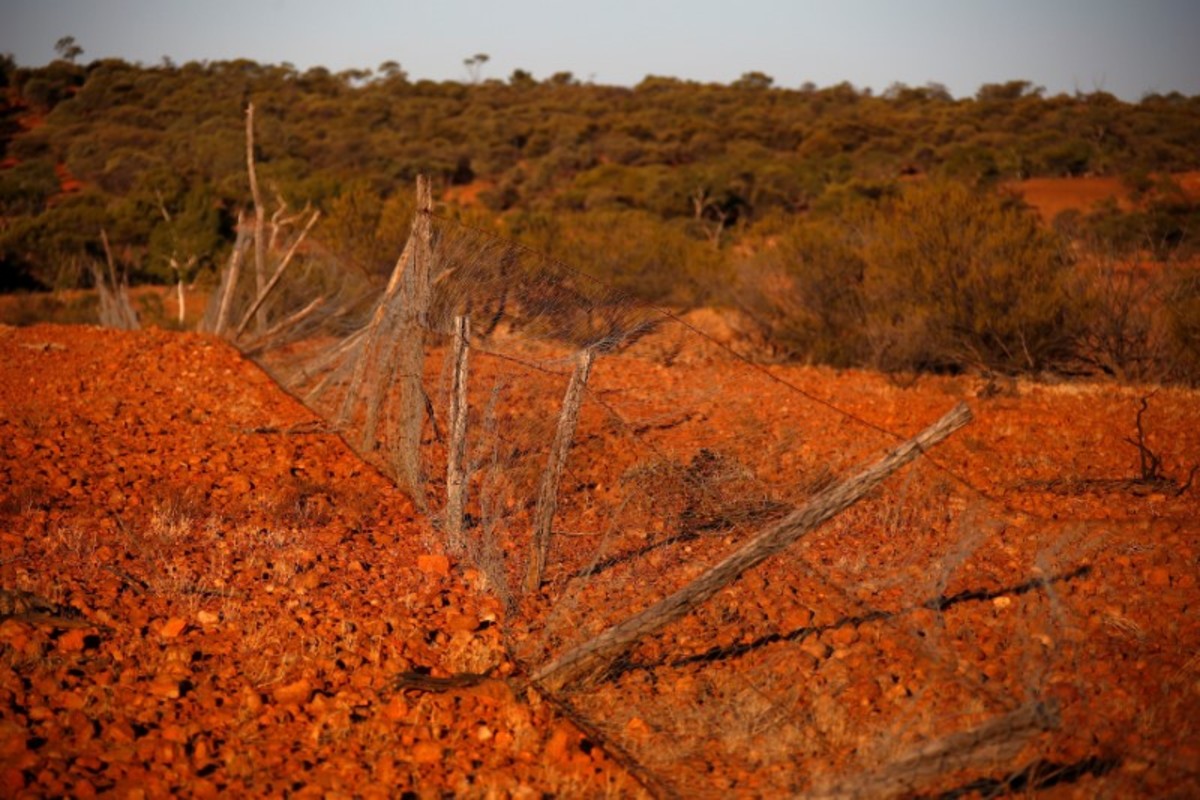
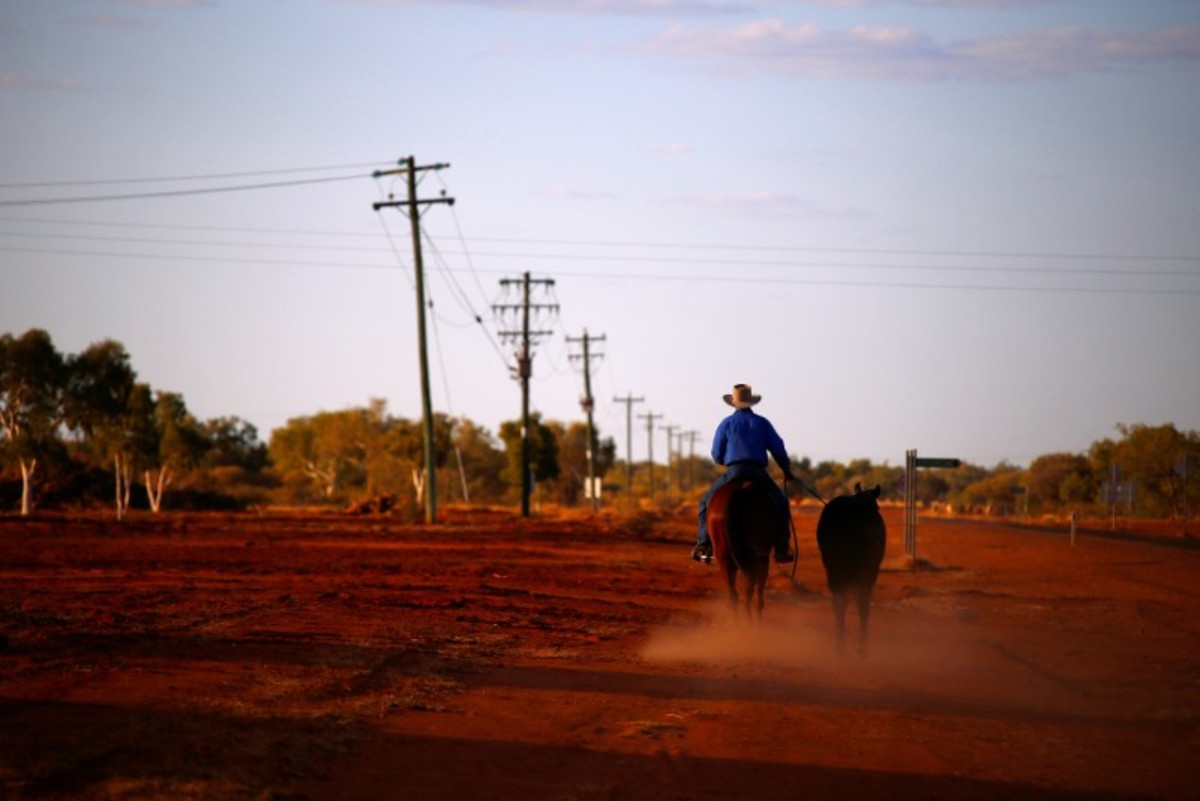
How the town got its name is a mystery. "In the mid-1800s, dingo (wild dog) trappers built a stone fortress which they used as a shelter, but no one is really sure," said resident Judy Baldry as she drove along a dusty road on the outskirts of town. Another possibility is the stony landscape, with rocks ranging in size from marbles to boulders scattered across the plains as far as the eye can see. The stones lure tourists to an area known as "The Address Book" on the outskirts of town, where people create their names or love messages using stones, such as "Jim loves Kerry" and "Dan 4 Jan". PRAYING FOR CHRISTMAS RAINS Stonehenge's remaining 23 residents say they are struggling to survive one of the longest droughts in memory. "Certainly, this is the worst drought I've seen in the last 28 years because of its longevity. It's just gone on for so long," said cattle and sheep farmer Tony Jackson. Jackson's Hill View Park Station property of more than 150,000 acres (60,000 hectares) is excellent wool country due to the stones. Less dirt means better quality wool.
He manages some 800 cattle and about 6,000 sheep on the drought-hit property, but he fears he will have no feed or water if there is no rain by Christmas.
Jackson and his neighbours have spent hundreds of thousands of dollars on feed.
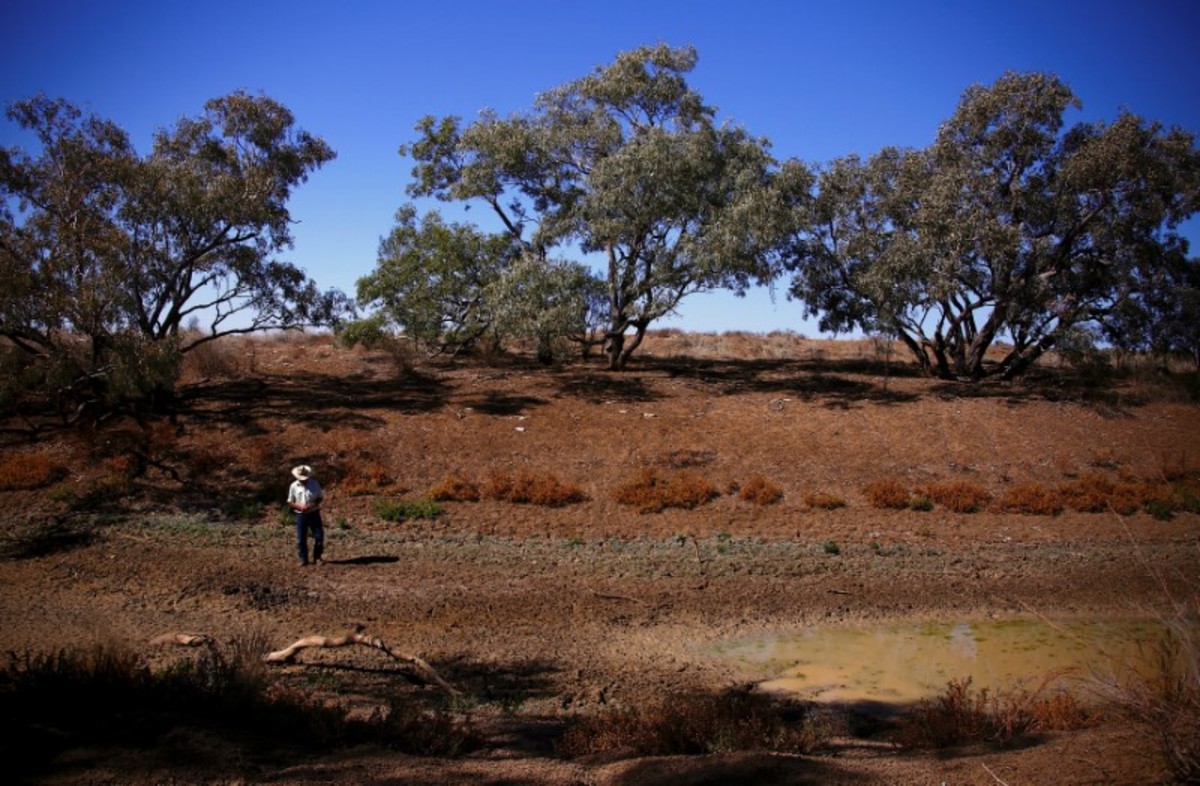
Debt levels for broadacre farms, which includes cattle, sheep and crop, is estimated to have increased by 7 percent during 2015–16 to average A$560,500 per farm, the Australian government's agricultural bureau said. Other parts of Australia have seen the drought break and farmers there are looking at a bright future. Cash incomes on cattle farms are estimated to be the highest in more than 20 years, at A$204,000 per farm, due to rising beef prices. But the drought has a stranglehold on Stonehenge. For the first time in more than 34 years the main water supply, the meandering Thomson River, has stopped flowing.
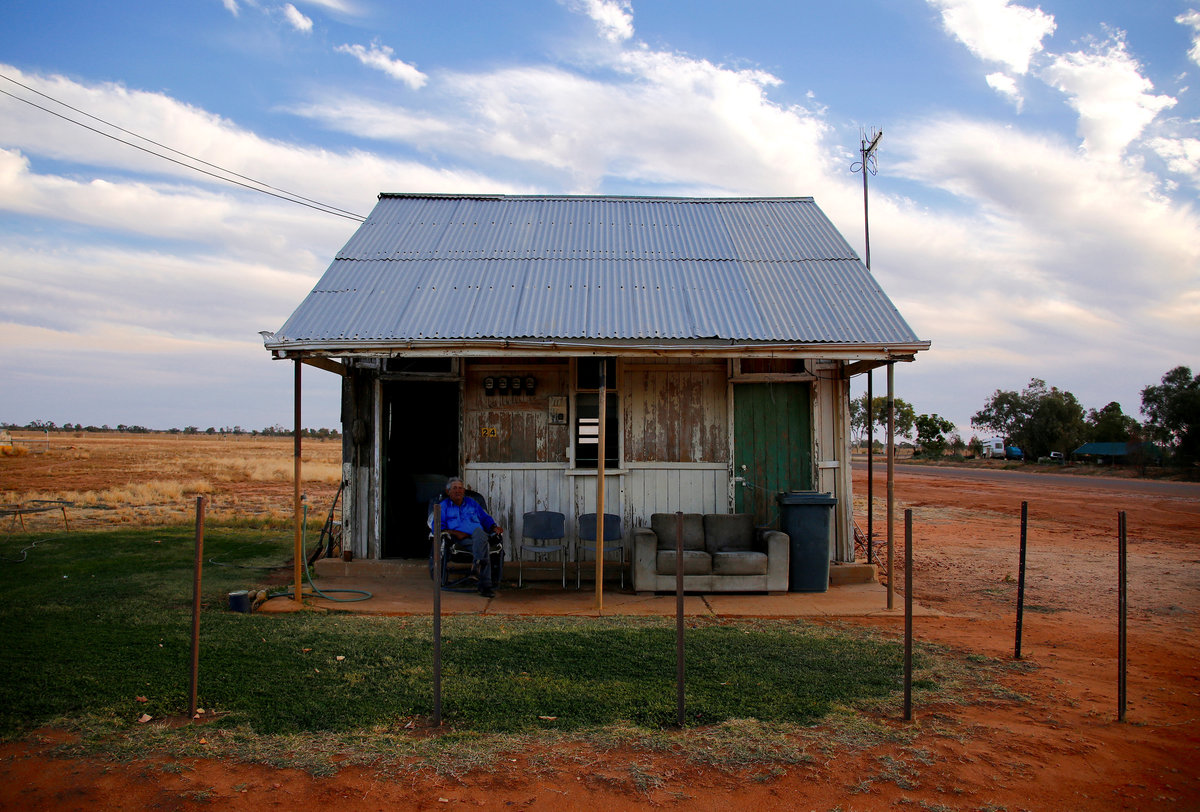
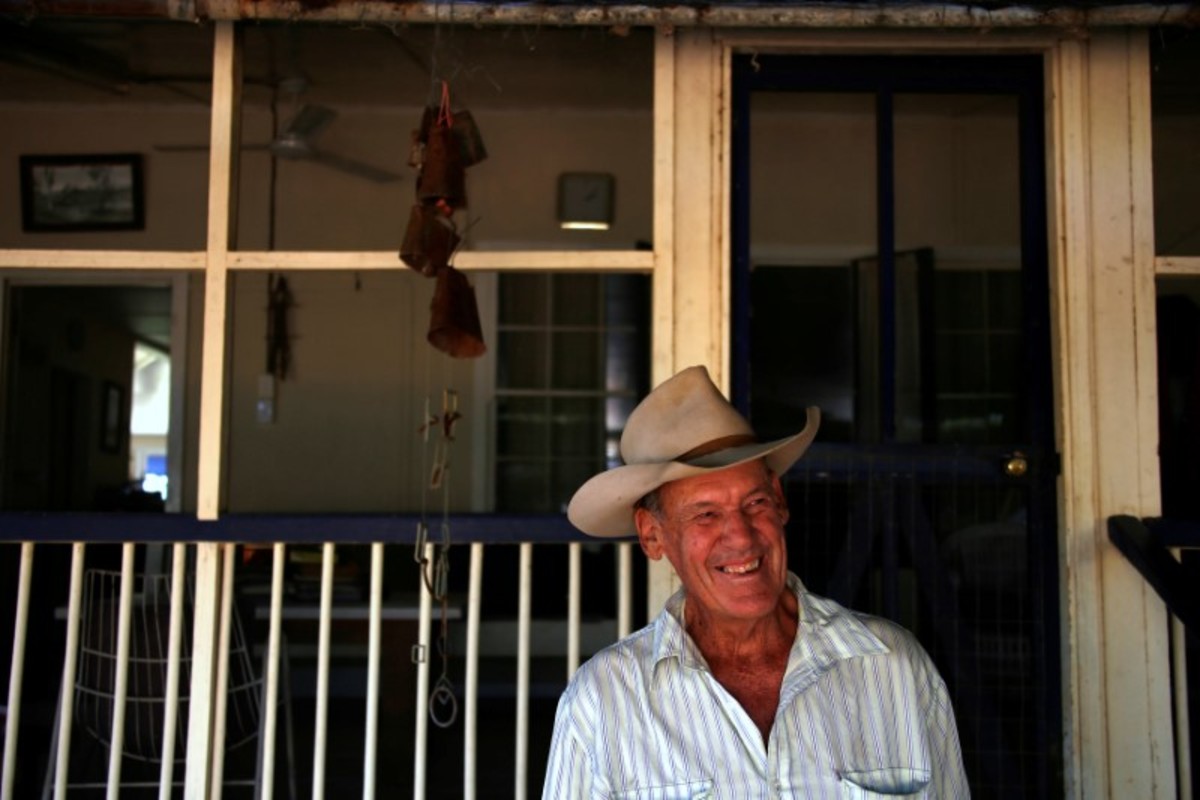
Farmer Dick Smith says it has been seven years since the last decent rain filled the river. "This is drought country. No one forced me to live here. We have to expect a drought, but this one's gone on too long," he said on the veranda of his home on the Depot Glen property. Smith usually manages about 1,500 cattle but has destocked to survive and now has just 47 cows and calves.
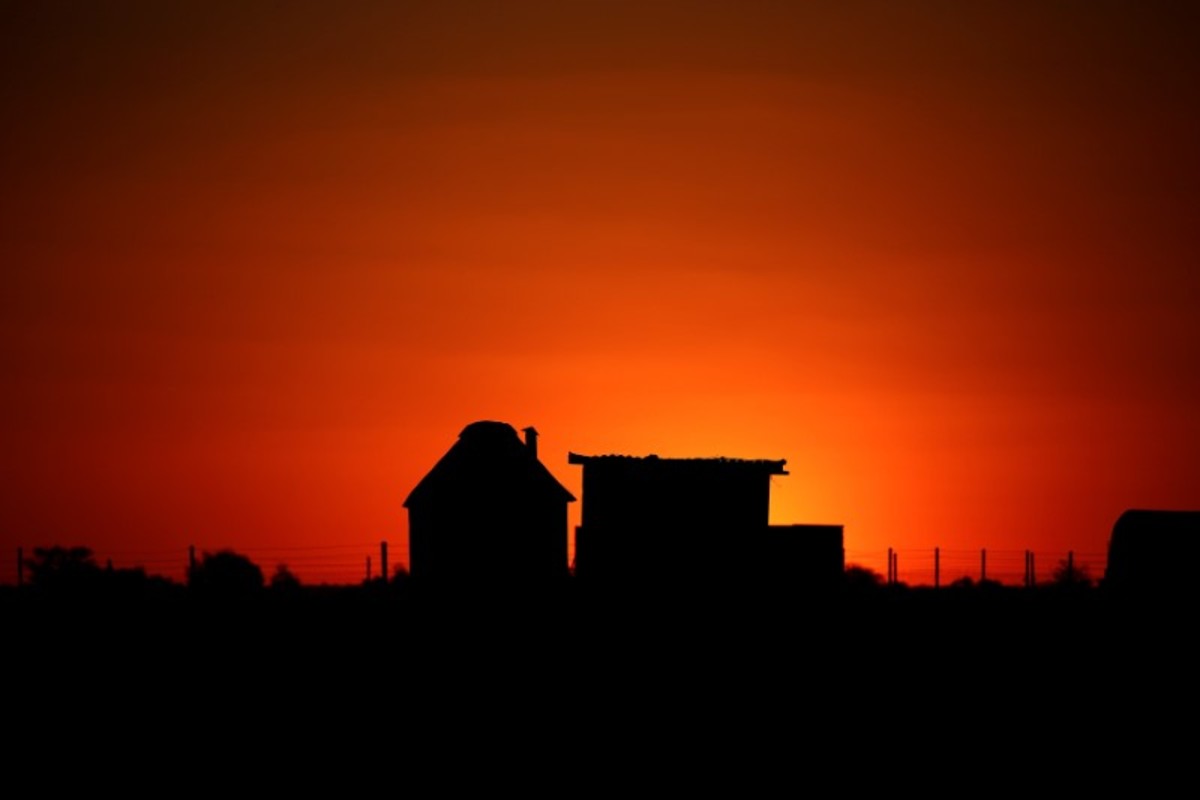
He said that due to droughts over the past decades, he had "completely destocked three times", and the potential for a fourth was high.
When the rains do come, the farmers of Stonehenge will struggle to pay for new stock at a time when cattle prices are at record levels due to demand for beef. 'YOU REALLY HAVE TO LOVE YOUR HUSBAND' The drought has taken its toll on families, with the emotional and financial stress contributing to poor mental health, according to a study by the Australian National University.
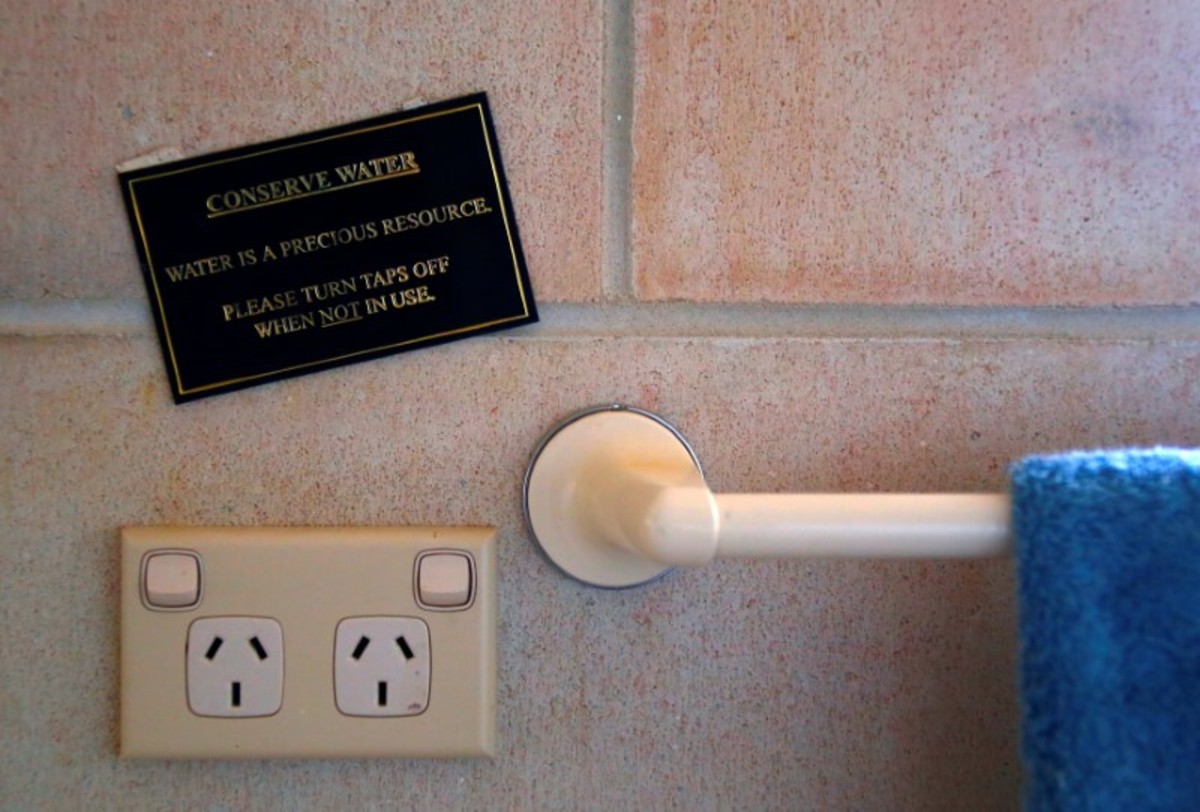
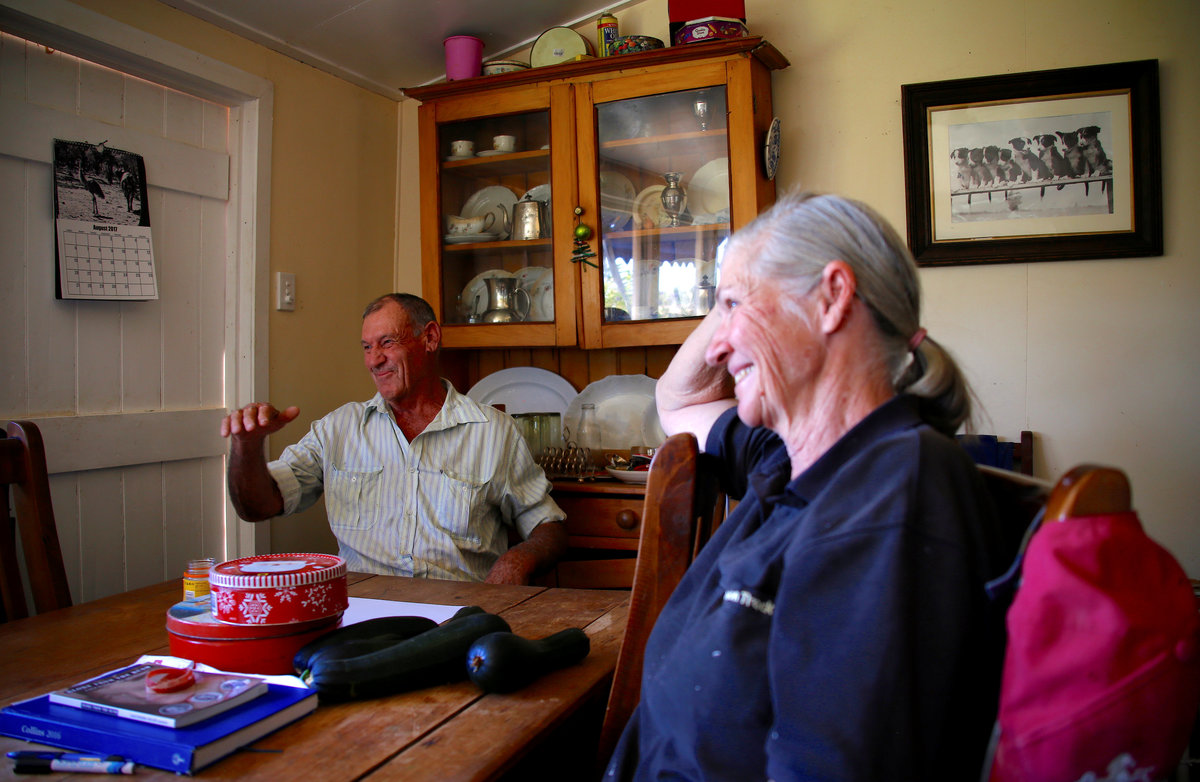
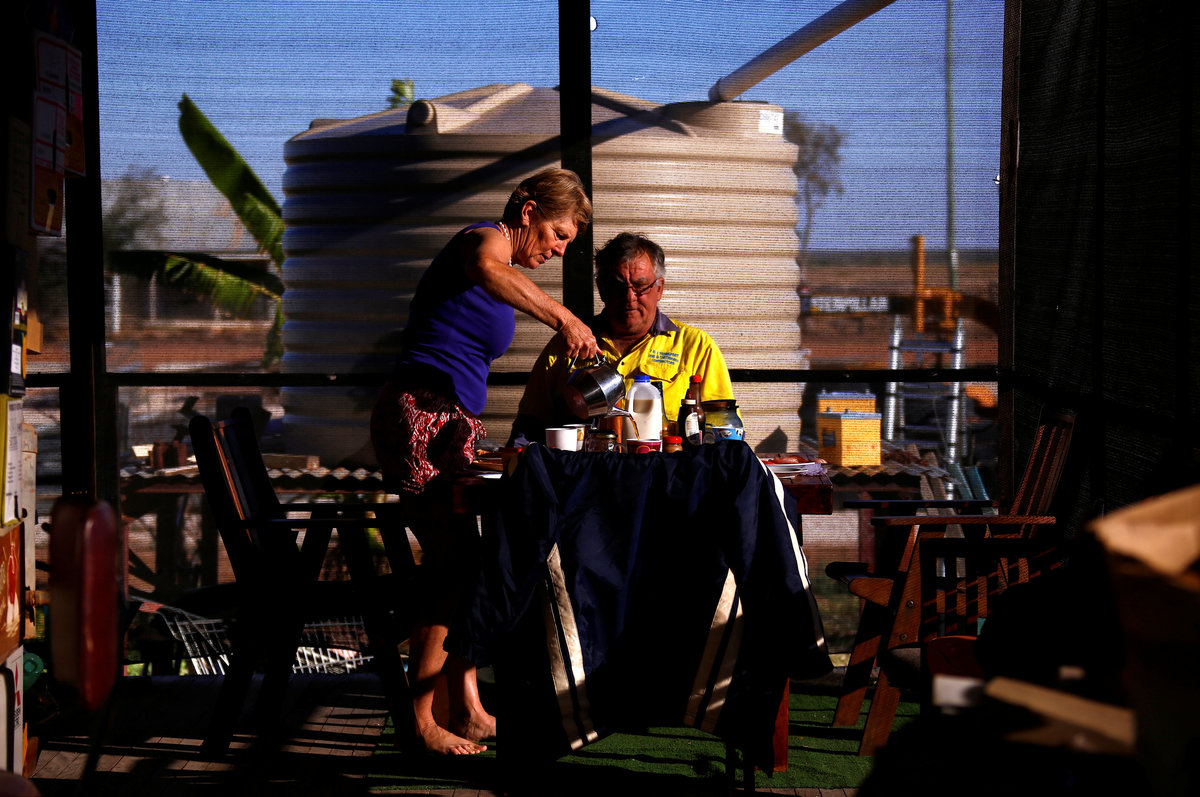
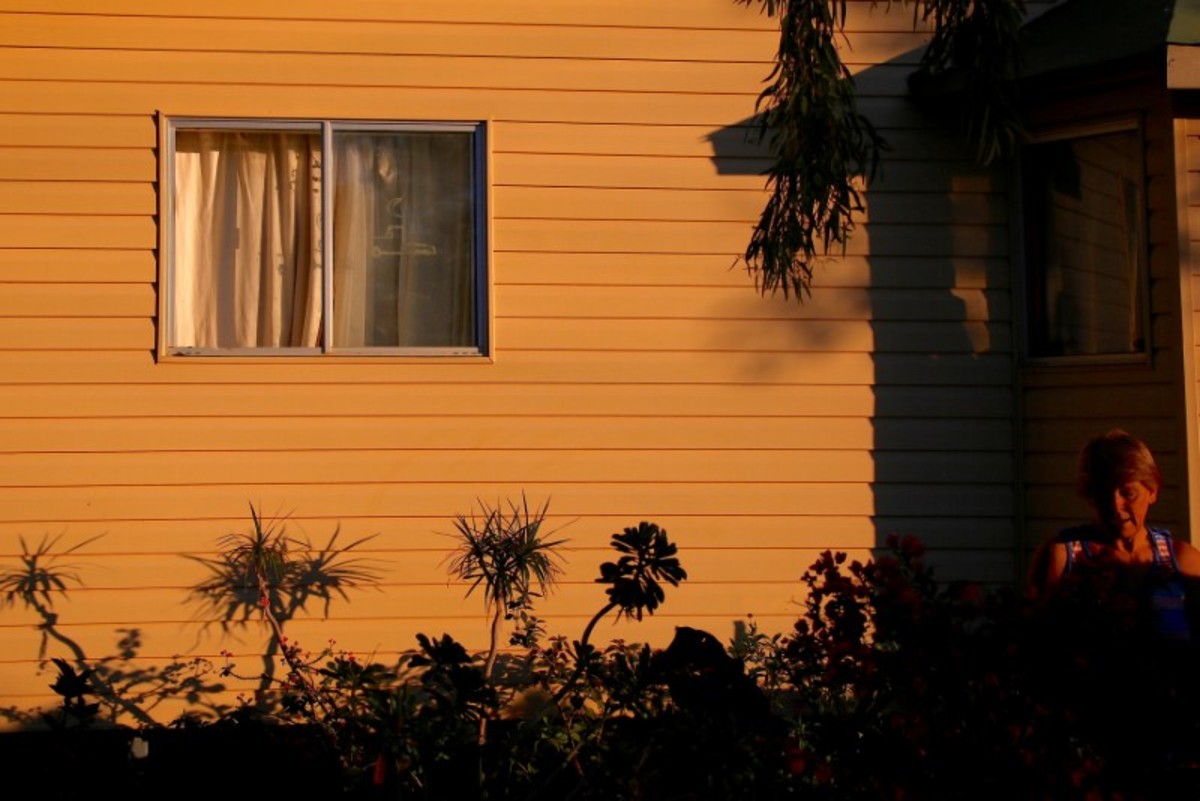
The study examined 8,000 people living in drought and found that the more severe the drought, the more severe the impact on the mental health of a farmer and his family. Sue Smith knows the burden. She runs Depot Glen alone for many months while her husband, Dick, is away driving a grader or fixing fences thousands of kilometres away in the Northern Territory. "You really have to love your husband to live out here," said Sue, a champion equestrian when she was young. "We're not isolated up here, we have bitumen roads, telephones, internet, but I do miss white sheets," she said, referring to the bore water that stains her sheets.
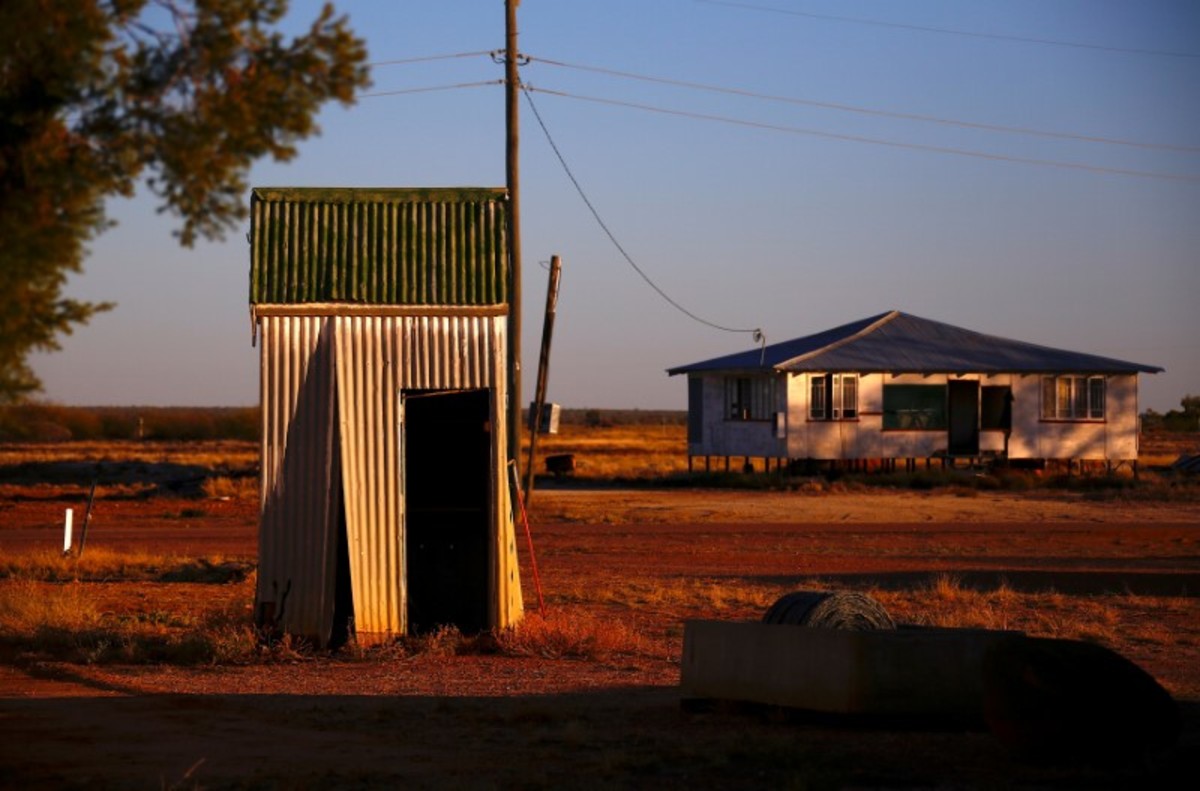
Stonehenge has suffered a huge loss of people due to the drought. The town many years ago boasted three hotels, and up until just a decade ago, a population of 106.
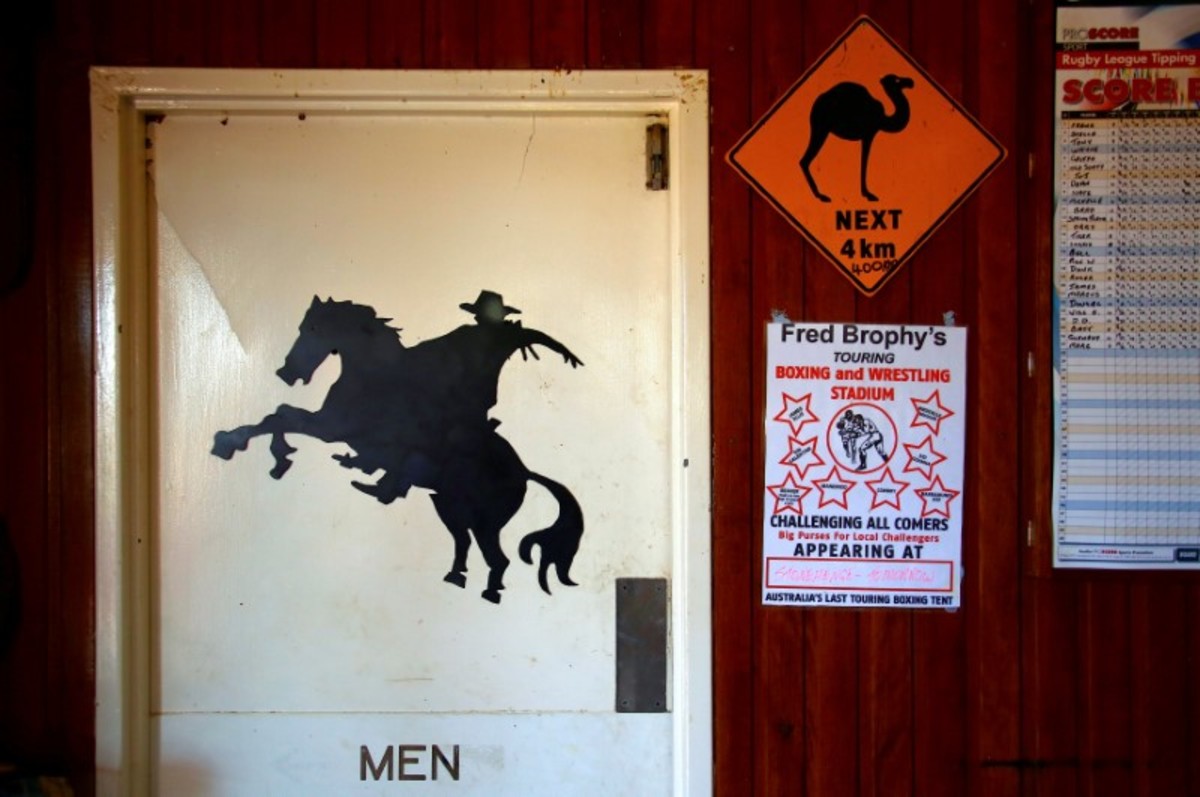
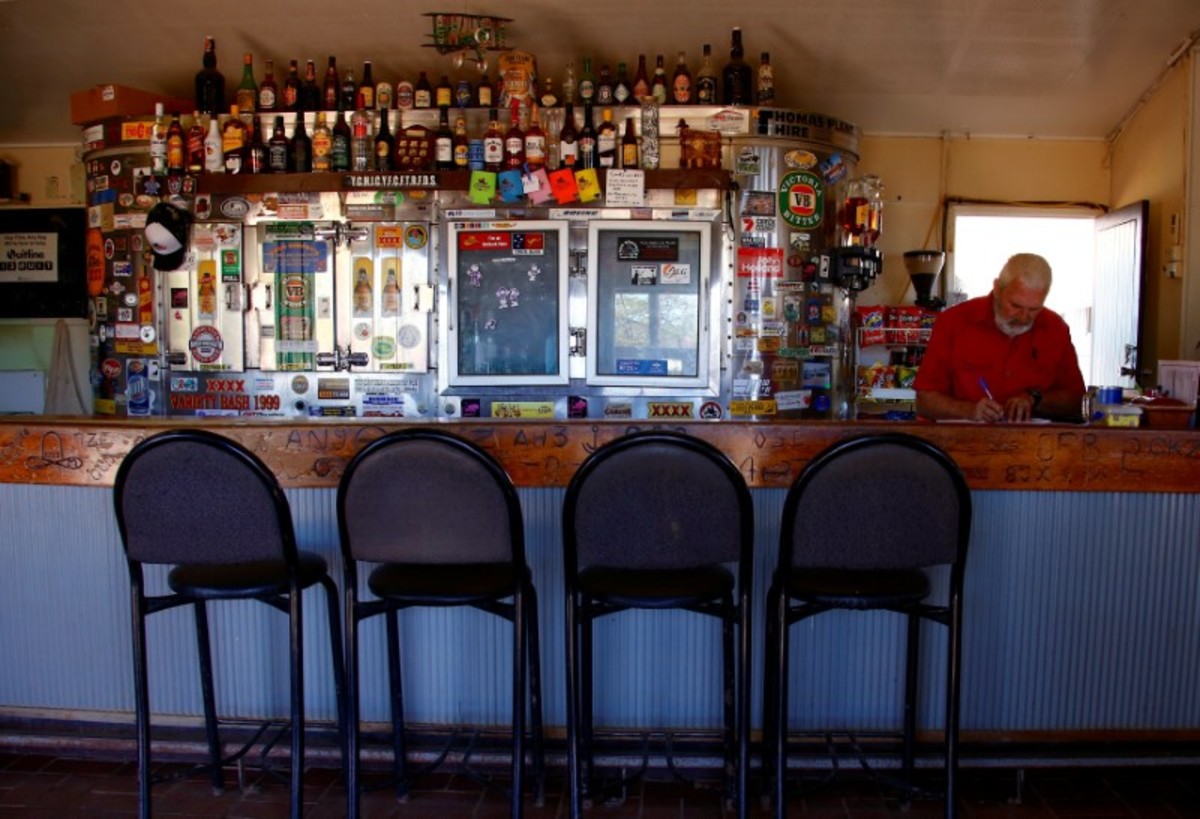
Frank Irwin, who used to work on a farm, now runs the Stonehenge Hotel, a tin building with a bar crowned with empty beer bottles and rodeo memorabilia. Stonehenge, like its English namesake, will survive, he said. "We just batten down the hatches until it does rain".
(Editing by Michael Perry, Darren Schuettler)




.png?w=600)








