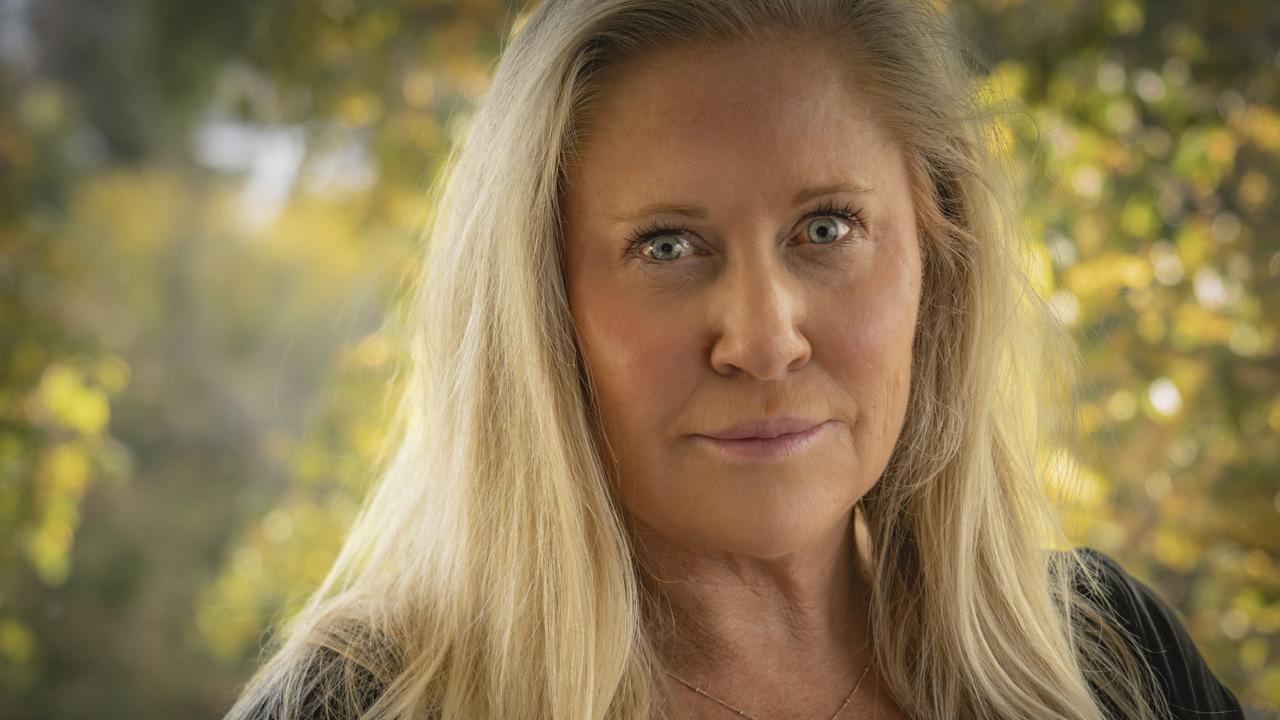
For ex-police officer Gill Dayton, some memories are crystal clear and others remain blurry.
She was in her mid-20s, four years into her career, when called to the Port Arthur tourist site on April 28, 1996, to respond to Australia's worst mass shooting.
"My first recollection is sitting in the car park outside the Broad Arrow Cafe with my work partner," she says.
"We had been tasked with the job of being the first detectives to enter the scene."
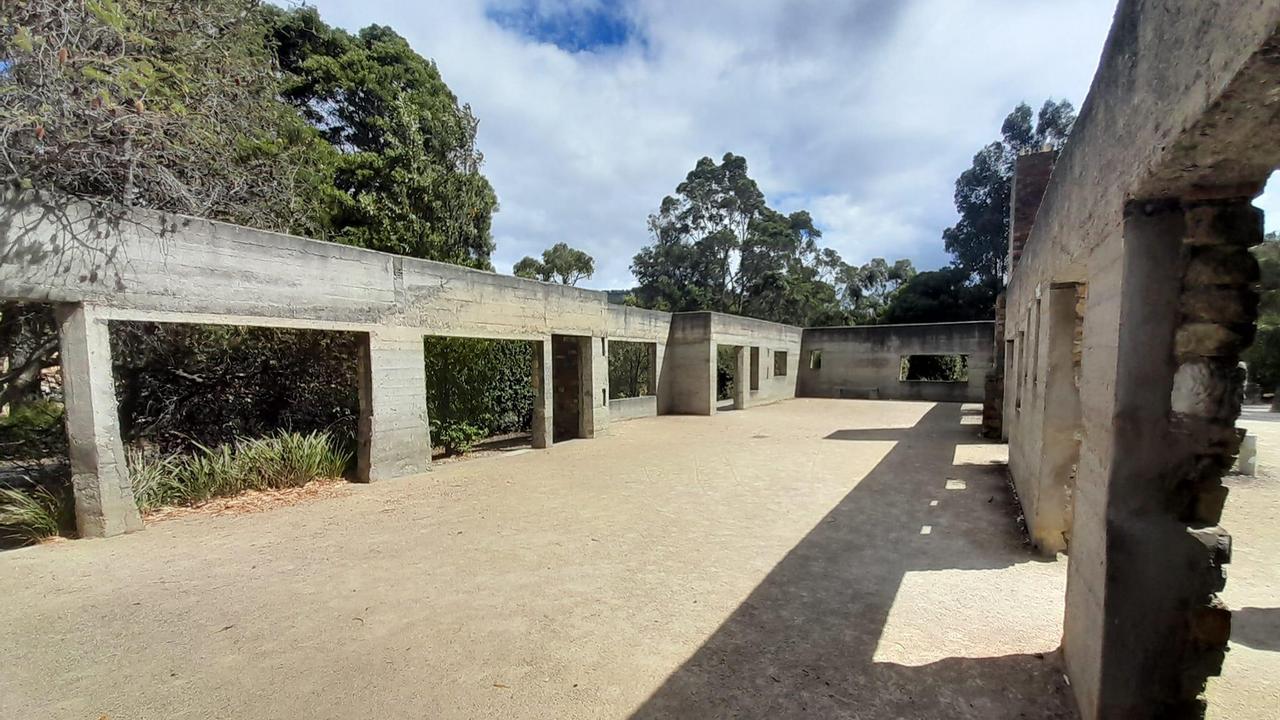
At that point, the situation on the Tasman Peninsula remained active with gunman Martin Bryant holed up at the Seascape guest house after killing dozens of people.
"There were numbers being thrown about, about how many (victims) there were," Ms Dayton says.
"It was just chaos, there was so much happening. The fear and dread of walking up those steps and not knowing exactly what we would be confronted with.
"Nothing could prepare you for when you walked in. The cafe wasn't large. There was nowhere for them to escape."
Bryant, who will die behind bars, murdered 35 people. The youngest were sisters Madeline Mikac, three, and six-year-old Alannah Mikac. He injured 23 others.
Bryant first opened fire in the cafe with a semi-automatic rifle, killing 12 people in 15 seconds before further shootings in the nearby gift shop.
He was captured the next morning after an 18-hour stand-off with police.
Twelve days later, Prime Minister John Howard announced a suite of reforms, including a ban on automatic and semi-automatic long weapons and a buyback that resulted in the destruction of 650,000 guns.
Ms Dayton remembers some long ago specifics - a bloodied bowl of chips left on a cafe table - as well as the days-long process of documenting the cafe crime scene and moving bodies.
She recalls cleaning stainless steel in the kitchen before politicians and media arrived, and gathering evidence from Bryant's home in Hobart's northern suburbs.
Other parts aren't there.
"It wasn't until 26 years after that I became ill with post-traumatic stress injury and disassociative amnesia," she explains, saying the conditions prompted her to leave policing.
The 30th anniversary on Tuesday will be marked at the site with a quiet, reflective community-focused commemoration.
About 50 former and current first responders, including some from interstate, will meet in Hobart for what Ms Dayton says is their first gathering of such size since the shooting.
"There is plenty that won't be there and that is more than fine because everyone is at a different point in their healing journey," she says.
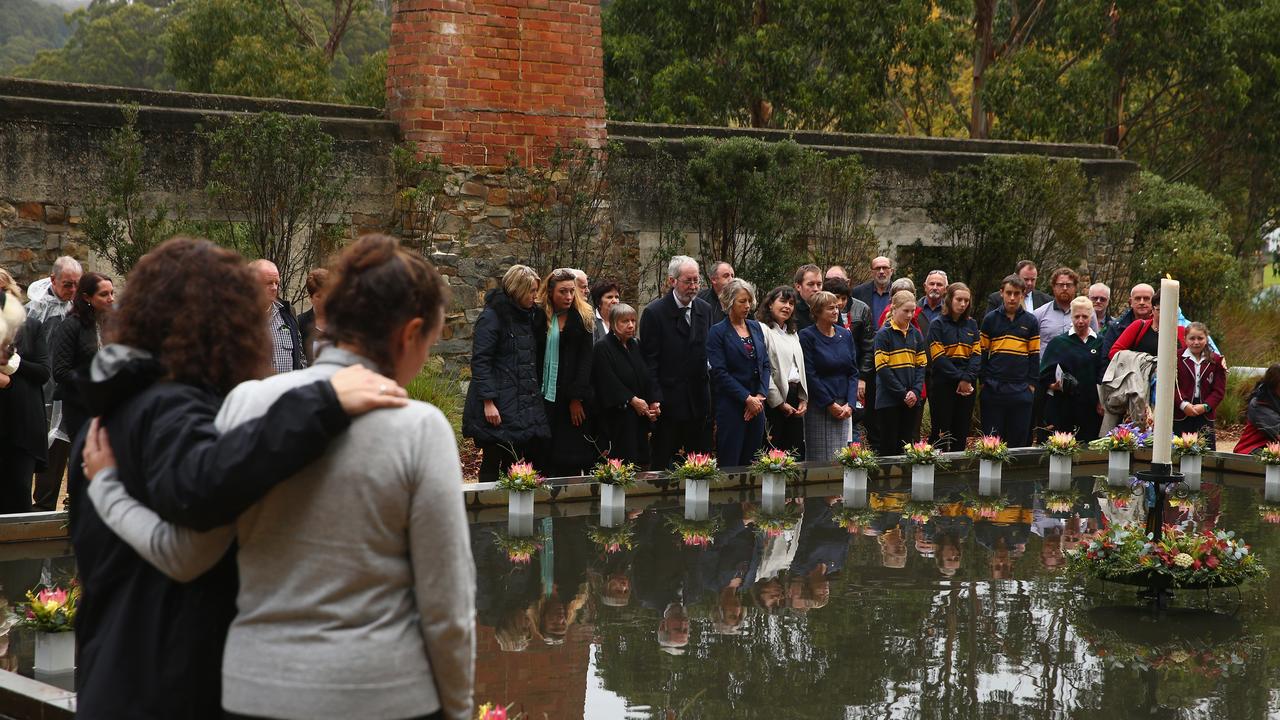
Lifelong peninsula resident and Tasman Council deputy mayor Maria Davey says many people remain unable or unwilling to speak about the event.
"It's still very raw," Ms Davey, who was working at the site on the day, explains.
"Life moves on and things change but it's always still there. It's something I still reflect on."
Port Arthur remains Australia's worst mass shooting, comparable only to the Bondi Beach attack in December which killed 15 people and injured 40.
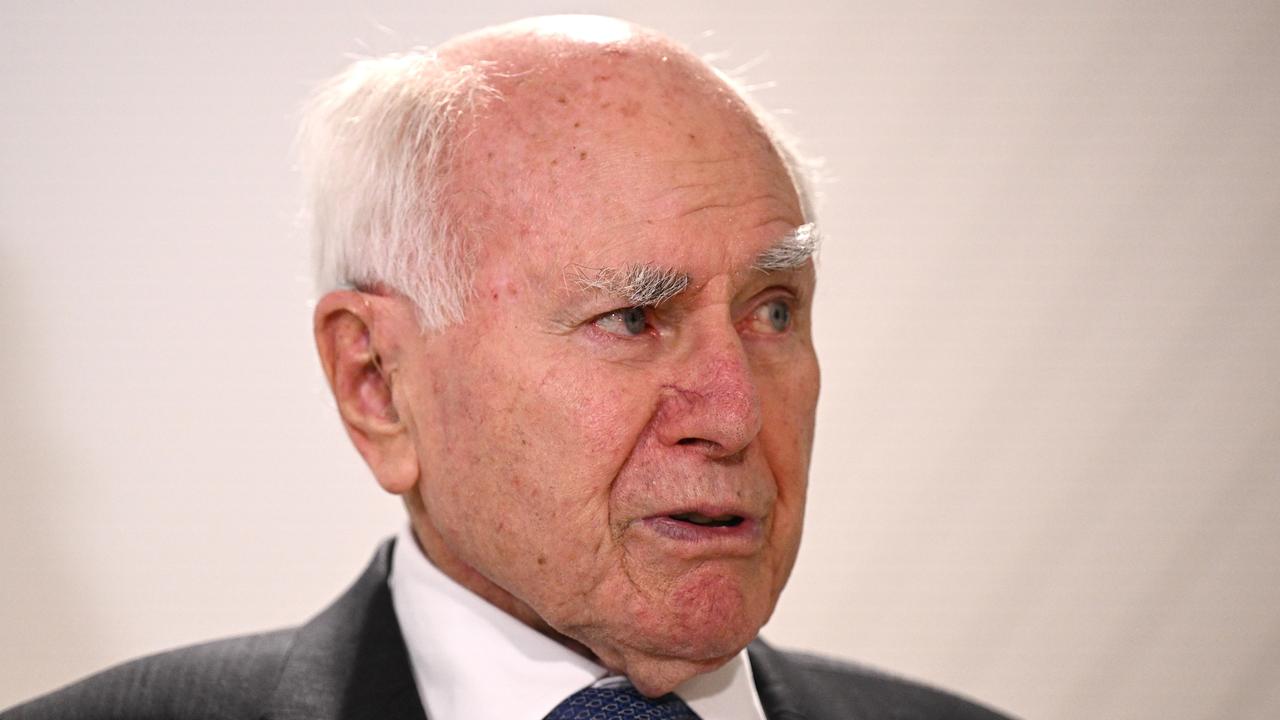
"Certainly there is a continuing awareness of denying lethal weapons to people who might use them in an irresponsible manner," Mr Howard says.
"That doesn't mean we can't be guaranteed there won't be any repetition ... but we are safer because we have denied automatic and semi-automatic weapons."
Ms Dayton believes there is no "right or wrong" way to deal with trauma but says sharing her story at this point feels right.
She compartmentalised in the years afterwards and says speaking up as a police officer carried a stigma, particularly in such a male-dominated profession.
"If you showed emotion you would be considered weak and you would be ostracised. You weren't one of the boys, so it was extra hard," she says.
"It has just had such a massive impact across all first responders.
"It's still as relevant today as it was back then."
Clinical psychologist and disaster recovery expert Rob Gordon has helped with counselling people impacted by Port Arthur.
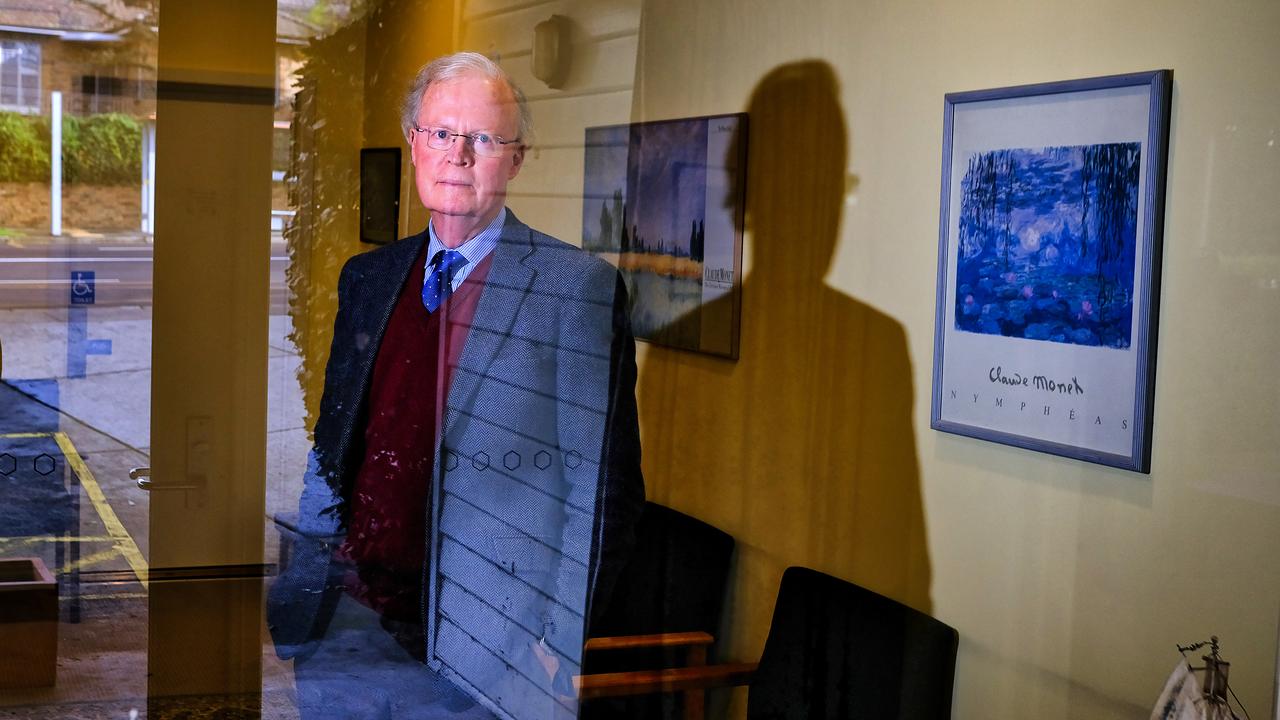
"People who are not involved can say, 'Isn't it time they moved on?' That shows you've never been touched in that way," Dr Gordon says.
"The longer you go, the more significance it has because you realise what a profound impact it has had on your life."
Tasmania Police Commissioner Donna Adams says her heart is with the families, friends and loved ones of all those affected.
Professional assistance is available to members of the police community and their families who require it, she said.
Lifeline 13 11 14
beyondblue 1300 22 4636