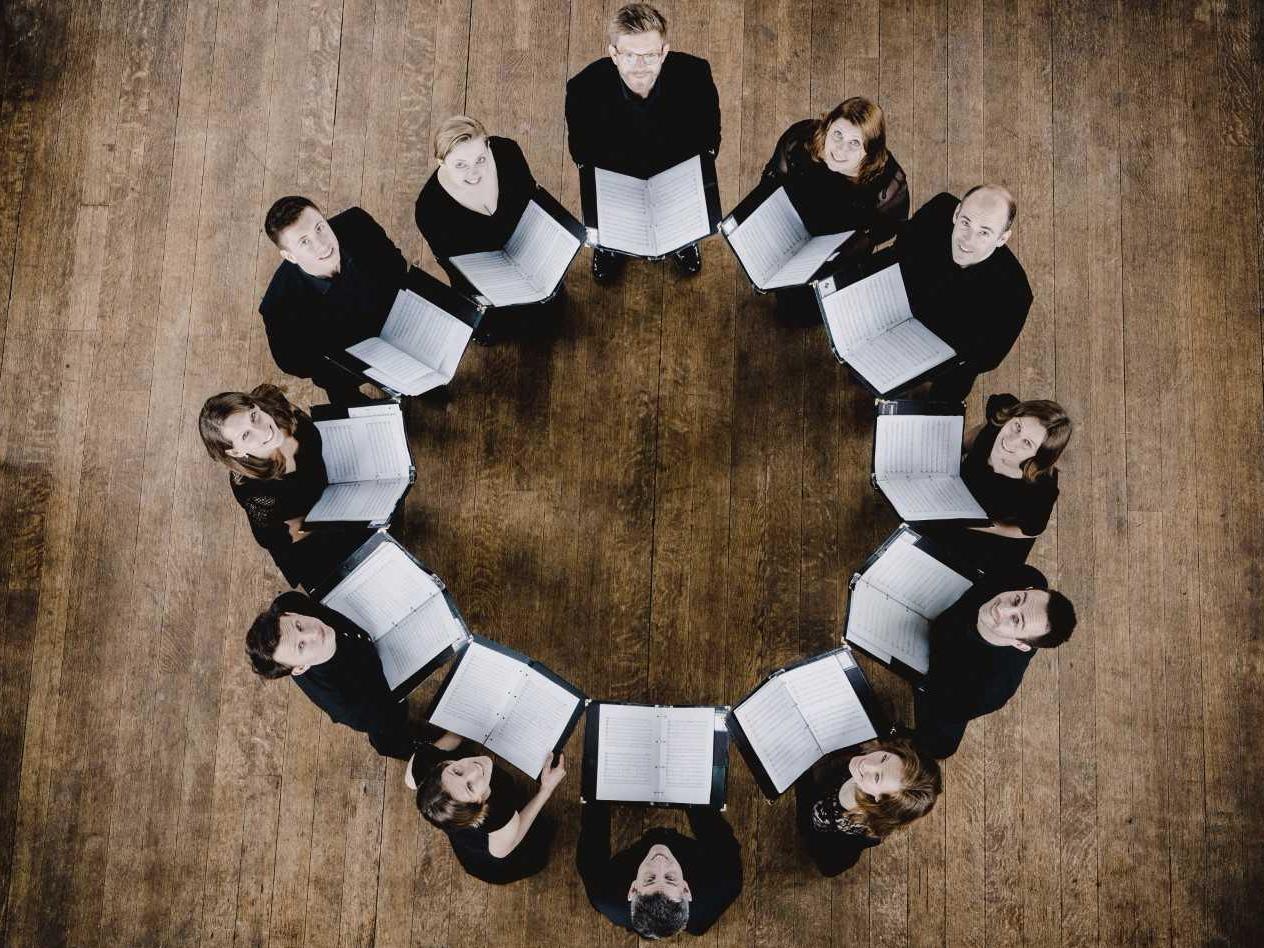
Stile Anticomay be laden with honours, but they aren’t showy. Twelve black-clad singers in a semi-circle, with no conductor, and no recourse to histrionics – but there’s a singular power in their sound. This is partly thanks to their musicianship, and partly to the unshakeable conviction which they bring to everything they sing.
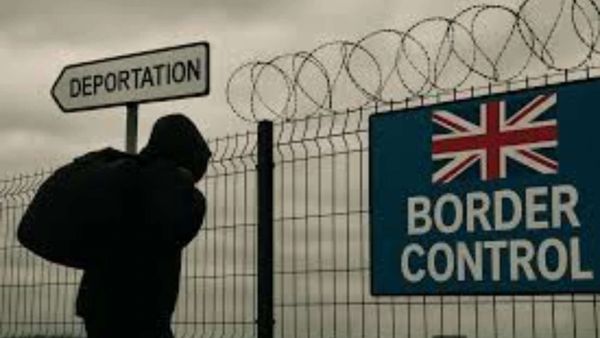
Their current project grew out of a collaboration with an American consort in which Dowland’s Lachrymae was performed. This is a set of seven pavanes, of which only one had been provided with a text (the celebrated “Flow, my tears”). Why not find texts for the others, thought the singers, and why not link those texts with the refugee crisis in the Mediterranean? Next stop Dartington Summer School, whose director Joanna MacGregor was keen to take the idea further: as a result, the poet Peter Oswald was commissioned to provide texts based on first-hand accounts from survivors of the migration; an 18th-century newspaper report of an English vagrant in Plymouth was also woven in.
Then the mix got richer, with the majestic Lamentations of the Tudor composer Robert White being included; then the Syrian oud-player Rihab Azar was invited to intersperse the sung sections of the programme with instrumental solos in the Arabic style.
The evening begins with Dowland’s startlingly modern-sounding motet “In this trembling shadow cast”, muscular dissonances delivered in firmly vibrato-free tones. Then the alto Eleanor Harries Clarke steps forward, explains the rationale for what we’re going to hear, and asks us not to interrupt the flow of music with applause. Which is appropriate, because the sequence of words and music which follows has unexpected integrity, despite the origins of its component elements being five centuries apart.
Rihab Azar’s oud solos are beautifully turned; Oswald’s verses sit alongside 16th century ones with surprising felicity. And as Dowland’s variations on his lamenting motif weave their grave and graceful spells, so do the verbal lamentations. And thanks to the texts, I find myself engaging with the music in a way I never have before. It certainly helps that the texts are projected onto the back of the stage: recitalists should take note and follow suit.
The final work, by the contemporary composer Giles Swayne, comes as a shock. He’s set a text describing the single most resonant image of the entire migration – a three year old boy washed up dead on the Turkish shore – to a stark and discordant anthem inhabiting a viscerally uneasy modern sound-world. The beauty of Dowland’s music is banished, yet somehow Swayne manages not to destroy the evening’s musical and emotional momentum.