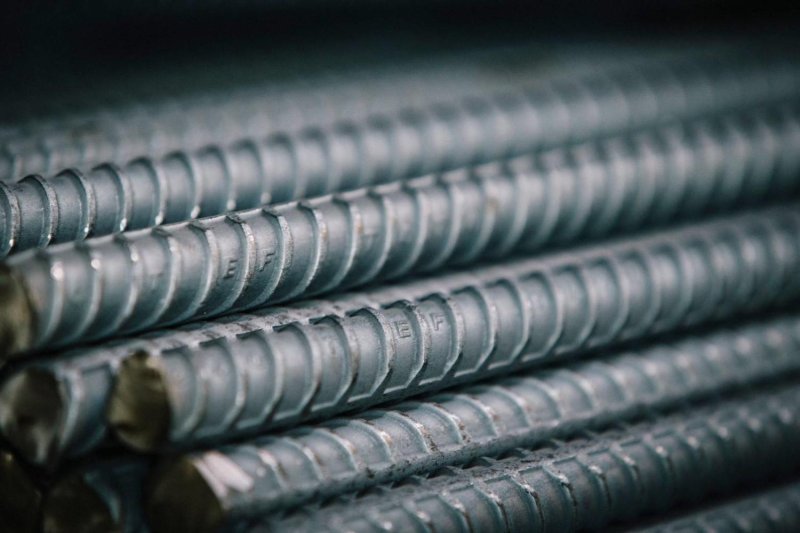
Local steel producers are calling on the government to strengthen measures against steel manufactured using induction furnace (IF) technology, particularly imports, citing persistent quality inconsistencies that threaten the domestic industry.
The EAF Long Product Steel Producers Association, led by president Chaichalerm Bunyanuwat, urged officials to promote locally made steel produced using electric arc furnace (EAF) technology, which is widely utilised by Thai steel companies.
Unlike IF, which relies on induction heating to melt scrap metal, EAF uses high-powered electric arcs to achieve more consistent results, ensuring stronger and safer steel.
"We are discussing with the Commerce Ministry measures to control IF steel imported from abroad as well as IF steel produced locally," Mr Chaichalerm said.
Thailand's steel industry has long struggled with an influx of cheaper IF steel. Producers said tighter enforcement, improved testing, and a review of certification processes are urgently needed.
Ten steel associations have jointly called for a government policy requiring state projects to use locally produced steel, a practice already adopted in several countries to protect domestic industries.
They also want incentives to encourage production under Thai industrial standards, alongside stricter oversight of emissions and waste management.
Global steel production capacity is around 1.85 billion tonnes annually. Of this amount, blast furnace (BF) technology accounts for roughly 70%, EAF for 25-26%, and IF 4-5%. Many countries have already banned IF steel due to its lower quality.
Blast furnaces differ significantly from IF and EAF. While IF and EAF can recycle scrap metal, BF is a massive, fossil fuel-intensive process that produces new steel from raw iron ore.
In Thailand, steel production capacity is about 11 million tonnes per year, with 40% coming from EAF, 40% from IF and 20% imports.
However, capacity utilisation has dropped to just 30% since 2017, underscoring the need for stronger protective measures.
Steel consumption in Thailand rose from 16.5 million tonnes in 2024 to 18.5 million tonnes last year, driven largely by demand for long steel products.
Mr Chaichalerm said the association expects consumption to grow another 5% this year, fuelled by government infrastructure and repair projects. While public investment is expected to sustain demand, private sector projects may slow due to economic uncertainty.
Industry leaders warn that without decisive government action, the domestic steel sector risks being undermined by steel imports.